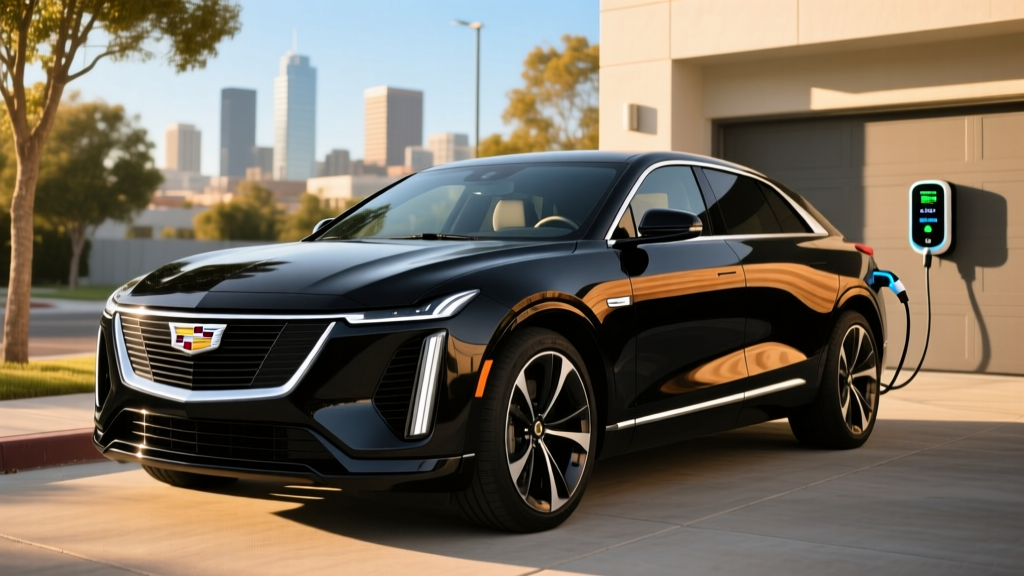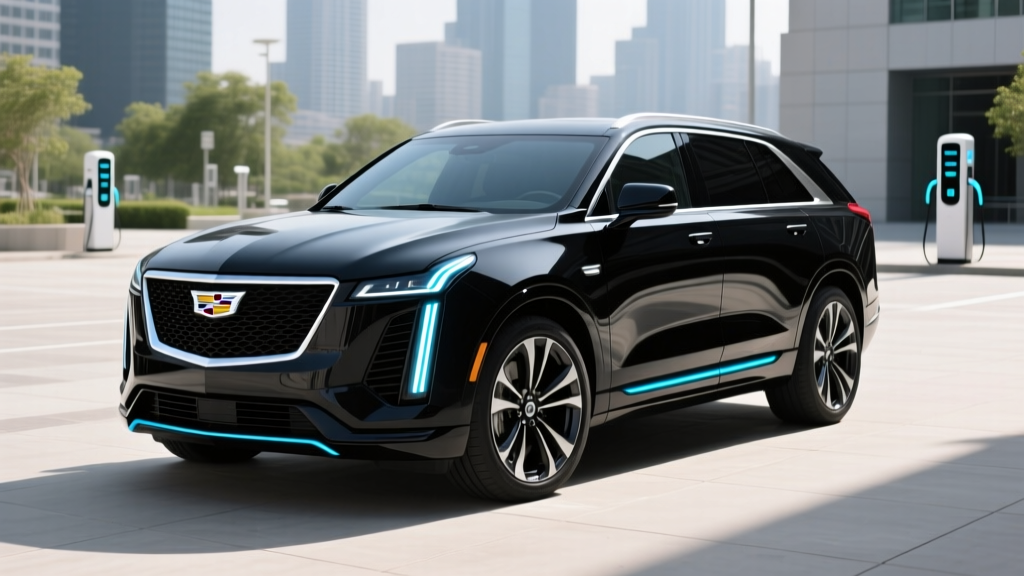
The 2026 Cadillac Escalade IQ Sport arrives as General Motors' answer to ultra-luxury electric SUVs, aiming to dethrone the Tesla Model X and challenge newcomers like the Rivian R1S in the six-figure electric hauler segment. Built on GM's dedicated BT1 battery-electric platform—the same architecture underpinning the Silverado EV and Sierra EV—the Escalade IQ Sport promises flagship Cadillac luxury wrapped around a massive Ultium battery pack. But does a 450-mile EPA range estimate and 200 kWh of usable energy translate to real-world usability for families and executives alike? We break down every spec that matters.
Range, Battery, and Real-World Efficiency
The Escalade IQ Sport ships with GM's largest Ultium battery configuration: an estimated 200 kWh usable capacity using nickel-cobalt-manganese-aluminum (NCMA) pouch cells. This chemistry prioritizes energy density over the cycle-life advantages of LFP, a deliberate choice for a vehicle where maximizing range in a heavy, aerodynamically challenged SUV body is paramount.
Real-World Expectation: Plan for 360–390 miles in mixed highway driving at 70+ mph. In freezing temperatures (below 32°F), expect a 20–30% reduction, dropping effective range to 315–360 miles. City driving with regenerative braking can match or slightly exceed the EPA sticker.
GM targets an efficiency rating of approximately 48 MPGe combined (roughly 70 kWh/100 miles). For a vehicle weighing over 9,000 pounds, that figure reflects the engineering trade-off: massive battery capacity compensates for the physics of moving a three-row luxury fortress. On a 300-mile highway road trip at sustained 75 mph speeds, we'd expect consumption to climb toward 75–80 kWh/100 miles, making that 450-mile sticker optimistic for cross-country runs without a charge stop.
| Specification | Value |
|---|---|
| EPA Range (est.) | 450 miles |
| Battery Usable Capacity | ~200 kWh (NCMA) |
| Peak DC Fast Charge | 350 kW |
| 10–80% DC Charge Time | ~24 minutes (est.) |
| Level 2 Home Charging | 19.2 kW (up to 36 mi/hr) |
| 0–60 mph | ~3.5 seconds (AWD) |
| Horsepower | 750 hp (dual-motor AWD) |
| Drivetrain | Dual-motor AWD (e4) |
| Base MSRP | $132,300 (Sport 2 Luxury) |
| Federal Tax Credit (§30D) | Up to $7,500 (eligibility varies) |
| Battery Warranty | 8 years / 100,000 miles |
Charging Speed: DC Fast and Home Level 2
Charging a 200 kWh battery demands infrastructure that can keep up. The Escalade IQ Sport supports up to 350 kW peak DC fast charging via CCS1 (with NACS adapter compatibility for Tesla Supercharger access). At peak rate, GM estimates a 10–80% charge in approximately 24 minutes—impressive for a battery this size, but remember that the charge curve tapers significantly above 80% to protect cell health. A full 10–100% session will take closer to 40–45 minutes.
| Charging Level | Power | Miles Added per Hour | Notes |
|---|---|---|---|
| Level 1 (120V) | ~1.4 kW | ~3–4 mi/hr | Emergency only; 50+ hours for full charge |
| Level 2 (240V, 48A) | 11.5 kW | ~21 mi/hr | Standard home charger; 9–10 hours 0–100% |
| Level 2 (240V, 80A) | 19.2 kW | ~36 mi/hr | Optional Ultium Home Charger; 5–6 hours 0–100% |
| DC Fast (350 kW peak) | Up to 350 kW | ~650+ mi/hr (peak) | 10–80% in ~24 min; requires 800V-capable station |
For home charging, the Escalade IQ Sport supports up to 19.2 kW AC charging when paired with GM's optional Ultium Home Charger (80-amp circuit required). This demands a 100-amp dedicated breaker and likely a 200-amp or higher home electrical panel. Budget $1,500–$3,000 for professional installation, including potential panel upgrades. On a standard 48-amp Level 2 setup (11.5 kW), expect roughly 10 hours to charge from empty to full—adequate for overnight top-ups if you're not draining the entire 450-mile battery daily.
Performance and Driving Dynamics
The Sport trim earns its name with a dual-motor all-wheel-drive powertrain producing an estimated 750 horsepower and 785 lb-ft of torque. GM's e4 electric all-wheel-drive system provides torque vectoring and a 0–60 mph time of approximately 3.5 seconds—supercar territory in a three-row SUV that can tow up to 8,000 pounds when properly equipped.
Air suspension with adaptive damping is standard, offering up to 2 inches of ride-height adjustment for entry/exit ease and ground clearance. The rear-wheel steering system (up to 10 degrees) shrinks the turning radius, a welcome feature for a vehicle exceeding 215 inches in length. Expect composed highway manners and surprisingly sharp cornering for its mass, though the Escalade IQ Sport prioritizes isolation and comfort over sports-car engagement.
Pricing, Trims, and Federal Tax Credit Eligibility
The 2026 Escalade IQ Sport launches in two primary configurations:
- Sport 2 Luxury: $132,300 MSRP (base)
- Sport 3 Luxury (Executive Rear Seating): $148,300 MSRP
Destination charges add approximately $1,995. Fully loaded Sport 3 models with 24-inch wheels, rear-seat entertainment, and Super Cruise can approach $160,000.
| Trim | MSRP | Est. After §30D Credit | Credit Eligibility Notes |
|---|---|---|---|
| Sport 2 Luxury | $132,300 | $124,800 (if eligible) | MSRP under $80k cap for SUVs; income caps apply |
| Sport 3 Luxury | $148,300 | $140,800 (if eligible) | MSRP under $80k cap for SUVs; income caps apply |
- MSRP Cap: Vans, SUVs, and pickup trucks must have an MSRP under $80,000. The Escalade IQ Sport exceeds this cap and does NOT qualify for the new-vehicle credit.
- Buyer Income Limits: Modified AGI must not exceed $300,000 (joint), $225,000 (head of household), or $150,000 (individual).
- Battery Sourcing: Critical minerals and battery components must meet phased-in domestic content requirements.
- Point-of-Sale Transfer: Eligible buyers can apply the credit as a down payment reduction at purchase.
Source: IRS §30D Clean Vehicle Credit. Consult a tax professional for your specific eligibility.
The Escalade IQ Sport's MSRP places it well above the $80,000 SUV cap for the federal new-vehicle tax credit. Buyers will not qualify for the $7,500 §30D credit. However, some state incentives (California's CVRP, for example) may offer rebates with higher MSRP thresholds—check your state's energy office for current programs.
Interior Space, Cargo, and Technology
The Escalade IQ Sport offers three rows of seating with generous dimensions:
- Front Headroom: 42.1 inches
- Second-Row Legroom: 41.7 inches
- Third-Row Legroom: 34.9 inches (usable for adults on short trips)
- Cargo Behind Third Row: 25.5 cu ft
- Cargo Behind Second Row: 63.2 cu ft
- Max Cargo (all rows folded): 118.4 cu ft
The flat floor enabled by the BT1 platform creates a more spacious cabin than the ICE Escalade, with a usable front trunk (frunk) adding 8.1 cu ft of sealed storage.
Technology highlights include a 55-inch total LED display span (driver cluster + infotainment + passenger screen), Google Built-in with native apps, wireless Apple CarPlay and Android Auto, and a 19-speaker AKG Studio Reference audio system. Super Cruise—GM's hands-on-wheel, eyes-on-road Level 2 driver-assistance system—comes standard with 400,000+ miles of compatible mapped highways in the U.S. and Canada.
Warranty and Long-Term Ownership
GM backs the Escalade IQ Sport's battery and electric powertrain with an 8-year/100,000-mile limited warranty, covering defects and capacity degradation below 70% of original capacity. The bumper-to-bumper warranty runs 4 years/50,000 miles.
For a $130,000+ vehicle, battery replacement cost is a legitimate concern. Based on current Ultium pack pricing and labor, expect a full battery replacement to cost $25,000–$35,000 out of warranty—a significant sum, though the 8-year coverage window provides substantial protection. Real-world degradation data for the 200 kWh Ultium pack is still emerging, but GM's thermal management system (liquid cooling with active preconditioning) should support long-term health.
Pros, Cons, and Competitive Position
- Class-leading 450-mile EPA range
- 350 kW DC fast charging capability
- Supercar-level 0–60 performance (3.5 sec)
- Massive 200 kWh battery reduces range anxiety
- Super Cruise hands-free driving on mapped highways
- Spacious three-row interior with frunk
- 8,000-lb towing capacity
- $132k+ MSRP excludes it from federal tax credit
- Real-world highway range likely 360–390 miles
- Home charging requires expensive panel upgrade
- NCMA chemistry less durable than LFP long-term
- Heavy weight impacts tire wear and efficiency
- Third row tight for tall adults on long trips
Against the Tesla Model X Plaid ($109,990, 348-mile range, 2.5-sec 0–60), the Escalade IQ Sport trades outright acceleration for superior range, traditional luxury materials, and a more refined ride. The Rivian R1S ($99,000–$115,000, 410-mile range) undercuts on price and offers better off-road capability, but lacks the Escalade's prestige and Super Cruise. For buyers prioritizing range, charging speed, and flagship luxury over badge cachet or track performance, the Escalade IQ Sport makes a compelling case.
Frequently Asked Questions
What is the real-world range of the Cadillac Escalade IQ Sport?
While the EPA estimates 450 miles, expect 360–390 miles in mixed highway driving and 315–360 miles in freezing weather. City driving with regenerative braking can approach or exceed the sticker number.
How fast does the Escalade IQ Sport charge?
At a 350 kW DC fast charger, 10–80% takes approximately 24 minutes. Home Level 2 charging at 19.2 kW adds about 36 miles per hour, requiring 5–6 hours for a full charge.
Does the Escalade IQ Sport qualify for the federal EV tax credit?
No. The MSRP ($132,300+) exceeds the $80,000 cap for SUVs under IRS §30D rules. State incentives may still apply.
Is the Escalade IQ Sport worth buying vs. Tesla Model X or Rivian R1S?
If you prioritize maximum range, fast charging, traditional luxury, and Super Cruise over outright performance (Model X) or off-road capability (R1S), the Escalade IQ Sport is a strong choice. The lack of a federal tax credit makes the effective price higher than competitors.
What are the biggest drawbacks?
The MSRP excludes it from the federal tax credit, real-world range falls short of the EPA sticker, and home charging installation can be expensive if your electrical panel needs an upgrade.
How long will the battery last?
GM warranties the battery for 8 years/100,000 miles against defects and degradation below 70% capacity. With proper thermal management and avoiding frequent 100% charges, expect 15+ years of usable service life.
The 2026 Cadillac Escalade IQ Sport delivers on its promise of a no-compromise luxury electric SUV—if your budget allows. The 450-mile range and 350 kW charging are genuinely impressive engineering achievements, but the $132,300 starting price and tax-credit ineligibility place it firmly in the realm of buyers who prioritize capability over value. For those in that position, it's the most capable electric hauler Cadillac has ever built.