The Bottom Line on the Cadillac Escalade Electric
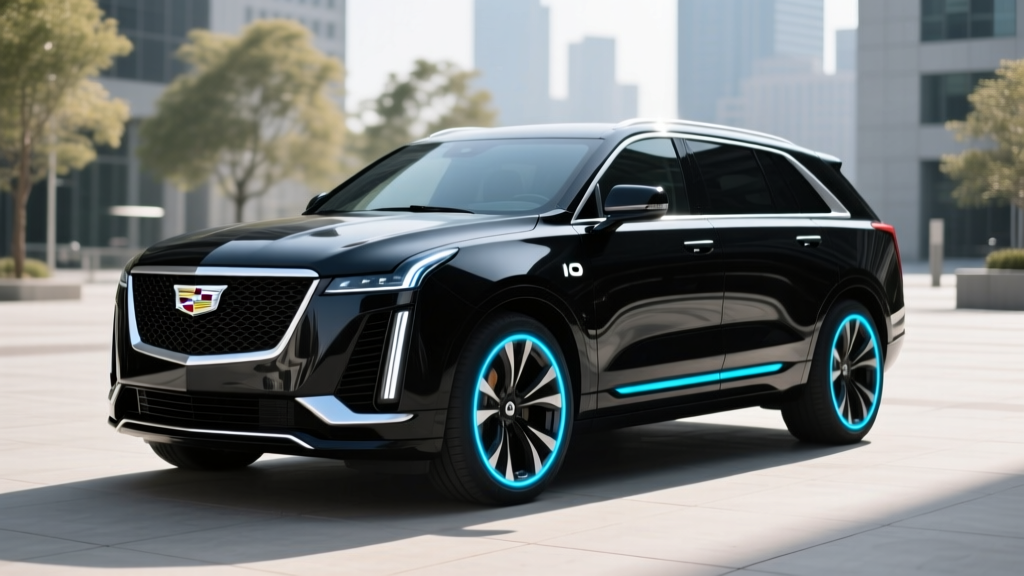
The Cadillac Escalade IQ is General Motors' all-electric flagship SUV built on the Ultium platform. For the 2026 model year, it targets an EPA-estimated range of up to 460 miles on a massive ~200 kWh usable battery pack, with DC fast charging peaking at 350 kW on compatible stations. Pricing starts around $129,990 (including destination) for the Luxury trim, climbing past $149,000 for the Sport Luxury. It is not eligible for the §30D federal new-EV tax credit because it exceeds the $80,000 SUV MSRP cap. If you want a three-row luxury electric hauler with 400+ miles of range and don't blink at six-figure pricing, the Escalade IQ is the segment benchmark. If you lack reliable home Level 2 charging or regularly tow heavy loads in cold climates, the gas Escalade or a plug-in hybrid alternative may serve you better.
Range, Battery, and Real-World Efficiency
The Escalade IQ rides on GM's BT1 electric architecture — the same bones under the GMC Hummer EV and Chevrolet Silverado EV — but tuned for luxury rather than off-road brute force. The dual-motor all-wheel-drive powertrain produces an estimated 750 horsepower and launches the 9,000+ lb SUV to 60 mph in approximately 4.7 seconds.
| Specification | Escalade IQ (2026 Est.) |
|---|---|
| Battery (usable) | ~200 kWh, NMC lithium-ion |
| EPA Range (max wheel config) | ~460 miles |
| EPA Range (Sport/24" wheels) | ~420–440 miles (est.) |
| Efficiency | ~50–53 MPGe combined (est.) |
| DC Fast Charge Peak | 350 kW (800V architecture) |
| 10–80% DC Fast Charge | ~30 minutes (est. on 350 kW stall) |
| Level 2 Charging (AC) | 19.2 kW onboard charger |
| Level 2 Full Charge Time | ~10–11 hours (0–100%) |
| 0–60 mph | ~4.7 seconds |
| Horsepower | ~750 hp (dual motor AWD) |
| Towing Capacity | ~8,000 lbs (est.) |
| Battery/Powertrain Warranty | 8 years / 100,000 miles |
Real-World Range Reality Check
The 460-mile EPA figure applies to the most efficient wheel-and-tire configuration (likely 22-inch). Expect ~380–410 miles on the highway at 75 mph, as large SUVs lose efficiency at speed due to aerodynamic drag. In cold weather (below 30°F), plan for 15–25% range reduction, bringing effective range to roughly 310–350 miles even with the heat pump preconditioning the pack. If you opt for the 24-inch Sport wheels, subtract 20–40 miles from any published number.
Charging at Home and on the Road
With a ~200 kWh battery, the Escalade IQ demands serious charging infrastructure. The 19.2 kW onboard AC charger is among the fastest available in a production EV, meaning a home Level 2 wall connector on a dedicated 100-amp circuit can replenish roughly 55–60 miles of range per hour — enough to fully recharge overnight from a typical daily drive.
| Charging Level | Power | Miles of Range per Hour | 0–100% Full Charge |
|---|---|---|---|
| Level 1 (120V outlet) | 1.4 kW | ~3–4 mi/hr | 50+ hours (impractical) |
| Level 2 (240V, 48A) | 11.5 kW | ~33 mi/hr | ~17–18 hours |
| Level 2 (240V, 80A) | 19.2 kW | ~55 mi/hr | ~10–11 hours |
| DC Fast (350 kW peak) | Up to 350 kW | ~800+ mi/hr at peak | 10–80% in ~30 min |
DC fast charging on the road is where the 800-volt architecture pays off. At a 350 kW Electrify America or EVgo station, the Escalade IQ can accept peak rates that add ~100 miles of range in under 10 minutes. However, the charge curve tapers significantly above 80% SoC — expect the final 20% to take as long as the first 60%. For road trips, plan your stops around 10–80% increments.
Home installation note: A 19.2 kW Level 2 charger requires a 100-amp dedicated circuit and likely a 200-amp (or larger) electrical panel. Many older homes with 100-amp or 150-amp service will need a panel upgrade, which typically costs $1,500–$4,000 on top of the $500–$1,200 for the wall connector and $800–$2,500 for electrician labor and permitting. Total home charging setup can range from $2,000 to $7,000+ depending on your existing electrical service. Consult a licensed electrician for a site-specific quote.
Escalade IQ vs Gas Escalade: Cost of Ownership
The gas-powered 2026 Cadillac Escalade starts around $83,000 and is equipped with a 6.2L V8 or the available 3.0L Duramax diesel. Here's how the two stack up over five years and 75,000 miles of driving.
| Cost Factor (5 yr / 75K mi) | Escalade IQ (Electric) | Gas Escalade (6.2L V8 AWD) |
|---|---|---|
| Base MSRP (approx.) | $129,990 | $83,000 |
| Federal Tax Credit (§30D) | $0 (exceeds $80K SUV cap) | N/A |
| Fuel/Energy Cost | ~$4,500–$6,000 (home charging at $0.14/kWh) | ~$14,000–$17,000 (16 MPG avg, $3.60/gal) |
| Maintenance (est.) | ~$1,500–$2,500 | ~$4,000–$6,000 |
| Insurance (est. annual avg) | ~$3,800–$4,500/yr | ~$2,800–$3,500/yr |
| 5-Year Depreciation (est.) | ~$55,000–$65,000 | ~$35,000–$42,000 |
| Total 5-Year Cost | ~$210,000–$235,000 | ~$145,000–$170,000 |
Key takeaway: The Escalade IQ saves roughly $8,000–$12,000 in fuel and maintenance over five years, but the $47,000+ price premium and steeper depreciation on a six-figure EV erase those savings for most buyers. This is a purchase driven by technology, driving refinement (instant torque, near-silent cabin), and emissions reduction — not by total cost of ownership economics. According to fueleconomy.gov, the gas Escalade V8 returns approximately 16 MPG combined, making it one of the least efficient vehicles in its class and a prime candidate for electrification if budget allows.
Tax Credits, Incentives, and Pricing Details
Under current IRS §30D rules, the federal clean vehicle credit caps at $80,000 MSRP for SUVs. Since the Escalade IQ starts near $130,000, it does not qualify for the $7,500 federal credit regardless of buyer income or battery sourcing. State incentives vary: some states like California, Colorado, and New York offer additional rebates or HOV lane access for EVs, but many cap eligibility at lower MSRPs as well. Always verify current rules with your state's energy or DMV office and consult a tax professional before relying on incentive assumptions.
Why the Escalade IQ Misses the Federal Credit
- MSRP Cap: SUVs must be under $80,000 — Escalade IQ starts ~$130K
- Buyer Income Cap: Even if it qualified, AGI limits apply ($300K joint / $150K single)
- Battery Sourcing: Critical minerals and component rules still apply to eligible vehicles
- Point-of-Sale Transfer: Available for qualifying vehicles — not applicable here
- Lease Loophole (§25D commercial credit): Some luxury EVs ineligible for purchase credits may qualify through leasing — check with your dealer for current lease incentive structures
Who Should Buy the Escalade IQ (and Who Shouldn't)
Buy the Escalade IQ If:
- You have a garage or driveway where a Level 2 (240V) charger can be installed
- Your daily driving is under 200 miles and you want to rarely visit gas stations
- You value instant torque, a silent cabin, and V8-beating acceleration in a three-row SUV
- You want the latest GM Super Cruise (Level 2 hands-free driving on mapped highways)
- Budget is not a primary constraint and you want the most advanced electric luxury SUV available
Consider the Gas Escalade or an Alternative If:
- You live in an apartment or lack access to reliable home or workplace charging
- You regularly tow more than 6,000 lbs — towing can cut EV range by 30–50%
- You frequently drive in sub-20°F climates where range loss and charging slowdowns compound
- Total cost of ownership matters and the $50K premium over gas is hard to justify
- You prefer the proven reliability record and quick refueling of the gas Escalade for remote road trips
Common Misconceptions About the Escalade IQ
| Myth | Fact |
|---|---|
| "It qualifies for the $7,500 tax credit." | It does not. The MSRP cap for SUVs under §30D is $80,000. The Escalade IQ starts near $130,000. |
| "460 miles means I'll always get 460 miles." | EPA range assumes mixed driving. Highway cruising at 75+ mph, cold weather, and towing all reduce real range significantly. |
| "I can charge it on a regular outlet overnight." | A 120V Level 1 outlet adds only ~3–4 miles per hour. A full charge would take over 50 hours. Level 2 home installation is essential. |
| "Super Cruise means the car drives itself." | Super Cruise is an SAE Level 2 system. The driver must remain attentive and is legally responsible for vehicle operation at all times. |
| "The battery will need expensive replacement soon." | GM warranties the Ultium battery for 8 years / 100,000 miles against defects and excessive degradation (typically below 60–70% capacity). Most EV batteries outlast their warranty periods. |
Super Cruise: Level 2, Not Self-Driving
GM's Super Cruise allows hands-free driving on over 750,000 miles of mapped roads in North America. However, it remains an SAE Level 2 driver-assistance system. A driver-facing camera monitors your attention, and you must be prepared to take over immediately. This is fundamentally different from Level 4 robotaxi services like Waymo, which operate without any human driver in defined geographic areas.
Interior, Technology, and Practicality
The Escalade IQ leverages GM's next-generation Ultifi software platform with a pillar-to-pillar 55-inch total diagonal display spanning the dashboard, plus separate screens for rear passengers. The flat floor (no transmission tunnel) creates more interior volume than the gas Escalade, and the available Executive Second Row seating offers airline-style reclining seats with deployable tables.
Cargo space benefits from the absence of a V8, with a front trunk (frunk) adding modest but useful storage. Third-row accommodation is expected to match or slightly improve upon the gas Escalade's dimensions thanks to the skateboard platform packaging. The NHTSA and IIHS have not yet published crash-test ratings for the Escalade IQ at the time of writing, but the Ultium platform's low center of gravity and reinforced battery structure are engineered for top safety picks.
Frequently Asked Questions
How long does it take to charge the Escalade IQ at home?
On a properly installed 19.2 kW Level 2 charger (requiring a 100-amp circuit), a full 0–100% charge takes approximately 10–11 hours. Most owners will plug in overnight and wake to a full battery after typical daily driving of 50–100 miles. On a standard 48-amp Level 2 (11.5 kW), expect closer to 17–18 hours for a full charge.
Can the Escalade IQ tow a boat or camper?
GM estimates towing capacity at approximately 8,000 lbs. However, towing at or near maximum capacity can reduce range by 30–50% depending on trailer aerodynamics, terrain, and temperature. If you tow frequently over long distances, plan charging stops carefully and expect real-world range closer to 230–300 miles while towing.
Is the Escalade IQ eligible for any incentives?
Not the federal §30D credit — the MSRP far exceeds the $80,000 SUV cap. Some state or local utility rebates for EV purchases or home charger installations may still apply. Check with your state energy office and local utility for current programs. Leasing may offer alternative incentive pathways through the commercial clean vehicle credit (§45W), which flows to the lessor and may be reflected in lease pricing.
How does the Escalade IQ compare to the Tesla Model X or Rivian R1S?
The Escalade IQ is significantly larger and more expensive than the Rivian R1S (starting ~$80K) and the Tesla Model X (starting ~$80K). It competes more directly with ultra-luxury offerings. Where it differentiates is in sheer size (full-size three-row SUV), 460-mile range target, 800V fast charging, and Cadillac's dealer/service network. The Model X offers a faster Supercharger network and more established software, while the R1S offers better off-road capability at a lower price point.
What happens if the battery degrades over time?
GM's Ultium battery warranty covers 8 years or 100,000 miles, whichever comes first, against defects and capacity loss below a specified threshold (typically 60–70% of original capacity). Based on data from earlier Ultium-architecture vehicles and industry-wide EV battery studies, most modern NMC packs with active thermal management retain 85–92% capacity after 100,000 miles. Replacement cost for a ~200 kWh pack, if needed out of warranty, would likely exceed $25,000–$35,000 — a factor to consider for long-term ownership.