The Short Answer on the Cadillac Electric Car ELR
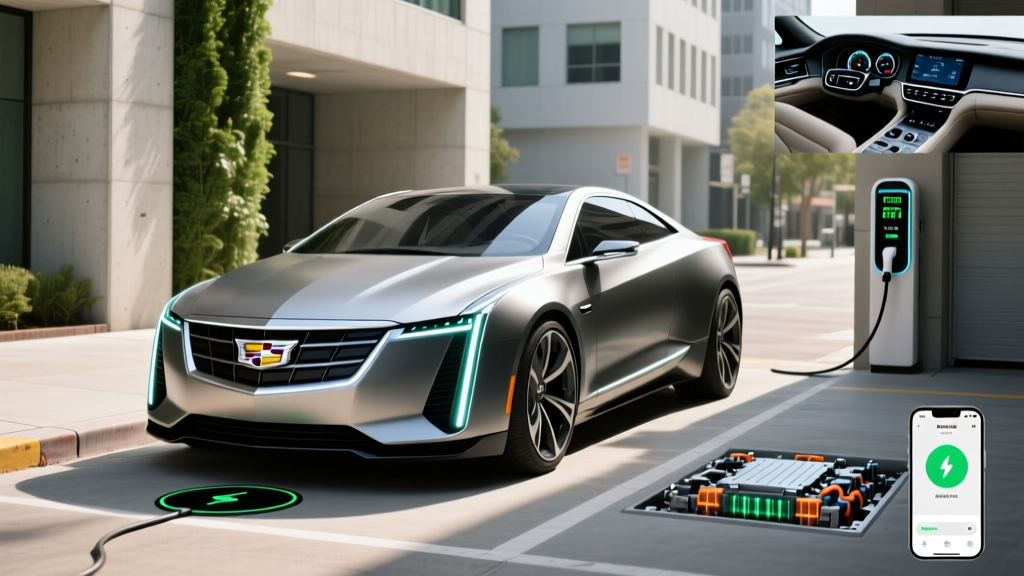
The Cadillac ELR is not a current-production vehicle. Cadillac built this plug-in hybrid (PHEV) for only two model years — 2014 and 2016 — and discontinued it after selling fewer than 3,000 units total. If you're searching for a Cadillac electric car ELR in 2026, you're looking exclusively at the used market, where surviving examples typically trade between $15,000 and $28,000 depending on mileage and condition. With an EPA-rated 37 miles of electric-only range (2016 model) and a combined 32 mpg once the battery depletes, the ELR can serve as a stylish commuter for drivers with short daily trips — but buyers must budget for an aging 18.4 kWh lithium-ion battery that may be approaching replacement territory.
What the Cadillac ELR Actually Is (and Isn't)
A common misconception is that the Cadillac ELR is a fully electric vehicle. It isn't. The ELR is a plug-in hybrid electric vehicle (PHEV) built on the same Voltec powertrain architecture as the first-generation Chevrolet Volt. It pairs a 1.4-liter gasoline range-extending engine with an electric drivetrain and an 18.4 kWh lithium-ion battery pack (gross capacity; usable is approximately 10.4 kWh due to the buffer).
In EV mode, the ELR drives on electricity alone until the battery is depleted, at which point the gas engine kicks in as a generator to extend range. Total combined range — electric plus gasoline — reaches approximately 340 miles. This is fundamentally different from a battery-electric vehicle (BEV) like the Cadillac Lyriq, which has no gas engine at all.
2014 vs. 2016: The Important Differences
Cadillac skipped the 2015 model year and returned with meaningful upgrades for 2016:
- Electric range: 35 miles (2014) → 37 miles (2016)
- Combined horsepower: 217 hp (2014) → 233 hp (2016)
- 0-60 mph: ~7.8 seconds (2014) → ~6.4 seconds (2016)
- Sport mode added with sharper throttle mapping and steering
- Price reduction: MSRP dropped from $75,000 (2014) to approximately $65,000 (2016)
If you're shopping used, the 2016 model is the stronger pick for both performance and value.
Real-World Range and Efficiency: What to Actually Expect
The EPA sticker is a starting point, not a guarantee. Here's how the ELR performs when you factor in real-world conditions:
ELR Electric-Only Range Reality Check
| Scenario | Expected Electric Miles |
|---|---|
| EPA Rated (2016) | 37 miles |
| Mild weather, city driving (55-65°F) | 34–38 miles |
| Highway driving (70+ mph) | 28–32 miles |
| Cold weather (below 30°F, cabin heat on) | 22–28 miles |
| Hot weather (90°F+, A/C on) | 30–34 miles |
Source: EPA data via fueleconomy.gov. Real-world figures reflect owner reports and typical lithium-ion behavior under thermal stress.
The ELR's battery is now 10–12 years old depending on model year. Lithium-ion batteries degrade over time and with charge cycles. Expect a used ELR to have lost 15–30% of its original battery capacity depending on climate exposure and charging habits. A 2014 ELR that once delivered 35 electric miles might now offer only 25–30 on a full charge. Always ask for a battery health report or have a dealer run a State of Health (SoH) diagnostic before purchase.
Charging the ELR: Speeds, Costs, and Setup
The ELR uses a J1772 connector for AC charging and does not support DC fast charging. This is a critical limitation for road-trip use but is manageable for daily commuting if you charge at home.
| Level | Power (kW) | Full Charge Time | Notes |
|---|---|---|---|
| Level 1 (120V household outlet) | ~1.4 kW | ~12–14 hours | Emergency/trickle only |
| Level 2 (240V home charger) | ~3.3 kW | ~4.5–5 hours | Recommended daily charging |
| DC Fast Charge | Not supported | N/A | No CCS or CHAdeMO port |
Home Charging Setup Costs
If you already have a 240V outlet (like a dryer outlet) near your parking spot, a portable Level 2 EVSE costs $200–$400. If you need a dedicated Level 2 circuit installed, budget accordingly:
| Item | Cost Range |
|---|---|
| Level 2 charger (hardwired or plug-in) | $300–$700 |
| Electrician labor (new 240V/20A circuit) | $500–$1,500 |
| Permit and inspection | $50–$200 |
| Electrical panel upgrade (if needed) | $1,500–$3,500 |
| Total (typical install, no panel upgrade) | $850–$2,400 |
Always hire a licensed electrician for final specifications and load calculations. The ELR's 3.3 kW onboard charger means you don't need a high-amperage circuit — a 20A/240V circuit is sufficient.
Cost to Charge vs. Gasoline
At the U.S. average residential electricity rate of approximately $0.17/kWh (EIA data), fully replenishing the ELR's ~10.4 kWh usable battery costs about $1.77. That yields roughly 37 electric miles — or about $0.048 per mile on electricity.
On gasoline (once the battery depletes), the ELR returns 32 mpg combined. At $3.40/gallon, that's approximately $0.106 per mile. For comparison, a comparable luxury gas sedan averaging 25 mpg at the same fuel price costs $0.136 per mile.
Drivers who can charge at home daily and stay within the ELR's electric range could spend under $50/month on electricity for commuting — versus $150+ in gasoline for a gas-only luxury coupe.
Total Ownership Costs: ELR vs. Gas vs. Modern EV
Let's put real numbers on what owning a used ELR looks like compared to alternatives a 2026 buyer might consider:
| Category | Used Cadillac ELR (2016) | Used BMW 4 Series (gas) | New Cadillac Lyriq (2026) |
|---|---|---|---|
| Purchase price | $22,000 | $28,000 | $58,600 |
| Fuel / electricity (5 yrs) | $4,200 | $12,750 | $4,500 |
| Maintenance (5 yrs) | $3,800 | $5,500 | $2,200 |
| Insurance (5 yrs) | $9,000 | $9,500 | $11,000 |
| Battery replacement risk | $4,000–$8,000 (if needed) | $0 | $0 (warranty) |
| Federal tax credit | $0 (used PHEV credit: up to $4,000 if eligible) | $0 | Up to $7,500 (§30D, eligibility varies) |
| Estimated 5-yr total | $35,000–$43,000 | $55,750 | $68,800–$76,300 |
Fuel costs assume 70% electric / 30% gas driving for the ELR. Used EV/PHEV tax credit (§25E) offers up to $4,000 for vehicles under $25,000, subject to income caps. See IRS §25E guidelines. New-vehicle §30D credit rules include MSRP caps, income limits, and battery sourcing requirements — consult a tax professional.
The ELR's biggest cost wildcard is the high-voltage battery. A replacement pack, if one can be sourced, runs $4,000–$8,000 including labor. Given the car's low production volume, aftermarket battery options are extremely limited. Some owners have successfully sourced Volt-compatible modules, but this requires specialized knowledge. Factor this risk into your purchase decision.
Common Misconceptions About the Cadillac ELR
| Myth | Fact |
|---|---|
| "The ELR is a fully electric car." | It's a plug-in hybrid with a gas range extender. It cannot drive indefinitely on electricity alone. |
| "You can still buy a new ELR." | Production ended after the 2016 model year. Only used examples exist. |
| "It qualifies for the $7,500 federal tax credit." | The §30D new-vehicle credit no longer applies. A used-buyer may qualify for up to $4,000 under §25E if the sale price is under $25,000 and income limits are met. |
| "The ELR has DC fast charging for road trips." | No DC fast-charge capability. Level 2 AC at 3.3 kW is the maximum. |
| "It's basically a fancy Chevy Volt." | Mechanically similar, but the ELR has a unique body, tuned suspension, premium interior, and different software calibration. Parts sharing is significant but not total. |
| "Any mechanic can service it." | High-voltage system work requires EV-certified technicians. Independent shops may lack the tooling for Voltec diagnostics. |
Who Should (and Shouldn't) Buy a Used ELR in 2026
Decision Framework
Consider the ELR if:
- Your daily commute is under 30 miles round-trip and you can charge at home every night
- You want a distinctive luxury coupe and accept the maintenance risks of a low-volume, discontinued model
- You have access to a GM/Cadillac dealer familiar with Voltec powertrain diagnostics
- You're spending under $25,000 and may qualify for the §25E used clean vehicle credit
- You value the 340-mile total range (electric + gas) for occasional longer trips without range anxiety
Look elsewhere if:
- You lack reliable home charging access (the ELR's 3.3 kW AC charging makes public charging impractical for daily use)
- You live in an extremely cold climate where electric range will drop to 22–25 miles
- You need back seats suitable for adults (the ELR's rear seats are essentially decorative)
- You want a warranty-backed battery — Cadillac's original 8-year/100,000-mile battery warranty has expired on all examples
- You prioritize low ownership risk over style — a used Toyota Prius Prime or a new Chevrolet Equinox EV will be cheaper to maintain
Better Alternatives to Consider
If the ELR's limitations give you pause, these alternatives serve similar needs with more practical ownership profiles:
- Cadillac Lyriq (2026): Cadillac's current all-electric SUV. EPA range up to 314 miles, DC fast charging at up to 190 kW, eligible for §30D credit. Starts around $58,600.
- Used BMW i3 with Range Extender (2015–2018): Another quirky, low-volume EV with a gas backup. Similar electric range (~70–80 miles for later models), stronger parts network.
- Used Chevrolet Volt (2016–2019): Same Voltec powertrain as the ELR but in a practical hatchback with 53 miles of electric range, significantly lower purchase prices ($12,000–$20,000), and better parts availability.
- Toyota Prius Prime (new or used): Up to 44 miles of electric range, proven reliability, and a nationwide dealer network for service.
Frequently Asked Questions
Is the Cadillac ELR a good car in 2026?
It can be a rewarding commuter car for the right buyer — someone with a short daily drive, home charging, and tolerance for the risks of owning a discontinued, low-volume vehicle. It is not a practical choice for most buyers compared to a newer, warrantied EV or PHEV.
How much does a used Cadillac ELR cost?
As of early 2026, used ELR prices range from approximately $15,000 for high-mileage 2014 models to $28,000 for low-mileage 2016 examples in excellent condition. Most cluster around $20,000–$24,000.
Can I get the federal tax credit on a used ELR?
Not the $7,500 new-vehicle credit (§30D). However, under IRS §25E, you may qualify for up to $4,000 (or 30% of the sale price, whichever is less) if the vehicle sells for under $25,000, you meet income thresholds, and the sale is through a licensed dealer. Confirm eligibility with a tax professional.
What happens if the ELR's battery fails?
High-voltage battery replacement costs $4,000–$8,000 if parts can be sourced. Given the ELR's rarity, some owners have used Chevrolet Volt battery modules as a substitute, but this requires a technician experienced with Voltec systems. The original 8-year/100,000-mile battery warranty has expired on all ELR examples as of 2024.
Does the ELR support DC fast charging?
No. The ELR only supports AC charging via J1772 at up to 3.3 kW (Level 2). A full charge takes about 4.5–5 hours on a 240V home charger. There is no CCS, CHAdeMO, or NACS port.
How does the ELR compare to the Cadillac Lyriq?
They share the Cadillac badge but little else. The Lyriq is a fully electric SUV with 314 miles of EPA range, DC fast charging up to 190 kW, modern infotainment, and a new-vehicle warranty. The ELR is a 10-year-old PHEV coupe with 37 electric miles and no fast charging. The Lyriq is the clear choice for buyers who want a current-generation Cadillac EV — but it costs roughly three times as much as a used ELR.