The Short Answer on Cabriolet Electric Cars
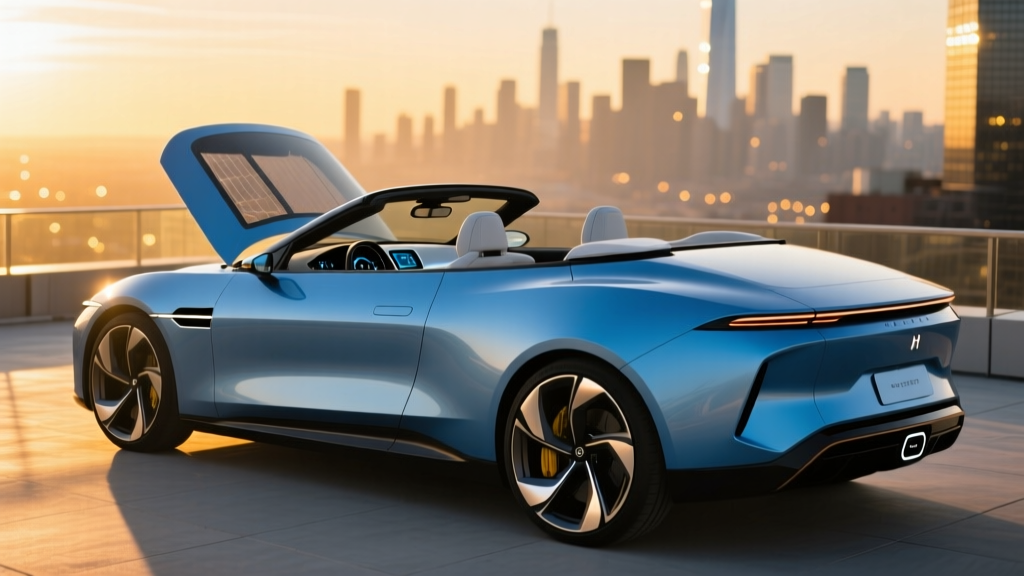
If you want a true cabriolet electric vehicle in 2026, your options are limited but growing. The MINI Cooper SE Convertible remains the most accessible pure-electric cabriolet at roughly $37,000 MSRP, offering an EPA-estimated 114 miles of range. The Mercedes-Benz EQS 580 Cabriolet (announced for late 2026) targets the luxury segment with an estimated 300+ miles of range and a price above $120,000. For now, buyers wanting open-air electric driving face a trade-off: affordable but short-range, or premium with more range but at a steep cost. Plug-in hybrid convertibles like the Mercedes-AMG CLE 53 Cabriolet offer a bridge option with ~30 miles of electric-only range before the gas engine kicks in.
The Current Cabriolet Electric Landscape
The electric convertible segment is one of the thinnest in the EV market. Engineering a battery-electric cabriolet is genuinely difficult: removing the fixed roof compromises structural rigidity, which means automakers must add reinforcement elsewhere — adding weight to a vehicle already carrying a heavy battery pack. This engineering tension explains why the segment has been slow to develop compared to electric sedans and SUVs.
As of early 2026, here is what you can actually buy or order in the U.S. market:
| Model | Powertrain | EPA Range (EV) | Battery | 0-60 mph | Base MSRP |
|---|---|---|---|---|---|
| MINI Cooper SE Convertible | BEV | 114 mi | 32.6 kWh (NMC) | 7.3 sec | $37,400 |
| Mercedes-Benz EQS Cabriolet (announced) | BEV | ~310 mi (est.) | 108.4 kWh (NMC) | ~4.2 sec (est.) | $122,000 (est.) |
| Mercedes-AMG CLE 53 Cabriolet | PHEV | ~30 mi (EV only) | 25.4 kWh (NMC) | 4.4 sec | $78,500 |
| Fiat 500e Cabrio (limited markets) | BEV | 149 mi | 42 kWh (NMC) | 9.0 sec | $36,500 |
That's essentially the full menu. For comparison, the broader EV market offers over 60 battery-electric models across body styles. The cabriolet electric niche demands patience or compromise.
Range, Charging, and Real-World Expectations
The MINI Cooper SE Convertible is the most attainable cabriolet electric car, but its 114-mile EPA range is its defining limitation. In real-world driving, expect closer to 90–100 miles on the highway at 70+ mph, and potentially 75–85 miles in cold weather (below 40°F) when the cabin heater draws heavily from the 32.6 kWh battery. This is a city-and-suburbs vehicle, not a road-tripper.
MINI Cooper SE Convertible — Range Reality Check
EPA sticker: 114 miles | Real-world highway: ~95 miles | Cold weather (30°F): ~80 miles
Efficiency: 110 MPGe combined / 30 kWh per 100 miles (fueleconomy.gov)
Charging specs for the MINI:
- Level 2 (AC): 7.4 kW max — 0-100% in approximately 4.5 hours on a home wallbox
- DC fast charging: 50 kW peak (CCS connector) — 10-80% in roughly 35 minutes
- Level 1 (120V household): ~1.4 kW — adds roughly 4 miles per hour of charging
The 50 kW DC fast-charge rate is slow by 2026 standards (most mainstream EVs peak at 150–250 kW), but it's acceptable for a car with a 32.6 kWh battery. You simply don't need 250 kW to fill a small pack. The charge curve holds near peak through about 60% State of Charge (SoC), then tapers — typical behavior for NMC chemistry.
For the Mercedes EQS Cabriolet (preliminary specs), Mercedes has indicated 200 kW DC fast-charge capability, which should deliver a 10-80% charge in approximately 28–32 minutes given the 108.4 kWh battery. This would make road-tripping viable on the Electrify America or Tesla Supercharger (with adapter) networks.
EV Cabriolet vs. Gas Convertible: Cost Comparison
Let's compare the cabriolet electric ownership proposition against a popular gas-powered rival. The BMW 228i Gran Coupe is not a convertible, so we'll use the Mazda MX-5 Miata (the benchmark affordable roadster) and the BMW Z4 sDrive30i as gas baselines.
| Factor | MINI Cooper SE Convertible (BEV) | Mazda MX-5 Miata (Gas) | BMW Z4 sDrive30i (Gas) |
|---|---|---|---|
| Base MSRP | $37,400 | $30,170 | $54,595 |
| Federal tax credit (§30D) | Up to $7,500 (see eligibility below) | $0 | $0 |
| Effective purchase price | ~$29,900 (if eligible) | $30,170 | $54,595 |
| Fuel/energy cost per mile | $0.04 (home charging, $0.14/kWh avg) | $0.15 (30 MPG, $3.75/gal) | $0.14 (28 MPG, $3.75/gal) |
| Annual energy cost (12,000 mi) | $480 | $1,800 | $1,680 |
| Annual maintenance (est.) | $300 | $650 | $900 |
| Insurance (annual avg) | $1,650 | $1,200 | $1,900 |
| 5-year total operating cost | ~$12,150 | ~$12,250 | ~$12,900 |
The numbers reveal a genuine insight: when the §30D tax credit applies, the MINI Cooper SE Convertible's effective purchase price undercuts the Miata, and its 5-year operating cost is essentially identical. The electric cabriolet wins on energy and maintenance savings but gives back some of that advantage on higher insurance premiums — a common EV ownership reality that buyers frequently overlook.
§30D Tax Credit Eligibility for 2026: The federal credit of up to $7,500 is not automatic. Per IRS guidelines, you must meet all of the following:
- Income cap: Modified AGI ≤ $150,000 (single) or ≤ $300,000 (joint)
- MSRP cap: Vehicle base price must not exceed $55,000 (sedans/convertibles) or $80,000 (SUVs/trucks)
- Battery sourcing: Required percentages of critical minerals and battery components must be sourced from the U.S. or free-trade-agreement partners — this narrows eligibility significantly
- Point-of-sale transfer: You can apply the credit at the dealer to reduce your purchase price directly, rather than waiting until tax filing
The MINI Cooper SE Convertible's MSRP clears the $55,000 cap easily, but battery sourcing requirements may reduce the credit to $3,750 (critical minerals only) or eliminate it entirely depending on your purchase date and MINI's supply-chain compliance. Always verify current eligibility on fueleconomy.gov before committing.
Real-World Ownership Considerations
Buying a cabriolet electric car involves practical decisions that go beyond spec sheets:
Home Charging Access
The MINI's 114-mile range is livable only with reliable home charging. A Level 2 home charger (240V, 32A circuit) delivers a full overnight charge in about 4.5 hours. Installation typically costs $800–$2,500 depending on whether your electrical panel has spare capacity. If you need a panel upgrade from 100A to 200A, add $1,500–$3,000. Without home charging, relying on 50 kW public DC chargers means 35-minute sessions every 2–3 days — feasible but tedious.
Climate and Seasonal Impact
Cabriolet owners already accept seasonal compromises. Add an EV battery, and cold weather cuts range by 15–30%. In Minneapolis or Boston winters, the MINI's effective range could drop to 75–85 miles. The cabin heater is the biggest energy draw — unlike a gas car, an EV has no waste heat from an engine to warm the cabin. A heat pump (standard on the EQS Cabriolet, not on the MINI) reduces this penalty substantially.
Driving Patterns
Ask yourself honestly: What is your typical daily mileage? If your commute is under 40 miles round-trip and you have home charging, a 114-mile range is plenty of buffer. If you regularly drive 60+ miles or take weekend highway trips, the MINI becomes stressful. The upcoming EQS Cabriolet solves the range problem but at a $120,000+ price point.
The Roof Mechanism and Weight
Electric cabriolets carry a weight penalty from both the battery pack and the power-retractable roof mechanism. The MINI Cooper SE Convertible weighs approximately 3,680 lbs — about 500 lbs more than the gas-powered MINI Convertible. That extra mass affects tire wear, braking distances, and handling feel. It's noticeable on twisty roads, though the low-slung battery keeps the center of gravity favorable.
Common Misconceptions About Cabriolet EVs
| Myth | Fact |
|---|---|
| "Electric convertibles don't exist" | They do — the MINI Cooper SE Convertible has been on sale since 2023, and Fiat offers the 500e Cabrio in select markets. The Mercedes EQS Cabriolet is announced for late 2026. |
| "The battery will die in a few years" | NMC batteries in modern EVs are warrantied for 8 years/100,000 miles with a capacity retention threshold of 70% or better. Real-world degradation data from Geotab's fleet study shows average annual loss of 1.8% — meaning a 114-mile range car would retain roughly 103 miles after 5 years. |
| "You can't take an EV convertible on a road trip" | With the MINI, road trips require planning around 50 kW DC charging stops every ~80 miles. Tedious but possible. The EQS Cabriolet's 200 kW charging and 300+ mile range will make road-tripping comparable to gas convertibles. |
| "EVs are cheaper to own in every way" | Insurance premiums for EVs run 15–25% higher on average. Upfront purchase prices (before tax credits) are typically higher. The total cost of ownership advantage depends on your mileage, electricity rates, and how long you keep the car. |
| "The roof makes EVs less safe" | Modern cabriolet engineering includes reinforced A-pillars and pop-up roll bars. EV battery packs mounted in the floor actually increase torsional rigidity, partially offsetting the missing roof structure. Always check IIHS and NHTSA ratings for specific models. |
Decision Framework: Should You Buy a Cabriolet Electric?
Choose a cabriolet electric car IF:
- Your daily driving is under 50 miles and you have home Level 2 charging
- You want a fun, efficient city/suburban open-air car and value lower per-mile energy costs
- You qualify for the §30D tax credit, bringing the effective price below comparable gas convertibles
- You live in a mild climate where cold-weather range loss won't be punishing
- You're willing to plan charging stops for occasional longer drives
Stick with a gas or hybrid convertible IF:
- You regularly drive 60+ miles per day or take frequent highway road trips
- You lack home charging access and your area has sparse public DC charging
- You live in a cold climate and need reliable year-round range
- You want the broadest model selection — gas convertibles from Mazda, BMW, Porsche, and Mercedes offer dozens of options vs. two or three electric
- Your budget is under $35,000 — the used gas convertible market is far more developed than used EV convertibles
Consider a plug-in hybrid convertible IF:
- You want electric daily commuting (30 miles EV-only) with gas-engine range for weekend trips
- You want open-air driving now with more model options and don't mind occasional gas fill-ups
- The Mercedes-AMG CLE 53 Cabriolet fits your budget and performance expectations
What's Coming Next for Electric Convertibles
The cabriolet electric segment will expand as battery energy density improves and solid-state batteries approach production. Higher energy density means less battery mass, which eases the structural engineering challenge of roofless EVs. Porsche has hinted at a next-generation Boxster EV, and several Chinese automakers (BYD, MG) have shown electric roadster concepts, though U.S. availability remains uncertain.
For 2026 buyers, the honest reality is that the cabriolet electric market offers one affordable option (MINI), one upcoming luxury option (Mercedes EQS), and a PHEV bridge (CLE 53). If none of those fit your needs, the smartest move may be to wait 18–24 months for the segment to mature — or to consider a glass-roof EV like the Tesla Model 3 or Hyundai Ioniq 5, which offer open, airy cabins without the engineering compromises of a retractable soft top.
Frequently Asked Questions
Is there a Tesla cabriolet or convertible?
No. Tesla has never produced a convertible model. The Tesla Roadster (announced in 2017, still unreleased as of 2026) was originally shown with a removable glass roof panel, not a retractable soft top. It remains unavailable for purchase.
How much does it cost to charge a cabriolet electric car at home?
For the MINI Cooper SE Convertible's 32.6 kWh battery, a full charge from 0-100% at the U.S. average residential rate of $0.14/kWh costs approximately $4.56. That buys you roughly 114 EPA miles — about 4 cents per mile. Compare that to a gas convertible at 28 MPG and $3.75/gallon, which costs about 13.4 cents per mile.
Do electric convertibles have worse range with the top down?
Yes, slightly. Open-top driving increases aerodynamic drag, which reduces efficiency by roughly 5–10% at highway speeds. In a car with 114 miles of range, that translates to a loss of about 6–11 miles. At city speeds (under 40 mph), the effect is negligible.
What's the battery warranty on cabriolet EVs?
Federal law mandates that EV battery warranties cover at least 8 years or 100,000 miles. MINI covers its battery for 8 years/100,000 miles with a 70% capacity retention guarantee. Mercedes typically offers the same terms. If your battery degrades below that threshold, the manufacturer must repair or replace it at no cost.
Can I install a home charger in my garage for an electric convertible?
Yes, assuming your electrical panel has capacity. A Level 2 charger requires a dedicated 240V circuit (typically 32A or 40A). Most homes with a 200A panel can accommodate this. Hire a licensed electrician to assess your panel, run the circuit, and pull permits. Expect to pay $500–$1,200 for the charger hardware (e.g., ChargePoint Home Flex, Emporia Vue) and $800–$2,500 for installation.
Are cabriolet electric cars good in the rain?
Modern electric cabriolet soft tops are well-sealed and perform comparably to gas convertible roofs in rain. The battery pack and all high-voltage components are sealed to IP67 or higher standards, meaning they can withstand submersion. Driving an EV convertible in the rain is no different from a gas convertible — the electric powertrain introduces no additional water-safety concerns.