The Short Answer: BYD Passenger EVs Are Not Sold in the United States
If you've been searching for whether BYD is for sale in the USA, the answer as of 2026 is straightforward: BYD does not sell passenger electric vehicles to US consumers. There are no BYD dealerships, no US-spec models, and no EPA-certified BYD cars or SUVs available for purchase anywhere in the country.
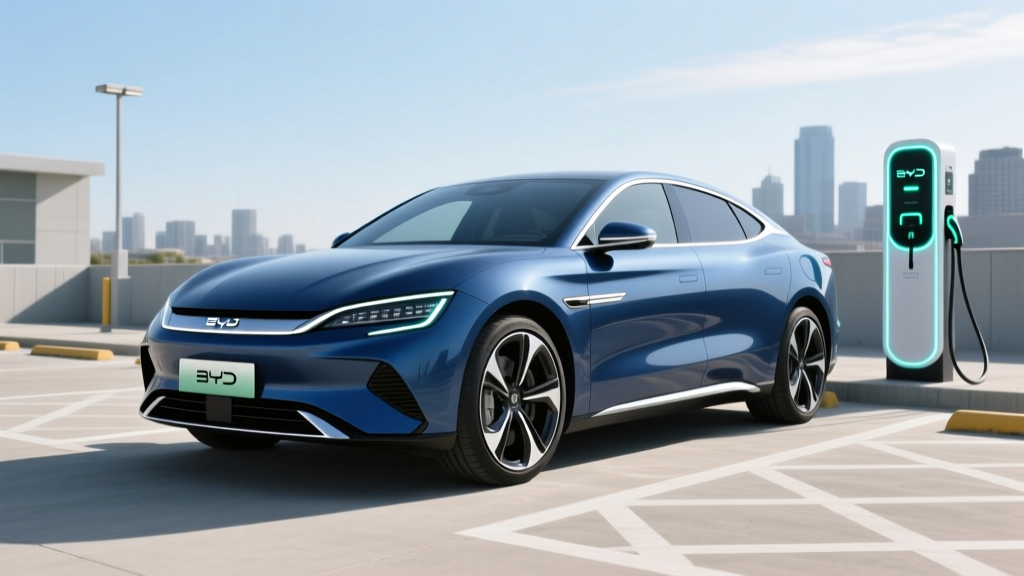
BYD — which stands for Build Your Dreams — is the world's largest producer of plug-in electric vehicles (including BEVs and PHEVs), having sold over 3 million new-energy vehicles globally in 2024 alone. The company offers a full lineup of competitive electric cars, SUVs, and even a sports sedan that rivals the Tesla Model 3 in global markets. Yet American buyers cannot access any of them.
This guide explains exactly why BYD remains absent from the US market, examines the models that would compete here if they could, explores the tariff and regulatory barriers involved, and outlines what realistic alternatives exist for US-based EV shoppers drawn to BYD's value proposition.
Why BYD Doesn't Sell Cars in America: Tariffs, Regulation, and Geopolitics
BYD's absence from the US isn't a product-quality issue — it's a structural and political one. Three major barriers prevent BYD from entering the American passenger vehicle market:
1. The 100% Tariff on Chinese-Made EVs
In May 2024, the Biden administration announced a dramatic increase in Section 301 tariffs on Chinese electric vehicles, raising the rate from 25% to 100%. This tariff, which remained in effect through 2025 and into 2026, effectively doubles the cost of any Chinese-manufactured EV imported to the United States. A BYD Seal that sells for the equivalent of $38,000 in China would carry roughly $38,000 in tariff costs alone before shipping, compliance, and dealer markup — making it economically unviable.
According to the White House fact sheet on trade actions, the tariff specifically targets EVs to protect domestic manufacturing and address what the administration described as unfair trade practices.
2. Federal Safety and Emissions Certification
Any vehicle sold in the US must meet Federal Motor Vehicle Safety Standards (FMVSS) administered by NHTSA. China's domestic safety standards (GB standards) differ significantly from FMVSS requirements in areas including crash-test protocols, lighting, airbag deployment, and child-seat anchorage. BYD would need to engineer US-specific variants of every model — a massive investment with uncertain returns given the tariff barrier.
3. Geopolitical and National Security Concerns
Beyond tariffs, Chinese EVs face scrutiny over data security, connected-car telemetry, and supply-chain transparency. In 2024, the US Commerce Department proposed rules to ban Chinese- and Russian-made connected vehicle hardware and software — a regulation that would affect any BYD model's infotainment and telematics systems. Combined with existing restrictions on Huawei and ZTE technology, the regulatory environment makes US market entry extremely challenging.
BYD Models US Buyers Are Missing: A Spec Breakdown
While you can't buy them stateside, here's a look at BYD's most globally competitive EVs — the models that would directly challenge Tesla, Hyundai, and others if they could reach American driveways. All specs reflect 2025/2026 global-market configurations.
| Model | Type | Battery (kWh) | Chemistry | WLTP Range | 0-100 km/h | Max DC Charge | Global Price (USD equiv.) |
|---|---|---|---|---|---|---|---|
| BYD Seal | Sedan | 82.5 kWh | LFP (Blade) | 570 km (~354 mi) | 3.8s (AWD) | 150 kW | ~$38,000–$48,000 |
| BYD Atto 3 (Yuan Plus) | Compact SUV | 60.5 kWh | LFP (Blade) | 420 km (~261 mi) | 7.3s | 88 kW | ~$30,000–$36,000 |
| BYD Dolphin | Hatchback | 60.4 kWh | LFP (Blade) | 427 km (~265 mi) | 7.0s | 88 kW | ~$26,000–$32,000 |
| BYD Han EV | Full-size sedan | 85.4 kWh | LFP (Blade) | 521 km (~324 mi) | 3.9s (AWD) | 150 kW | ~$42,000–$55,000 |
| BYD Tang EV | 3-row SUV | 108.8 kWh | LFP (Blade) | 530 km (~329 mi) | 4.6s (AWD) | 170 kW | ~$50,000–$60,000 |
Important note on range figures: The range numbers above use the WLTP testing cycle, which tends to produce 10–20% higher estimates than the US EPA cycle. If BYD sold the Seal in the US, a realistic EPA estimate would likely fall in the 280–310 mile range, based on typical WLTP-to-EPA conversion ratios. Real-world highway driving at 70+ mph and in cold weather would reduce that further — expect 230–260 miles on a road trip in winter conditions.
What About BYD Commercial Vehicles in the US?
BYD does have a limited US presence — just not in passenger cars. The company operates a BYD Motors division based in Lancaster, California, that manufactures and sells battery-electric transit buses, school buses, and heavy-duty trucks for fleet operators. These commercial vehicles are assembled in the US and comply with applicable federal regulations for their vehicle class.
However, BYD's US commercial operations have also faced challenges. In 2024, the National Defense Authorization Act included provisions restricting federal funding for BYD electric buses, reflecting broader concerns about Chinese state-linked companies in critical infrastructure. For individual consumers, this commercial footprint has zero relevance — you cannot walk into a BYD facility and purchase a passenger car.
Could BYD Enter the US Market by Building a Factory?
A common question is whether BYD could bypass tariffs by manufacturing vehicles in the US or Mexico. Here's the current landscape:
US Factory: No Announced Plans
As of early 2026, BYD has not announced any plans to build a passenger vehicle assembly plant in the United States. Building a greenfield auto factory requires a multi-billion-dollar investment, years of lead time, and a dealer network — all extremely risky given the volatile political environment for Chinese automakers.
Mexico: Under Consideration, But Complicated
BYD has explored building a manufacturing facility in Mexico, which could theoretically allow vehicles to enter the US under USMCA trade rules. However, US lawmakers have pushed to close this potential loophole, and any Mexico-built BYD would still face scrutiny over Chinese-made battery cells, motors, and software. Even with a Mexican assembly plant, the critical-mineral and battery-component sourcing rules under the IRS §30D tax credit would almost certainly disqualify BYD vehicles from the $7,500 federal incentive — meaning they'd face a significant competitive disadvantage against domestically produced EVs.
Brazil and Southeast Asia: BYD's Actual Expansion Focus
Rather than fighting US trade barriers, BYD has focused its international factory investments on Brazil (a $3 billion plant complex in Camaçari), Thailand, Hungary, Indonesia, and Turkey. These markets welcome Chinese EV investment and don't impose the tariff walls that the US does.
Best Alternatives to BYD for US EV Buyers in 2026
If BYD's value proposition — competitive range, LFP battery durability, and aggressive pricing — appeals to you, here are the closest US-market alternatives across BYD's key segments:
| BYD Model | US Alternative | EPA Range | Starting MSRP | Federal Tax Credit |
|---|---|---|---|---|
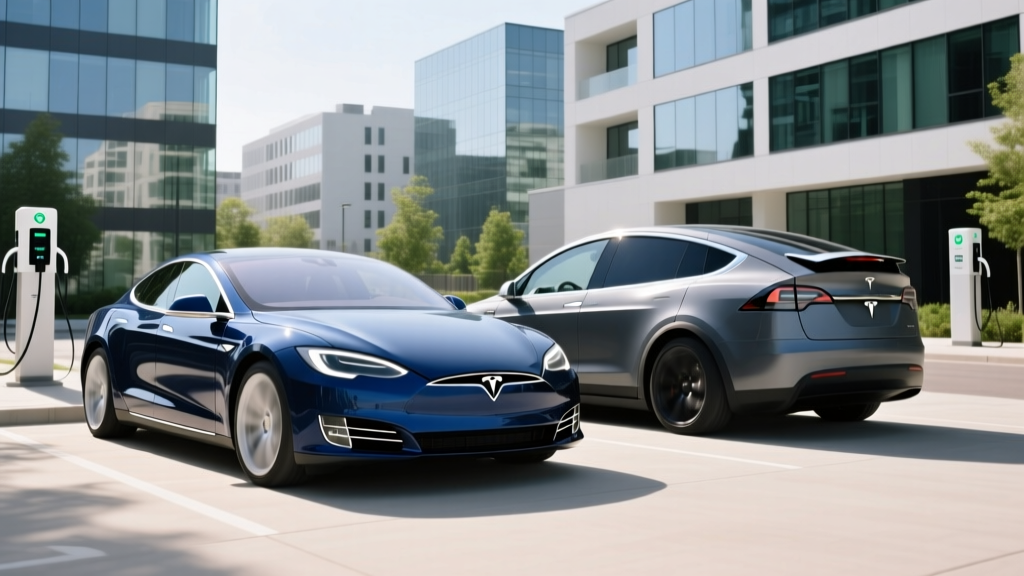
| BYD Seal (sedan) | Tesla Model 3 RWD | 272 mi (LFP) | $38,990 | $7,500 (point-of-sale) |
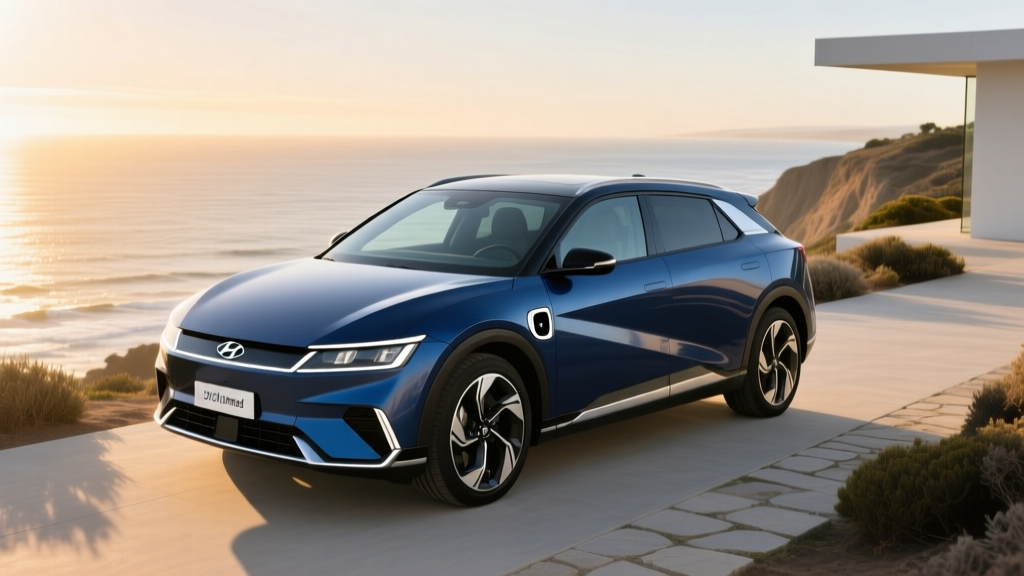
| BYD Atto 3 (compact SUV) | Hyundai Kona Electric | 261 mi | $32,975 | $7,500 (point-of-sale) |
| BYD Dolphin (hatchback) | Nissan Leaf / Chevy Bolt EV (used) | 212 mi (Leaf SV+) | $28,140 (Leaf) | Up to $4,000 used EV credit |
| BYD Han EV (full-size sedan) | Hyundai Ioniq 6 / Tesla Model 3 LR AWD | 361 mi (Ioniq 6 SE) | $37,500 (Ioniq 6) | $7,500 (Ioniq 6, point-of-sale) |
| BYD Tang EV (3-row SUV) | Kia EV9 / Tesla Model Y LR | 304 mi (EV9 LR RWD) | $54,900 (EV9) | $7,500 (EV9, point-of-sale) |
The Bottom Line: Is BYD Worth Waiting For?
Based on the current trade, regulatory, and geopolitical landscape, there is no realistic timeline for BYD passenger EVs to become available in the United States. The 100% tariff makes direct import economically impossible, the FMVSS certification gap requires years of engineering investment, and the political environment shows no signs of softening toward Chinese automakers.
US buyers interested in the value, LFP battery technology, and competitive range that BYD offers globally are better served by current US-market options — particularly the Tesla Model 3 (which also uses LFP cells in its base trim), Hyundai Kona Electric, and the expanding lineup of affordable EVs from legacy and startup manufacturers.
If the trade environment shifts — whether through a US factory announcement, a change in tariff policy, or a USMCA-compliant Mexico plant — we'll update this guide. For now, BYD remains a fascinating global competitor that American EV shoppers can admire but cannot buy.
Frequently Asked Questions
Can I import a BYD vehicle from China or Europe on my own?
Practically, no. Importing a vehicle that hasn't been certified to FMVSS standards is extremely difficult for individuals. The vehicle would need to be modified by a registered importer, pass crash-test equivalency, and clear customs — a process that typically costs $10,000–$30,000+ and can take months or years. Even then, the 100% tariff still applies. It is not a viable path for consumer purchase.
Does BYD sell any products I can buy in the US?
BYD sells battery-electric buses and commercial trucks to fleet operators through its Lancaster, California facility. For consumers, BYD also sells some battery energy storage products and solar panels internationally, though US consumer availability of these products is limited. There are no BYD passenger cars, SUVs, or trucks available to individual US buyers.
Will BYD ever sell cars in America?
There is no announced plan or timeline. BYD's global expansion strategy currently focuses on markets with favorable trade terms — Southeast Asia, Latin America, Europe (via its Hungary factory), and the Middle East. The US tariff structure, safety-certification requirements, and geopolitical climate make near-term entry unlikely. If conditions change, BYD's most plausible entry route would be through a Mexico-based factory, but even that faces legislative headwinds.
Why are BYD EVs so much cheaper than US-market EVs?
BYD's pricing advantage stems from vertical integration (BYD manufactures its own batteries, motors, and semiconductors), lower labor costs in China, massive production scale, and aggressive government subsidies for the Chinese EV industry. A BYD Dolphin selling for ~$26,000 globally would likely need to price at $40,000+ in the US after accounting for tariffs, shipping, compliance modifications, and dealer margins — eliminating much of the cost advantage.
Is BYD's Blade Battery technology available in any US-market EV?
Not directly. BYD's Blade Battery is proprietary. However, the LFP chemistry that underpins it is used in US-market vehicles including the Tesla Model 3 RWD and certain Tesla Model Y variants. Other manufacturers are also adopting LFP packs — Ford has introduced LFP batteries in some Mustang Mach-E trims, and several automakers have announced LFP plans for future affordable models. The core benefits of LFP (longevity, thermal stability, cobalt-free sourcing) are becoming available through non-BYD channels.