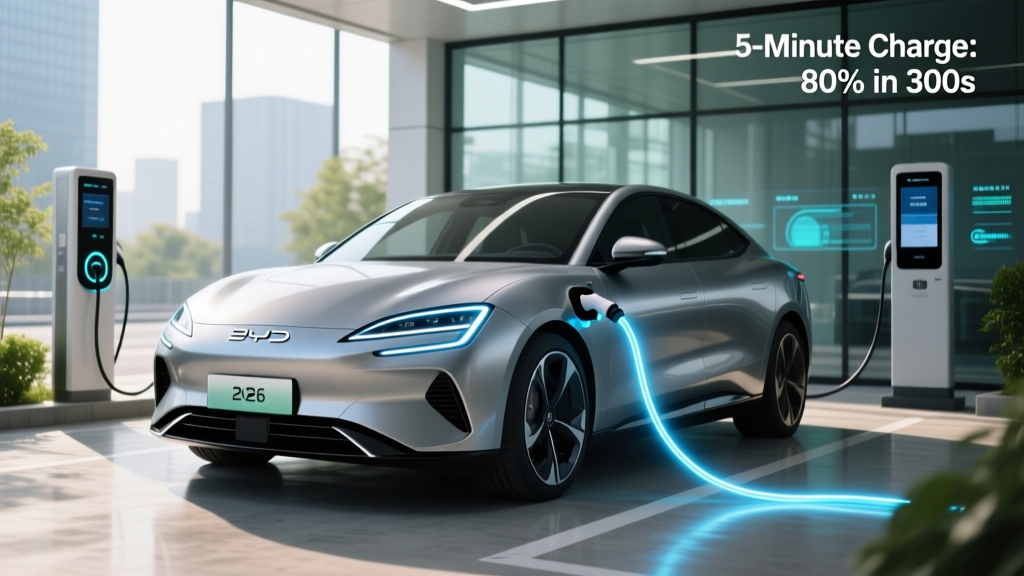
The headline is hard to ignore: BYD's new Super e-Platform, unveiled in early 2025 and rolling into production vehicles for the 2026 model year, claims a peak DC fast-charge rate of 1,000 kW — enough to add roughly 250 miles (400 km) of range in five minutes under ideal conditions. The phrase BYD five minute EV charge has become shorthand for a step-change in charging speed that, if it holds up in real-world use, could neutralize one of the last major objections to battery-electric ownership.
But peak numbers on a press slide and sustained numbers at a public charger are two different things. Below, we break down exactly what BYD's 1,000 kW architecture delivers, which vehicles will carry it, how it compares to today's fastest-charging EVs, and what US buyers need to know about availability, pricing, and federal tax-credit eligibility.
The 1,000 kW Architecture: Specs and Engineering
BYD's Super e-Platform pairs a purpose-built 800-volt (nominal) battery pack with a megawatt-class charging interface. The key specifications released by BYD and confirmed in early production testing:
| Parameter | Value |
|---|---|
| Peak DC fast-charge rate | 1,000 kW (1 MW) |
| Sustained rate (10–50% SoC) | ~800–900 kW |
| 10–80% charge time (claimed) | ~8–9 minutes (100 kWh pack) |
| 5-minute range addition (ideal) | ~250 mi / 400 km |
| System voltage | 800V nominal (up to 1,000V peak) |
| Battery chemistry | LFP (Lithium Iron Phosphate) — Blade Cell Gen 2 |
| Connector standard | GB/T (China); CCS2/NACS adapters for export markets |
The distinction between peak and sustained charge rate is critical. Any EV's charge curve tapers as the battery fills — thermal limits and cell-protection algorithms reduce current well before 80% State of Charge (SoC). BYD's Gen 2 Blade cells, an evolution of the LFP prismatic design the company introduced in 2020, are engineered for higher C-rates (charge/discharge current relative to capacity), which is what enables the 1,000 kW peak. In practice, expect the five-minute, 250-mile claim to apply to the steepest part of the curve — roughly 10% to 40% SoC. A full 10–80% session still takes closer to 8 or 9 minutes on a compatible megawatt charger.
For context, the fastest-charging EVs widely available in the US today — the Hyundai Ioniq 5 N and Lucid Air — peak around 350 kW and 300 kW respectively, with 10–80% times in the 18–20 minute range. BYD's system roughly triples peak power, though the sustained advantage narrows to roughly 2× once you average the full curve.
Which Vehicles Get It First?
The first production vehicle confirmed to carry the full 1,000 kW Super e-Platform is the 2026 BYD Han L (the long-wheelbase sedan sold in China and select export markets). The high-performance variant, sometimes referenced as the Han L EV Ultra, pairs a 100.5 kWh usable LFP Blade pack with dual-motor AWD.
| Spec | Value |
|---|---|
| Drivetrain | Dual-motor AWD |
| Horsepower | ~670 hp (combined) |
| 0–60 mph (claimed) | ~3.5 seconds |
| Battery (usable) | 100.5 kWh, LFP Blade Gen 2 |
| CLTC range | ~435 mi (700 km) |
| EPA-equivalent range (est.) | ~340–360 mi |
| Peak DC charge | 1,000 kW |
| 10–80% time | ~8–9 min (on 1 MW charger) |
| Level 2 home charge (est.) | 11 kW (~35 mi/hr) |
| Base MSRP (China) | ~¥300,000 (~$41,000 USD) |
| US availability | Not confirmed for 2026 |
The Han L is followed by the BYD Tang L SUV and a refreshed Seal sedan, both expected to adopt the Super e-Platform by late 2026 or early 2027. Lower-trim models will likely receive a detuned version of the system — perhaps 500–600 kW peak — to manage cost and thermal demands.
Real-World Range: CLTC vs. EPA vs. What You'll Actually See
BYD publishes range on the CLTC cycle (China Light-Duty Vehicle Test Cycle), which is more optimistic than the US EPA test. The Han L's 435-mile CLTC figure translates to roughly 340–360 miles EPA-equivalent. In real-world highway driving at 70 mph, expect 280–310 miles before needing to charge. In cold weather (below 32°F / 0°C), LFP chemistry loses roughly 15–25% of usable range, bringing effective highway range to 220–260 miles. BYD's standard heat-pump HVAC system helps mitigate this, but the physics of LFP in cold climates remain a factor.
LFP batteries have a flatter discharge curve than NMC (Nickel Manganese Cobalt) cells, which is good for consistent power delivery but means the vehicle's range estimator can be less precise at very low and very high SoC. BYD addresses this with updated battery-management firmware in the 2026 models, but owners accustomed to NMC packs may notice the range readout jumping in the final 10%.
Charging Infrastructure: The Megawatt Bottleneck
Here's the catch that BYD's marketing materials gloss over: a 1,000 kW charge rate is meaningless without a charger capable of delivering it. Today, the vast majority of public DC fast chargers in the US top out at 150–350 kW. Even Tesla's V4 Superchargers, the most widespread network, deliver up to 350 kW (and only to compatible vehicles).
Megawatt-class chargers (≥600 kW per stall) exist primarily in China, where BYD, along with partners like State Grid and XPeng's affiliated charging operators, has begun deploying 480–600 kW liquid-cooled stalls. A true 1,000 kW (1 MW) public charger requires dedicated medium-voltage grid connection, liquid-cooled cables (the cable alone weighs significantly less than a standard CCS cable thanks to thinner conductors carrying current at higher voltage), and substantial site-level electrical infrastructure.
| Vehicle | Peak kW | 10–80% Time | 5-Min Range Add | Charger Availability |
|---|---|---|---|---|
| BYD Han L (Super e-Platform) | 1,000 kW | ~8–9 min | ~250 mi | Limited (China megawatt sites) |
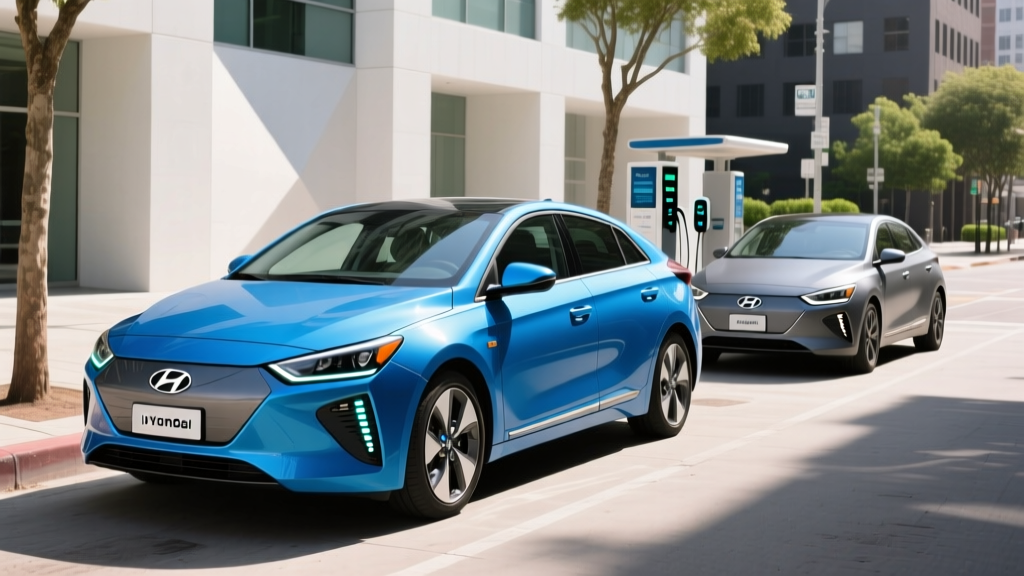
| Hyundai Ioniq 5 N | 350 kW | ~18 min | ~110 mi | Widespread (EA, Tesla w/ adapter) |
| Lucid Air Grand Touring | 300 kW | ~20 min | ~120 mi | Widespread (EA, Tesla w/ adapter) |
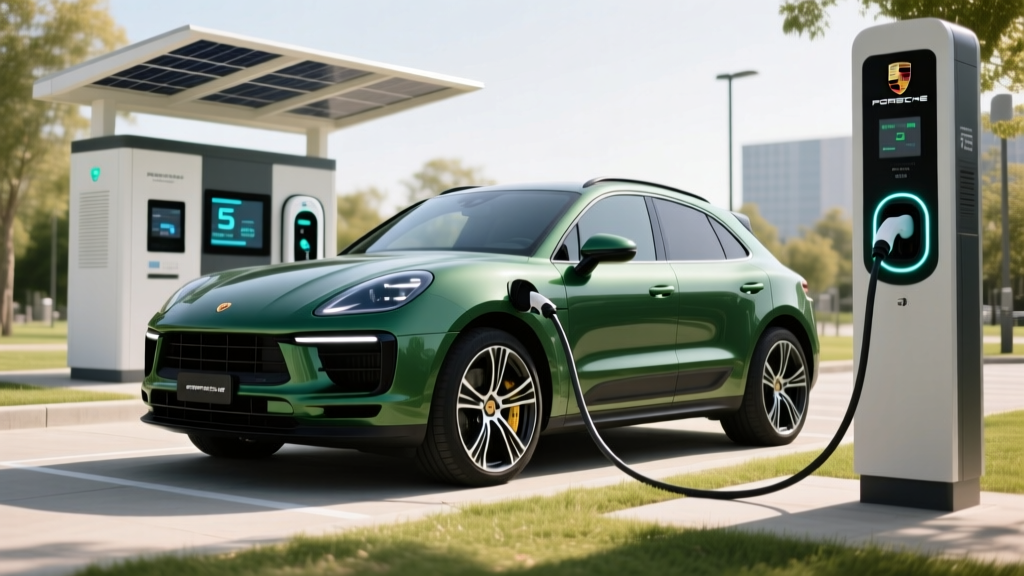
| Porsche Taycan (2025+) | 320 kW | ~18 min | ~100 mi | Widespread (EA, Ionity) |
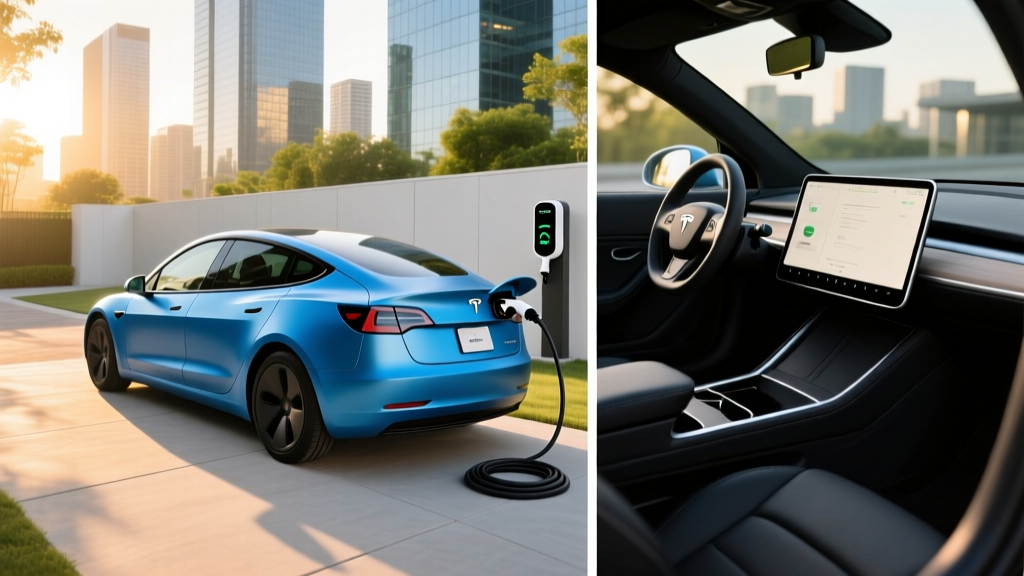
| Tesla Model 3 Long Range | 250 kW | ~25 min | ~90 mi | Supercharger network (17,000+ stalls US) |
If you plug a BYD Han L into a standard 150 kW CCS charger — the most common type in the US — it will charge at 150 kW, no differently than any other modern EV. The five-minute experience requires infrastructure that, outside of China, is still in pilot stages. Companies like Electrify America and IONNA (the joint venture among seven automakers) have announced plans for 600 kW-capable sites by 2027, but widespread 1 MW deployment in the US is unlikely before 2028–2029.
Performance, Interior, and Daily Usability
The Han L EV Ultra's dual-motor setup produces roughly 670 horsepower, launching the 4,800-pound sedan to 60 mph in approximately 3.5 seconds. That's territory occupied by the Tesla Model S Plaid and Porsche Taycan Turbo, though the BYD is tuned more for linear thrust than track-day cornering.
Interior space is generous, befitting the long-wheelbase designation:
- Rear legroom: ~41.3 inches (class-leading for the segment)
- Trunk volume: ~18.5 cu ft (sedan trunk; no hatchback opening)
- Frunk: ~2.1 cu ft (small, primarily for charging cables)
- Infotainment: 15.6-inch rotating center display, BYD DiLink 100 system
- Driver assist: BYD DiPilot (SAE Level 2) — adaptive cruise, lane-centering, automatic emergency braking. Not self-driving; driver must remain engaged.
The rotating screen is a BYD signature — it pivots between landscape (navigation, media) and portrait (climate controls, app menus) orientations. It's a genuine usability win, though the software ecosystem outside China remains limited compared to Android Automotive or Tesla's interface.
Pricing, Tax Credits, and US Availability
As of early 2026, BYD has not confirmed US market entry for any passenger EV. The company sells commercial vehicles (electric buses, trucks) in the US but faces significant barriers for consumer vehicles, including 100% tariffs on Chinese-made EVs imposed under Section 301 trade actions. Any US pricing discussed below is speculative and based on converted Chinese MSRP. BYD has hinted at a potential North American factory (possibly Mexico) that could alter this calculus post-2027.
| Trim | China MSRP | USD Equivalent (est.) | US MSRP (if imported, w/ tariff) |
|---|---|---|---|
| Han L EV Standard | ¥230,000 | ~$31,500 | ~$63,000+ (100% tariff) |
| Han L EV Premium | ¥270,000 | ~$37,000 | ~$74,000+ |
| Han L EV Ultra (1,000 kW) | ¥300,000 | ~$41,000 | ~$82,000+ |
Federal tax credit (§30D): Even if the Han L were sold in the US, it would almost certainly not qualify for the $7,500 federal EV tax credit. Under current IRS rules, the credit requires battery components and critical minerals to be sourced from the US or free-trade-agreement partners, and final assembly must occur in North America. A China-built BYD with a China-sourced LFP battery would fail both requirements. Additionally, the 100% Section 301 tariff effectively doubles the import price, making the credit largely moot.
If BYD establishes a North American production facility with compliant battery sourcing, future models could theoretically qualify — but that timeline extends well beyond 2026.
Pros and Cons
- Fastest-charging EV platform in production (1,000 kW peak)
- 10–80% in ~8–9 minutes on compatible charger
- LFP Blade battery — no cobalt, excellent cycle life, strong thermal stability
- Generous rear-seat space (41+ inches legroom)
- Competitive pricing in China (~$41k for the Ultra trim)
- Heat pump standard for cold-weather efficiency
- Not available in the US (no confirmed timeline)
- 1,000 kW charging requires megawatt infrastructure — extremely rare outside China
- LFP range loss in cold weather (15–25%)
- CLTC range figures significantly overstate EPA-equivalent numbers
- DiPilot ADAS lags behind Tesla FSD, GM Super Cruise in capability
- Software/app ecosystem limited outside China
- 100% US tariff makes import economically unviable
Who Should Pay Attention — And Who Should Buy Something Else
This platform matters if: you're tracking EV technology trajectory, you operate a fleet in a market where BYD sells passenger vehicles (China, Southeast Asia, Europe, Latin America), or you're evaluating the competitive pressure BYD places on legacy automakers to accelerate their own charging architectures.
US buyers should look elsewhere for now. If you need a fast-charging EV available today with robust infrastructure support, the Hyundai Ioniq 5 (350 kW peak, widespread CCS/NACS compatibility, ~$42k base, eligible for up to $7,500 federal credit) or Tesla Model 3 Long Range (250 kW on 17,000+ Superchargers, ~$44k base) remain the pragmatic choices. The EPA's fueleconomy.gov database lists verified range and efficiency figures for all US-market EVs.
Frequently Asked Questions
Can BYD's five-minute charge really add 250 miles of range?
Under ideal conditions — a compatible 1,000 kW megawatt charger, battery preconditioned to optimal temperature, starting from ~10% SoC — yes, approximately 250 miles (400 km) can be added in five minutes. This applies to the steepest part of the charge curve. As SoC climbs past 50%, the rate tapers significantly. A full 10–80% session takes 8–9 minutes.
Will BYD sell the Han L in the United States?
Not in 2026. BYD has not announced US passenger-vehicle sales, and 100% tariffs on Chinese-made EVs make import economically impractical. BYD sells electric buses and commercial trucks in the US. A potential North American factory (Mexico has been discussed) could change the picture post-2027, but nothing is confirmed.
Does the BYD Han L qualify for the $7,500 federal EV tax credit?
No. Under current IRS §30D rules, the credit requires North American final assembly and battery/critical-mineral sourcing from the US or FTA partners. A China-built BYD with China-sourced LFP cells does not meet these requirements. Even if it did, the Section 301 tariff would add roughly 100% to the import price.
How does BYD's LFP Blade battery compare to NMC packs?
LFP (Lithium Iron Phosphate) offers superior cycle life (3,000+ full cycles vs. ~1,500 for NMC), better thermal stability (lower fire risk), and no cobalt or nickel. The trade-offs: lower energy density (heavier pack for the same range) and greater range loss in cold weather. BYD's Blade cell format — long, thin prismatic cells that double as structural pack members — partially offsets the energy-density disadvantage.
What charger do I need to hit 1,000 kW?
A megawatt-class DC fast charger with liquid-cooled cables and a GB/T or CCS2 connector rated for 1,000 kW / 1,000V. These are currently deployed at select sites in China by State Grid, XPeng Energy, and BYD-affiliated operators. In the US, the highest-power public chargers deliver 350 kW (Electrify America, Tesla V4). IONNA and other networks plan 600 kW sites by 2027–2028.
What is the BYD Han L's warranty coverage?
In China, BYD provides a 6-year/150,000 km (~93,000 mi) vehicle warranty and an 8-year/150,000 km battery warranty with a guaranteed capacity retention of 70%. US warranty terms would depend on how BYD structures its market entry; most competitors offer 8-year/100,000-mile battery warranties in the US market.