Search interest around the BYD F1 team reflects growing curiosity about BYD's global ambitions — from Formula 1 sponsorship speculation to the company's rapid ascent as the world's largest producer of new-energy vehicles (NEVs). But for US-based EV shoppers, the real question is practical: can you actually buy a BYD electric vehicle in America in 2026, and if not, what should you drive instead?
This article unpacks BYD's current global EV lineup, the tariff and regulatory barriers blocking US sales, the motorsport connection driving the "BYD F1 team" search, and — most importantly — the best available alternatives for American buyers who want BYD-like value from brands you can actually purchase and service stateside.
BYD's Global EV Lineup: Specs That Turn Heads
BYD (Build Your Dreams) manufactures some of the most aggressively priced electric vehicles on the planet. Their 2025–2026 global portfolio spans compact hatchbacks to full-size SUVs, all built on the company's proprietary e-Platform 3.0 and powered by BYD's in-house Blade Battery — a lithium iron phosphate (LFP) cell design renowned for thermal stability and longevity.
| Model | Battery (kWh) | WLTP Range | 0–100 km/h | Peak DC kW | Approx. Global Price |
|---|---|---|---|---|---|
| Dolphin | 60.4 (LFP Blade) | 427 km (~265 mi) | 7.0s | 88 kW | ~$30,000 USD equiv. |
| Atto 3 (Yuan Plus) | 60.4 (LFP Blade) | 420 km (~261 mi) | 7.3s | 88 kW | ~$35,000 USD equiv. |
| Seal | 82.5 (LFP Blade) | 570 km (~354 mi) | 5.9s (RWD) / 3.8s (AWD) | 150 kW | ~$45,000 USD equiv. |
| Seal U | 87.0 (LFP Blade) | 500 km (~311 mi) | 8.9s | 140 kW | ~$48,000 USD equiv. |
| Han EV | 85.4 (LFP Blade) | 521 km (~324 mi) | 7.9s | 120 kW | ~$55,000 USD equiv. |
These figures are WLTP estimates, which tend to run 10–15% more optimistic than US EPA ratings. If BYD sold the Seal in the US, a realistic EPA estimate would land around 290–310 miles for the extended-range RWD variant.
The "BYD F1 Team" Connection: Motorsport Ambitions
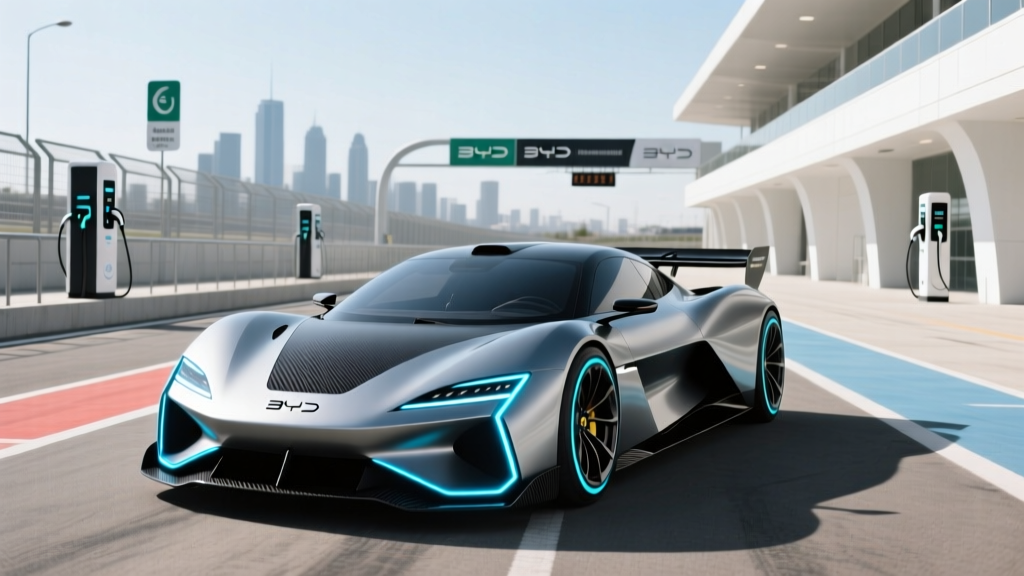
The search term "BYD F1 team" stems from BYD's expanding presence in global motorsport marketing and the persistent speculation that the company could become a power-unit supplier or title sponsor in Formula 1. BYD's sub-brand Yangwang unveiled the U9 electric supercar — producing over 1,287 horsepower and lapping the Nürburgring in under 7:20 — as a halo technology demonstrator. Meanwhile, BYD has become a sponsor of major sporting events worldwide, fueling rumors of an F1 tie-in.
As of early 2026, BYD is not an F1 team, constructor, or confirmed power-unit supplier. The company's motorsport activities remain focused on production-based EV demonstrations and regional racing series. However, the brand's engineering credibility — demonstrated by the Blade Battery's nail-penetration safety tests and the e-Platform 3.0's 800V architecture — is precisely what makes EV enthusiasts curious about BYD vehicles for daily driving, not just track-day theatrics.
Why You Can't Buy a BYD in the US (Yet)
Despite selling over 3 million NEVs globally in 2024 alone, BYD has no official US retail presence for passenger vehicles as of 2026. The barriers are substantial:
- Section 301 Tariffs: Chinese-manufactured EVs face a 100% tariff under US trade policy enacted in 2024, effectively doubling the sticker price of any imported BYD. A $35,000 Atto 3 would cost US buyers upward of $70,000 before any incentives — destroying the value proposition.
- §30D Tax Credit Ineligibility: Even if BYD established US sales, vehicles with battery cells or critical minerals sourced from a "foreign entity of concern" (FEOC) — which includes Chinese manufacturers — are disqualified from the $7,500 federal tax credit under current IRS rules.
- Dealer & Service Network: BYD has not announced plans for a US dealer network, meaning no certified service centers, no guaranteed parts supply chain, and significant resale-value risk for early adopters.
- Homologation: BYD's global models would require significant modifications to meet US safety standards (FMVSS), crash-test certification via NHTSA, and emissions/efficiency testing for EPA fueleconomy.gov ratings.
BYD has announced a commercial vehicle division operating in the US (electric buses and trucks manufactured in Lancaster, California), but this does not extend to consumer passenger cars or SUVs.
What US Buyers Should Drive Instead
If BYD's value proposition — affordable LFP batteries, competitive range, practical packaging — appeals to you, several vehicles currently on sale in the US deliver similar strengths. Here's how the closest alternatives stack up against BYD's global pricing and specs:
| US Model | EPA Range | Battery | Peak DC kW | 10–80% | 0–60 mph | Base MSRP | §30D Credit |
|---|---|---|---|---|---|---|---|
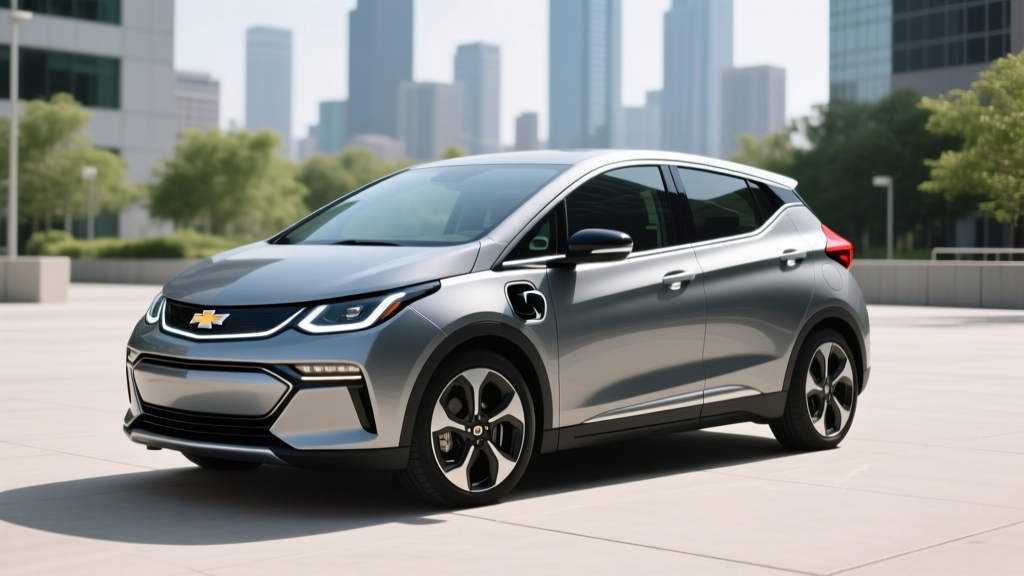
| Chevrolet Equinox EV 3LT | 319 mi | 85 kWh (NMC) | 150 kW | ~34 min | 8.0s | $33,600 | Eligible (partial) |
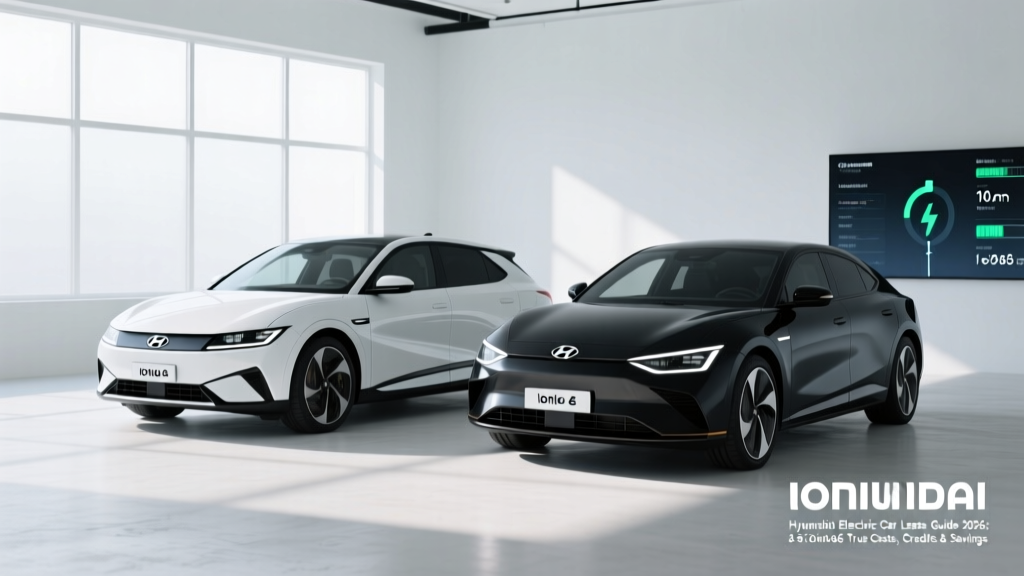
| Hyundai Ioniq 5 SE | 303 mi | 77.4 kWh (NMC) | 240 kW | ~18 min | 7.4s | $42,600 | Eligible (full $7,500) |
| Tesla Model 3 RWD | 272 mi | 60 kWh (LFP) | 170 kW | ~25 min | 5.8s | $38,990 | Eligible (partial) |
| Volkswagen ID.4 Pro | 291 mi | 82 kWh (NMC) | 170 kW | ~28 min | 7.7s | $40,995 | Eligible (full $7,500) |
| Kia EV6 Wind RWD | 310 mi | 77.4 kWh (NMC) | 240 kW | ~18 min | 7.2s | $43,700 | Eligible (full $7,500) |
Key takeaway: the Chevrolet Equinox EV comes closest to BYD's value equation — a sub-$34,000 starting price with 319 miles of EPA range. The Hyundai Ioniq 5 and Kia EV6 (which share the e-GMP 800V platform) crush BYD's global models on DC fast-charging speed, hitting peak rates of 240 kW versus BYD's 88–150 kW ceiling.
BYD Blade Battery Tech: LFP Done Right
BYD's Blade Battery deserves separate discussion because it represents the gold standard for LFP (lithium iron phosphate) cell design. Unlike conventional NMC (nickel manganese cobalt) chemistries, LFP offers:
- Thermal stability: The Blade cell passes nail-penetration tests without thermal runaway — a feat most NMC cells cannot match.
- Cycle life: LFP cells typically sustain 3,000+ full charge cycles before reaching 80% capacity retention, versus 1,000–2,000 cycles for NMC.
- 100% SoC tolerance: LFP batteries can be charged to 100% daily without the degradation concerns that plague NMC cells, making them ideal for commuters who need maximum range every morning.
- Lower energy density: The trade-off is bulk — LFP packs are heavier and physically larger per kWh, which limits range in smaller vehicle platforms.
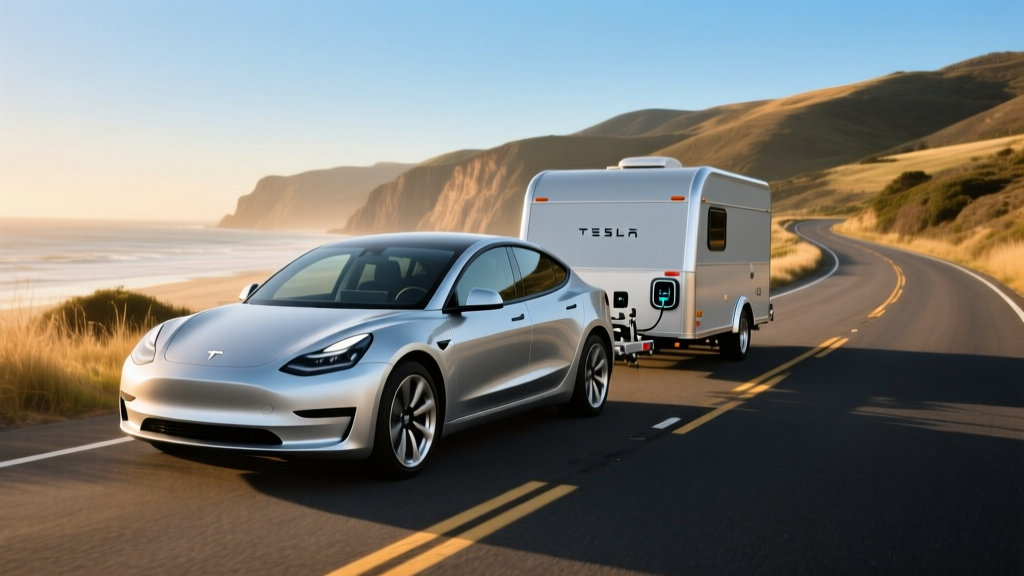
In the US market, Tesla's Model 3 RWD uses LFP cells (sourced from CATL, not BYD), and Ford's standard-range F-150 Lightning also employed LFP. The technology is proven and well-suited to buyers who prioritize longevity over maximum range.
Charging Speed Comparison: Where BYD Falls Short
One area where BYD's global models lag behind US-market competitors is DC fast-charging speed. Here's a practical comparison:
| Vehicle | Peak DC kW | 10–80% Time | Miles Added in 15 Min |
|---|---|---|---|
| BYD Dolphin (global) | 88 kW | ~38 min | ~70 mi |
| BYD Seal (global) | 150 kW | ~26 min | ~120 mi |
| Tesla Model 3 RWD (US) | 170 kW | ~25 min | ~130 mi |
| Hyundai Ioniq 5 (US) | 240 kW | ~18 min | ~175 mi |
| Kia EV6 (US) | 240 kW | ~18 min | ~170 mi |
BYD's 88 kW peak on the Dolphin is painfully slow by 2026 standards. Even the Seal's 150 kW — while acceptable — can't match the Hyundai/Kia 800V platform's sustained 240 kW curve. On a road trip, that 8-minute gap per charge stop adds up over 1,000+ miles.
Federal Tax Credit: Why BYD Would Fail the §30D Test
Under current IRS §30D rules, even if BYD sold cars in the US, they would almost certainly fail the battery component and critical mineral sourcing requirements:
- Battery Component Rule: Beginning in 2024, any EV with battery components manufactured or assembled by a FEOC (including Chinese companies) is ineligible for the $7,500 credit. BYD manufactures its own Blade Battery cells in China.
- Critical Minerals Rule: A percentage of critical minerals must be sourced from the US or free-trade-agreement partners. BYD's supply chain is heavily China-domestic.
- MSRP Caps: Vans, SUVs, and pickups must have an MSRP ≤ $80,000; sedans ≤ $55,000. BYD's global pricing would likely clear these caps, but the sourcing rules are the true blocker.
- Income Caps: Buyer AGI must not exceed $150,000 (single) / $300,000 (joint) for the credit.
Bottom line: BYD's vertical integration — which gives them cost advantages globally — is precisely what disqualifies them from US incentives. Consult a tax professional for your specific eligibility under current-year rules.
Should You Wait for BYD? The Verdict
Based on current trade policy, tariff structures, and BYD's own public statements, there is no credible timeline for BYD passenger EVs to reach US showrooms. Even if tariffs were reduced, the FEOC sourcing rules would block tax-credit eligibility, and the company would need to build a dealer and service network from scratch — a process that takes 3–5 years minimum.
Buy a Chevrolet Equinox EV if: You want maximum range-per-dollar in a practical crossover and can charge at home.
Buy a Hyundai Ioniq 5 or Kia EV6 if: Fast DC charging matters for your road trips and you want 800V architecture.
Buy a Tesla Model 3 if: You prefer LFP battery longevity, Supercharger access, and the lowest cost-per-mile in a sedan.
Wait for BYD if: You don't need a car for 5+ years and are willing to bet on trade-policy shifts that may never come.
Frequently Asked Questions
Is BYD actually entering Formula 1?
No. As of 2026, BYD is not an F1 team, constructor, or confirmed sponsor. The company has explored motorsport marketing (including the Yangwang U9 supercar demo), but no F1 entry has been announced. The "BYD F1 team" search trend reflects speculation, not confirmed plans.
Can I import a BYD to the US myself?
Technically, you can import a non-US-certified vehicle under the 25-year rule or show-or-display exemption, but neither applies to new BYD models. A grey-market import would lack EPA certification, NHTSA compliance, insurance availability, and any warranty support. It is not practical.
What is BYD's Blade Battery, and is it safer than NMC?
The Blade Battery is BYD's proprietary LFP cell in a long, thin form factor that doubles as a structural component. LFP chemistry is inherently more thermally stable than NMC — it resists thermal runaway at higher temperatures. BYD's nail-penetration tests demonstrate this advantage, though real-world crash safety depends on the full vehicle structure, not just cell chemistry.
Which US EV comes closest to BYD's value?
The Chevrolet Equinox EV at $33,600 MSRP with 319 miles EPA range is the closest US-market equivalent to BYD's value proposition. It offers competitive range, Level 2 home charging at ~11.5 kW (adding roughly 34 miles per hour), and partial §30D tax credit eligibility depending on battery sourcing for the specific build month.
Does BYD make any vehicles sold in the US?
BYD operates a commercial-vehicle factory in Lancaster, California, producing electric transit buses and Class 8 trucks. These are not consumer vehicles. BYD has no US passenger-car sales as of 2026.