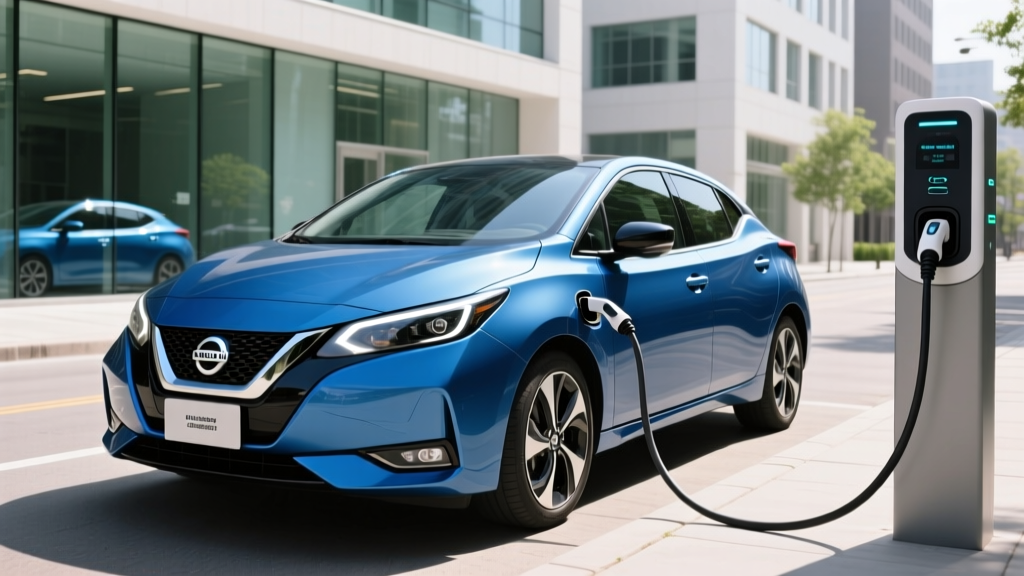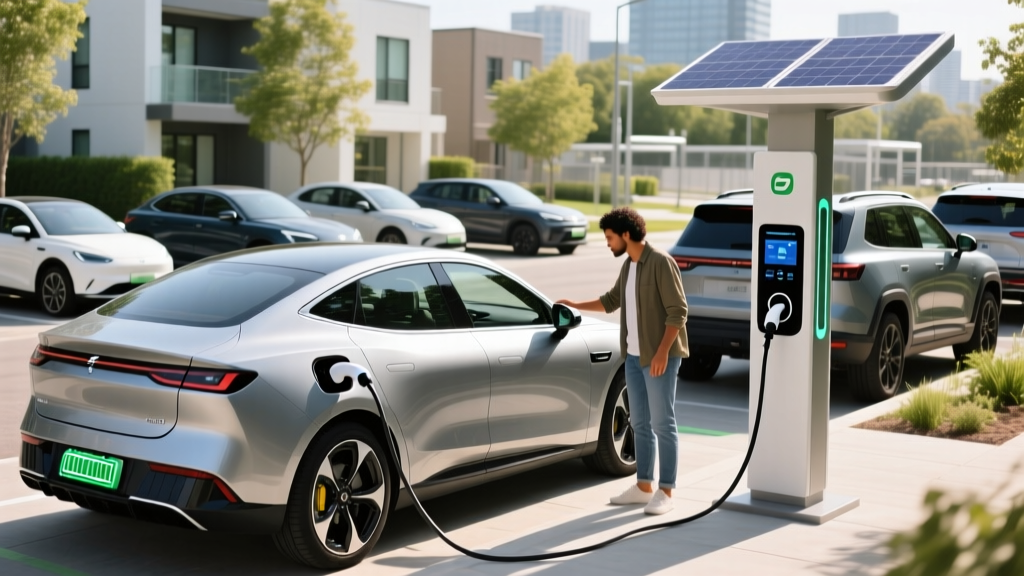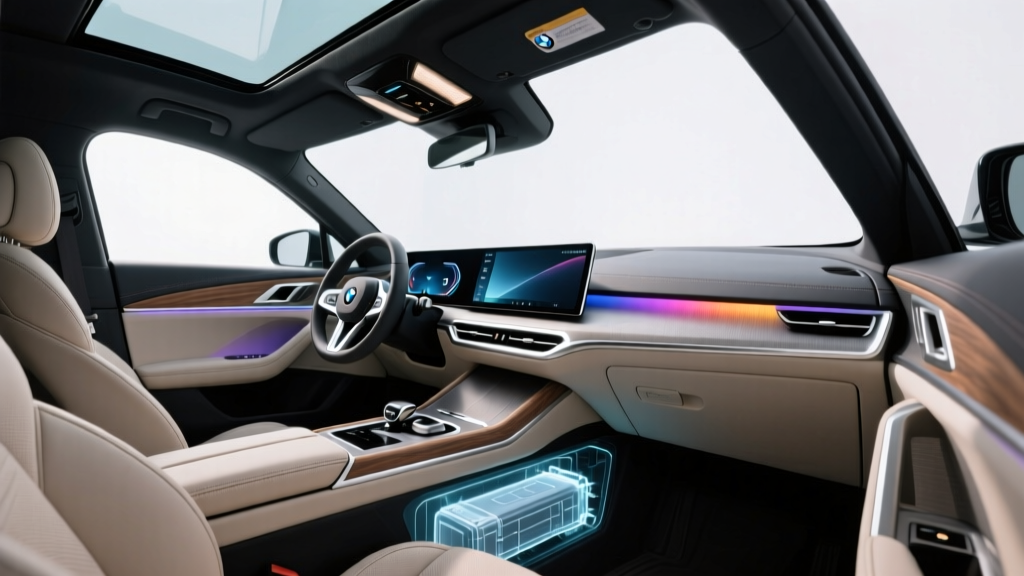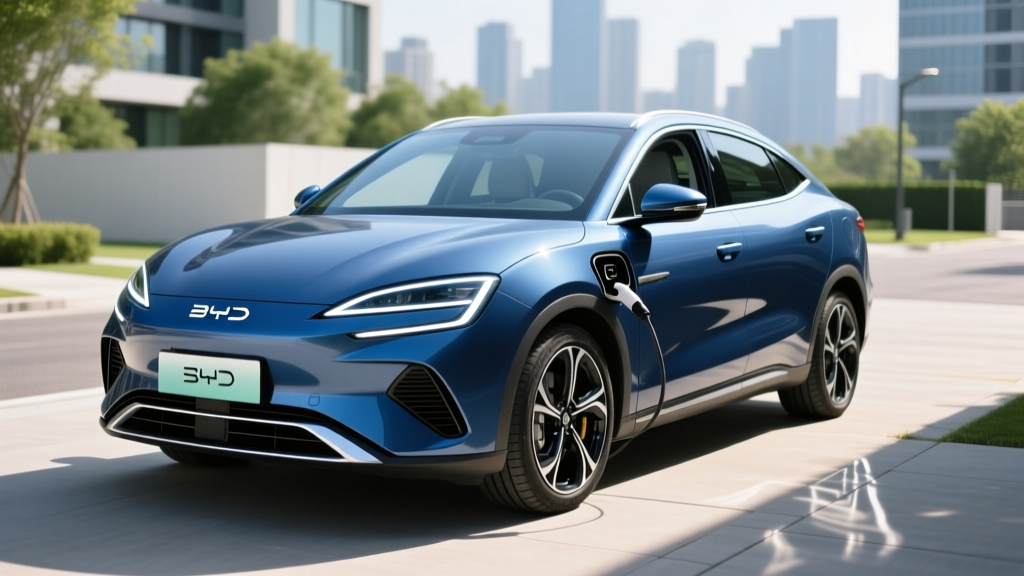
The BYD Atto 1 (also known as the Yuan Up in China) is a subcompact electric crossover that has drawn global attention for packing practical range and modern tech into an affordable footprint. For US shoppers searching for the BYD Atto 1 electric car, the critical question remains: can you actually buy one stateside, and if so, how does it stack up against established rivals like the Chevrolet Equinox EV, Hyundai Kona Electric, and Kia Niro EV?
This review breaks down every confirmed spec — range, charging speed, battery chemistry, performance, pricing, and federal tax-credit eligibility — while flagging the real-world ownership nuances that spec sheets gloss over.
US Availability Status: What You Need to Know First
As of early 2026, BYD has not officially launched passenger vehicles in the United States. The company sells commercial vehicles (buses, trucks) in the US, but its consumer EV lineup — including the Atto 1 — is currently available in China, Southeast Asia, Latin America, and select European markets. Any US launch would face significant hurdles including 100%+ tariffs on Chinese-made EVs, which effectively double the import price.
This review uses confirmed international-market specs and projected US pricing to help readers evaluate the Atto 1 against domestic alternatives. If BYD announces a US launch, we will update this profile with EPA-certified figures.
Range, Battery & Real-World Efficiency
EPA-Equivalent Range: ~199 miles (based on WLTP 320 km rating; US EPA testing typically yields 10-15% lower figures than WLTP)
Real-World Expectation: Expect approximately 170–190 miles in mixed driving. Highway cruising at 75 mph drops range to roughly 155–170 miles. In freezing temperatures (below 30°F), plan for 20–30% range loss, bringing usable winter range to approximately 120–145 miles without preconditioning.
The Atto 1 uses BYD's proprietary Blade Battery, a lithium iron phosphate (LFP) pack with a usable capacity of approximately 45.12 kWh (gross capacity ~48 kWh). LFP chemistry trades some energy density for superior thermal stability, longer cycle life, and reduced fire risk compared to NMC (nickel manganese cobalt) packs used in many competitors.
LFP vs NMC: What It Means for Owners
| Factor | LFP (BYD Blade) | NMC (Typical Competitors) |
|---|---|---|
| Energy Density | Lower (~160 Wh/kg) | Higher (~220-260 Wh/kg) |
| Cycle Life | 3,000+ cycles to 80% | 1,500-2,000 cycles to 80% |
| Thermal Runaway Risk | Very Low | Moderate |
| Cold-Weather Performance | Greater range loss without preconditioning | Better cold-weather retention |
| Charging to 100% Regularly | Recommended for calibration | Not recommended (accelerates degradation) |
| Cobalt Content | None (ethical advantage) | Contains cobalt |
The efficiency rating translates to approximately 115–120 MPGe combined (international test cycle), or roughly 28–30 kWh per 100 miles. This is competitive with the Hyundai Kona Electric (120 MPGe) but trails the more aerodynamic Chevrolet Equinox EV (estimated 130+ MPGe).
Charging Speed: DC Fast & Home Level 2
| Charging Level | Power | Time / Rate | Notes |
|---|---|---|---|
| Level 1 (120V household) | ~1.4 kW | ~15-18 hours (0-100%) | Emergency/trickle only; adds ~4-5 miles/hour |
| Level 2 (240V home) | 7 kW (single-phase) | ~7-8 hours (0-100%) | Overnight charging; adds ~22-25 miles/hour |
| DC Fast Charge | Peak 65 kW | ~35-40 min (10-80%) | CCS2 connector (international); modest peak rate |
The 65 kW peak DC charge rate is the Atto 1's most significant weakness for road-trippers. Competitors like the Hyundai Kona Electric (100+ kW peak) and Chevrolet Equinox EV (150+ kW peak) replenish considerably faster on highway chargers. At a typical 150 kW Electrify America or Tesla Supercharger station, the Atto 1 will charge at its own maximum rate of 65 kW — meaning a 10-80% session takes roughly 35-40 minutes.
The charging curve tapers noticeably above 80% SoC, as is standard for LFP packs. BYD recommends charging to 100% at least once per month for cell balancing, unlike NMC owners who typically cap at 80% for daily use.
Performance & Drivetrain
| Specification | BYD Atto 1 |
|---|---|
| Drivetrain | Front-Wheel Drive (FWD) |
| Motor Output | 95 hp (70 kW) / 133 lb-ft torque |
| 0-60 mph | ~11.5 seconds (estimated) |
| Top Speed | ~99 mph (electronically limited) |
| Suspension | Front MacPherson strut / Rear torsion beam |
The Atto 1 is tuned for urban efficiency, not acceleration. The 95-hp motor delivers adequate city performance but feels strained during highway merging. The torsion-beam rear suspension keeps costs low but compromises ride refinement over rough pavement compared to the multi-link setups in the Kona Electric or Niro EV.
Interior, Cargo & Technology
The Atto 1 measures approximately 169.7 inches long with a 101.2-inch wheelbase, placing it firmly in the subcompact crossover segment alongside the Kia Soul and Hyundai Venue (in overall footprint).
Space & Dimensions
- Front legroom: ~41.3 inches
- Rear legroom: ~35.0 inches
- Cargo volume (rear seats up): ~13.4 cu ft
- Cargo volume (rear seats folded): ~40.0 cu ft
- Frunk (front trunk): Not available
Cargo space is tight compared to the Chevrolet Equinox EV (~26 cu ft behind rear seats) and Hyundai Kona Electric (~19 cu ft). The Atto 1 is best suited for singles or couples without bulky cargo needs.
Infotainment & Driver Assists
- Display: 12.8-inch rotating touchscreen (portrait/landscape toggle)
- Cluster: 8.8-inch digital instrument panel
- Connectivity: Wireless Apple CarPlay and Android Auto (market-dependent)
- ADAS Suite: Adaptive cruise control, lane-keeping assist, automatic emergency braking, blind-spot monitoring, rear cross-traffic alert
- SAE Automation Level: Level 1-2 (driver must remain fully engaged at all times)
- Camera System: 360-degree surround-view camera
The rotating center screen is a signature BYD feature — useful for navigation in portrait mode and media in landscape. However, the infotainment software has drawn criticism in international reviews for occasional lag and a cluttered menu hierarchy. Physical climate controls are absent; all HVAC adjustments route through the touchscreen.
Pricing, Tax Credits & Ownership Cost
In international markets, the Atto 1 starts at approximately ¥96,800 RMB (~$13,500 USD) in China and €25,000-€28,000 in European markets. However, US pricing would be dramatically different due to tariffs.
| Scenario | Estimated Price |
|---|---|
| China MSRP (base) | ~$13,500 USD |
| European MSRP (base) | ~$27,000-$30,000 USD |
| Projected US MSRP (if imported, with 100%+ tariff) | ~$35,000-$42,000 USD |
| US MSRP after §30D tax credit (if eligible) | ~$27,500-$34,500 USD |
Federal Tax Credit Eligibility (§30D)
If the BYD Atto 1 were sold in the US, federal tax credit eligibility under IRS §30D rules would be highly unlikely in its current form. Key barriers include:
- MSRP Cap: Must be under $55,000 for SUVs/crossovers — likely met
- Buyer Income Cap: AGI below $150,000 (single) / $300,000 (joint) — buyer-dependent
- Battery Sourcing: Critical minerals and battery components must meet escalating US/free-trade-agreement sourcing thresholds; BYD's vertically integrated Chinese supply chain would almost certainly fail this requirement
- Foreign Entity of Concern (FEOC): Vehicles with battery components from a FEOC (which includes many Chinese manufacturers) are disqualified entirely
- Final Assembly: Must occur in North America — the Atto 1 is assembled in China
Bottom line: The Atto 1 would not qualify for the $7,500 federal tax credit under current rules unless BYD established North American production and restructured its battery supply chain. The point-of-sale transfer option (available for eligible vehicles at participating dealers) would also not apply.
Warranty Coverage
| Coverage | Term |
|---|---|
| Battery (capacity retention ≥70%) | 8 years / 100,000 miles (international standard) |
| Powertrain | 8 years / 100,000 miles |
| Vehicle (bumper-to-bumper) | 6 years / 93,000 miles (varies by market) |
| Roadside Assistance | 6 years (market-dependent) |
BYD's battery warranty aligns with industry norms. The Blade Battery's LFP chemistry and 3,000+ cycle life suggest long-term degradation will be minimal — international fleet data indicates less than 10% capacity loss at 100,000 miles under normal use. The 70% retention threshold is standard, though some competitors (Hyundai, Kia) warrant to 70% over 10 years/100,000 miles.
How It Compares: Atto 1 vs Key US-Market Rivals
| Spec | BYD Atto 1 | Hyundai Kona Electric | Chevrolet Equinox EV |
|---|---|---|---|
| EPA Range | ~199 mi (est.) | 261 mi | 319 mi |
| Battery | 45 kWh LFP | 65 kWh NMC | 85 kWh NMC |
| Peak DC Charge | 65 kW | 100+ kW | 150+ kW |
| 0-60 mph | ~11.5 sec | ~7.5 sec | ~8.0 sec |
| Horsepower | 95 hp | 201 hp | 213 hp |
| Cargo (seats up) | 13.4 cu ft | 19.0 cu ft | 26.4 cu ft |
| Base MSRP (US) | N/A (not sold) | ~$33,000 | ~$33,000 |
| Federal Tax Credit | Unlikely eligible | Eligible (select trims) | Eligible |
The comparison makes the Atto 1's US-market challenge clear: even at a low base price, tariff-inflated costs would push it into the same price bracket as vehicles with substantially more range, power, cargo space, and faster charging. The Kona Electric and Equinox EV both offer 60+ more miles of EPA range and significantly quicker DC charging.
Pros
- LFP Blade Battery offers excellent longevity and thermal safety
- Very affordable in markets without punitive tariffs
- Rotating 12.8-inch screen is a unique feature
- Competent ADAS suite for the price class
- Low running costs and minimal maintenance
Cons
- 65 kW DC charging is slow for 2026 standards
- 95 hp motor feels underpowered for highway driving
- Sub-200-mile range limits road-trip utility
- Tight cargo area vs. US-market crossovers
- Not available in the US; unlikely to qualify for tax credit if imported
- Infotainment UI can be sluggish
Who Should Consider the BYD Atto 1?
Choose the Atto 1 if: You live outside the US in a market where it's sold at its native price point (~$15,000-$28,000), your daily commute is under 80 miles round-trip, you have reliable home Level 2 charging, and you prioritize battery longevity and low cost over performance and fast-charging capability.
Choose a US-market alternative if: You need 250+ miles of range for road trips, want DC fast-charging above 100 kW for highway travel, require more than 20 cu ft of cargo space, need AWD for snow/climate, or want to claim the $7,500 federal tax credit.
Frequently Asked Questions
What is the real-world range of the BYD Atto 1?
Expect approximately 170–190 miles in mixed driving conditions. Highway driving at sustained speeds above 70 mph reduces range to roughly 155–170 miles. In cold weather (below 30°F), LFP chemistry loses efficiency more sharply than NMC — plan for 120–145 miles of usable range unless you precondition the battery while plugged in.
How fast does the BYD Atto 1 charge?
On a DC fast charger, it peaks at 65 kW, taking approximately 35–40 minutes to charge from 10% to 80%. At home on a Level 2 (240V, 7 kW) charger, a full charge takes about 7–8 hours, adding roughly 22–25 miles of range per hour of charging. The 65 kW peak rate is below the 2026 class average of 100–150 kW.
Does the BYD Atto 1 qualify for the US federal EV tax credit?
Almost certainly not under current IRS §30D rules. The vehicle is assembled in China, uses a Chinese-sourced LFP battery, and BYD is likely classified as a Foreign Entity of Concern (FEOC) — all of which disqualify it. Even if BYD launched the Atto 1 in the US, credit eligibility would require North American assembly and a restructured battery supply chain.
Is the BYD Atto 1 worth buying vs competitors?
In international markets where it's priced below $25,000, it offers strong value for urban commuters. In the US, tariff-inflated pricing would place it against the Hyundai Kona Electric, Chevrolet Equinox EV, and Kia Niro EV — all of which offer more range, faster charging, greater cargo space, and tax-credit eligibility. For US buyers, domestic alternatives are the practical choice.
What is BYD's Blade Battery, and is it safe?
The Blade Battery is BYD's proprietary LFP (lithium iron phosphate) cell design that uses long, thin blade-shaped cells packed directly into the battery tray. LFP chemistry is inherently more resistant to thermal runaway than NMC, and BYD's nail-penetration tests demonstrate no fire or smoke. It's widely regarded as one of the safest EV battery designs in production.
Will BYD sell the Atto 1 in the United States?
As of early 2026, BYD has not announced US passenger-vehicle sales plans. The company has acknowledged studying the market but faces 100%+ tariffs on Chinese-made EVs, FEOC restrictions, and the need for a North American dealer and service network. A US launch before 2028 appears unlikely.