The Short Answer on Buick EVs
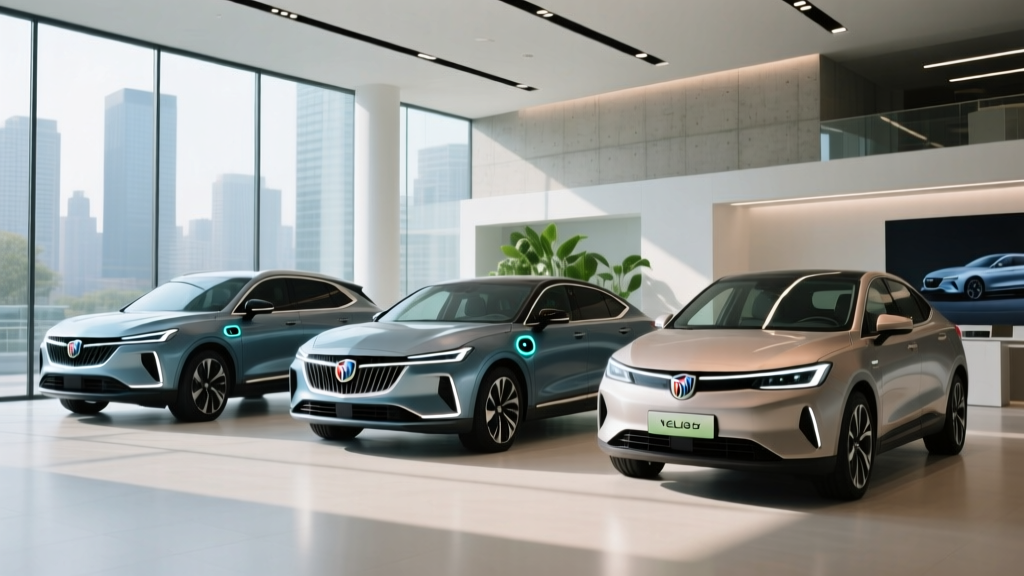
As of 2026, Buick sells one fully electric model in the United States: the Electra E5, a midsize crossover built on GM's Ultium platform. It offers an EPA-estimated 260–308 miles of range depending on trim, starting around $38,000. A second model, the compact Electra E4, was announced but has not reached US dealerships. For buyers seeking a premium-badged electric crossover with competitive range and Super Cruise compatibility, the E5 is viable — but its charging speed and real-world cold-weather performance demand honest evaluation before purchase.
2026 Buick Electra E5: Specifications at a Glance
| Spec | Preferred (FWD) | Preferred (AWD) | Sport (AWD) |
|---|---|---|---|
| EPA Range | 308 mi | 260 mi | 260 mi |
| Battery (usable) | 85 kWh (NMC) | 85 kWh (NMC) | 85 kWh (NMC) |
| Horsepower | 204 hp | 288 hp | 288 hp |
| 0–60 mph | ~7.5 sec | ~6.0 sec | ~6.0 sec |
| Peak DC Fast Charge | 150 kW | 150 kW | 150 kW |
| 10–80% DC Charge | ~30 min | ~30 min | ~30 min |
| Level 2 Charge Rate | 11.5 kW | 11.5 kW | 11.5 kW |
| Efficiency (MPGe) | 95 MPGe combined | 88 MPGe combined | 88 MPGe combined |
| Starting MSRP | $38,795 | $41,795 | $44,295 |
| Battery/Powertrain Warranty | 8 yr / 100,000 mi | 8 yr / 100,000 mi | |
Sources: fueleconomy.gov, GM/Buick official specifications.
Real-World Range: What the EPA Sticker Doesn't Tell You
EPA Sticker: 308 miles (FWD) / 260 miles (AWD)
Real-World Expectation: ~240–270 mi highway driving (FWD); ~200–230 mi (AWD). In cold weather (below 32°F), expect an additional 15–25% reduction, bringing the FWD model to roughly 190–230 mi on a full charge.
The Electra E5's 85 kWh NMC battery provides solid capacity, but its efficiency (measured in kWh/100mi) is average for the segment. Highway driving at 70–80 mph increases aerodynamic drag significantly — EVs lose efficiency faster than gas cars at sustained speed. The AWD trims carry more weight and run dual motors, reducing range further.
The E5 does include a heat pump for cabin heating, which mitigates some cold-weather loss compared to resistance-heater EVs. Battery preconditioning is available when navigating to a DC fast charger, helping the pack reach optimal temperature for faster charging — but the 150 kW peak charge rate is a weak point we'll address below.
Charging Speed and Infrastructure Reality
| Level | Power | Miles Added per Hour | Typical Use Case |
|---|---|---|---|
| Level 1 (120V) | 1.4 kW | ~3–4 mi/hr | Overnight trickle; emergencies |
| Level 2 (240V) | 11.5 kW | ~30–33 mi/hr | Home/destination charging |
| DC Fast Charge | 150 kW peak | ~180 mi in 10 min (peak) | Road-trip stops |
At 150 kW peak, the E5 trails competitors like the Hyundai Ioniq 5 (240 kW peak) and Tesla Model Y (~250 kW peak on V3 Superchargers). In practice, the E5 sustains roughly 100–120 kW through much of the 10–80% window before tapering. A 10–80% charge takes approximately 30 minutes at a properly rated station — acceptable, but not segment-leading.
The E5 uses the CCS1 connector standard. As GM transitions to NACS for 2025+ models, verify with your dealer whether the 2026 E5 ships with NACS native or CCS with a NACS adapter for Tesla Supercharger access. This matters enormously for road-trip charging reliability.
Cost of Ownership: EV vs Gas Crossover
| Category | Electra E5 FWD | Buick Enclave (Gas AWD) |
|---|---|---|
| Purchase Price (MSRP) | $38,795 | $46,595 |
| Federal Tax Credit (§30D)* | $0–$7,500 (see below) | $0 |
| Home Charging Installation (Level 2) | $800–$2,000 | $0 |
| 5-Year Energy Cost (15k mi/yr)** | $3,500–$5,200 | $8,200–$10,500 |
| 5-Year Maintenance | $1,200–$1,800 | $3,000–$4,500 |
| Estimated Insurance (5-yr total) | $9,000–$12,000 | $7,500–$10,000 |
| Estimated 5-Year Total | $52,000–$60,000 | $65,000–$72,000 |
* Federal §30D credit eligibility depends on battery component sourcing, buyer income caps ($150K single / $300K joint), and MSRP caps ($80K for SUVs). As of 2026, many GM-built EVs face partial or full credit loss due to critical-mineral sourcing rules. Check current status at IRS.gov.
** Energy costs assume $0.14/kWh home charging and $3.50/gallon gas. Public DC fast charging at $0.35–$0.50/kWh raises EV costs significantly if used frequently.
The E5 wins on fuel and maintenance savings — no oil changes, fewer brake replacements (thanks to regenerative braking), and electricity costs roughly half of gasoline per mile. However, EV insurance premiums run 15–30% higher on average due to repair-cost data. If you cannot install a Level 2 home charger, your "fuel" cost rises sharply because public DC charging can cost $0.35–$0.50/kWh — making the E5 more expensive to run than a hybrid.
Tax Credit Eligibility: Don't Count on $7,500
§30D Federal EV Tax Credit Requirements (2026):
- Income Cap: AGI ≤ $150,000 (single) / $300,000 (married filing jointly)
- MSRP Cap: ≤ $80,000 for SUVs/pickups (E5 qualifies on price)
- Battery Sourcing: Critical minerals and battery components must meet escalating domestic/free-trade sourcing percentages — this disqualifies many models
- Assembly: Final assembly must occur in North America (E5 is built in China for early models — verify current VIN eligibility)
- Point-of-Sale Transfer: Eligible buyers can transfer the credit to the dealer for an upfront price reduction
The Electra E5's sourcing has been a moving target. Early E5s were manufactured in China, which would disqualify them entirely. GM has indicated plans to shift production, but always verify the specific VIN's eligibility through the IRS portal or your dealer before assuming credit availability. A tax professional should confirm your personal eligibility.
Decision Framework: Is the Buick Electra E5 Right for You?
Choose the Electra E5 if:
- You want a quiet, comfortable midsize crossover with 250+ miles of real-world range
- You have Level 2 home charging and drive under 200 miles daily
- You value Super Cruise availability for highway hands-free driving (Level 2, driver must remain attentive)
- You prefer Buick's design language and dealer service network
Look elsewhere if:
- You need the fastest DC charging for frequent road trips (Ioniq 5, Model Y charge ~40% faster)
- You regularly drive in extreme cold without garage parking (range loss is real)
- You lack home charging access (public charging costs erase fuel savings)
- You need third-row seating (consider the gas Enclave or wait for larger Buick EVs)
Common Misconceptions About Buick EVs
| Myth | Fact |
|---|---|
| "Buick has a full EV lineup" | Only the Electra E5 is sold in the US as of 2026. The E4 and other concepts remain unreleased domestically. |
| "The E5 charges as fast as other Ultium EVs" | The E5 peaks at 150 kW, while the Cadillac Lyriq reaches 190 kW and the Silverado EV hits 350 kW on the same platform. |
| "I'll definitely get the $7,500 tax credit" | Sourcing rules and assembly location disqualify many E5 configurations. Verify per VIN. |
| "Super Cruise means the car drives itself" | Super Cruise is SAE Level 2 — you must monitor the road and keep hands available. It is not autonomous driving. |
| "EV batteries need replacing every few years" | GM warranties the E5 battery for 8 years/100,000 miles against dropping below 70% capacity. Real degradation data shows most EVs retain 85–90% after 100K miles. |
First-Time EV Buyer Checklist
Before purchasing the Electra E5 — or any EV — confirm these practical realities:
- Home charging access: Can you install a 240V Level 2 charger (NEMA 14-50 or hardwired)? Budget $800–$2,000 for equipment and electrician. If your panel needs upgrading to 200A, add $1,500–$3,000.
- Electrical panel capacity: A Level 2 charger draws 40–48 amps continuously. Your panel must have spare capacity — a licensed electrician must verify this.
- Climate impact: If you live where winters drop below freezing, budget 20% less range in cold months. Garage parking helps.
- Public charging map: Download PlugShare or your preferred network app and verify reliable DC fast chargers exist along your common routes.
- Insurance quotes: Get actual quotes before purchase. EV insurance varies wildly — some insurers charge 30% more, others match gas-car rates.
- Tax credit verification: Use the IRS VIN-lookup tool and consult a tax professional. Never assume credit eligibility based on marketing materials.
A Note on Super Cruise: Buick offers Super Cruise on higher E5 trims — a hands-free highway driving system on pre-mapped divided highways. This is SAE Level 2 automation, not self-driving. The driver must remain attentive; an interior camera monitors eye gaze. Only Level 4 services like Waymo operate without a human driver.
Frequently Asked Questions
Does Buick make a hybrid or plug-in hybrid?
As of 2026, Buick does not sell a hybrid or PHEV in the US market. The brand's electrification strategy focuses on the fully electric Electra lineup. If you need a plug-in hybrid from GM, look at the Chevrolet Equinox PHEV or Cadillac options.
How does the Electra E5 compare to the Tesla Model Y?
The Model Y Long Range offers 310+ EPA miles, faster DC charging (~250 kW peak), and access to the Supercharger network natively. The E5 counters with a quieter cabin, more traditional styling, and Super Cruise compatibility. The Model Y's real-world charging and infrastructure advantage is substantial for road-trippers.
What is the Electra E5's towing capacity?
The E5 AWD models are rated for approximately 1,500 pounds of towing — adequate for a small utility trailer but not a boat or camper. This is lower than many gas crossovers and a real limitation for buyers with towing needs.
Will the Electra E4 come to the US?
The Electra E4 has been announced globally, but GM has not confirmed US availability as of early 2026. If it arrives, expect a compact crossover with ~250 miles of range and pricing near $33,000. Monitor Buick's official channels for updates — do not delay a purchase decision waiting for an unconfirmed model.
How long does the E5 battery last?
GM's Ultium NMC batteries are designed for long cycle life. The warranty guarantees at least 70% capacity retention over 8 years/100,000 miles. Independent data from similar Ultium packs suggests 85–92% retention at 100K miles under normal use. Full battery replacement, if ever needed, would likely cost $12,000–$18,000 out of warranty — but most owners will never need this.
Is home charging really necessary?
Not strictly, but without it, EV ownership becomes significantly more expensive and less convenient. Public DC fast charging costs 2–4× more per kWh than home electricity, and you'll spend 30+ minutes per session. If you cannot charge at home or work, a plug-in hybrid or conventional vehicle may serve you better until charging access improves.