BMW Neue Klasse EV: The Bottom Line for 2026 Buyers
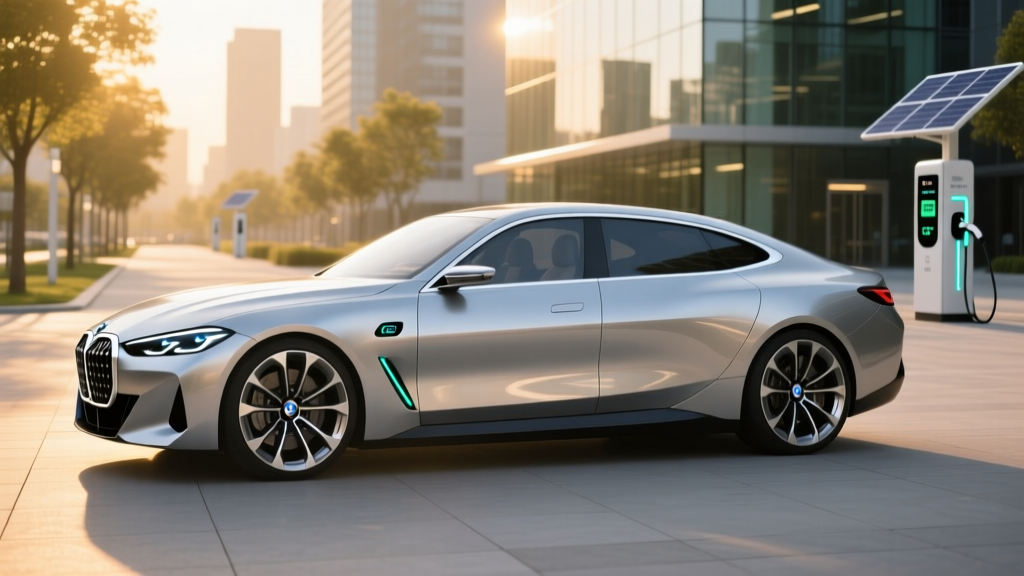
The BMW Neue Klasse EV platform debuts with the 2026 iX3 (and expanding to the i3 sedan in 2027), promising up to 370 miles of EPA-estimated range, 800-volt architecture capable of charging from 10-80% in roughly 20 minutes at up to 400 kW, and a starting MSRP expected around $52,000-$58,000 for the iX3. BMW's sixth-generation eDrive uses cylindrical cells (similar in form factor to Tesla's 4680) with an estimated 20-30% improvement in energy density over the current generation. The Neue Klasse is BMW's most serious EV platform yet — but with production just ramping in Debrecen, Hungary, real-world availability remains limited in early 2026, and federal tax credit eligibility under IRS §30D rules is not yet confirmed due to battery-sourcing requirements. If you want a premium compact electric SUV with class-leading charging speed and BMW driving dynamics, the Neue Klasse iX3 is worth tracking — but be prepared for a wait and verify credit eligibility before committing.
What Is the BMW Neue Klasse Platform?
Neue Klasse (German for "New Class") is BMW's ground-up EV architecture, named after the iconic 1960s sedans that saved the company. Unlike BMW's current EVs — the iX, i4, and i7 — which share platforms with combustion models, Neue Klasse is electric-first. The platform supports:
- 800V electrical architecture (enabling ultra-fast DC charging)
- Sixth-gen eDrive motors with up to 469 hp in dual-motor configurations
- Cylindrical lithium-ion cells (NMC chemistry, 46mm diameter, varying heights) replacing the prismatic cells in current BMW EVs
- Four "super brains" — centralized computing modules replacing dozens of distributed ECUs for powertrain, driving dynamics, driver assistance, and infotainment
- A new Panoramic Vision head-up display spanning the full windshield width
The first production model is the iX3 compact SUV (the electric equivalent of the next-gen X3), with the i3 sedan following in 2027. BMW has confirmed at least six Neue Klasse models by 2028, spanning sedans, SUVs, and a potential M-performance variant.
Range, Battery, and Charging: The Numbers That Matter
BMW has released preliminary specifications for the iX3, though final EPA certification figures may shift slightly before US deliveries begin.
| Spec | Value |
|---|---|
| Battery Capacity (usable) | ~95 kWh (est.), NMC cylindrical cells |
| EPA Range (est.) | Up to 370 miles (RWD); ~340 miles (AWD xDrive) |
| WLTP Range (official) | Up to 800 km / ~497 miles (not US-certified) |
| DC Fast Charge Peak | Up to 400 kW |
| 10-80% DC Charge Time | ~20 minutes (at 400 kW-capable station) |
| Level 2 AC Charge Rate | Up to 22 kW (3-phase, where available); 11 kW (single-phase US typical) |
| Miles Added in 10 Min (DC) | ~186 miles (at sustained peak, ideal conditions) |
| Drivetrain | RWD or xDrive AWD |
| Horsepower | ~300 hp (RWD); ~469 hp (xDrive dual-motor) |
| 0-60 mph (est.) | ~5.8 sec (RWD); ~4.2 sec (xDrive) |
| Starting MSRP (est.) | $52,000-$58,000 (before incentives) |
| Battery Warranty | 8 years / 100,000 miles (BMW standard EV warranty) |
Real-World Range vs. EPA Sticker
The estimated 370-mile EPA figure is strong — competitive with the Tesla Model Y Long Range (320 mi EPA) and well ahead of the Mercedes EQB. However, real-world expectations should be tempered:
- Highway driving at 75 mph: Expect ~300-320 miles. Aerodynamic drag at sustained speed reduces efficiency by 15-20% vs. EPA's mixed-cycle test.
- Cold weather (below 32°F): Expect 20-30% range loss, bringing effective range to ~260-295 miles. The Neue Klasse platform includes a heat pump (standard), which mitigates but does not eliminate cold-weather losses.
- Charging curve taper: The 400 kW peak rate applies only at low states of charge (roughly 10-30%). Expect the rate to taper to ~200 kW by 60% SoC and below 100 kW past 80%. The 10-80% time of ~20 minutes assumes a 400 kW-capable charger (Ionity in Europe, or select US stations with 350-500 kW hardware).
On a typical 350 kW Electrify America or Tesla Supercharger V4 station, expect 10-80% in roughly 22-25 minutes — still excellent, but the full 400 kW potential requires next-gen infrastructure.
BMW Neue Klasse vs. Gas and Rival EVs: Cost & Capability
How does the iX3 stack up against both its gas counterpart (the X3) and key EV competitors? Here's a data-driven look.
| Metric | BMW iX3 (Neue Klasse) | BMW X3 xDrive30 (Gas) | Tesla Model Y LR | Mercedes EQB 350 |
|---|---|---|---|---|
| Powertrain | BEV (AWD est.) | 2.0L Turbo I4 | BEV (AWD) | BEV (AWD) |
| EPA Range / MPG | ~340 mi (AWD est.) | 28 MPG combined | 320 mi | 222 mi |
| Horsepower | ~469 hp (xDrive) | 248 hp | 384 hp | 288 hp |
| 0-60 mph | ~4.2 sec | 6.4 sec | 4.8 sec | 5.8 sec |
| Peak DC Charge | 400 kW | N/A | 250 kW | 100 kW |
| 10-80% DC Time | ~20 min | N/A | ~25 min | ~32 min |
| Starting MSRP | ~$55,000 (est. AWD) | $49,700 | $47,990 | $54,350 |
| Fuel/Energy Cost per 1,000 mi | ~$42 (home L2, $0.14/kWh) | ~$125 (gas, $3.50/gal) | ~$44 | ~$52 |
The iX3's 400 kW charging capability is a clear differentiator — only the Porsche Macan EV and Hyundai/Kia's E-GMP platform vehicles approach similar speeds. Against the Tesla Model Y, the iX3 offers faster peak charging and BMW's traditional build quality, but at a higher starting price and with a less mature Supercharger-equivalent public network (though BMW now includes NACS compatibility, granting access to Tesla Superchargers via adapter or native port on US models).
Total Cost of Ownership: 5-Year Breakdown
EV ownership economics depend heavily on your charging setup and local electricity rates. Below is a 5-year/75,000-mile projection comparing the iX3 (AWD, estimated) to the gas X3 xDrive30.
| Cost Category | BMW iX3 xDrive (est.) | BMW X3 xDrive30 (Gas) |
|---|---|---|
| Purchase Price (MSRP) | $55,000 | $49,700 |
| Federal Tax Credit (§30D) | $0-$7,500 (pending sourcing verification) | $0 |
| Home Charger Install (Level 2) | $1,200-$2,500 | $0 |
| Energy/Fuel (75k mi) | $3,150 (home L2) / $5,625 (50% public DC) | $9,375 |
| Maintenance (5 yr) | $1,800 (no oil, fewer brake replacements) | $4,500 |
| Insurance (5 yr avg.) | $11,500 (EV premium ~15-20%) | $9,800 |
| Estimated Depreciation | $22,000 (40%, EV resale improving) | $19,880 (40%) |
| 5-Year Total (home charging, max credit) | ~$44,150 | ~$53,495 |
| 5-Year Total (no credit, 50% public DC) | ~$55,525 | ~$53,495 |
Key takeaway: If you qualify for the full §30D credit and charge primarily at home, the iX3 saves roughly $9,000+ over five years vs. the gas X3. Without the credit and relying heavily on public DC fast charging (at $0.40-$0.60/kWh), the cost advantage narrows or disappears. Your mileage — literally — will vary based on local rates, driving patterns, and credit eligibility.
For the latest §30D eligibility rules, including MSRP caps ($80,000 for SUVs), buyer income limits ($150,000 single / $300,000 joint AGI), and critical mineral/battery component sourcing requirements, consult the IRS clean vehicle credits page. BMW's battery sourcing for the Neue Klasse platform (cells manufactured by CATL and EVE Energy in Europe/China) is still being evaluated against US content requirements.
Real-World Ownership: What First-Time EV Buyers Must Know
The Neue Klasse iX3 is a compelling vehicle, but EV ownership involves practical considerations that don't apply to gas cars.
Home Charging Access Is Non-Negotiable for Savings
The cost advantage of EV ownership collapses without affordable home charging. A Level 2 home charger (240V, 40-48 amp) adds roughly 25-30 miles of range per hour — enough to fully replenish the iX3 overnight. Installation costs range from $800 (simple run near your panel) to $3,500+ (panel upgrade, long conduit run). If you live in an apartment or lack dedicated parking, weigh public charging costs ($0.35-$0.60/kWh at DC stations) carefully before purchasing.
Charging Infrastructure and NACS Compatibility
BMW has confirmed NACS (North American Charging Standard) ports on US-spec Neue Klasse vehicles, granting native access to the Tesla Supercharger network — over 25,000 stalls in North America. This is a major advantage over CCS-only vehicles. BMW also partners with Electrify America and Ionity (Europe). Plan road trips around charger availability using apps like PlugShare or A Better Routeplanner.
Cold Weather Realities
The iX3's heat pump helps, but expect 20-30% range loss in sub-freezing temperatures. Preconditioning the battery (via the BMW app while plugged in) before DC fast charging is essential — a cold battery charges significantly slower, and the 400 kW peak rate requires a warm pack. If you live in the upper Midwest or Northeast, budget for reduced winter range and consider a garage to mitigate extreme cold exposure.
Common Misconceptions About the Neue Klasse
| Myth | Fact |
|---|---|
| "400 kW charging means 10 minutes for a full battery." | 400 kW is a peak rate sustained only at low SoC. The charge curve tapers significantly above 50%. Expect 10-80% in ~20 min, and 80-100% adds another 15-20 min. |
| "The 800 km WLTP range means 497 miles in the US." | WLTP is a more optimistic test cycle than EPA. Expect the EPA figure to be 20-25% lower — hence the ~370-mile EPA estimate for RWD. |
| "It qualifies for the $7,500 federal tax credit." | Not confirmed. §30D requires specific battery component and critical mineral sourcing thresholds. BMW's European/Chinese cell supply chain may not meet 2026 requirements. Always verify on fueleconomy.gov before purchasing. |
| "Neue Klasse is self-driving." | BMW's Highway Assistant is a Level 2 driver-assist system (hands-off in specific highway conditions, eyes still required). It is not Level 4 autonomy. You remain responsible for the vehicle at all times. |
| "I don't need a home charger — public charging is fine." | Public DC charging costs 3-5x more per kWh than home electricity. Over 5 years, exclusive public charging can add $4,000-$6,000 in energy costs vs. home Level 2. |
Decision Framework: Should You Buy the BMW Neue Klasse iX3?
Choose the BMW iX3 (Neue Klasse) if:
- You want a premium compact EV SUV with class-leading DC charging speed (400 kW peak)
- You have home Level 2 charging access (or can install it)
- You value BMW driving dynamics, build quality, and dealer service network
- You drive 250+ miles regularly and need fast road-trip charging
- You want NACS compatibility for Tesla Supercharger access without an adapter
- The MSRP (est. $52K-$58K) fits your budget, and you can absorb potentially no federal tax credit
Consider an alternative if:
- You need guaranteed §30D tax credit eligibility — look at the Tesla Model Y, Ford Mustang Mach-E, or Hyundai Ioniq 5 (all confirmed eligible as of early 2026)
- You lack home charging access and live in an area with limited public DC infrastructure
- You need a third row — the iX3 is a compact SUV (the gas X3 offers no third row either, but the Rivian R1S or Kia EV9 do)
- You want to buy now — Neue Klasse iX3 availability in the US is expected late 2026 at earliest, with initial allocation limited
- Budget is the top priority — the Tesla Model Y starts ~$7,000 lower and offers 320 miles of proven range
Frequently Asked Questions
When will the BMW Neue Klasse iX3 be available in the US?
BMW began production at its Debrecen, Hungary plant in late 2025. US deliveries are expected in late 2026 for the 2027 model year. Initial allocation will be limited — expect a waitlist at most dealers. The i3 sedan follows in 2027.
Will the Neue Klasse iX3 qualify for the $7,500 federal EV tax credit?
Uncertain. The §30D credit requires that a percentage of battery components be manufactured or assembled in North America, and that critical minerals are sourced from the US or free-trade-agreement partners. BMW's Neue Klasse batteries use cells from CATL and EVE Energy (primarily manufactured in China and Europe). Until BMW confirms US-spec sourcing compliance, assume the credit may not apply. The vehicle's MSRP (under $80,000 SUV cap) and buyer income are also factors. Check IRS guidelines and confirm with your tax professional.
How does Neue Klasse charging compare to Tesla's V4 Superchargers?
BMW's 400 kW peak rate exceeds Tesla's V4 Supercharger output (currently 250-350 kW for non-Tesla vehicles, up to 350 kW for Cybertruck). However, Tesla's network reliability and density remain unmatched. With NACS compatibility, the iX3 can use Superchargers — though it will be limited to the stall's maximum output, not the car's 400 kW peak. For maximum charge speed, seek out 400+ kW stations from Electrify America or independent providers.
What is the battery chemistry, and how long will it last?
The Neue Klasse uses NMC (nickel-manganese-cobalt) cylindrical cells in a 46mm diameter format. NMC offers high energy density but is more sensitive to sustained high-SoC storage than LFP chemistry. BMW's battery warranty covers 8 years / 100,000 miles with a minimum 70% capacity retention threshold. Based on current NMC degradation data, expect 10-15% capacity loss over 150,000 miles with normal use (avoiding frequent 100% charges and DC fast charging in extreme heat without preconditioning).
Is the Neue Klasse platform actually better than BMW's current EVs?
Yes, in measurable ways. The 800V architecture enables roughly 2x the peak charge rate of the current iX (which tops out at ~200 kW). The cylindrical cells offer ~20-30% better energy density than the prismatic cells in the i4/iX. And the centralized computing architecture enables over-the-air updates and more advanced driver-assist features. If you're choosing between a current-gen iX and waiting for a Neue Klasse model, the platform advantages are real — but availability timelines are the trade-off.
Does the iX3 have a frunk (front trunk)?
BMW has not confirmed a front trunk for the iX3. The Neue Klasse platform's compact motor packaging theoretically allows one, but BMW has prioritized cabin and rear cargo space. Expect rear cargo volume around 20-22 cu ft (competitive with the gas X3), with no significant frunk.