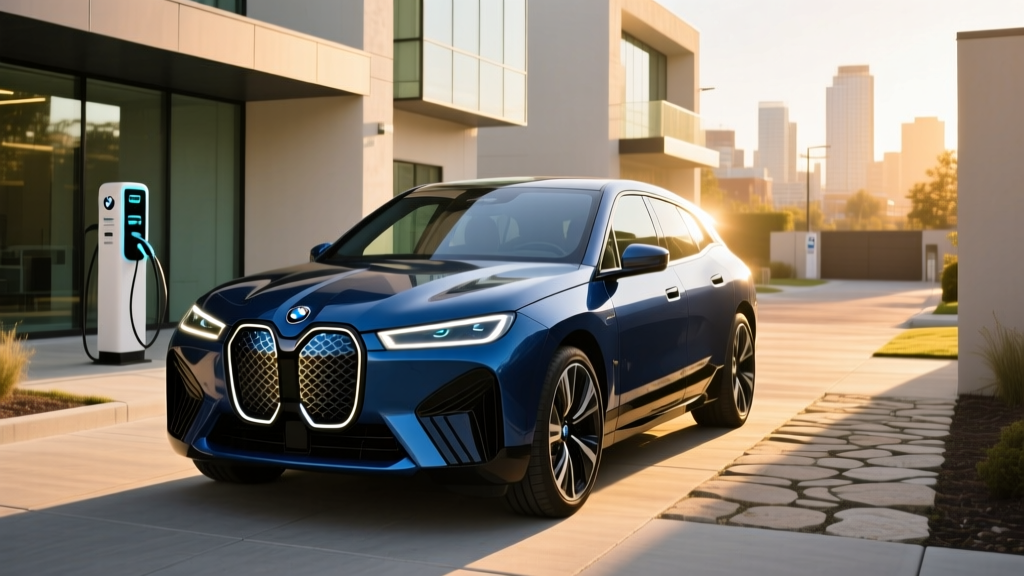
If you've been eyeing BMW's flagship electric SUV, time is running out. Multiple industry reports and dealer communications confirm that BMW is discontinuing the iX electric SUV in the US market as the automaker restructures its electric lineup around its next-generation Neue Klasse platform. For buyers, this creates both an opportunity — potential discounts on remaining 2025 and 2026 inventory — and a set of important questions about long-term support, resale value, and whether the iX still makes sense as a purchase.
This guide covers everything current and prospective iX buyers need to know: the real-world specs that matter, what discontinuation means for ownership, tax credit eligibility, and which competitors fill the gap BMW is leaving behind.
Why BMW Is Discontinuing the iX in the US
The BMW iX launched for the 2022 model year as the brand's technology flagship — a ground-up electric SUV built on a dedicated EV architecture with a 111.5 kWh battery pack, 5G connectivity, and BMW's iDrive 8 infotainment system. Despite strong critical reception, US sales never matched the volume of rivals like the Tesla Model X, Rivian R1S, or even BMW's own smaller iX sibling, the i4.
Several factors are driving the discontinuation:
- Neue Klasse transition: BMW's next-generation EV platform, debuting in 2026-2027, will underpin future electric SUVs. The current iX architecture won't carry over.
- US sales volume: The iX's premium pricing (starting near $85,000) limited its US addressable market, particularly as competitors undercut it on price.
- Tax credit ineligibility: The iX has not qualified for the full $7,500 federal EV tax credit under current §30D battery-sourcing and critical-mineral requirements, putting it at a disadvantage against qualifying rivals.
- Lineup consolidation: BMW is streamlining its US EV offerings around higher-volume models like the i4, i5, and upcoming Neue Klasse SUVs.
BMW has not announced an exact final sale date, but dealers report that remaining 2026 model-year inventory will be the last available in the US. Once current stock is sold, no further units will be allocated.
2026 BMW iX Specs at a Glance
Here are the confirmed specifications for the final US-market 2026 BMW iX trims. These figures represent the vehicle as sold through remaining dealer inventory.
| Spec | iX xDrive50 | iX M60 |
|---|---|---|
| EPA Range | 324 miles | 296 miles |
| Battery (usable) | 111.5 kWh (NMC) | 111.5 kWh (NMC) |
| Drivetrain | Dual-motor AWD | Dual-motor AWD |
| Horsepower | 516 hp | 610 hp |
| 0–60 mph | 4.4 sec | 3.6 sec |
| Max DC Fast Charge | 200 kW | 200 kW |
| 10–80% DC Time | ~31 min | ~31 min |
| Level 2 Charge Rate | 11 kW (~35 mi/hr) | 11 kW (~35 mi/hr) |
| MPGe (combined) | 86 MPGe | 78 MPGe |
| Efficiency | 39 kWh/100 mi | 43 kWh/100 mi |
| Cargo (rear seats up) | 35.5 cu ft | 35.5 cu ft |
| Cargo (rear seats folded) | 77.9 cu ft | 77.9 cu ft |
| Rear Legroom | 38.9 in | 38.9 in |
| Base MSRP | $87,250 | $111,500 |
| Battery Warranty | 8 yr / 100,000 mi | 8 yr / 100,000 mi |
Real-World Range: What the EPA Sticker Doesn't Tell You
EPA estimate: 324 miles (xDrive50) / 296 miles (M60)
Real-world highway (70 mph): Expect ~260–285 miles
Cold weather (below 32°F): Expect ~220–260 miles, depending on cabin heating use
Combined mixed driving: ~280–305 miles in moderate conditions
The BMW iX xDrive50's 324-mile EPA rating is genuinely competitive among luxury electric SUVs. However, the real-world picture requires context that the sticker doesn't provide.
In highway testing at sustained 70–75 mph speeds, the iX xDrive50 typically delivers between 260 and 285 miles before reaching a 10% state of charge. The large, aerodynamic SUV shape creates more drag at highway speeds than a sedan, and the iX's substantial curb weight (~5,600 lbs) works against efficiency at sustained high speeds.
Cold weather is the bigger concern for buyers in northern climates. The iX uses NMC (nickel manganese cobalt) battery chemistry, which is more sensitive to low temperatures than LFP. In sub-freezing conditions, expect a 15–25% range reduction. The iX does include a heat pump for cabin heating — which helps preserve range versus resistive heating — but battery preconditioning for charging still consumes energy from the pack.
On the positive side, the 111.5 kWh usable battery capacity is one of the largest in its class, giving the iX a substantial energy buffer. Even with real-world losses, most drivers will find 250+ miles of comfortable range for daily use and moderate road trips.
Charging Speed and Infrastructure
Charging performance is where the iX shows its age relative to newer competitors built on 800-volt architectures like the Hyundai Ioniq 5 or Kia EV9.
| Charging Level | Power / Voltage | Speed | Use Case |
|---|---|---|---|
| Level 1 (120V) | ~1.4 kW | ~4–5 mi/hr | Emergency / overnight trickle |
| Level 2 (240V) | 11 kW (48A) | ~35 mi/hr | Home daily charging (~9 hrs 10–80%) |
| DC Fast Charge | 200 kW peak (400V) | 10–80% in ~31 min | Road trips, public stations |
The iX's 400-volt architecture caps DC fast charging at 200 kW peak. On a 350 kW Electrify America or Tesla Supercharger (via adapter), the iX will charge from 10% to approximately 50% at near-peak rates, then taper significantly. The 10–80% time of roughly 31 minutes is acceptable but trails 800V competitors that achieve 10–80% in 18–20 minutes.
For home charging, the 11 kW onboard charger is a strong point — it can replenish roughly 35 miles of range per hour on a properly installed Level 2 circuit (48-amp dedicated circuit recommended). A full 10–80% home charge takes approximately 9 hours, which works well for overnight charging.
Charging curve reality: The iX sustains close to 200 kW only between roughly 10–35% state of charge. From 35–60%, it drops to approximately 150 kW, and above 80%, charging slows dramatically to protect the NMC cells. Plan road-trip stops to charge between 10–80% for the best time efficiency — charging past 80% at a DC station adds significant time for relatively few miles gained.
The iX uses the CCS1 connector natively. BMW provides a NACS (Tesla Supercharger) adapter for access to Tesla's network, which is critical given the superior reliability of Superchargers in many US corridors. According to fueleconomy.gov, adapter-based charging may operate at slightly reduced peak rates depending on the station.
Pricing, Tax Credits, and Discontinuation Deals
| Trim | Base MSRP | Typical As-Tested | §30D Credit Eligible? |
|---|---|---|---|
| iX xDrive50 | $87,250 | $92,000–$98,000 | No — exceeds $80,000 SUV MSRP cap |
| iX M60 | $111,500 | $118,000–$130,000 | No — exceeds $80,000 SUV MSRP cap |
The BMW iX does not qualify for the $7,500 federal EV tax credit under current IRS §30D rules. The reason is straightforward: the IRS caps SUV eligibility at an $80,000 MSRP, and both iX trims exceed this threshold even at base pricing.
Additionally, the iX's battery sourcing and critical-mineral supply chain have not met the evolving §30D requirements, which would further limit eligibility even if the MSRP were below the cap.
What discontinuation means for pricing: Dealers with remaining inventory may offer significant discounts, potentially $5,000–$12,000 off MSRP, to clear stock. This is the primary financial advantage of buying a discontinued model — but it comes with trade-offs discussed below.
Buyers should also check for:
- State and local incentives: Some states offer rebates independent of federal rules and without MSRP caps. Check your state's energy or environmental agency for current programs.
- BMW loyalty incentives: BMW Financial Services periodically offers lease and finance incentives on slow-selling models.
- Dealer-installed accessory negotiations: With clearance pressure, dealers may be more willing to include accessories or waive fees.
Performance, Tech, and Daily Ownership
The iX drives like a BMW should — composed, quiet, and deceptively quick. The xDrive50's 516 hp and 4.4-second 0–60 time put it in sports-sedan territory despite its SUV proportions. The M60's 610 hp and 3.6-second sprint are genuinely thrilling, though the performance premium is hard to justify at the price.
The dual-motor AWD system provides excellent traction in rain and light snow, and the adaptive air suspension (standard on both trims) delivers a plush ride that isolates occupants from road imperfections better than most competitors.
Standout tech features:
- iDrive 8.5 on a curved 14.9-inch touchscreen with a 12.3-inch instrument cluster — responsive, feature-rich, though the touchpad controller takes getting used to
- Highway Assistant (Level 2 SAE) — allows hands-off driving at speeds up to 85 mph on divided highways with driver monitoring via infrared camera. This is not self-driving; the driver must remain attentive and ready to resume control
- Parking Assistant Professional — automated parallel and perpendicular parking with 360-degree cameras and Reversing Assistant (records the last 50 meters and retraces your path)
- 5G connectivity and over-the-air updates for navigation, infotainment, and vehicle systems
- Bowers & Wilkins Diamond Surround Sound (optional) — one of the best audio systems available in any EV
Notable drawbacks:
- Controversial exterior styling — the oversized kidney grille and polarizing proportions remain divisive
- No front trunk (frunk) — the entire hood area is sealed, sacrificing storage that competitors like the Rivian R1S provide
- Heavy reliance on touchscreen — climate controls and many vehicle settings lack physical buttons, which some drivers find distracting
- Insurance costs — luxury EV premiums run 15–25% higher than comparable ICE vehicles due to repair costs and battery replacement pricing
The BMW iX Highway Assistant is an SAE Level 2 driver-assistance system. The driver must remain engaged, monitor the road, and be prepared to take over at any time. It is not autonomous or "self-driving." Only Level 4 services like Waymo operate without a human driver.
What Discontinuation Means for Long-Term Ownership
Buying a discontinued vehicle isn't inherently risky, but it requires clear-eyed evaluation of what changes — and what doesn't.
What remains protected:
- Battery warranty: BMW's 8-year/100,000-mile high-voltage battery warranty remains fully in force regardless of discontinuation. BMW is legally obligated to honor this warranty, and the company's US service network continues to operate.
- Parts availability: Federal regulations require manufacturers to maintain parts availability for a minimum period (typically 10+ years). BMW's global parts distribution network supports the iX platform.
- Software updates: Over-the-air updates and connected services will continue, though the frequency of feature updates may decline as BMW shifts engineering resources to Neue Klasse vehicles.
- Service network: BMW's existing dealer and certified service center network will continue to service the iX. High-voltage system work requires BMW-certified technicians, which are available at most BMW dealerships.
What changes:
- Resale value risk: Discontinued models typically depreciate faster than continuing nameplates. The iX already faces steep luxury-EV depreciation; discontinuation may accelerate this by 5–10% over a 5-year ownership period.
- Long-term parts timeline: While near-term parts availability is secure, 10–15 years out, specialized body panels and model-specific components may become harder to source.
- No successor path: Unlike a model refresh, there is no direct "next-generation iX" to inherit platform improvements. The Neue Klasse SUV that eventually replaces it will be a fundamentally different vehicle.
How the iX Compares to Key Competitors
With the iX departing the US market, buyers in this price range have several strong alternatives. Here's how the iX stacks up against the most relevant competitors:
| Attribute | BMW iX xDrive50 | Tesla Model X LR | Rivian R1S Dual-Motor | Mercedes EQS SUV 450+ |
|---|---|---|---|---|
| EPA Range | 324 mi | 335 mi | 321 mi | 305 mi |
| Battery | 111.5 kWh NMC | ~100 kWh NMC | 128.9 kWh NMC | 108.4 kWh NMC |
| 0–60 mph | 4.4 sec | 3.8 sec | 5.0 sec | 6.2 sec |
| DC Fast Charge (peak) | 200 kW | 250 kW | 200 kW | 200 kW |
| 10–80% Time | ~31 min | ~27 min | ~32 min | ~31 min |
| Base MSRP | $87,250 | $79,990 | $79,900 | $104,400 |
| §30D Credit | No | Potential (check IRS) | No (MSRP cap) | No (MSRP cap) |
| 3rd Row | No | Yes (optional) | Yes (standard) | Yes (optional) |
| Frunk | No | Yes | Yes (front trunk) | No |
The competitive verdict: The Tesla Model X offers slightly better range, faster Supercharger charging, and optional third-row seating at a lower price. The Rivian R1S provides genuine off-road capability, three rows, and a more adventurous character. The Mercedes EQS SUV matches the iX on luxury but costs more and delivers less range. The iX's key advantages are ride quality, cabin materials, and BMW's driving dynamics — but these are subjective qualities in a segment where objective specs increasingly drive purchase decisions.
Pros and Cons of Buying a Discontinued BMW iX
- Excellent ride quality and cabin quietness
- Strong real-world range from 111.5 kWh pack
- Potential dealer discounts on remaining inventory
- Premium interior materials and build quality
- Robust Level 2 driver assist (Highway Assistant)
- 8-year/100,000-mile battery warranty remains in force
- Competitive 0–60 performance (4.4s xDrive50)
- No federal tax credit eligibility (§30D MSRP cap)
- Accelerated depreciation risk post-discontinuation
- 400V architecture — slower charging vs 800V rivals
- No frunk — lost storage opportunity
- Polarizing exterior design
- Heavy touchscreen reliance for basic controls
- High insurance premiums typical of luxury EVs
Who Should (and Shouldn't) Buy the BMW iX Now
- You prioritize ride comfort and cabin luxury over charging speed
- You can negotiate a significant discount on remaining inventory
- You have reliable home Level 2 charging and don't rely heavily on public DC fast charging
- You plan to own the vehicle for 4–6 years and accept above-average depreciation
- You value BMW's driving dynamics and Highway Assistant for highway commuting
- You need three-row seating (choose Rivian R1S or Tesla Model X)
- You take frequent road trips and want the fastest possible charging (Tesla Model X on Superchargers)
- You want to maximize federal tax credit benefits
- Long-term resale value is a primary concern
- You want a vehicle with an active production future and clear upgrade path
Frequently Asked Questions
What is the real-world range of the BMW iX?
The iX xDrive50 is EPA-rated at 324 miles, but expect approximately 260–285 miles on sustained highway driving and 220–260 miles in cold weather below freezing. The M60, with its more aggressive powertrain tuning, delivers approximately 240–265 miles in real-world highway use.
How fast does the BMW iX charge at home and on the road?
At home on a Level 2 charger (11 kW), the iX adds roughly 35 miles of range per hour, with a full 10–80% charge taking about 9 hours. On DC fast chargers, it peaks at 200 kW and charges from 10–80% in approximately 31 minutes — adequate but slower than 800-volt competitors that achieve the same in 18–20 minutes.
Does the BMW iX qualify for the federal EV tax credit?
No. Under current IRS §30D rules, SUVs must have an MSRP at or below $80,000 to qualify. Both iX trims exceed this cap. Additionally, the iX's battery sourcing does not meet the critical-mineral and battery-component requirements. Consult a tax professional for your specific situation, and check your state for independent incentive programs.
Is it risky to buy a discontinued EV?
The primary risks are accelerated depreciation and, over a very long ownership horizon (10+ years), potential difficulty sourcing model-specific body panels or trim pieces. BMW's 8-year/100,000-mile battery warranty remains fully valid, parts availability is federally regulated for a minimum period, and BMW's dealer service network will continue to support the vehicle. For a 4–6 year ownership cycle, the risk is manageable — especially if you negotiate a strong purchase discount.
Is the BMW iX worth buying versus key competitors?
It depends on your priorities. If ride quality, cabin luxury, and BMW driving dynamics matter most, the iX is excellent — particularly at a discounted price. If charging speed, third-row seating, or tax credit eligibility are higher priorities, the Tesla Model X or Rivian R1S are stronger choices. The iX is a good vehicle leaving the market for business reasons, not product-quality reasons.
What happens to my BMW iX warranty if the model is discontinued?
Your warranty is unaffected. BMW is legally required to honor the 8-year/100,000-mile high-voltage battery warranty and the 4-year/50,000-mile basic vehicle warranty regardless of the model's production status. BMW's US dealer network and parts distribution system will continue to support the iX for years after the final unit is sold.
Sources: fueleconomy.gov, IRS §30D Clean Vehicle Credits, BMW USA official specifications.