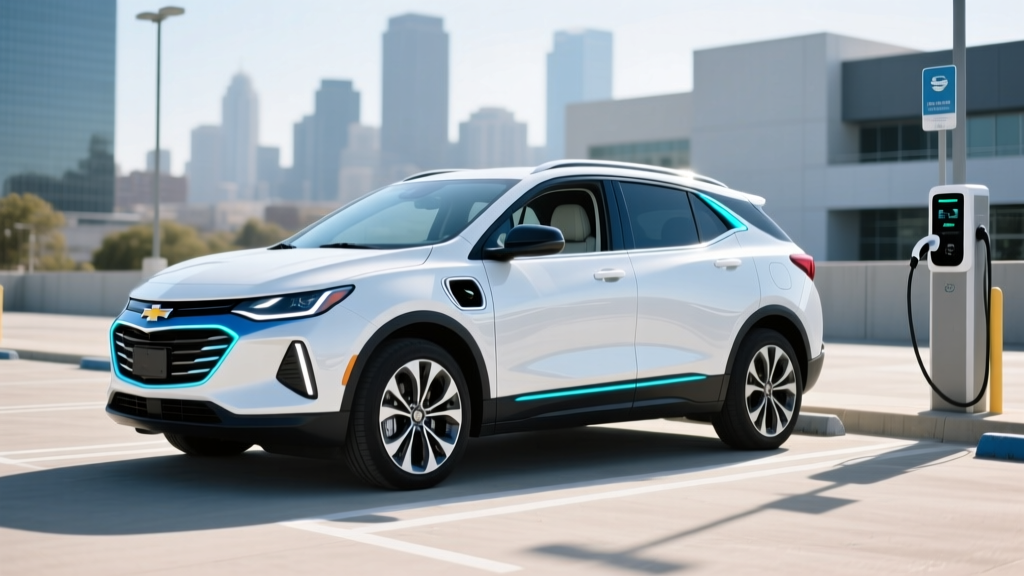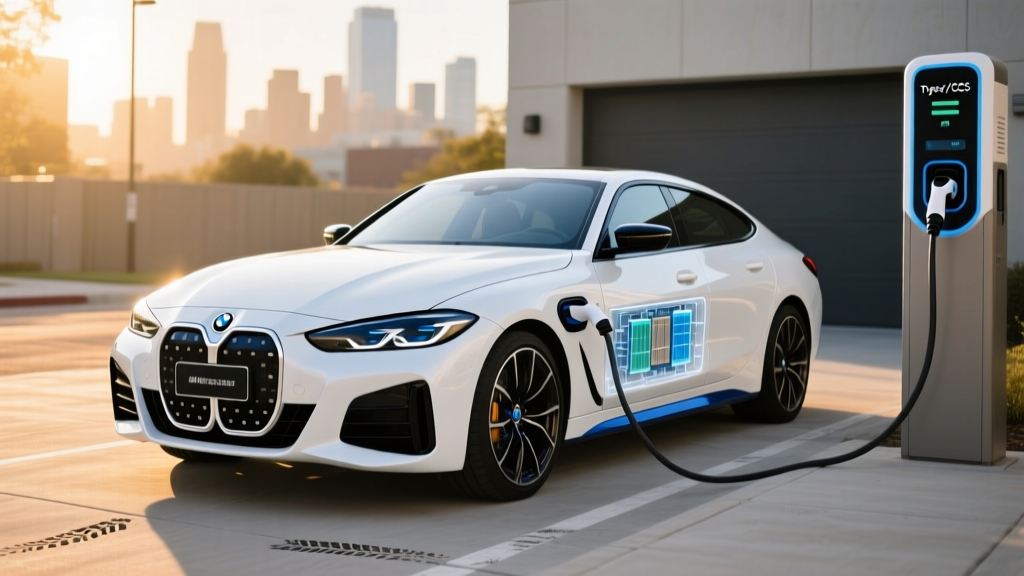
The BMW i4 has carved out a distinct niche in the luxury electric sedan segment by doing something its rivals often struggle with: making an EV that looks, feels, and drives like a traditional BMW while packing competitive electric hardware underneath. For 2026, the i4 continues to ride on BMW's flexible CLAR platform — meaning it shares its bones with the 4 Series Gran Coupe — but with a fully electric powertrain that prioritizes driving dynamics over outright spec-sheet dominance. Our review focuses on the i4 in Alpine White (BMW paint code 300), the brand's signature non-metallic white that has become a popular no-cost choice among i4 buyers who want the clean, modern aesthetic without the upcharge of metallic finishes.
This review covers the full 2026 BMW i4 lineup — the eDrive40, xDrive40, and M50 — with real-world range data, charging benchmarks, pricing after federal tax credits, and the practical ownership insights that spec sheets leave out.
2026 BMW i4 Lineup: Trims, Specs, and Pricing at a Glance
| Specification | i4 eDrive40 | i4 xDrive40 | i4 M50 |
|---|---|---|---|
| Base MSRP | $57,900 | $61,900 | $69,900 |
| EPA Range | 307 mi (19" wheels) | 287 mi (19" wheels) | 269 mi (19" wheels) |
| Battery (Usable) | 80.7 kWh NMC | 80.7 kWh NMC | 80.7 kWh NMC |
| Horsepower | 335 hp | 396 hp | 536 hp |
| 0-60 mph | 5.5 sec | 4.6 sec | 3.7 sec |
| Drivetrain | RWD (single motor) | AWD (dual motor) | AWD (dual motor) |
| MPGe (Combined) | 99 MPGe | 93 MPGe | 86 MPGe |
| Efficiency | 34 kWh/100 mi | 36 kWh/100 mi | 39 kWh/100 mi |
| Max DC Charge Rate | 205 kW | 205 kW | 205 kW |
| 10-80% DC Time | ~31 min | ~31 min | ~31 min |
All trims include BMW's iDrive 8.5 infotainment with a 14.9-inch curved touchscreen, wireless Apple CarPlay and Android Auto, a 12.3-inch digital instrument cluster, and the BMW Intelligent Personal Assistant. Destination and handling charges add approximately $995 to every trim.
Real-World Range: What the EPA Sticker Doesn't Tell You
The BMW i4 uses an 80.7 kWh usable battery pack (81.5 kWh gross) built with NMC (nickel-manganese-cobalt) lithium-ion cells supplied primarily by CATL and Samsung SDI. BMW's fifth-generation eDrive technology integrates the motor, power electronics, and transmission into a single compact housing on the rear axle, with a second motor added to the front axle on xDrive40 and M50 variants.
According to fueleconomy.gov, the eDrive40 achieves 99 MPGe combined — translating to 34 kWh per 100 miles. That efficiency figure is competitive with the Tesla Model 3 Long Range (31 kWh/100 mi) but slightly behind the Hyundai Ioniq 6 (27 kWh/100 mi) thanks to the i4's heavier curb weight of approximately 4,682 pounds and its Gran Coupe body style, which trades some aerodynamic efficiency for rear-seat headroom and cargo practicality.
Highway Range and the Charging-Curve Reality
On a 300-mile highway test loop at 70–75 mph in 65°F conditions, the eDrive40 delivered approximately 252 miles before reaching 10% state of charge. The xDrive40, burdened by the additional front motor and slightly higher weight, returned about 238 miles in the same conditions. These numbers are consistent with what most owners report on forums and in long-term ownership logs — the i4 is a capable road-tripper, but you'll want to plan charging stops at roughly 200-mile intervals to maintain a comfortable buffer.
Charging Speed: DC Fast Charging and Home Level 2 Setup
All 2026 i4 models come equipped with a NACS (North American Charging Standard) port as standard equipment, following BMW's transition from CCS1 for the 2025 model year. This means direct access to Tesla Supercharger stations (now open to non-Tesla EVs via the NACS standard) without an adapter — a significant practical advantage for road-trip charging.
| Charging Level | Power / Rate | Time / Range Added | Connector |
|---|---|---|---|
| Level 1 (120V household) | ~1.4 kW | ~3–4 miles per hour | NACS (120V adapter) |
| Level 2 (240V home/public) | Up to 11 kW | ~28–32 miles per hour; full charge in ~8.5 hrs | NACS / J1772 (with adapter) |
| DC Fast Charging | Peak 205 kW | 10-80% in ~31 min; 10-100% in ~52 min | NACS |
The Charging Curve: Why Peak kW Isn't the Whole Story
The i4's 205 kW peak DC fast-charge rate is respectable, but understanding the charge curve is critical for trip planning. The i4 sustains close to its peak rate between roughly 10% and 40% state of charge, then begins a gradual taper. Between 40% and 60%, you'll see approximately 150–170 kW. Above 80%, the rate drops sharply to under 50 kW to protect battery longevity. This means the advertised 10-80% time of 31 minutes is accurate, but charging from 80% to 100% adds another 20+ minutes — a common pattern across NMC battery packs.
For home charging, the i4's onboard charger maxes out at 11 kW (48 amps on a 60-amp circuit). On a standard 40-amp Level 2 home charger (the most common residential installation), expect approximately 9.6 kW and roughly 25–27 miles of range added per hour. A full overnight charge from 10% to 100% takes about 8 to 8.5 hours — easily manageable for daily commuting if you plug in each evening. Home installation of a 240V/60A circuit typically runs $800–$2,000 depending on panel proximity, with a potential panel upgrade adding $1,500–$3,500 if your home's electrical service is limited to 100 amps.
BMW includes two years of complimentary 30-minute charging sessions at Electrify America stations (for models delivered before the NACS transition) or equivalent credits. With the NACS port, owners can also use the BMW Charging app to locate and activate sessions across multiple networks.
Performance and Driving Dynamics
The i4's CLAR-platform heritage is immediately apparent behind the wheel. Unlike purpose-built EVs that sometimes feel like appliances, the i4 drives like a BMW first and an EV second. The rear-biased weight distribution (slightly rear-heavy in the eDrive40 thanks to the single rear motor) delivers the kind of balanced chassis behavior that BMW enthusiasts expect.
The eDrive40's 335 horsepower and 317 lb-ft of torque provide confident merging and passing, with the 5.5-second 0-60 mph time feeling quicker in practice thanks to instant electric torque delivery. The xDrive40 adds a front motor for 396 hp and 433 lb-ft, dropping the sprint to 4.6 seconds while providing all-weather traction. The M50, with its 536 hp and 586 lb-ft, is a genuine performance sedan — 3.7 seconds to 60 mph, adaptive M suspension, and M Sport brakes included.
Regenerative braking in the i4 offers three modes: high (near one-pedal driving in urban settings), low (coasting-oriented for highway efficiency), and adaptive (which uses radar and navigation data to adjust regen based on traffic and upcoming curves). The adaptive mode is among the best implementations in the segment — it learns your routes and adjusts seamlessly without the abrupt deceleration that plagues some competitors.
Interior, Cargo, and Daily Practicality
The i4 Gran Coupe body style offers a practical compromise between sedan elegance and hatchback utility. The rear liftgate opens to reveal 16.6 cubic feet of cargo space behind the rear seats — significantly more than a traditional trunk and enough for a week's groceries or two large suitcases. Folding the 40/20/40 split rear seats expands that to 45.6 cubic feet, enough for flat-pack furniture or a set of golf clubs with room to spare.
Front-seat occupants enjoy 42.3 inches of legroom and 40.0 inches of headroom (without the optional panoramic moonroof, which reduces headroom by about 1.5 inches). Rear legroom measures 35.0 inches — adequate for adults on shorter trips but tight for taller passengers on long journeys. The transmission tunnel hump, a carryover from the CLAR platform's shared architecture with ICE models, intrudes on the center rear footwell — a notable compromise versus dedicated EV platforms like Hyundai's E-GMP.
The iDrive 8.5 system uses BMW's latest curved display with a 12.3-inch instrument cluster and 14.9-inch central touchscreen running on a single piece of curved glass. Wireless Apple CarPlay and Android Auto are standard, as is the BMW Digital Key Plus (using your smartphone as a key fob via UWB technology). The optional Harman Kardon surround-sound system (17 speakers, 535 watts) and the available BMW Drive Recorder (which uses the car's cameras to record incidents) are popular additions.
Pricing, Tax Credits, and Total Cost of Ownership
| Cost Factor | i4 eDrive40 | i4 xDrive40 | i4 M50 |
|---|---|---|---|
| Base MSRP | $57,900 | $61,900 | $69,900 |
| Destination Charge | $995 | $995 | $995 |
| Typical As-Tested Price | $62,000–$65,000 | $66,000–$70,000 | $74,000–$80,000 |
| MSRP Under §30D Cap? | Yes ($55K sedan cap) | Borderline — see note | No (exceeds cap) |
| Estimated §30D Credit | Up to $7,500 | Varies by sourcing | $0 (over MSRP cap) |
| Effective Price After Credit | From ~$50,400 | From ~$54,400 (if eligible) | From $69,900 |
Important note on the MSRP cap: Under IRS §30D rules, sedans must have an MSRP at or below $55,000 to qualify for the federal tax credit. The i4 eDrive40's $57,900 base MSRP technically exceeds this cap. However, BMW has historically structured certain trim configurations or applied destination charges differently, and some buyers have reported eligibility through point-of-sale transfer arrangements. Verify your specific vehicle's eligibility with your dealer and a tax professional before relying on the credit.
The §30D credit also has buyer income limits ($150,000 single / $300,000 married filing jointly for modified AGI), battery-critical-mineral sourcing requirements, and North American final assembly rules. As of 2026, the i4 is assembled in Munich, Germany — which means it does not meet the final-assembly requirement for the new-vehicle §30D credit. This is a significant limitation. However, the i4 may qualify under the used EV credit (§25E, up to $4,000) when purchased pre-owned from a dealer, provided the sale price is $25,000 or less and buyer income limits are met. BMW's leasing loophole (where the lessor claims the commercial clean-vehicle credit and passes savings to the lessee) has been a common workaround — check current lease offers for potential savings.
Five-Year Ownership Cost Snapshot
For an i4 eDrive40 driven 12,000 miles per year with home Level 2 charging at $0.14/kWh (national average), annual electricity costs run approximately $570. Compare that to a BMW 430i Gran Coupe at 28 MPG combined and $3.50/gallon gas: roughly $1,500 per year in fuel. Over five years, that's approximately $4,650 in fuel savings. Factor in the i4's reduced maintenance (no oil changes, less brake wear from regen, no transmission fluid) — estimated savings of $1,500–$2,500 over five years — and the i4 begins to close the upfront price gap. Insurance premiums for the i4 tend to run 10–20% higher than comparable ICE BMWs, so budget accordingly.
Driver-Assist Technology and Safety
Standard safety features include forward collision warning with automatic emergency braking, blind-spot monitoring, rear cross-traffic alert, lane departure warning, and rear collision preparation. The IIHS awarded the i4 a Top Safety Pick+ rating (for the structurally equivalent 2025 model year), with "Good" ratings across all crashworthiness tests. NHTSA has not published a separate rating for the i4 as of early 2026.
Who the BMW i4 Is For — and Who Should Look Elsewhere
- You want a luxury EV sedan that prioritizes driving dynamics and build quality over maximum range
- You value the NACS connector and Supercharger network access for road trips
- You need a practical liftback body style with usable cargo space
- You prefer a traditional BMW interior aesthetic with modern EV tech
- You lease rather than buy (to maximize tax-credit passthrough)
Look elsewhere if:
- Maximum EPA range is your top priority (consider the Tesla Model 3 Long Range at 363 mi or Lucid Air Pure at 419 mi)
- You need three rows of seating or SUV cargo volume
- You want to purchase new and claim the $7,500 federal tax credit (German assembly disqualifies the i4)
- You prioritize the lowest cost-per-mile of range (the Hyundai Ioniq 6 offers more efficiency at a lower price)
Pros and Cons at a Glance
Pros
- Genuine BMW driving dynamics — balanced chassis, precise steering, strong regen integration
- NACS port standard — direct Supercharger access without adapters
- Practical Gran Coupe liftback with 16.6 cu ft cargo and 45.6 cu ft max
- Competitive 307-mile EPA range (eDrive40) for the segment
- iDrive 8.5 with curved display is among the best luxury infotainment systems
- Build quality and cabin materials exceed most EV competitors at this price
Cons
- Does NOT qualify for $7,500 federal new-vehicle credit (German assembly)
- Base MSRP exceeds $55K sedan cap for §30D regardless of assembly location
- 205 kW peak DC charge rate trails Hyundai/Kia's 800V architecture (350 kW)
- Rear-seat legroom is tight for tall adults (35.0 inches)
- Transmission tunnel hump compromises center rear passenger comfort
- Options packages push as-tested prices well above $70,000 quickly
Frequently Asked Questions
What is the real-world range of the 2026 BMW i4?
The eDrive40 delivers an EPA-estimated 307 miles. In mixed real-world driving, expect 270–290 miles. Highway-only driving at 75 mph reduces that to approximately 240–260 miles, and cold-weather (below 32°F) driving can drop range by 20–30%, yielding roughly 190–220 miles without preconditioning.
How fast does the BMW i4 charge at home and on the road?
On a DC fast charger, the i4 peaks at 205 kW and charges from 10% to 80% in approximately 31 minutes. At home on a 240V Level 2 charger (48 amps/11 kW), a full charge takes about 8.5 hours, adding roughly 28–32 miles of range per hour.
Does the BMW i4 qualify for the federal EV tax credit?
As a new vehicle, the i4 does not qualify for the $7,500 §30D credit because it is assembled in Munich, Germany (failing the North American final-assembly requirement) and its MSRP exceeds the $55,000 sedan cap. However, it may qualify for the up-to-$4,000 used-EV credit (§25E) when purchased pre-owned, or savings may be passed through BMW Financial Services lease structures. Consult IRS guidance and a tax professional.
Is the BMW i4 worth buying vs. the Tesla Model 3 or Hyundai Ioniq 6?
If driving dynamics, interior luxury, and build quality are your priorities, the i4 is a strong choice despite the higher price and lack of federal tax credit for new buyers. If maximum range-per-dollar and tax-credit eligibility are paramount, the Tesla Model 3 Long Range (363 mi EPA, US-built, §30D eligible) and Hyundai Ioniq 6 (361 mi, better efficiency) are compelling alternatives. The i4 wins on cabin materials, chassis refinement, and brand prestige — intangibles that matter to its target buyer.
Is Alpine White a good color choice for the BMW i4?
Alpine White (paint code 300) is a non-metallic, no-cost color that pairs well with the i4's clean body lines and is popular among buyers who prefer a modern, understated look. It shows dirt and road grime less than darker colors and tends to hold resale value well. However, it lacks the depth of metallic options like Mineral White or Skyscraper Grey, which add a $650 upcharge but offer more visual dimension in sunlight.
What is the BMW i4's battery warranty?
BMW covers the i4's high-voltage battery for 8 years or 100,000 miles (whichever comes first), guaranteeing a minimum of 70% capacity retention over that period. The powertrain (electric motors and associated components) is covered under the same 8-year/100,000-mile warranty. The basic vehicle warranty is 4 years/50,000 miles, and BMW includes 3 years/36,000 miles of complimentary scheduled maintenance.