Quick Verdict: Why the BMW i4 Still Commands Attention in 2026
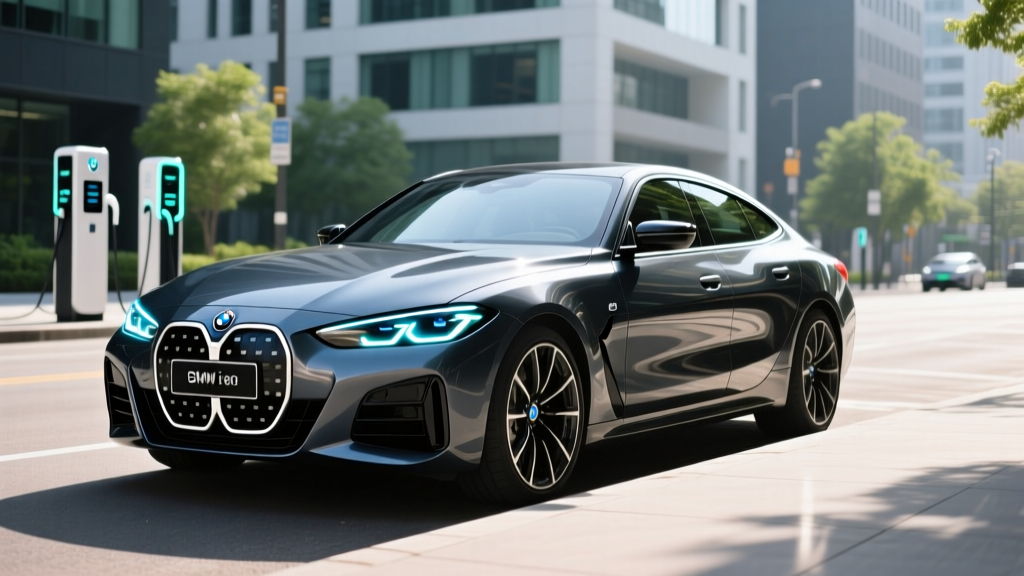
The BMW i4 remains one of the most convincing electric sedans for drivers who refuse to sacrifice driving dynamics for battery propulsion. Based on the proven CLAR platform shared with the 4 Series Gran Coupe, the 2026 i4 lineup—now featuring the refreshed eDrive40, xDrive40, and M50 trims—delivers up to 318 miles of EPA-estimated range, BMW's signature rear-biased handling, and the latest iDrive 8.5 infotainment suite. For buyers exploring BMW i4 leasing, the math can be compelling: a well-structured lease shields you from EV depreciation uncertainty while keeping you in the latest tech cycle. But before signing, you need to understand the real-world range, charging realities, and how federal incentives interact with lease versus purchase decisions.
2026 BMW i4 Lineup: Trims, Specs, and Pricing at a Glance
BMW has streamlined the i4 range for the 2026 model year. Here's how the three trims stack up across the metrics that matter most to EV buyers.
| Specification | i4 eDrive40 | i4 xDrive40 | i4 M50 |
|---|---|---|---|
| Drivetrain | Rear-Wheel Drive (single motor) | All-Wheel Drive (dual motor) | All-Wheel Drive (dual motor, M-tuned) |
| Horsepower | 335 hp | 468 hp | 536 hp (593 hp with Sport Boost) |
| 0–60 mph | 5.5 sec | 4.5 sec | 3.7 sec (3.3 sec Sport Boost) |
| Battery (usable) | 81.5 kWh (NMC) | 81.5 kWh (NMC) | 81.5 kWh (NMC) |
| EPA Range | 318 mi (18" wheels) | 279 mi (18" wheels) | 245 mi (19" wheels) |
| Efficiency | 109 MPGe (31 kWh/100mi) | 98 MPGe (34 kWh/100mi) | 87 MPGe (39 kWh/100mi) |
| Max DC Charge Rate | 205 kW | 205 kW | 205 kW |
| 10–80% DC Time | ~31 min | ~31 min | ~31 min |
| Level 2 Charge Rate | 11 kW (~33 mi/hr) | 11 kW (~33 mi/hr) | 11 kW (~33 mi/hr) |
| Base MSRP | $57,900 | $64,900 | $70,700 |
All three trims use BMW's fifth-generation eDrive technology with an 81.5 kWh usable nickel-manganese-cobalt (NMC) battery pack. Unlike some competitors that have switched to lithium iron phosphate (LFP) chemistry for standard-range models, BMW retains NMC across the i4 range for its superior energy density—critical for fitting adequate range into the Gran Coupe's low-slung floor pan. The trade-off: NMC batteries are more sensitive to sustained high states of charge, so BMW's battery management system includes a configurable charge limit (set it to 80–90% for daily use) and active thermal preconditioning.
Real-World Range: What to Expect Beyond the EPA Sticker
EPA vs. Reality — i4 eDrive40 (318 mi EPA)
- City/commute driving (65–75°F): 300–325 mi — the i4 excels here, with strong regenerative braking recapturing energy in stop-and-go traffic.
- Highway cruising (70–75 mph, 65–75°F): 255–275 mi — aerodynamic drag at sustained speed cuts range roughly 15–18% below the EPA combined figure.
- Cold weather (30°F, highway + city mix): 210–240 mi — expect 25–30% loss without preconditioning; the i4's heat pump (standard on 2026 models) helps but cannot fully eliminate winter range penalty.
- Cold weather, city only, preconditioned: 260–280 mi — the best-case winter scenario when cabin and battery are warmed while plugged in.
Source: Cross-referenced with fueleconomy.gov and independent real-world testing data.
The i4 eDrive40's 318-mile EPA figure is genuinely useful for daily life—most owners will charge once or twice a week on a home Level 2 charger and rarely think about range during the workweek. However, road-trippers should plan around the ~260-mile realistic highway figure. The M50's 245-mile EPA rating, combined with its thirstier powertrain, makes it better suited as a performance daily driver than a cross-country cruiser.
Charging Speed: DC Fast Charging and Home Setup
Charging speed is where the i4 delivers a pleasant surprise for its segment. The 205 kW peak DC fast-charge rate is competitive with the Tesla Model 3 Long Range and significantly faster than many luxury EV sedans in this price bracket.
| Charging Level | Power | Speed (Approx.) | Use Case |
|---|---|---|---|
| Level 1 (120V household) | ~1.4 kW | ~4 mi/hr | Emergency top-up only |
| Level 2 (240V home, 48A) | 11 kW | ~33 mi/hr | Daily overnight charging — full charge in ~8 hrs |
| Level 2 (public, 19.2 kW) | 11 kW (car-limited) | ~33 mi/hr | i4 caps at 11 kW AC regardless of station output |
| DC Fast Charge (CCS/NACS) | 205 kW peak | ~164 mi in 10 min | Road trips; 10–80% in ~31 min |
| DC Fast Charge (above 80%) | Tapers to ~50 kW | Slows significantly | Charge curve taper protects battery; plan stops to 80% |
Charge curve reality check: The i4 hits its 205 kW peak only between roughly 10–30% state of charge. From 30–60%, expect sustained rates around 150–170 kW, tapering to approximately 100 kW by 70%, and dropping sharply above 80%. This is normal NMC behavior managed by the battery thermal system, but it means your "10–80% in 31 minutes" claim holds while an "80–100%" top-off can add another 25–30 minutes. Plan your road-trip stops accordingly—arrive low, leave at 80%.
For 2026, the i4 ships with a NACS (Tesla-style) charge port as standard equipment in North America, with a CCS adapter available for legacy Electrify America and other CCS-only networks. This gives i4 owners access to the Supercharger network's reliability advantage—a meaningful factor for lessees who may not want to invest in a home charger immediately.
Performance, Handling, and the BMW Driving Experience
The i4's secret weapon has always been that it drives like a BMW first and an EV second. The CLAR platform's near 50/50 weight distribution carries over, and the battery pack's low mounting point gives the i4 a lower center of gravity than the gas-powered 4 Series Gran Coupe. The result: confident turn-in, minimal body roll, and a ride quality that balances sport and comfort better than most EVs in this segment.
The eDrive40's 335 hp and 5.5-second 0–60 time are more than adequate for merging and passing, with the instant torque delivery making it feel quicker than the numbers suggest. The M50's 536 hp (593 hp in 10-second Sport Boost bursts) transforms the i4 into a genuine sports sedan rival—3.7 seconds to 60 mph with a satisfying synthetic engine note piped through the speakers (deactivatable if you prefer EV silence).
Adaptive M Suspension is standard on the M50 and optional on xDrive40 trims. The base eDrive40 uses a conventional setup that still handles well but lacks the adjustable damping for those who want to dial between comfort and sport modes.
Interior, Technology, and Practicality
Inside, the 2026 i4 features BMW's Curved Display—a 12.3-inch instrument cluster merged with a 14.9-inch central touchscreen running iDrive 8.5. The system supports wireless Apple CarPlay and Android Auto, over-the-air updates, and BMW's latest voice assistant. The i4 also includes a head-up display, Harman Kardon surround sound (optional), and the BMW Digital Key Plus (UWB-based phone-as-key).
Driver assistance: The i4 comes standard with Active Driving Assistant (SAE Level 2), which includes adaptive cruise control with stop-and-go, lane-keeping assist, and automatic emergency braking. The optional Driving Assistance Professional Package adds Highway Assistant—a hands-on-wheel, eyes-on-road system that permits extended hands-off periods on divided highways at speeds up to 85 mph, with a driver-monitoring camera ensuring attention. This is not autonomous driving—you remain fully responsible for the vehicle at all times.
ADAS Limitation Notice: The i4's Highway Assistant is an SAE Level 2 driver-assistance system. It requires active driver supervision, hands on or near the wheel (depending on configuration), and continuous attention to road conditions. It does not navigate interchanges, handle construction zones, or respond to all edge cases. You are the driver.
Cargo and passenger space:
- Cargo volume (rear seats up): 16.6 cu ft — competitive with the Tesla Model 3's 23 cu ft trunk + frunk combined, but the i4's liftback-style hatch opening makes loading bulkier items easier than a traditional sedan trunk.
- Cargo volume (rear seats folded): 45.6 cu ft
- Front legroom: 42.1 in
- Rear legroom: 34.9 in — adequate for adults on shorter trips, but taller passengers will find it tighter than a Tesla Model S or BMW i5.
- No front trunk (frunk) — the eDrive components occupy the space under the hood.
BMW i4 Leasing vs. Buying: Pricing, Tax Credits, and Total Cost
Leasing the i4 in 2026 offers distinct advantages and trade-offs compared to purchasing, particularly around federal tax credit mechanics.
| Cost Factor | i4 eDrive40 | i4 xDrive40 | i4 M50 |
|---|---|---|---|
| Base MSRP (2026) | $57,900 | $64,900 | $70,700 |
| Destination Charge | $995 | $995 | $995 |
| Typical As-Tested (w/ options) | $62,000–$65,000 | $68,000–$72,000 | $75,000–$80,000 |
| Federal Tax Credit (§30D, purchase) | Up to $7,500* | Up to $7,500* | Up to $7,500* |
| Lease Credit (§45W, passed through) | Typically $7,500** | Typically $7,500** | Typically $7,500** |
| Est. Monthly Lease (36 mo, 10K mi/yr) | $650–$750 | $775–$875 | $900–$1,050 |
Critical tax credit context: When you purchase an i4, the §30D federal tax credit (up to $7,500) is subject to buyer income caps ($150K single / $300K joint modified AGI), vehicle MSRP caps ($55,000 for sedans — note: the i4 exceeds this cap at all trim levels as a sedan), and critical mineral/battery component sourcing requirements. This means the i4 eDrive40 at $57,900 MSRP does not qualify for the §30D purchase credit because it exceeds the $55,000 sedan MSRP cap.
However, leasing changes the equation entirely. Under IRS §45W (the commercial clean vehicle credit), the leasing company (lessor) claims the $7,500 credit and typically passes it through as a capitalized cost reduction—effectively lowering your monthly payment. This "lease loophole" bypasses the MSRP cap, buyer income limits, and battery-sourcing requirements that restrict the purchase credit. BMW Financial Services has historically passed the full credit through on i4 leases, making leasing the financially superior path for most buyers. Confirm the current pass-through policy with your dealer before signing, as lessor practices can change. For the latest rules, consult IRS.gov clean vehicle credits.
Battery and powertrain warranty: BMW covers the i4's high-voltage battery for 8 years or 80,000 miles (whichever comes first) against defects and capacity loss below 70% of original capacity. The powertrain warranty is 4 years/50,000 miles, matching BMW's standard new-vehicle limited warranty. For lessees on a typical 36-month lease, you'll be well within all warranty coverage periods.
Pros and Cons: The Honest Assessment
Pros
- Driving dynamics: Genuine BMW handling feel—rare in the EV segment at any price
- 318-mile range (eDrive40): Among the best in the luxury electric sedan class
- 205 kW DC fast charging: Competitive charge speed; 10–80% in ~31 minutes
- NACS port standard (2026): Direct Tesla Supercharger access without adapters
- Lease credit advantage: $7,500 federal credit passes through via §45W, bypassing MSRP cap
- Build quality: Premium materials, excellent NVH, and tight panel gaps
- Heat pump standard: Better cold-weather efficiency than resistance heating
Cons
- MSRP above §30D sedan cap: No purchase tax credit—leasing is effectively required for the federal incentive
- Rear seat space: 34.9" legroom is tight for taller adults on long trips
- No frunk: Missed opportunity for additional cargo space
- M50 range: 245 mi EPA is modest for a $70K+ EV; performance trims trade range for power
- 11 kW AC charge cap: Cannot take advantage of faster 19.2 kW public Level 2 stations
- iDrive learning curve: Climate controls buried in touchscreen menus (no physical buttons)
- Insurance costs: Premium EV insurance rates; expect $1,800–$2,500/year depending on market
Competitive Comparison: i4 vs. Model 3, Polestar 2, and Ioniq 6
The i4 doesn't exist in a vacuum. Here's how it compares to its most direct rivals on the metrics that matter:
| Metric | BMW i4 eDrive40 | Tesla Model 3 LR | Polestar 2 LRDM | Hyundai Ioniq 6 LR |
|---|---|---|---|---|
| EPA Range | 318 mi | 341 mi | 276 mi | 361 mi |
| Base MSRP | $57,900 | $47,740 | $54,300 | $46,700 |
| Max DC Charge | 205 kW | 250 kW | 205 kW | 235 kW |
| 0–60 mph | 5.5 sec | 4.2 sec (AWD) | 4.0 sec (AWD) | 5.1 sec (RWD) |
| Build Quality | Excellent | Improved (Highland) | Very Good | Good |
| Purchase Tax Credit | Not eligible (MSRP cap) | Up to $7,500 | Up to $7,500 | Up to $7,500 |
The i4's advantage lies in build quality, driving refinement, and brand prestige. The Model 3 Long Range wins on range, price, and Supercharger network native access. The Ioniq 6 delivers exceptional range at a lower price but with a less premium cabin. The Polestar 2 is the closest in spirit but trails on range and charging speed. If driving satisfaction and interior quality are your top priorities, the i4 justifies its premium. If value and maximum range dominate your decision, the Model 3 or Ioniq 6 are stronger picks.
Who Should Lease the BMW i4?
Lease the i4 if:
- You want a luxury electric sedan with genuine driving engagement and premium build quality
- Your daily commute is under 80 miles round-trip (the eDrive40 handles this with ease, charging every 3–4 days)
- You prefer to stay within the latest tech cycle—leasing for 36 months lets you upgrade as solid-state batteries and faster-charging platforms arrive
- You want the $7,500 federal credit without worrying about MSRP caps or income limits (the lease pathway)
- Home Level 2 charging is available to you (a 240V/48A circuit delivers a full overnight charge)
Look elsewhere if:
- You regularly carry four adults (the rear seat is tight; consider the BMW i5 or Tesla Model S)
- Maximum range per dollar is your priority (the Ioniq 6 or Model 3 LR deliver more miles for less money)
- You need towing capability (the i4 is not rated for towing)
- You want to purchase and claim the tax credit directly (the i4 exceeds the §30D sedan MSRP cap)
Frequently Asked Questions
What is the real-world range of the BMW i4?
The i4 eDrive40 achieves 318 miles EPA-estimated. In real-world mixed driving at moderate temperatures, expect 280–310 miles. Highway-only driving at 75 mph reduces this to roughly 255–275 miles. In cold weather (below freezing), plan for 210–240 miles unless you precondition the battery while plugged in. The M50's real-world range drops to approximately 200–220 miles on the highway.
How fast does the BMW i4 charge at home and on the road?
At home on a 240V Level 2 charger (48 amps), the i4 charges at 11 kW, adding roughly 33 miles of range per hour—a full 0–100% charge takes about 8 hours, easily completed overnight. On DC fast chargers, the i4 peaks at 205 kW, achieving a 10–80% charge in approximately 31 minutes. Expect a 10-minute fast-charge stop to add about 164 miles of range under ideal conditions.
How much does a BMW i4 lease cost after tax credits?
Typical 2026 i4 eDrive40 leases run $650–$750/month for 36 months with 10,000 miles per year and the $7,500 federal lease credit applied as a cap-cost reduction. The xDrive40 leases around $775–$875/month, and the M50 between $900–$1,050/month. Actual payments depend on your credit tier, down payment, money factor, and dealer negotiations. The lease credit (§45W) bypasses the purchase credit's MSRP cap, making leasing the most financially advantageous route for the i4.
Does the BMW i4 qualify for the federal EV tax credit?
For outright purchase, the i4 does not qualify for the §30D credit because its MSRP exceeds the $55,000 sedan cap set by the IRS. However, when leasing, the lessor can claim the §45W commercial clean vehicle credit ($7,500) and pass it through to you as a capitalized cost reduction. This is not subject to the MSRP cap, buyer income limits, or battery-sourcing requirements. Always confirm with BMW Financial Services that the credit is being passed through before finalizing your lease. See IRS clean vehicle credit guidelines for current rules.
Is the BMW i4 worth it compared to the Tesla Model 3 or Hyundai Ioniq 6?
It depends on your priorities. The i4 wins on interior quality, driving dynamics, and brand cachet. The Model 3 Long Range offers more range (341 mi), faster charging (250 kW), and a lower price ($47,740) with purchase tax-credit eligibility. The Ioniq 6 delivers class-leading range (361 mi) at an even lower price. If you value the BMW driving experience and premium cabin—and plan to lease to capture the tax credit—the i4 is an excellent choice. If pure value and range dominate, the Model 3 or Ioniq 6 are harder to beat.
What are the biggest drawbacks of the BMW i4?
The most significant limitations are: (1) no purchase tax credit due to MSRP cap, making leasing effectively mandatory for the federal incentive; (2) tight rear-seat legroom (34.9 in) compared to larger sedans; (3) no front trunk; (4) the M50's range (245 mi EPA) is modest for its price; and (5) the 11 kW AC charging cap means you can't benefit from faster 19.2 kW public Level 2 chargers. Insurance premiums also run higher than comparable gas-powered sedans.
Is BMW's battery warranty sufficient for a 36-month lease?
Absolutely. BMW covers the high-voltage battery for 8 years or 80,000 miles against defects and capacity degradation below 70%. On a typical 36-month/30,000-mile lease, you'll use less than half the warranty period. Battery degradation data from earlier i4 model years suggests approximately 3–5% capacity loss over 3 years under normal use—well above the 70% threshold. You'll return the car with minimal battery concern.
For the latest EPA efficiency data, see fueleconomy.gov. Safety ratings and crash-test data are available at NHTSA.gov and IIHS.org. Tax credit rules are subject to change; consult a tax professional for your specific situation.