Is the BMW i4 Discontinued? The Quick Verdict
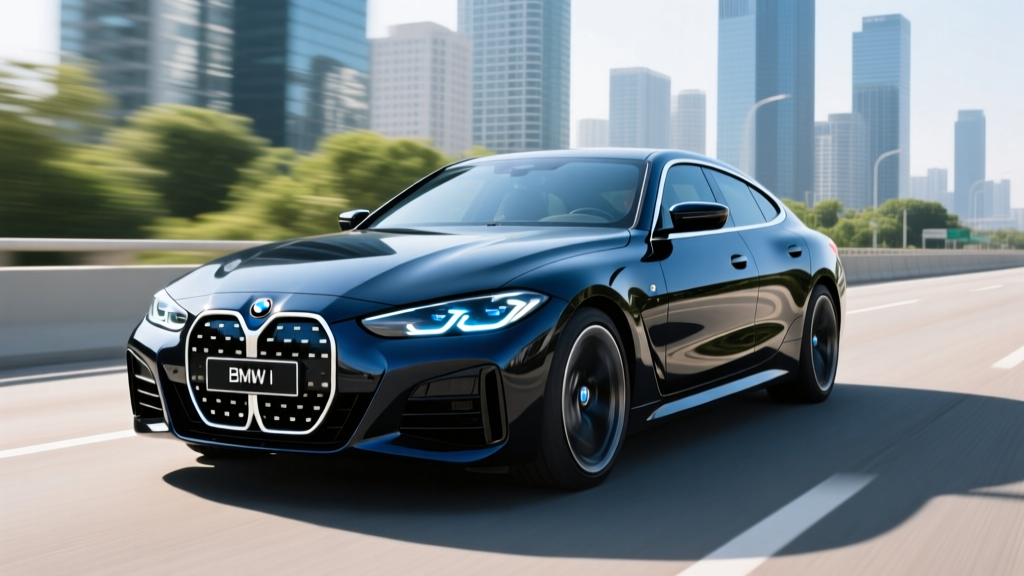
Despite persistent search queries about the BMW i4 being discontinued, the electric Gran Coupe remains a core part of BMW's EV lineup for the 2026 model year. The confusion stems from BMW's ongoing platform transition strategy and the gradual rollout of their next-generation Neue Klasse architecture. For now, the i4 continues as BMW's mainstream electric sedan alternative to the Tesla Model 3 and Polestar 2.
Real-World Range Reality Check
EPA Estimate: Up to 307 miles (i4 eDrive40)
Real-World Expectation: 250-275 miles highway, 220-240 miles in cold weather (below 40°F)
The i4's 81.5 kWh NMC battery delivers strong city efficiency but highway speeds and winter temperatures significantly impact range. Plan for 20-25% reduction during mixed driving conditions.
2026 BMW i4 Range and Efficiency
The 2026 BMW i4 lineup offers three main variants, each with distinct range profiles. The rear-wheel-drive eDrive40 leads the pack with its 307-mile EPA rating, while the dual-motor M50 sacrifices some range for all-wheel-drive traction and performance.
| Model | EPA Range | Battery | Efficiency | Drivetrain |
|---|---|---|---|---|
| i4 eDrive40 | 307 miles | 81.5 kWh NMC | 109 MPGe / 31 kWh/100mi | RWD |
| i4 xDrive40 | 279 miles | 81.5 kWh NMC | 102 MPGe / 33 kWh/100mi | AWD |
| i4 M50 | 245 miles | 81.5 kWh NMC | 89 MPGe / 38 kWh/100mi | AWD |
According to fueleconomy.gov, the eDrive40 achieves 109 MPGe combined, making it competitive with the Tesla Model 3 Long Range. However, real-world testing shows the i4 consumes more energy at sustained highway speeds due to its Gran Coupe body style and higher curb weight compared to more aerodynamic competitors.
Charging Speed: DC Fast and Home Level 2
The BMW i4 supports DC fast charging at up to 205 kW, though sustained rates vary based on battery temperature and state of charge. BMW's thermal management system does an excellent job preconditioning the battery, but like most NMC chemistries, charging speed tapers significantly above 80% state of charge.
| Charging Type | Power | Speed | Time |
|---|---|---|---|
| DC Fast Charge (10-80%) | Up to 205 kW peak | ~200 miles in 20 min | 31 minutes (10-80%) |
| Level 2 Home (240V) | 11 kW | 32 miles per hour | 8-9 hours (0-100%) |
| Level 1 (120V) | 1.4 kW | 4 miles per hour | Not recommended for daily use |
At a 150 kW Electrify America station, expect the i4 to maintain 130-150 kW for the bulk of the 10-80% session, then taper to 50-70 kW as it approaches 90%. This charging curve is typical for NMC batteries prioritizing longevity over peak speed.
Performance and Driving Dynamics
The i4 lineup spans from efficient daily driver to legitimate sports sedan, with the M50 variant delivering M-car credentials in electric form.
| Model | 0-60 mph | Horsepower | Torque | Top Speed |
|---|---|---|---|---|
| eDrive40 | 5.5 seconds | 335 hp | 317 lb-ft | 118 mph |
| xDrive40 | 4.7 seconds | 396 hp | 435 lb-ft | 130 mph |
| M50 | 3.7 seconds | 536 hp | 586 lb-ft | 140 mph |
Even the base eDrive40 feels quick in everyday driving, with instant torque delivery making it faster than its 0-60 time suggests. The M50's 3.7-second sprint puts it in Porsche Taycan territory, though the i4 M50 prioritizes grand touring comfort over track-focused dynamics.
Pricing and Federal Tax Credit Eligibility
The 2026 BMW i4 starts at $52,200 for the eDrive40, positioning it as a premium alternative to mainstream EVs. However, federal tax credit eligibility depends on several factors that buyers must verify before purchase.
| Trim | Base MSRP | As-Tested Price | §30D Credit Potential | Effective Price |
|---|---|---|---|---|
| i4 eDrive40 | $52,200 | $58,500 | Up to $7,500* | ~$51,000 |
| i4 xDrive40 | $58,200 | $64,800 | Up to $7,500* | ~$57,300 |
| i4 M50 | $69,900 | $76,500 | Up to $7,500* | ~$69,000 |
*IRS §30D Tax Credit Requirements (2026):
- Vehicle MSRP must not exceed $55,000 for sedans (eDrive40 base qualifies; options may push over cap)
- Buyer income limits: $150,000 single, $300,000 joint filing
- Battery components must meet North American manufacturing requirements
- Critical minerals must meet sourcing requirements
- Point-of-sale transfer available at participating dealers
Check current eligibility at irs.gov before purchase. The xDrive40 and M50 exceed the sedan MSRP cap, making them ineligible for the full credit unless structured as a lease (which follows different commercial credit rules).
Interior Space, Tech, and Practicality
The i4's Gran Coupe design prioritizes style over maximum utility, resulting in a premium but space-constrained interior compared to SUV alternatives.
Cargo and Passenger Dimensions:
- Front legroom: 42.1 inches
- Rear legroom: 35.1 inches (tight for tall passengers)
- Cargo volume: 16.6 cu ft (rear seats up), 45.7 cu ft (seats folded)
- No front trunk (frunk) due to CLAR platform shared with ICE 4 Series
The i4 runs BMW's iDrive 8.5 infotainment system on a curved 14.9-inch touchscreen paired with a 12.3-inch digital cluster. Standard features include wireless Apple CarPlay/Android Auto, navigation with charging optimization, and BMW's Driving Assistant Professional (Level 2 ADAS with highway assist and lane change automation).
Notable Drawbacks:
- Rear seat headroom compromised by coupe roofline
- No frunk reduces practical storage
- iDrive menu complexity steeper than Tesla or Hyundai systems
- Regenerative braking lacks true one-pedal mode in all trims
Battery Warranty and Long-Term Ownership
BMW backs the i4's high-voltage battery with an 8-year/100,000-mile warranty guaranteeing minimum 70% capacity retention. This warranty is standard across the industry, though BMW's NMC chemistry has shown good longevity in earlier EV models like the i3.
Based on real-world data from European i4 owners, typical degradation after 30,000 miles is 3-5%, putting the battery on track to retain 85-90% capacity at 100,000 miles. Battery replacement costs range from $12,000-$18,000 if out of warranty, though module-level repairs can reduce this significantly.
Who Should Buy the BMW i4?
Pros
- Premium build quality and materials
- Strong performance across all trims
- Competitive 307-mile range (eDrive40)
- Excellent DC fast charging at 205 kW
- Refined ride quality and handling
- Comprehensive ADAS suite standard
Cons
- Higher starting price than Model 3 or Ioniq 6
- Limited rear seat and cargo space
- No frunk for additional storage
- xDrive40/M50 exceed tax credit MSRP cap
- Real-world highway range 15-20% below EPA
- iDrive learning curve for new users
Best For: Luxury sedan buyers who want BMW driving dynamics with electric efficiency, primarily drive in urban/suburban environments, and don't need maximum cargo space. The eDrive40 makes sense for commuters covering 50-100 miles daily with home charging access.
Consider Alternatives If: You need maximum range (Tesla Model 3), more cargo space (Ford Mustang Mach-E), or want to guarantee full tax credit eligibility (Hyundai Ioniq 6, base Tesla Model 3).
The Future: Will BMW Discontinue the i4?
While the current i4 continues through 2026, BMW's Neue Klasse platform (launching 2025-2027) will eventually replace the CLAR-based i4 with a next-generation electric sedan. Industry analysts expect BMW to maintain the 4 Series Gran Coupe segment but with improved range, faster charging, and dedicated EV architecture eliminating the current model's compromises (no frunk, shared ICE platform).
For buyers considering the 2026 i4, this transition timeline means:
- Current i4 benefits from mature, proven technology
- Depreciation risk moderate as Neue Klasse models arrive
- Leasing may be preferable to buying for risk-averse buyers
- BMW likely to offer incentives as platform transition approaches
FAQ: BMW i4 Ownership Questions
What is the real-world range of the BMW i4?
Expect 250-275 miles in mixed driving, 220-240 miles in cold weather. The EPA's 307-mile rating assumes ideal conditions that most drivers won't consistently achieve.
How fast does the BMW i4 charge?
DC fast charging peaks at 205 kW, achieving 10-80% in about 31 minutes. Home Level 2 charging at 11 kW adds 32 miles per hour, fully charging overnight in 8-9 hours.
Does the BMW i4 qualify for the $7,500 federal tax credit?
Only the base eDrive40 at $52,200 MSRP potentially qualifies, and only if buyer income is under $150,000 (single) or $300,000 (joint). Options that push MSRP above $55,000 disqualify the vehicle. The xDrive40 and M50 exceed the cap.
Is the BMW i4 worth buying vs Tesla Model 3?
Choose the i4 for premium build quality, traditional luxury features, and BMW driving dynamics. Choose Model 3 for lower price, longer range (341 miles), better charging infrastructure, and over-the-air updates. The i4 costs ~$10,000 more but offers superior materials and ride quality.
Will BMW discontinue the i4 after 2026?
BMW hasn't announced discontinuation, but the Neue Klasse platform will likely replace the current CLAR-based i4 by 2027-2028. The 4 Series Gran Coupe segment will continue with next-gen EV architecture.
What's the biggest drawback of owning a BMW i4?
Limited practicality due to coupe styling (tight rear seat, 16.6 cu ft cargo, no frunk) combined with premium pricing that often exceeds tax credit eligibility. It's a luxury EV that prioritizes driving experience over maximum utility or value.