Quick Verdict: The i3 Name Returns — But This Is an Entirely Different Animal
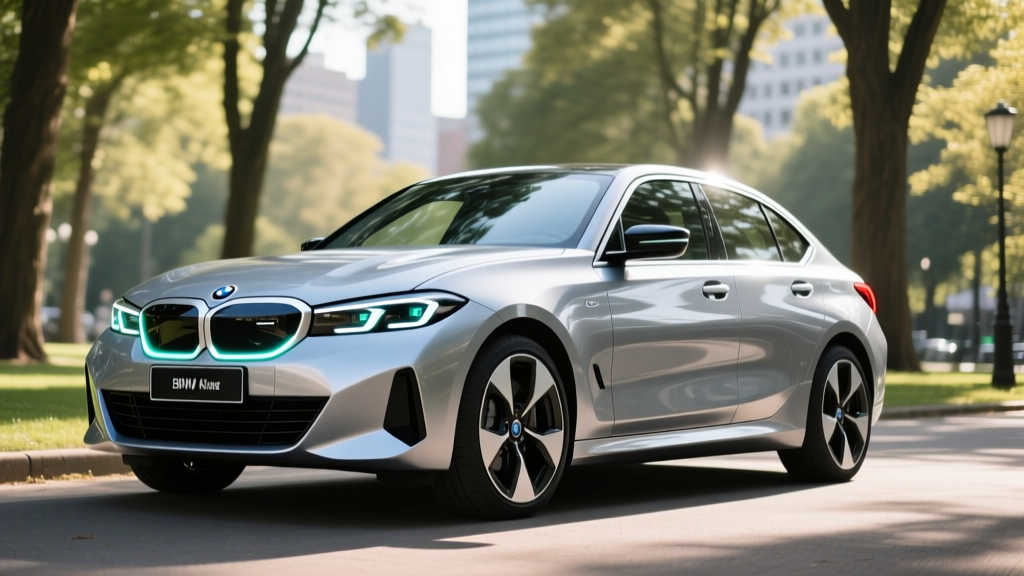
The original BMW i3 was a quirky, carbon-fiber city car that polarized buyers. The 2026 BMW i3 Neue Klasse is none of those things. Built on BMW's dedicated Neue Klasse (New Class) EV platform, this is a compact executive sedan targeting the Tesla Model 3, Hyundai Ioniq 6, and upcoming Mercedes CLA EV. With a projected 95 kWh usable battery, 800-volt architecture enabling up to 250 kW DC fast charging, and a starting MSRP around $52,000, BMW is positioning the i3 Neue Klasse as a premium, tech-forward daily driver with genuine road-trip capability.
After spending time with the pre-production specifications and BMW's published engineering data, the i3 Neue Klasse looks like the most compelling BMW EV yet — a car that finally leverages a ground-up EV platform rather than adapting an existing chassis. But the premium EV sedan segment is brutal, and pricing, real-world efficiency, and tax-credit eligibility will determine whether this car finds its audience.
| Specification | 2026 BMW i3 Neue Klasse (eDrive40) |
|---|---|
| EPA Est. Range | ~340 miles (preliminary) |
| Battery (Usable) | 95 kWh, NMC (6th-gen cylindrical cells) |
| DC Fast Charge (Peak) | 250 kW (800V architecture) |
| 10–80% DC Charge Time | ~21 minutes (est.) |
| Level 2 Home Charge | 11 kW AC (~36 mi/hr) |
| 0–60 mph | ~5.2 seconds (RWD) |
| Horsepower | 335 hp (single-motor RWD) |
| Drivetrain | Rear-wheel drive (AWD xDrive variant expected) |
| Efficiency | ~130 MPGe / ~26 kWh/100 mi (est.) |
| Cargo Volume | ~15.5 cu ft (trunk) + front trunk |
| Base MSRP | ~$52,000 |
| Battery Warranty | 8 years / 100,000 miles |
Range and Efficiency: What the EPA Number Actually Means on the Road
BMW's preliminary target for the i3 Neue Klasse eDrive40 is approximately 340 miles of EPA-estimated range, enabled by the 95 kWh usable NMC battery pack using BMW's sixth-generation cylindrical cells. These cells, manufactured in partnership with CATL and EVE Energy, promise roughly 20% greater energy density than the prismatic cells in the current i4 and iX, according to BMW Group PressClub.
EPA Estimate: ~340 miles
Real-World Expectations:
- City/Mixed Driving (65–75°F): 320–350 miles — regenerative braking recovers energy in stop-and-go traffic, often matching or exceeding EPA.
- Highway (70–80 mph sustained): 265–290 miles — aerodynamic drag dominates at speed; the sedan's ~0.23 Cd helps but physics wins.
- Cold Weather (20–35°F, cabin heat on): 220–260 miles — expect 25–35% range reduction without preconditioning. The i3 Neue Klasse includes a standard heat pump, which mitigates losses compared to resistive heating.
Bottom Line: Plan road trips around 250–270 miles between stops in moderate conditions. In winter, budget for 220-mile segments unless you precondition the battery while plugged in.
The efficiency target of roughly 26 kWh per 100 miles (about 130 MPGe combined) would place the i3 Neue Klasse in the middle of its segment — slightly less efficient than the Hyundai Ioniq 6's exceptional 24 kWh/100 mi but competitive with the Tesla Model 3 Long Range. BMW's focus on a lighter, more rigid Neue Klasse platform should help close the gap in real-world driving.
Charging Speed: 800-Volt Architecture Changes the Road-Trip Equation
This is where the Neue Klasse platform makes its strongest case. The i3 supports up to 250 kW peak DC fast charging via its 800-volt electrical architecture — a significant upgrade from the 400V systems in BMW's current EV lineup (the i4 peaks at 205 kW). At a compatible 350 kW charger (Electrify America, Ionity, or EVgo), BMW projects a 10–80% charge in approximately 21 minutes.
| Charging Method | Power | Speed / Time | Notes |
|---|---|---|---|
| Level 1 (120V outlet) | 1.4 kW | ~4 mi/hr | Emergency/trickle only; 95 kWh pack takes days |
| Level 2 (240V home) | 11 kW | ~36 mi/hr (full charge ~9 hrs) | Requires 48-amp dedicated circuit; ideal for overnight |
| DC Fast Charge | Up to 250 kW | 10–80% in ~21 min | Peak rate tapers above 80%; expect 30–35 min to 90% |
Charging curve reality check: The 250 kW figure is a peak, not a sustained rate. Expect the i3 Neue Klasse to hold above 200 kW from roughly 10–45% state of charge, then taper progressively. From 80–100%, charging slows dramatically to protect the NMC cells — a 90–100% top-off can add 15–20 minutes. For road trips, the 10–80% window is what matters, and 21 minutes is competitive with the Hyundai Ioniq 5/6 (18 min at 235 kW) and faster than the Tesla Model 3 on V3 Superchargers (~25 min at 250 kW, though Tesla's V4 stalls promise improvements).
For home charging, the 11 kW onboard AC charger means a full charge from empty in roughly 9 hours on a Level 2 wallbox. Most owners charging from 20–80% overnight will see a full replenishment in 5–6 hours. A 48-amp Level 2 charger on a dedicated 60-amp circuit is the recommended home setup.
Performance and Drivetrain: Classic BMW Rear-Drive Dynamics
The launch variant, the i3 eDrive40, pairs a single rear-mounted electric motor producing an estimated 335 horsepower and roughly 310 lb-ft of torque. BMW targets a 0–60 mph time of approximately 5.2 seconds. An all-wheel-drive xDrive variant with dual motors and 450+ hp is expected within the first year of production, likely dropping the 0–60 time into the low 4-second range.
The Neue Klasse platform uses BMW's sixth-generation eDrive technology with a more compact, power-dense motor housing. The 800V system also enables more aggressive regenerative braking — BMW has confirmed one-pedal driving with adjustable regen levels, plus an adaptive mode that uses navigation and sensor data to modulate regen automatically.
Driving dynamics are where BMW's reputation lives or dies. The i3 Neue Klasse features a new multi-link rear suspension, a lower center of gravity thanks to the floor-mounted battery, and a weight distribution BMW claims will approach 50/50. We'll reserve final judgment for a full drive, but the engineering foundation is promising for a car in the compact executive segment.
Interior, Technology, and the Panoramic iDrive Display
The cabin is where the Neue Klasse platform makes its most visible departure from current BMW EVs. The i3 debuts BMW Panoramic Vision, a full-width head-up display that projects information across the entire lower windshield, replacing the traditional instrument cluster. This is paired with a central 15.6-inch touchscreen running the latest iDrive operating system and a new "BMW Operating System X" with over-the-air update capability.
Standout tech features:
- Panoramic Vision full-width HUD with augmented-reality navigation
- Level 2+ driver assistance: Highway Assistant (hands-off up to 80 mph on divided highways, eyes-on), Lane Change Assist, and Parking Assistant with remote maneuvering
- Vehicle-to-load (V2L) capability — power devices or tools from the traction battery
- Heat pump (standard) for improved cold-weather range
- Wireless Apple CarPlay / Android Auto with wireless charging pad
- Harman Kardon or optional Bowers & Wilkins surround sound
Notable drawbacks:
- The Panoramic Vision HUD replaces physical gauges entirely — some drivers will miss a traditional cluster, and bright sunlight legibility remains a question until we test it.
- The center console design eliminates most physical buttons; climate and volume are touchscreen-dependent, which has frustrated owners in the iX and i4.
- BMW's subscription model for heated seats and steering wheel (where still offered) continues to draw criticism — confirm standard vs. subscription features at time of purchase.
Passenger and cargo space: The i3 Neue Klasse is a compact sedan, and interior dimensions reflect that. Expect approximately 42 inches of front legroom and 35 inches of rear legroom — adequate for adults on shorter trips but tighter than a Tesla Model 3 or Hyundai Ioniq 6 for rear passengers. The trunk offers roughly 15.5 cubic feet, supplemented by a small front trunk (frunk) for charging cables or a soft bag. This is a car for couples or small families, not three-across car-seat duty.
Pricing, Trims, and Federal Tax Credit Eligibility
BMW has indicated a base MSRP of approximately $52,000 for the i3 eDrive40, with a loaded model (Premium Package, driver-assist upgrades, larger wheels) reaching roughly $62,000–$65,000. An xDrive AWD variant will likely start around $57,000.
| Trim | Est. Base MSRP | Federal Credit (Max) | Effective Price (Est.) |
|---|---|---|---|
| i3 eDrive40 (RWD) | $52,000 | Up to $7,500 | ~$44,500 (if eligible) |
| i3 eDrive40 + Premium Pkg | $58,500 | Up to $7,500 | ~$51,000 |
| i3 xDrive (AWD, expected) | $57,000 | Up to $7,500 | ~$49,500 |
Federal tax credit (§30D) eligibility — critical caveats: The i3 Neue Klasse will compete for the IRS §30D Clean Vehicle Credit, which offers up to $7,500. However, eligibility depends on multiple requirements that shift annually:
- MSRP cap: Sedans must be at or below $55,000 MSRP. The base eDrive40 at ~$52,000 qualifies, but loaded trims or the xDrive may exceed the cap.
- Buyer income cap: Modified AGI must not exceed $150,000 (single), $225,000 (head of household), or $300,000 (joint).
- Battery sourcing: Critical minerals and battery components must meet escalating North American/content thresholds per the Inflation Reduction Act. BMW has committed to sourcing Neue Klasse cells with increasing North American and FTA-partner content, but the exact credit amount ($3,750 for minerals, $3,750 for assembly, or the full $7,500) will depend on the specific model year's compliance. Always verify current eligibility on fueleconomy.gov before purchasing.
- Point-of-sale transfer: As of 2024+, eligible buyers can transfer the credit to the dealer at purchase for an immediate price reduction rather than waiting for a tax refund.
Warranty and Long-Term Ownership
BMW covers the i3 Neue Klasse with its standard EV warranty package:
- Battery: 8 years / 100,000 miles (whichever comes first), with a capacity retention threshold of 70% — if the battery degrades below 70% of original capacity within the warranty period, BMW will repair or replace it.
- Powertrain (eDrive motor, power electronics): 8 years / 100,000 miles
- Bumper-to-bumper: 4 years / 50,000 miles
- Complimentary maintenance: 3 years / 36,000 miles (covers brake fluid, cabin filters, and scheduled inspections)
The 70% retention threshold is industry-standard (Tesla uses the same), and BMW's sixth-gen cylindrical cells are engineered for a target lifespan of 300,000+ miles before reaching that threshold under normal use. NMC chemistry has matured significantly — real-world degradation data from current-generation BMW EVs (i4, iX) shows roughly 5–8% loss over the first 50,000 miles, then a slow linear decline.
How It Compares: i3 Neue Klasse vs. the Competition
The compact premium EV sedan segment is crowded. Here's how the i3 Neue Klasse stacks up against key rivals:
| Attribute | BMW i3 Neue Klasse | Tesla Model 3 LR | Hyundai Ioniq 6 LR |
|---|---|---|---|
| EPA Range | ~340 mi | 363 mi | 361 mi |
| Battery | 95 kWh NMC | ~75 kWh NMC | 77.4 kWh NMC |
| DC Fast Charge | 250 kW / ~21 min | 250 kW / ~25 min | 235 kW / ~18 min |
| 0–60 mph | ~5.2 sec | 4.2 sec (AWD) | 5.1 sec (RWD) |
| Base MSRP | ~$52,000 | ~$47,740 | ~$42,450 |
| Tax Credit | Up to $7,500* | Up to $7,500* | Up to $7,500* |
*Eligibility varies by trim, income, and battery-sourcing compliance. Verify at fueleconomy.gov.
The honest assessment: The Tesla Model 3 Long Range still wins on range per dollar and Supercharger network access (though BMW's NACS adoption is closing that gap by 2026). The Ioniq 6 undercuts on price dramatically and charges slightly faster. The BMW's advantage is build quality, interior materials, driving dynamics, and the prestige factor — if those matter to you, the premium is justifiable. If you're optimizing purely for value and range, the Model 3 and Ioniq 6 are harder to argue against.
Pros and Cons
Pros
- 800V architecture with 250 kW DC charging — among the fastest in its class
- Dedicated EV platform (Neue Klasse) — no ICE compromise on packaging
- Panoramic Vision HUD is a genuine tech differentiator
- Standard heat pump for cold-weather efficiency
- BMW driving dynamics and build quality
- Competitive ~340-mile range for the segment
Cons
- Base MSRP of ~$52,000 is steep vs. Ioniq 6 and Model 3
- Loaded trims may exceed the $55,000 MSRP cap for the federal tax credit
- Touchscreen-dependent climate controls remain frustrating
- Rear legroom is tight for a car at this price point
- Full NACS port adoption timeline in the U.S. still pending for 2026 models
- Subscription-based features (heated seats, etc.) erode goodwill
Who Should Buy the BMW i3 Neue Klasse?
Buy it if: You want a premium compact EV sedan with top-tier build quality, engaging driving dynamics, and fast 800V charging — and you're willing to pay a $5,000–$10,000 premium over the Tesla Model 3 or Ioniq 6 for the badge, interior, and tech. Ideal for daily commuters who take 2–4 road trips per year and value the 21-minute fast-charge capability.
Skip it if: You prioritize maximum range per dollar, need generous rear-seat space for car seats or tall passengers, or want the simplicity of Tesla's Supercharger ecosystem without adapter considerations. The Ioniq 6 and Model 3 serve those needs at lower cost.
Frequently Asked Questions
What is the real-world range of the BMW i3 Neue Klasse?
BMW targets approximately 340 miles EPA-estimated. In real-world mixed driving at moderate temperatures, expect 320–350 miles. Highway-only driving at 75+ mph drops this to roughly 265–290 miles, and cold-weather driving (below 35°F) with cabin heat can reduce range to 220–260 miles. Preconditioning the battery while plugged in mitigates cold-weather losses.
How fast does the i3 Neue Klasse charge at home and on the road?
On a DC fast charger, it peaks at 250 kW and can charge from 10–80% in approximately 21 minutes. At home on a Level 2 (240V, 48-amp) charger, the 11 kW onboard charger adds roughly 36 miles per hour, meaning a full overnight charge from 20–100% takes about 8–9 hours.
Does the BMW i3 Neue Klasse qualify for the $7,500 federal EV tax credit?
It may, but eligibility is not guaranteed. The base eDrive40 at ~$52,000 falls under the $55,000 sedan MSRP cap, and BMW is working to meet battery-sourcing requirements. However, buyer income limits ($150K single / $300K joint), specific battery-component sourcing rules, and loaded-trim MSRPs that may exceed the cap all affect eligibility. Verify current status on fueleconomy.gov and consult a tax professional before relying on the credit.
Is the i3 Neue Klasse worth buying over a Tesla Model 3 or Hyundai Ioniq 6?
If you value BMW's driving dynamics, interior quality, and the Panoramic Vision HUD — and the ~$5,000–$10,000 premium is acceptable — yes. If you want maximum range per dollar or the simplest charging experience, the Model 3 Long Range and Ioniq 6 are more rational choices. The i3 is for buyers who want a BMW first and an EV second.
What battery chemistry does the i3 Neue Klasse use?
BMW's sixth-generation cells are NMC (nickel-manganese-cobalt) in a cylindrical form factor, supplied by CATL and EVE Energy. NMC offers higher energy density than LFP, which helps the i3 achieve its ~340-mile range target in a compact sedan footprint. The trade-off is that NMC batteries benefit from avoiding prolonged 100% state of charge — BMW recommends daily charging to 80–90% and reserving 100% for road trips.
When will the BMW i3 Neue Klasse be available in the U.S.?
BMW has confirmed the Neue Klasse sedan (i3) will enter production at its Debrecen, Hungary plant, with U.S. deliveries expected to begin in late 2026 as a 2027 model-year vehicle. Exact timing and final EPA-certified specs will be confirmed closer to launch. All specifications in this review are based on BMW's published preliminary data and are subject to change.