The BMW i3 in 2026: A Discontinued Icon Worth Your Attention
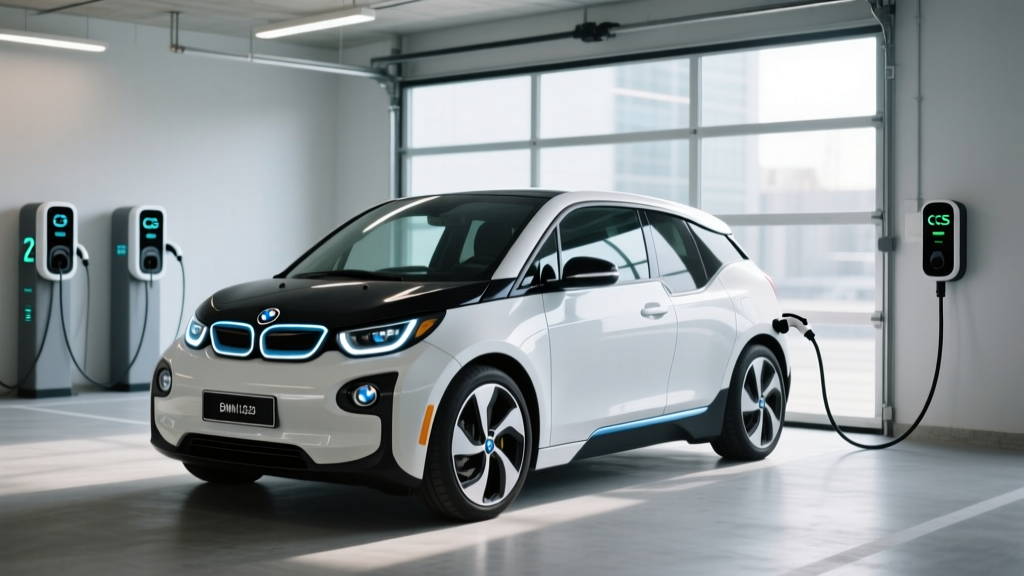
BMW ended production of the i3 in July 2022, but this carbon-fiber city car remains one of the most distinctive electric vehicles on the used market. If you're researching the BMW i3 all electric car in 2026, you're likely weighing it against newer budget EVs like the Chevy Bolt, Nissan Leaf, or Mini Cooper SE. The i3's unique construction, premium interior, and tight urban footprint make it a compelling second-hand EV — but its limited range and aging DC charging speeds demand an honest look before you sign the paperwork.
This guide covers the final-generation i3 (2019–2022 model years with the 42.2 kWh battery), which represents the best version of the car and the one most available on the used market today. We'll walk through real-world range, charging realities, ownership costs, and whether this pioneer still holds up against modern competition.
| Spec | Value |
|---|---|
| EPA Range (BEV) | 153 miles |
| Battery (usable) | 42.2 kWh (NMC lithium-ion) |
| MPGe (combined) | 113 MPGe |
| Efficiency | 30 kWh / 100 mi |
| Motor | 170 hp / 184 lb-ft (single, RWD) |
| 0–60 mph | 6.9 seconds |
| Max DC Fast Charge | 50 kW (CCS) |
| 10–80% DC Charge | ~36 minutes |
| Level 2 Charge Rate | 7.4 kW (~25 mi/hr) |
| Cargo Volume | 15.1 cu ft (rear seats up) |
| Original MSRP (2022 base) | $44,450 |
| Battery Warranty (original) | 8 yr / 100,000 mi (70% capacity) |
Real-World Range: What 153 EPA Miles Actually Means
Real-World Expectation: 120–140 miles highway; 140–155 miles city
Cold Weather (below 32°F): Expect 95–115 miles with cabin heating
The i3's 153-mile EPA rating was competitive when the 42.2 kWh battery arrived for the 2019 model year, but it trails most new EVs sold today. In practice, the i3's efficiency is genuinely impressive — its lightweight carbon-fiber-reinforced plastic (CFRP) passenger cell and narrow, low-rolling-resistance tires (155/70 R19) mean it sips electrons at roughly 30 kWh per 100 miles, per fueleconomy.gov.
City driving with frequent regenerative braking opportunities lets the i3 approach or even exceed its EPA number. Highway driving at 70–75 mph drops range to roughly 120–140 miles due to the boxy aerodynamic profile (drag coefficient of 0.29). In freezing temperatures, the i3's resistive cabin heater (it lacks a heat pump) is a significant energy draw — plan on 25–35% range loss in sustained sub-freezing conditions.
For a commuter covering 40–60 miles round trip with home charging, the i3's range is workable. For road trips, the 153-mile envelope means planning DC fast stops every 90–100 miles to stay comfortable — which brings us to the i3's most significant limitation.
Charging Speed: The i3's Biggest Compromise
| Level | Power | Time (10–80%) | Miles Added/Hour |
|---|---|---|---|
| Level 1 (120V) | ~1.4 kW | ~28 hours | ~5 mi/hr |
| Level 2 (240V) | 7.4 kW | ~4.5 hours | ~25 mi/hr |
| DC Fast (CCS) | 50 kW peak | ~36 min | N/A |
The i3's 50 kW DC fast-charging cap is the car's most dated specification. Modern EVs like the Hyundai Ioniq 5 or Kia EV6 accept 230–350 kW, making 10–80% stops a 15–18 minute affair. The i3, by contrast, needs roughly 36 minutes for the same 10–80% session, and the charge curve tapers noticeably above 80% SoC — a full 80–100% top-off can add another 20+ minutes.
At home on a Level 2 charger (240V, 32A circuit), the i3's 7.4 kW onboard charger replenishes the 42.2 kWh battery in about 4.5 hours from near-empty. This is perfectly adequate for overnight charging and means a standard 40A Level 2 home station (such as a ChargePoint Home Flex or Tesla Universal Wall Connector with J1772 adapter) will serve the i3 well.
Connector note: The i3 uses CCS1 for DC fast charging and J1772 for Level 2. BMW never offered NACS on the i3. If you primarily charge on Tesla Superchargers, you'll need to verify CCS-to-NACS adapter compatibility — BMW's older CCS implementation has had mixed results with third-party adapters, so test before relying on this for travel.
Performance, Driving Dynamics, and Daily Practicality
The i3's 170-horsepower rear-mounted electric motor delivers the instant torque common to all EVs. The 0–60 mph time of 6.9 seconds feels quicker than the number suggests, thanks to zero-lag launch from a stoplight. The i3's party trick is its turning circle — just 32.7 feet curb-to-curb — which makes it arguably the easiest EV to park in tight urban environments.
The CFRP chassis keeps curb weight around 2,900 lbs, roughly 800–1,000 lbs lighter than most compact EVs. This low mass translates to excellent efficiency, responsive handling, and reduced tire and brake wear. The single-pedal driving mode (activated by lifting off the accelerator) provides strong regenerative deceleration, though it won't bring the car to a complete stop — you still need the brake pedal for final halts.
Inside, the i3's cabin uses sustainable materials (eucalyptus wood, recycled plastics, natural fiber door panels) that still look distinctive in 2026. The 10.25-inch infotainment screen runs BMW's iDrive 6 system — functional but dated compared to current iDrive 8.5. Apple CarPlay is supported (wireless on later models), but Android Auto was never added, which is a notable gap for Android users.
Practicality is the i3's weak point. Rear-hinged "coach doors" require the front door to be open before the rear can be unlatched — awkward in tight parking spots. Rear legroom is just 31.9 inches, and the 15.1 cu ft cargo area (behind the rear seats) is adequate for groceries but not luggage for a family trip. Folding the rear seats expands cargo to roughly 36 cu ft, but the load floor is high due to the battery placement underneath.
Used Pricing, Tax Credits, and Ownership Economics
Because the i3 was discontinued in 2022, you'll only find it on the used market in 2026. Here's what the financial picture looks like:
| Item | Amount |
|---|---|
| Typical Used Price (2019–2022, 42.2 kWh) | $18,000–$28,000 |
| Federal Used EV Credit (§25E) | Up to $4,000 (30% of sale price) |
| Estimated Price After Credit | $14,000–$24,000 |
| Avg. Annual Charging Cost (12,000 mi) | ~$470 (at $0.13/kWh) |
| Avg. Annual Insurance | ~$1,400–$1,800 |
Tax credit details: The i3 does NOT qualify for the new-EV §30D credit (production has ended). However, under the IRS §25E used clean vehicle credit, buyers may claim up to $4,000 (30% of the sale price, capped at $4,000) on a qualifying used EV purchased from a dealer for $25,000 or less. Income caps apply: $75,000 single / $112,500 head of household / $150,000 joint filers. The vehicle must be at least two model years old, and the credit can be transferred to the dealer at point of sale. Confirm eligibility with your tax professional before relying on this credit.
On the operating-cost side, the i3 is exceptionally cheap to fuel. At 30 kWh/100 miles and a national average residential electricity rate of ~$0.13/kWh, annual charging for 12,000 miles costs roughly $470 — compared to approximately $1,500 for a 30-MPG gas car at $3.75/gallon. Maintenance is minimal: no oil changes, cabin air filter replacement every ~2 years, and brake pads that often last 80,000+ miles thanks to regenerative braking.
Battery Health, Degradation, and Warranty Remaining
The i3's 42.2 kWh battery pack uses Samsung SDI NMC (nickel manganese cobalt) cells arranged in 8 modules. BMW's original battery warranty covers 8 years or 100,000 miles against capacity loss below 70% of original — meaning a 2022 model year i3 retains factory battery coverage through July 2030.
Real-world degradation data from i3 owner communities and fleet studies suggests the 42.2 kWh pack holds up well. Most 2019–2022 i3s with 40,000–70,000 miles show 5–10% capacity loss (State of Health between 90–95%). The i3's active liquid thermal management system helps protect the pack from heat-related degradation — an advantage over passively cooled competitors like the Nissan Leaf.
Before purchasing a used i3, request a battery health report from a BMW dealer (the iDrive system displays an estimated range that can be cross-referenced against the original 153-mile EPA figure). Third-party OBD2 tools like BimmerCode can also read the battery's actual State of Health percentage. If the SoH reads below 85% on a car still under warranty, BMW should replace the degraded modules at no cost.
Out-of-warranty battery replacement is expensive — estimated at $12,000–$16,000 for a full pack from BMW, though individual module replacement (for isolated cell failures) can cost $1,500–$3,000 per module at an independent EV shop.
Pros and Cons: The Honest Scorecard
- Exceptional efficiency (113 MPGe, 30 kWh/100 mi)
- Ultra-tight turning circle — ideal for city parking
- Lightweight CFRP construction — unique in its class
- Strong regenerative braking for one-pedal-style driving
- Premium interior materials and build quality
- Low operating costs (~$470/yr electricity)
- Eligible for up to $4,000 used EV tax credit (§25E)
- Liquid-cooled battery with good degradation track record
- 153-mile EPA range limits road-trip practicality
- 50 kW DC fast charging is slow by 2026 standards
- No Android Auto support
- Rear coach doors are impractical in tight spaces
- Small cargo area (15.1 cu ft) and tight rear legroom
- No heat pump — significant cold-weather range loss
- CCS-to-NACS adapter compatibility is unreliable
- Discontinued — no new models, limited dealer support for some parts
BMW i3 vs. Key Used-EV Competitors
At the $18,000–$28,000 used price point, the i3 competes with several alternatives. Here's how it stacks up on the metrics that matter:
| Metric | BMW i3 (42.2 kWh) | Chevy Bolt EV | Nissan Leaf SV Plus | Mini Cooper SE |
|---|---|---|---|---|
| EPA Range | 153 mi | 259 mi | 215 mi | 114 mi |
| Battery | 42.2 kWh (NMC) | 66 kWh (NMC) | 62 kWh (NMC) | 32.6 kWh (NMC) |
| DC Fast Charge | 50 kW | 55 kW | 100 kW | 50 kW |
| 0–60 mph | 6.9 sec | 6.5 sec | 6.5 sec | 6.9 sec |
| Efficiency | 113 MPGe | 118 MPGe | 104 MPGe | 110 MPGe |
| Heat Pump | No | No | No | Yes |
| Thermal Mgmt | Liquid | Liquid | Passive (air) | Liquid |
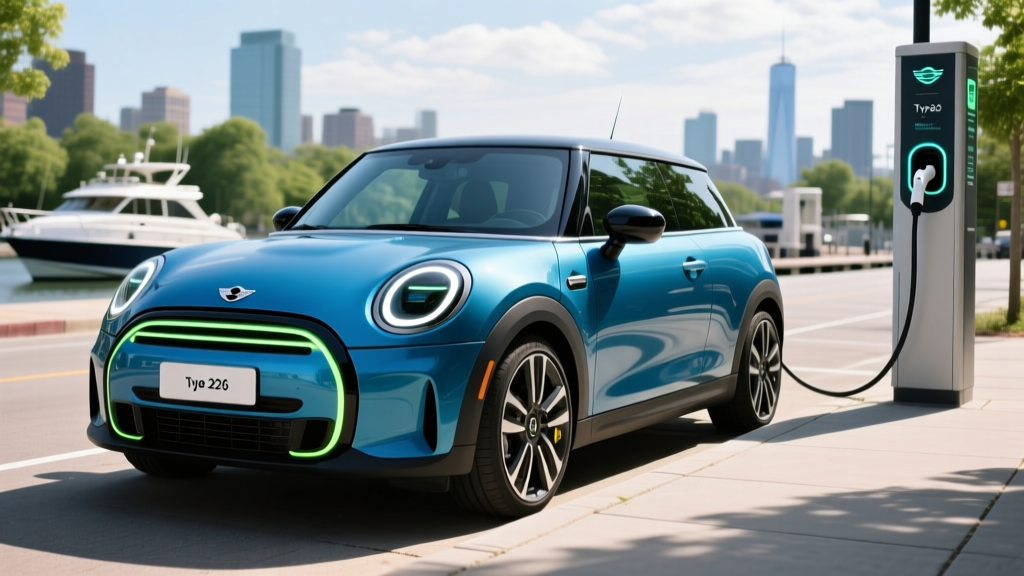
The Chevy Bolt EV is the range champion here at 259 miles EPA, making it far more road-trip capable — though its DC charging speed (55 kW) is similarly dated. The Nissan Leaf SV Plus offers 215 miles and faster 100 kW DC charging, but its passively cooled battery is a long-term degradation risk in hot climates. The Mini Cooper SE shares the i3's powertrain but sacrifices range (114 mi) for sportier styling and a heat pump.
The i3 wins on build quality, efficiency, urban maneuverability, and uniqueness. It loses on range, charging speed, and practicality. Your decision hinges on your driving pattern.
Frequently Asked Questions
What is the real-world range of the BMW i3 all electric car?
The EPA rates the 2019–2022 BMW i3 (42.2 kWh) at 153 miles. In real-world driving, expect 140–155 miles in city conditions, 120–140 miles on the highway at 70 mph, and as low as 95–115 miles in freezing weather due to the lack of a heat pump. Preconditioning the battery while plugged in can help mitigate cold-weather losses.
How fast does the BMW i3 charge at home and on DC fast chargers?
On a Level 2 home charger (240V, 7.4 kW), the i3 charges from empty to full in about 4.5 hours, adding roughly 25 miles of range per hour. On a DC fast charger, it peaks at 50 kW and takes approximately 36 minutes to go from 10–80%. This is significantly slower than modern EVs with 150–350 kW capability.
Does the BMW i3 qualify for the federal EV tax credit?
The i3 is no longer in production, so it does not qualify for the new-vehicle §30D credit. However, under the IRS §25E used EV credit, eligible buyers may receive up to $4,000 (30% of sale price, capped at $4,000) when purchasing a used i3 priced at $25,000 or less from a dealer. Income caps apply: $75,000 (single), $112,500 (head of household), $150,000 (joint). Always verify with a tax professional.
Is the BMW i3 worth buying in 2026 vs. newer EVs?
The i3 is worth considering if you need a premium-feeling urban commuter with low running costs, easy parking, and distinctive design — and if your daily driving stays under 80–90 miles. For buyers who need 200+ miles of range, frequent road trips, or back-seat space for children, the Chevy Bolt EV or a used Hyundai Kona Electric is a better fit. The i3 is a specialist, not a generalist.
How long will the BMW i3 battery last?
The i3's Samsung SDI NMC battery with liquid thermal management has shown 5–10% degradation over 40,000–70,000 miles in owner-reported data. BMW's original 8-year/100,000-mile warranty (70% capacity retention) still applies to 2019–2022 models through at least 2027–2030. With proper care — avoiding frequent 100% charges and extended DC fast charging in extreme heat — the pack should provide reliable service well past 100,000 miles.
Can I charge the BMW i3 at Tesla Superchargers?
The i3 uses CCS1/J1772 connectors. Tesla's NACS Supercharger network is not natively compatible. Some CCS-to-NACS adapters exist, but BMW's older CCS implementation has shown inconsistent handshake behavior with adapters on Tesla Superchargers. For reliable DC fast charging, stick with Electrify America, EVgo, and ChargePoint CCS stations.
Final Verdict: Who Should Buy the BMW i3 in 2026?
The BMW i3 all electric car is the right used EV for a specific buyer: someone with reliable home Level 2 charging, a commute under 70 miles round trip, a preference for premium build quality, and no need for back-seat passenger space or long road trips. At $18,000–$28,000 before the potential $4,000 used-EV credit, it offers genuine luxury-car materials and an unmatched urban driving experience at a budget price.
If you need more range, faster road-trip charging, or family practicality, the Chevy Bolt EV or a used Hyundai Kona Electric will serve you better. But if the i3's profile matches your life, it remains one of the most charming and efficient EVs ever built — and a smart buy while used prices remain attractive.