The BMW i3 in 2026: A Discontinued Icon Worth Revisiting
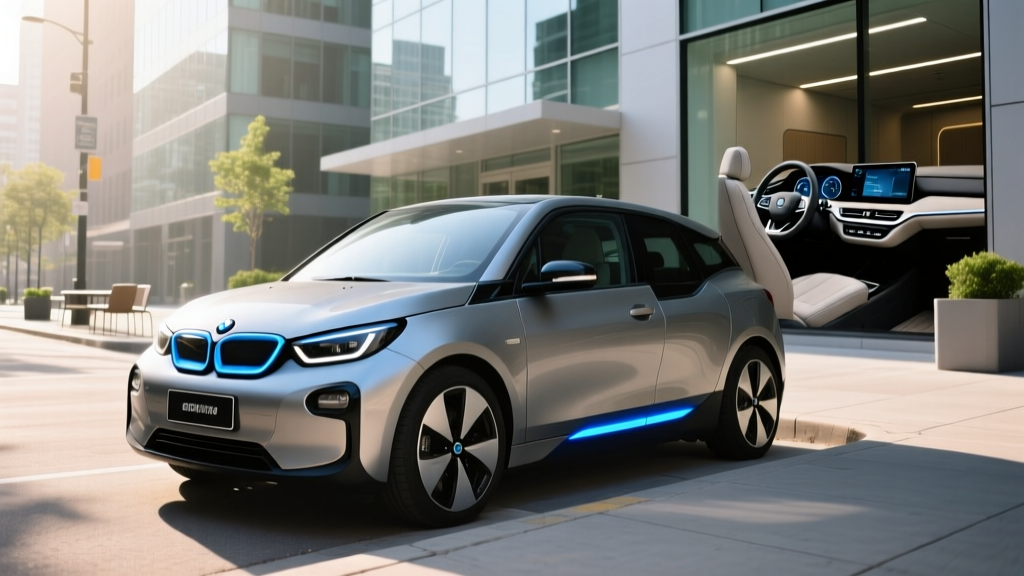
Let's clear this up immediately: BMW did not produce a 2024 model-year i3. The BMW i3 — the carbon-fiber-reinforced-plastic (CFRP) hatchback that pioneered mass-market electric mobility — ended production in July 2022 after an eight-year run. If you're searching for a "BMW i3 2024," you're likely either looking at a late-registered 2022 model, a certified pre-owned (CPO) listing, or conflating it with the BMW iX3 (a separate, China/Europe-market electric SUV). This review covers the final-production BMW i3 (model years 2019–2022) with the 120 Ah battery, which is what you'll encounter in the 2024–2026 used market.
Despite its discontinuation, the i3 remains a compelling used EV for urban commuters who value efficiency, visibility, and a genuinely unique driving experience over raw range or fast-charging speed. Here's the data-driven breakdown.
BMW i3 (120 Ah) Core Specifications
| Spec | Value |
|---|---|
| EPA Range (BEV) | 153 miles |
| Range-Extended (REx) EV Mode | 126 miles (EV-only) + ~80 mi gasoline |
| Battery (Usable) | 37.9 kWh (42.2 kWh gross), NMC lithium-ion |
| Motor Output | 170 hp / 184 lb-ft torque |
| 0–60 mph | 6.9 seconds (BEV), 7.5 sec (REx) |
| Drivetrain | Rear-wheel drive (single motor) |
| EPA Efficiency | 113 MPGe combined (29 kWh/100 mi) |
| DC Fast Charge (CCS) | 50 kW peak, 10–80% in ~36 min |
| Level 2 AC Charge | 7.4 kW (onboard), ~25 mi/hr added |
| Cargo Volume | 15.1 cu ft (rear seats up), 36.0 cu ft (folded) |
| Battery Warranty (Original) | 8 years / 100,000 miles (capacity retention ≥70%) |
| Original MSRP (2022 base) | $45,400 (BEV), $49,200 (REx) |
| Used Market (2026 est.) | $18,000–$28,000 depending on mileage/condition |
Real-World Range: What the EPA Sticker Doesn't Tell You
Real-World Expectation: 130–145 mi highway (70 mph); 155–170 mi city/regenerative driving; ~100–120 mi in sub-30°F winter conditions with cabin heating.
The i3's 153-mile EPA rating was competitive in 2019 but is modest by 2026 standards, where sub-$40k EVs routinely deliver 250+ miles. The real-world picture is more nuanced:
- City driving: The i3 excels here. Aggressive regenerative braking (up to ~0.2g deceleration) enables near one-pedal driving, and the lightweight CFRP chassis (~2,900 lbs curb weight) keeps consumption low. Expect 160–175 miles on a full charge in stop-and-go traffic at 55°F.
- Highway driving: Aerodynamics (the i3's tall, narrow profile creates a 0.29 Cd) and the 155-hp motor's efficiency drop-off at sustained 70–80 mph reduce range to roughly 130–145 miles. The i3 was never designed as a road-trip car.
- Cold weather: The i3 lacks a heat pump (resistive cabin heating draws ~3–5 kW from the pack). In 20°F conditions, expect a 25–35% range reduction. Battery preconditioning is not available on the i3, so DC fast-charging speeds also drop significantly in cold weather.
For context, the EPA's fueleconomy.gov listing confirms the 113 MPGe combined figure — one of the highest efficiency ratings of any EV sold in the U.S., meaning you extract more miles per kWh than almost any competitor.
Charging Speed: The i3's Biggest Limitation in 2026
If range is the i3's first compromise, charging speed is the second — and for used-EV shoppers in 2026, this is the more consequential one.
| Charging Method | Power (kW) | Rate / Time |
|---|---|---|
| Level 1 (120V, 12A) | ~1.4 kW | ~4 mi/hr added; full charge in ~28 hr |
| Level 2 (240V, 32A) | 7.4 kW (max onboard) | ~25 mi/hr; 0–100% in ~6 hr |
| DC Fast Charge (CCS1) | 50 kW peak | 10–80% in ~36 min; 80–100% tapers sharply |
The 50 kW DC fast-charge ceiling is a hard limit. The i3's battery management system and thermal constraints (passive air cooling, no active liquid cooling) cap charging at 50 kW even at a 350 kW Electrify America station. You'll see ~45–50 kW from 10–60% SoC, then a steep taper: 60–80% drops to ~30 kW, and 80–100% crawls at single-digit kW. A 10–80% session takes roughly 36 minutes under ideal (warm-battery) conditions; add 10–15 minutes in cold weather due to the lack of preconditioning.
For home charging, the 7.4 kW onboard charger is adequate for overnight replenishment — a full charge from 10% takes about 5–6 hours on a Level 2 wallbox. This is perfectly fine for daily commuting but means the i3 cannot take advantage of the faster Level 2 chargers (11.5–19.2 kW) that newer EVs support.
Driving Dynamics, Tech, and Interior Quirks
The i3's driving experience is where its engineering ambition shines. The carbon-fiber passenger cell (BMW calls it "Life Module") keeps weight low and center of gravity near the floor, yielding genuinely agile handling for a tall hatchback. The 170-hp electric motor delivers instant torque, and the 0–60 mph time of 6.9 seconds feels quicker in practice due to the linear power delivery and light weight.
Infotainment: The 2019–2022 i3 uses BMW's iDrive 6.0 system with a 10.25-inch display, wireless Apple CarPlay (added for 2019), and a rotary controller. It's functional but dated compared to iDrive 8.5 in current BMWs. Android Auto was never factory-supported (a significant omission for many buyers).
Driver Assistance: The i3 offers SAE Level 1 features only: adaptive cruise control, lane-departure warning, and automatic emergency braking. There is no lane-centering assist, no hands-free driving capability. This is a driver's car that demands your attention — not a proto-autonomous cruiser.
Interior materials: BMW offered the i3 with sustainable materials (eucalyptus wood trim, recycled-plastic textiles, olive-leaf-tanned leather) that still feel distinctive. The "suicide doors" (rear-hinged rear doors) improve access but require the front door to open first. Rear legroom is tight at 31.9 inches — fine for children, cramped for adults on longer trips.
Pricing, Tax Credits, and Used-Market Value
| Trim | 2022 MSRP | 2026 Used (est.) | Federal Used-EV Credit (§25E) |
|---|---|---|---|
| i3 BEV (base) | $45,400 | $18,000–$24,000 | Up to $4,000 (30% of sale price, max $4k) |
| i3 BEV w/ Tech + Driving Assist | ~$50,000 | $22,000–$28,000 | Up to $4,000 |
| i3 REx (range extender) | $49,200 | $20,000–$26,000 | Up to $4,000 |
Critical tax-credit note: The i3 does not qualify for the new-vehicle §30D credit (production ended before current sourcing rules). However, it does qualify for the §25E used-EV tax credit when purchased from a dealer for $25,000 or less. The §25E credit is 30% of the sale price, capped at $4,000, and has income limits ($75k single / $150k married filing jointly). The vehicle must be at least two model years old, purchased from a licensed dealer, and the buyer cannot have claimed a used-EV credit in the prior three years. Verify current rules at IRS.gov §25E.
At $20,000 with a $4,000 credit, a clean i3 BEV effectively costs ~$16,000 — making it one of the most affordable entry points into a premium-badge EV in 2026.
Pros and Cons: Honest Assessment
- Exceptional efficiency (113 MPGe) — lowest cost-per-mile in its class
- Unique CFRP construction — lightweight, rust-resistant, genuinely innovative
- Tight turning radius (32.8 ft) — ideal for urban parking
- Distinctive design and sustainable interior materials
- Strong regenerative braking enables one-pedal city driving
- Eligible for §25E used-EV credit (up to $4,000)
- Low maintenance (no oil, no transmission, minimal brake wear)
- 153-mile EPA range is limiting for anything beyond commuting
- 50 kW DC fast-charge cap — slow by 2026 standards
- No battery preconditioning — cold-weather charging suffers
- No Android Auto support (factory)
- Rear "suicide doors" are impractical in tight parking spaces
- Narrow 155-section tires limit wet-weather grip
- Discontinued model — long-term parts availability uncertainty
- No heat pump — winter range loss is significant
Who Should (and Shouldn't) Buy the BMW i3 in 2026
- Your daily commute is under 60 miles round-trip with home Level 2 charging
- You prioritize efficiency and urban agility over range and fast-charging
- You want a premium-badge EV for under $20,000 (after credit)
- You're a single driver or couple — rear seats are rarely occupied by adults
- You value distinctive design and sustainable materials
- You regularly drive 100+ miles between charges or take highway road trips
- You need DC fast-charging for apartment/condo living without home charging
- You require modern ADAS (lane-centering, hands-free driving assists)
- You have a family needing rear-seat space and cargo volume
- Cold-weather range (sub-20°F) is a regular concern
Key competitors in the used market (2026):
- Chevrolet Bolt EV (2020–2023): 259-mile EPA range, 55 kW DC fast-charge (still slow, but longer range compensates). Used prices ~$16,000–$22,000.
- Nissan LEAF (2021–2023, 62 kWh): 212–226-mile range, CHAdeMO connector (declining network support), ~$17,000–$24,000 used.
- Hyundai Kona Electric (2021–2023): 258-mile range, 75 kW DC fast-charge, ~$20,000–$27,000 used.
The i3 wins on efficiency and driving dynamics; it loses on range and charging speed. If your use case is pure urban commuting, the i3's compromises are irrelevant. If you need flexibility, the Bolt or Kona Electric are safer bets.
Frequently Asked Questions
What is the real-world range of the BMW i3?
The EPA rates the 120 Ah i3 BEV at 153 miles. In real-world driving, expect 155–170 miles in city conditions with regenerative braking, 130–145 miles at sustained highway speeds (70 mph), and 100–120 miles in sub-30°F winter weather due to resistive cabin heating and battery chemistry limitations.
How fast does the BMW i3 charge?
DC fast-charging peaks at 50 kW (CCS1 connector), taking approximately 36 minutes from 10–80% SoC under warm conditions. Level 2 home charging at 7.4 kW adds ~25 miles per hour, fully recharging in ~6 hours. Level 1 (120V) adds ~4 miles per hour — adequate only for emergency or very low-mileage use.
Does the BMW i3 qualify for the federal EV tax credit?
Not the §30D new-vehicle credit (production ended). However, the i3 qualifies for the §25E used-EV credit when purchased from a dealer for $25,000 or less: 30% of sale price, max $4,000, subject to buyer income caps ($75k single / $150k MFJ). Confirm eligibility with a tax professional.
Is the BMW i3 worth buying vs. a used Chevy Bolt or Nissan LEAF?
If your priority is urban efficiency, unique design, and premium build quality, yes — the i3's 113 MPGe and lightweight chassis deliver the lowest per-mile operating cost in its class. If you need 200+ mile range or faster DC charging, the Bolt (259 mi) or Kona Electric (258 mi, 75 kW) are more practical choices.
What are the biggest pros and cons?
Pros: exceptional efficiency, lightweight CFRP construction, tight turning radius, one-pedal driving, §25E credit eligibility, low maintenance. Cons: 153-mile range, 50 kW DC fast-charge cap, no battery preconditioning, no Android Auto, impractical rear doors, limited cold-weather performance, discontinued-model parts uncertainty.
How long will the i3 battery last?
BMW's original battery warranty covers 8 years/100,000 miles with ≥70% capacity retention. Real-world data from high-mileage i3 owners (2014–2018 models with earlier 60/94 Ah packs) shows ~10–15% degradation after 100,000 miles. The 120 Ah (42.2 kWh gross) pack introduced in 2019 has higher energy density and should retain usable capacity longer, but long-term data (8+ years) is still limited. NMC chemistry degrades faster if regularly charged to 100% or deeply discharged — keeping SoC between 20–80% extends lifespan.
Is the i3 REx (range extender) worth considering?
The REx adds a 647cc two-cylinder gasoline generator that extends total range to ~200+ miles (126 mi EV + ~80 mi gas). It's useful for range-anxiety mitigation but adds ~200 lbs, reduces cargo space slightly, and introduces ICE maintenance (oil changes, spark plugs, fuel system). If you have reliable home charging and a <60-mile commute, the BEV is simpler and more efficient. The REx makes sense only if you occasionally need 150+ mile flexibility without DC charging access.