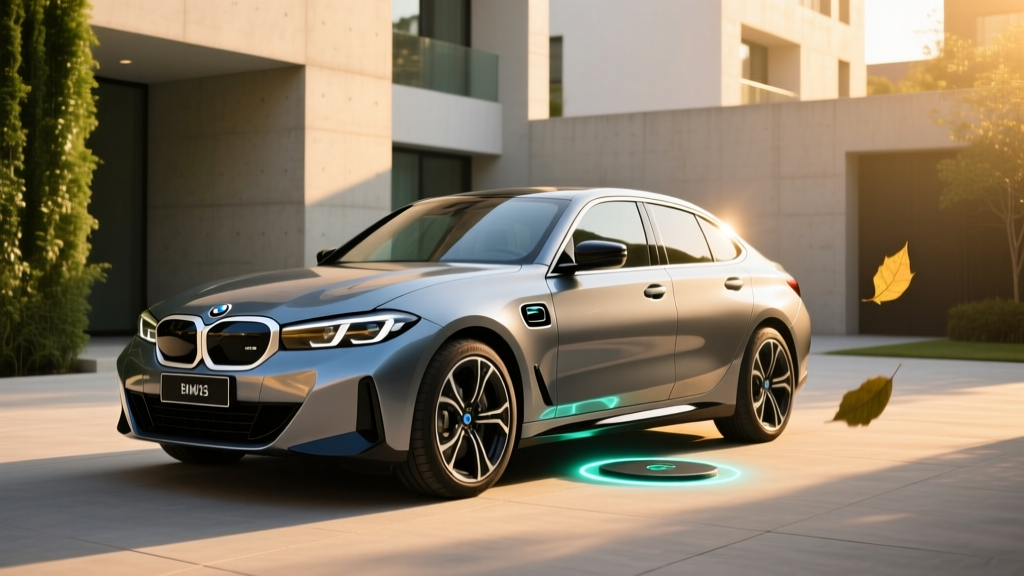
The BMW i3 has come a long way from its carbon-fiber city-car origins. The 2026 BMW EV i3 is a proper luxury electric sedan built on BMW's Neue Klasse platform, targeting buyers who want the 3 Series experience without the tailpipe. With an EPA-estimated range of 282 miles, 800-volt architecture enabling DC fast charging up to 195 kW, and a starting price around $47,400, it lands squarely in the premium compact EV sedan segment. But does it deliver enough to compete against the Tesla Model 3, Hyundai Ioniq 6, and the Mercedes-Benz CLA EV?
We've analyzed BMW's published specs, EPA data, and early real-world driving reports to give you the numbers that matter — not just the brochure figures.
2026 BMW EV i3 at a Glance
| Specification | BMW i3 eDrive40 | BMW i3 xDrive50 |
|---|---|---|
| EPA Range | 282 miles | 265 miles |
| Battery (usable) | 80.5 kWh (NMC) | 80.5 kWh (NMC) |
| Drivetrain | RWD, single motor | AWD, dual motor |
| Horsepower | 300 hp | 450 hp |
| 0-60 mph | 5.4 sec | 3.9 sec |
| DC Fast Charge (peak) | 195 kW | 195 kW |
| 10-80% DC Time | ~22 min | ~22 min |
| Level 2 Charge Rate | 11 kW (~37 mi/hr) | 11 kW (~37 mi/hr) |
| MPGe (combined) | 124 MPGe | 115 MPGe |
| Base MSRP | $47,400 | $55,900 |
| Battery Warranty | 8 yr / 100,000 mi | 8 yr / 100,000 mi |
Real-World Range: What to Actually Expect
Real-World Highway (70 mph, 72°F): ~245-255 miles
Real-World Cold Weather (30°F, mixed driving): ~210-230 miles
City / Commuter Driving: ~275-290 miles (regen-friendly)
The eDrive40's 282-mile EPA figure is competitive for the segment, but real-world results depend heavily on how and where you drive. At sustained highway speeds above 70 mph, expect to lose roughly 10-15% compared to the sticker — putting practical highway range around 245-255 miles in moderate temperatures. Cold weather compounds this: lithium-ion cells lose efficiency in freezing temperatures, and cabin heating draws significant energy even with the standard heat pump. Plan for roughly 210-230 miles in winter conditions if you're in the northern U.S.
City driving, where regenerative braking recovers energy during stop-and-go traffic, pushes range closer to or slightly above the EPA estimate. The i3's adaptive regen system — which can vary deceleration based on traffic ahead — is one of the more intuitive implementations we've seen.
Charging Speed and Infrastructure
| Charging Level | Power | Miles Added per Hour | Typical Use Case |
|---|---|---|---|
| Level 1 (120V) | ~1.4 kW | ~4-5 mi/hr | Emergency / overnight trickle |
| Level 2 (240V, 48A) | 11 kW | ~37 mi/hr | Home / workplace daily |
| DC Fast Charge | Up to 195 kW (peak) | — | Road trips |
The 2026 BMW EV i3 uses an 800-volt electrical architecture, which is a significant advantage for DC fast charging. Peak charge rate hits 195 kW on compatible CCS or NACS chargers (the i3 ships with a NACS port in North America for the 2026 model year, giving direct access to Tesla Superchargers). BMW quotes a 10-80% charge time of approximately 22 minutes under ideal conditions.
Here's where the charging curve matters: the 195 kW figure is a peak, not a sustained rate. In practice, the i3 holds strong charging speeds through roughly 50% State of Charge, then begins tapering. Expect average charging power of around 130-150 kW during a 10-80% session. Above 80%, charge speed drops substantially — a reality for all lithium-ion batteries to protect cell longevity. If you're road-tripping, plan stops around 15-20 minutes and avoid charging past 80% unless necessary.
For home charging, the onboard 11 kW AC charger adds about 37 miles of range per hour. A full overnight session on a Level 2 home charger (like a Wallbox or ChargePoint Home Flex) easily replenishes a day's worth of driving. Full 0-100% Level 2 charging takes roughly 8-9 hours.
Performance and Driving Dynamics
The eDrive40's 300-horsepower rear-mounted motor delivers a 5.4-second 0-60 mph time — quick enough for confident highway merging without being ostentatious. The xDrive50's dual-motor all-wheel-drive setup bumps output to 450 hp and drops 0-60 to 3.9 seconds, putting it in genuine sports-sedan territory.
BMW has tuned the i3's chassis to preserve the brand's driver-focused reputation. The low-mounted battery pack provides a low center of gravity, and the RWD-biased architecture (even in the AWD xDrive50) gives it a more engaging feel than many front-drive-heavy competitors. Steering is precise, though the weight is noticeable — the i3 is no lightweight at roughly 4,400 pounds for the eDrive40.
One-pedal driving is available but not default; BMW lets you choose between strong regen (B mode) and a coasting mode that mimics a conventional car's freewheel behavior. This flexibility will appeal to drivers transitioning from ICE vehicles who find aggressive regen jarring.
Interior, Cargo, and Technology
The 2026 i3 cabin reflects BMW's latest design language: a curved display panel combines a 14.9-inch infotainment touchscreen with a 12.3-inch digital instrument cluster, running iDrive 9. Wireless Apple CarPlay and Android Auto are standard, as is a Wi-Fi hotspot and over-the-air update capability.
Dimensions:
- Front legroom: 41.5 inches
- Rear legroom: 35.2 inches
- Cargo volume (rear seats up): 15.1 cu ft
- Cargo volume (rear seats folded): 46.2 cu ft
Rear-seat space is adequate for adults on shorter trips but tighter than a Tesla Model 3 or Hyundai Ioniq 6 for taller passengers. Cargo space is competitive for the segment, though the lack of a front trunk (frunk) is a missed opportunity — that space is occupied by HVAC and power electronics.
On the driver-assistance front, the i3 includes BMW's Driving Assistant Professional package, which offers adaptive cruise control with stop-and-go, lane-centering steering assist, and automated lane changes on highways. This is an SAE Level 2 system — the driver must remain attentive and keep hands on or near the wheel at all times. It is not autonomous driving. The Highway Assistant feature works well on divided highways but disengages on complex interchanges and in construction zones.
Pricing, Trims, and Federal Tax Credit
| Trim | Base MSRP | Est. After §30D Credit* | Key Additions |
|---|---|---|---|
| eDrive40 | $47,400 | ~$39,900 | Base RWD, 282-mi range, iDrive 9 |
| eDrive40 Premium | $52,800 | ~$45,300 | Harman Kardon audio, HUD, parking assist |
| xDrive50 | $55,900 | ~$48,400 | AWD, 450 hp, 265-mi range |
*Federal tax credit eligibility under IRS §30D depends on multiple factors current for the 2026 tax year:
- MSRP cap: Sedans must be priced at or below $55,000. The eDrive40 qualifies; the xDrive50 at $55,900 base exceeds the cap unless a lower MSRP configuration is available.
- Buyer income cap: Modified AGI must not exceed $150,000 (single), $225,000 (head of household), or $300,000 (joint filers).
- Battery sourcing: A percentage of critical minerals and battery components must be sourced from the U.S. or FTA partners. BMW's supply chain compliance varies by production batch — confirm with your dealer.
- Point-of-sale transfer: Eligible buyers can apply the credit as an upfront discount at purchase rather than waiting for tax filing.
The eDrive40 is the credit-friendly choice. The xDrive50's base MSRP pushes past the $55,000 sedan cap, which means AWD buyers may need to rely on state incentives or lease structures (where the §45W commercial credit may apply to the lessor). Always verify current eligibility at IRS.gov and consult a tax professional before counting on the credit.
Pros, Cons, and Who Should Buy
Pros
- 800V architecture enables genuinely fast 195 kW DC charging
- NACS port standard — direct Tesla Supercharger access
- Engaging RWD driving dynamics with BMW steering feel
- Competitive 282-mile EPA range on eDrive40
- Premium interior materials and iDrive 9 tech suite
- Heat pump standard (preserves winter range)
Cons
- No front trunk (frunk) — cargo space limited to rear
- xDrive50 likely ineligible for federal §30D credit (MSRP cap)
- Rear legroom tighter than Tesla Model 3
- Highway Assistant (Level 2) requires constant supervision
- Base price higher than Ioniq 6 and Model 3
- Real-world cold-weather range drops ~18-20%
Best for: Luxury-oriented commuters and driving enthusiasts who want a premium badge, fast charging, and engaging dynamics in a compact electric sedan. It's ideal for buyers who already have home Level 2 charging and want NACS Supercharger access for road trips without adapters.
Not ideal for: Families needing maximum rear-seat space, budget-focused buyers (the Ioniq 6 and Model 3 deliver more range per dollar), or those in extreme cold climates where the 282-mile range may compress to ~210 miles in deep winter.
Frequently Asked Questions
What is the real-world range of the 2026 BMW EV i3?
The EPA estimates 282 miles for the eDrive40 and 265 miles for the xDrive50. In real-world highway driving at 70+ mph in moderate temperatures, expect 245-255 miles. In cold weather (below freezing), plan for 210-230 miles. City driving with regenerative braking can approach or slightly exceed the EPA figure.
How fast does the BMW i3 charge at home and on the road?
On a DC fast charger, the i3 peaks at 195 kW and charges from 10-80% in approximately 22 minutes (averaging ~130-150 kW across the session). At home on a Level 2 charger (240V, 48A), it charges at 11 kW, adding about 37 miles of range per hour — enough for a full overnight charge.
Does the 2026 BMW i3 qualify for the $7,500 federal EV tax credit?
The eDrive40 at $47,400 MSRP falls under the $55,000 sedan cap and is likely eligible, pending buyer income limits and battery-sourcing compliance. The xDrive50 at $55,900 base exceeds the MSRP cap and likely does not qualify under §30D. Check current rules at IRS.gov and confirm with a tax professional.
Is the BMW i3 worth buying over a Tesla Model 3 or Hyundai Ioniq 6?
The i3 wins on interior luxury, build quality, and driving dynamics. The Tesla Model 3 offers more range (up to 363 miles on Long Range AWD), a more mature Supercharger network experience, and lower pricing. The Hyundai Ioniq 6 delivers 361 miles of range on its Long Range RWD trim at a lower price point. If premium materials and BMW's driving character are priorities, the i3 is compelling. If range-per-dollar is paramount, look at the competitors.
What battery chemistry does the BMW i3 use?
The 2026 i3 uses an NMC (nickel manganese cobalt) lithium-ion battery with 80.5 kWh of usable capacity. NMC offers higher energy density than LFP chemistry, which is why BMW can fit meaningful range into a compact sedan platform. The trade-off is that NMC cells are generally more sensitive to sustained 100% State of Charge — BMW recommends daily charging to 80-90% for longevity.
What is the battery warranty?
BMW covers the high-voltage battery for 8 years or 100,000 miles, whichever comes first. The warranty guarantees the battery will retain at least 70% of its original capacity during that period. The broader vehicle limited warranty runs 4 years / 50,000 miles.