Quick Answer: Which BMW Electric Model Fits Your Needs?
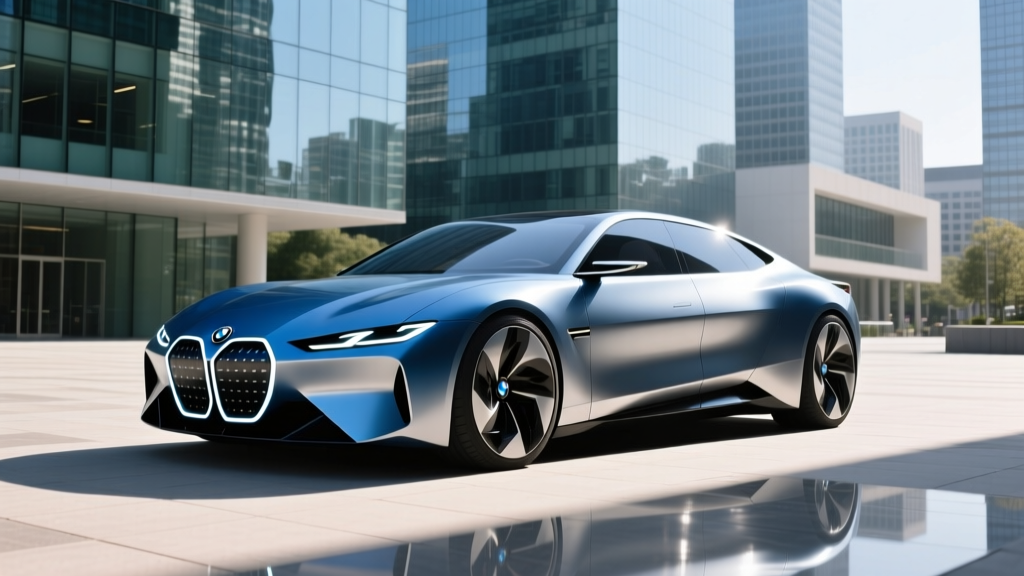
BMW's 2026 electric lineup spans four core models: the i4 (sportback sedan, ~307 mi EPA, from ~$52,000), the i5 (mid-size luxury sedan, ~295 mi EPA, from ~$71,000), the i7 (full-size flagship, ~318 mi EPA, from ~$106,000), and the iX (mid-size SUV, ~324 mi EPA, from ~$87,000). All use BMW's 5th-gen eDrive architecture with NMC battery chemistry and support DC fast charging up to 205 kW. None currently qualify for the full $7,500 federal §30D tax credit due to battery-sourcing rules, making lease incentives or state rebates the primary offset strategies. The i4 is the best entry point for daily commuting under 60 miles round-trip; the iX suits families needing cargo space and all-weather AWD.
The 2026 BMW EV Lineup at a Glance
BMW has consolidated its electric offerings around vehicles that share the flexible CLAR platform, meaning each electric variant closely mirrors its gas-powered counterpart in cabin dimensions and driving dynamics. Here is the current lineup with verified specifications:
| Model | Body Style | Battery (kWh usable) | EPA Range | Peak DC Charge | 10–80% Time | 0–60 mph | Base MSRP |
|---|---|---|---|---|---|---|---|
| i4 eDrive40 | Gran Coupe | 81.5 (NMC) | 307 mi | 205 kW | ~31 min | 5.5 sec | $52,200 |
| i4 M50 | Gran Coupe | 81.5 (NMC) | 271 mi | 205 kW | ~31 min | 3.7 sec | $67,200 |
| i5 eDrive40 | Sedan | 84.3 (NMC) | 295 mi | 205 kW | ~30 min | 5.7 sec | $71,300 |
| i5 M60 | Sedan | 84.3 (NMC) | 256 mi | 205 kW | ~30 min | 3.7 sec | $85,300 |
| i7 eDrive50 | Full-Size Sedan | 101.7 (NMC) | 318 mi | 195 kW | ~34 min | 4.5 sec | $106,700 |
| iX xDrive50 | Mid-Size SUV | 111.5 (NMC) | 324 mi | 200 kW | ~35 min | 4.4 sec | $87,250 |
| iX M60 | Mid-Size SUV | 111.5 (NMC) | 296 mi | 200 kW | ~35 min | 3.6 sec | $111,500 |
Sources: fueleconomy.gov, BMW USA official specifications. MSRP excludes $995 destination. Real-world highway range typically runs 10–15% below EPA; cold-weather (below 32°F) can reduce range by 20–30%.
Real-World Range Reality Check
The iX xDrive50's 324-mile EPA rating is among the best in BMW's lineup, but expect ~270–285 miles on sustained 75-mph highway driving in moderate temperatures. In sub-freezing conditions without preconditioning, that figure can drop to ~225–240 miles. BMW's heat pump (standard on i5, i7, iX; optional on i4) recovers significant efficiency in cold weather — worth the option box check if you live north of the 37th parallel.
BMW Electric vs. Gas: The Cost and Experience Comparison
The most common cross-shopping decision for BMW buyers is whether to go electric or stick with a gas equivalent. Here is a data-driven comparison between the i4 eDrive40 and its closest gas sibling, the 430i Gran Coupe:
| Factor | i4 eDrive40 (EV) | 430i Gran Coupe (Gas) |
|---|---|---|
| Base MSRP | $52,200 | $48,300 |
| Energy/Fuel Cost per Mile | $0.043 (home L2 @ $0.14/kWh) | $0.154 (30 MPG @ $4.60/gal) |
| Annual Energy (12k mi) | $516 | $1,848 |
| Annual Maintenance (est.) | $350 | $850 |
| 0–60 mph | 5.5 sec | 5.8 sec |
| EPA Efficiency | 109 MPGe combined | 29 MPG combined |
| Cargo Volume | 16.6 cu ft | 16.6 cu ft |
| 5-Year Energy + Maint. | $4,330 | $13,490 |
Energy cost assumes national average residential electricity ($0.14/kWh) and AAA national gas average ($4.60/gal). Actual costs vary by utility rate and region. Source: fueleconomy.gov, AAA Fuel Gauge.
The i4 carries a ~$3,900 premium at purchase but recoups roughly $9,160 in energy and maintenance savings over five years at 12,000 miles annually. That's a net savings of approximately $5,260 before factoring in insurance (typically 10–15% higher on the EV) and depreciation (historically steeper on luxury EVs, though narrowing).
Charging: What You Actually Need to Know
BMW electric models all use the CCS1 connector for DC fast charging and J1772 for Level 2 AC charging. BMW has announced NACS (Tesla Supercharger) adapter support, but as of early 2026, CCS remains the native port on all delivered vehicles.
| Level | Connector | Power (kW) | Speed (mi/hr added) | Typical Use Case |
|---|---|---|---|---|
| Level 1 | J1772 (120V) | 1.4 kW | ~4 mi/hr | Emergency/top-off only |
| Level 2 (home) | J1772 (240V, 48A) | 11.5 kW | ~33 mi/hr | Daily overnight charging |
| DC Fast | CCS1 | Up to 205 kW | ~550 mi/hr (peak) | Road trips, 10–80% in ~31 min |
Home Level 2 Installation: What to Budget
If you have a garage or dedicated parking spot with panel capacity, expect the following for a 48-amp Level 2 home charger (like the BMW Wallbox or a ChargePoint Home Flex):
| Item | Cost Range |
|---|---|
| Level 2 charger hardware | $400–$700 |
| Electrician labor (240V/60A circuit) | $800–$2,500 |
| Permit and inspection | $100–$400 |
| Panel upgrade (if needed, 100A→200A) | $1,500–$3,500 |
| Total (no panel upgrade) | $1,300–$3,600 |
| Total (with panel upgrade) | $2,800–$7,100 |
Always consult a licensed electrician for your specific panel capacity. The BMW i4's onboard charger accepts up to 11 kW AC; the i5/i7/iX accept up to 11 kW as well, meaning a 48-amp circuit delivers near-maximum charge speed for all models.
Charging-curve reality: BMW's 205 kW peak rate is sustained only between roughly 10–35% state of charge. Between 35–60%, expect ~150 kW; from 60–80%, the rate tapers to ~80–100 kW. This is why the 10–80% time is ~31 minutes rather than the ~24 minutes a sustained peak would suggest. Always precondition the battery (via the BMW app navigation-to-charger feature) to hit peak rates at public DC stations.
Federal Tax Credit & Incentive Landscape
As of 2026, BMW electric models face a challenging federal incentive environment. Under IRS §30D rules, the $7,500 credit requires both critical-mineral and battery-component sourcing thresholds that BMW's current supply chain does not fully meet. Most BMW EVs currently qualify for $0 or $3,750 (partial critical-minerals credit only, subject to annual sourcing updates).
§30D Eligibility Checklist (2026)
- MSRP cap: Sedans ≤$55,000; SUVs/vans/pickups ≤$80,000 (i4 eDrive40 qualifies; i4 M50, i5, i7 exceed; iX qualifies as SUV)
- Buyer income cap: AGI ≤$150k single / $300k joint
- Battery sourcing: Critical minerals + component thresholds (BMW partial compliance)
- Point-of-sale transfer: Available if credit is approved — reduces out-of-pocket at dealer
- Lease loophole: Commercial clean vehicle credit (§45W) may allow lessor to pass $7,500 savings as lease cash — ask dealer for current BMW Financial lease offers
Key strategy: Because purchase credit eligibility is limited, many BMW EV buyers find better economics through leasing, where the dealer's financing arm (BMW Financial Services) can capture the commercial credit and pass it through as a capitalized-cost reduction. Current lease offers on the i4 have included $5,000–$7,500 in lease cash, effectively replicating the credit. Always compare lease vs. buy math before committing.
5-Year Total Cost of Ownership: BMW i4 vs. Gas 430i
| Category | i4 eDrive40 | 430i Gran Coupe |
|---|---|---|
| Purchase Price (MSRP) | $52,200 | $48,300 |
| Federal Tax Credit | $0–$3,750 | $0 |
| Estimated Depreciation (5 yr) | $23,500 | $19,300 |
| Energy/Fuel (5 yr, 60k mi) | $2,580 | $9,240 |
| Maintenance (5 yr) | $1,750 | $4,250 |
| Insurance (5 yr est.) | $10,500 | $9,000 |
| 5-Year Total Cost | $38,330–$34,580 | $32,490 |
Depreciation estimates based on Kelley Blue Book 5-year projections for luxury EVs vs. gas equivalents. Insurance averages from national data; your rate depends on zip code, driving record, and coverage. Energy assumes $0.14/kWh home charging and $4.60/gal gas. If you secure $7,500 in lease cash, the i4's 5-year cost drops to ~$31,080, undercutting the gas 430i.
Common Misconceptions About BMW EVs
| Myth | Fact |
|---|---|
| "BMW EV batteries degrade quickly" | BMW warranties the high-voltage battery for 8 years/100,000 miles against dropping below 70% capacity. Real-world data from 3rd-gen i3 owners shows ~8–10% degradation at 100k miles with normal use. |
| "You can't road-trip a BMW EV" | With 270+ miles real-world range and 205 kW DC charging (adding ~180 miles in 20 minutes), road trips require only brief stops. The Electrify America and EVgo networks cover all major US interstate corridors. |
| "All BMW EVs get the $7,500 tax credit" | As of 2026, most BMW models do NOT qualify for the full credit due to battery-sourcing requirements. Lease structures may replicate the benefit. |
| "The i4 M50 is just as efficient as the eDrive40" | The M50's dual motors and 536 hp reduce EPA range from 307 to 271 miles and efficiency from 109 to 97 MPGe. You trade ~36 miles of range for 2.0 seconds off 0–60. |
| "I need a Tesla to use Superchargers" | BMW supports NACS adapter access to Tesla Superchargers (V3 and newer) as of 2025. Check BMW's latest adapter compatibility list before purchase. |
Decision Framework: Which BMW Electric Model Is Right for You?
Choose the i4 eDrive40 if:
- Your daily commute is under 80 miles round-trip
- You want the lowest entry price into BMW's EV lineup
- You primarily drive solo or with one passenger
- You have access to Level 2 home charging
Choose the i5 eDrive40 if:
- You need a traditional mid-size luxury sedan with more rear-seat room
- You want the latest iDrive 8.5 interface and available Highway Assistant (Level 2 hands-free on compatible highways)
- Budget allows $70k+ and you value ride comfort over sportiness
Choose the iX xDrive50 if:
- You need SUV cargo space (35.5 cu ft behind rear seats, 77.9 cu ft folded)
- You live in a snow-belt state and want standard AWD
- You frequently carry 3–4 passengers and need easy ingress/egress
- MSRP under $80k matters for potential §30D SUV cap eligibility
Choose the i7 eDrive50 if:
- You want S-Class/Taycan-level luxury with an electric powertrain
- Rear-seat comfort and available 31-inch Theater Screen are priorities
- Budget exceeds $100k and federal credits are not a deciding factor
Skip a BMW EV for now if:
- You live in an apartment with no charging access and no workplace charging
- Your only parking is street-side with no realistic path to a Level 2 installation
- You regularly drive 400+ mile one-way trips in rural areas with sparse DC infrastructure
- You need a third row — BMW does not currently offer a 3-row electric SUV
Frequently Asked Questions
Do BMW electric models qualify for any state incentives?
Yes, but it varies significantly by state. California's CVRP has been restructured; Colorado offers up to $5,000 in state tax credits for EVs under certain price caps; New York and Massachusetts have utility-specific rebates. Check your state energy office and local utility for current programs, as these change annually.
What is BMW's battery warranty?
BMW covers the high-voltage battery for 8 years or 100,000 miles (whichever comes first) against capacity falling below 70% of original. The electric drivetrain (motor, power electronics) is covered for the same period. This is standard among luxury EV competitors and aligns with federal emissions-component warranty requirements.
Can I charge a BMW EV at Tesla Superchargers?
Beginning in 2025, BMW EVs gained access to Tesla's V3+ Supercharger network via a BMW-approved NACS adapter. As of 2026, confirm adapter availability and compatibility with your specific model year through your dealer. Future BMW models are expected to ship with native NACS ports.
How does cold weather affect BMW EV range?
In sustained temperatures below 32°F, expect a 20–30% range reduction due to battery chemistry limitations and cabin-heating energy draw. BMW's available heat pump (standard on i5/i7/iX) reduces this penalty to approximately 15–20%. Preconditioning while plugged in recovers significant range by warming the battery and cabin using grid power before departure.
Is BMW's Highway Assistant the same as self-driving?
No. Highway Assistant is an SAE Level 2 driver-assistance system that provides hands-free driving on pre-mapped divided highways at speeds up to 85 mph, but requires the driver to keep eyes on the road (monitored via interior camera). It does not navigate city streets, handle construction zones autonomously, or replace driver attention. Only Level 4 systems (like Waymo's robotaxi) operate without a human driver.
What does maintenance look like on a BMW EV vs. gas?
EVs eliminate oil changes, spark plugs, transmission fluid, and most belt-driven accessories. You still need cabin air filter replacement (~$100–$150 annually), brake fluid checks (every 2 years), tire rotation, and wiper fluid. Brake pads last significantly longer due to regenerative braking — many EV owners report 80,000+ miles on original pads. BMW offers a complimentary maintenance program for 3 years/36,000 miles on new vehicles.
A note on automation: All BMW driver-assistance features — including Driving Assistant Professional and Highway Assistant — are SAE Level 2 systems. You remain the driver at all times and are legally responsible for the vehicle. No BMW sold in 2026 offers Level 3 or higher autonomous capability in the US market.