Quick Answer: Should You Wait for BMW's 2027 EVs?
The BMW 2027 EV lineup leak centers on the Neue Klasse platform — a ground-up EV architecture debuting with the next-generation iX3 SUV (expected late 2026 as a 2027 model) and an i3 sedan shortly after. Leaked details suggest 800V electrical architecture, ~370+ miles of WLTP range (~310–330 EPA estimated), and peak DC charging up to 300 kW. However, these are preliminary, unreleased specifications. If you need an EV in the next 6–12 months, current 2026 models like the BMW iX or rival SUVs offer known quantities with available federal tax credits. If your purchase timeline extends into mid-2027 and you want next-gen efficiency and charging, waiting may pay off — but expect limited initial availability and uncertain pricing.
What the BMW 2027 EV Lineup Leak Actually Reveals
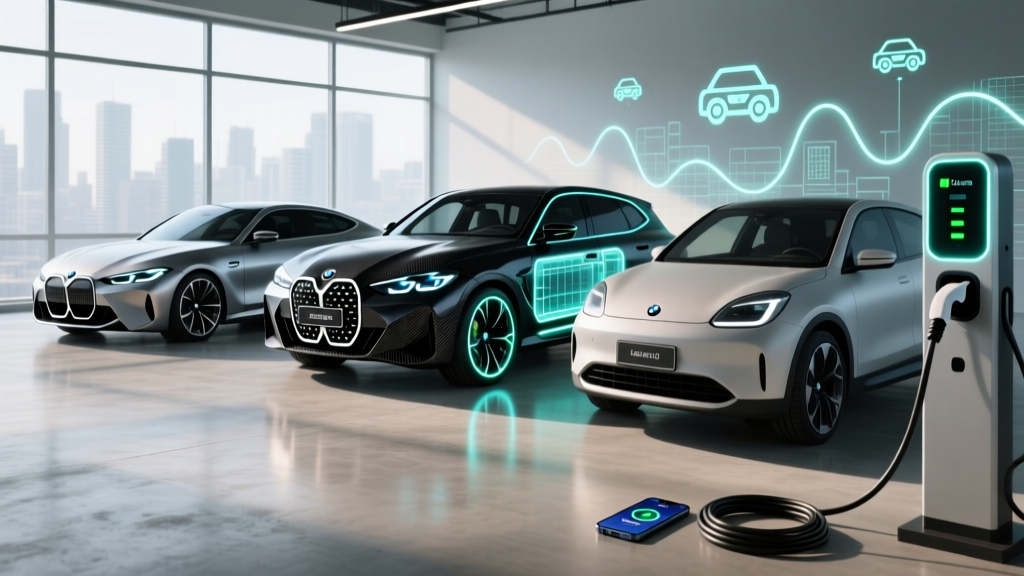
The recent wave of leaks and BMW-confirmed previews paint a clearer picture of the automaker's Neue Klasse generation. Unlike BMW's current EVs — which share platforms with combustion models — Neue Klasse is a dedicated EV architecture designed around three pillars: next-gen cylindrical battery cells, an 800-volt electrical system, and a heavily integrated digital cockpit.
Here's what has surfaced through industry reports, BMW's own technology briefings, and supply-chain leaks:
| Model | Body Style | Battery (Usable) | Chemistry | Est. EPA Range | Peak DC Charge | 10–80% Est. | Expected Availability |
|---|---|---|---|---|---|---|---|
| iX3 (G45) | Compact SUV | ~95 kWh | NMC (Gen6 cylindrical) | ~310–330 mi | ~300 kW | ~18–20 min | Late 2026 (MY2027) |
| i3 Sedan | Sport Sedan | ~85–95 kWh | NMC (Gen6 cylindrical) | ~330–360 mi | ~300 kW | ~18–20 min | 2027 |
| iX3 M Performance | Performance SUV | ~95–105 kWh | NMC (Gen6 cylindrical) | ~280–300 mi | ~300 kW | ~20–22 min | 2027–2028 |
| i5 Replacement (Neue Klasse) | Midsize Sedan | TBD | NMC | TBD | ~300 kW | TBD | 2028+ |
Key caveats: BMW has not published official EPA range figures. The WLTP numbers circulating (~600+ km for the iX3) typically overstate range by 15–20% compared to EPA testing. Real-world highway driving at 70+ mph or in cold weather will reduce these estimates further — expect 250–280 miles on the highway in moderate temperatures, and 20–30% less in sub-freezing conditions without preconditioning.
The Gen6 cylindrical cells are a major shift from BMW's current prismatic pouch cells. BMW has stated these offer 20% higher energy density, 30% faster charging, and reduced cobalt content. The 800V architecture (up from 400V in current models) enables the higher charge rates and improved efficiency through lower current and reduced resistive losses.
2027 BMW EVs vs. Buying a 2026 EV Now: The Real Trade-Offs
The core question for buyers isn't whether Neue Klasse is impressive — it's whether waiting 12–18 months makes financial and practical sense. Here's how the leaked 2027 iX3 stacks up against what you can buy today:
| Spec | 2027 BMW iX3 (Leaked) | 2026 BMW iX xDrive50 | 2026 Tesla Model Y LR | 2026 Genesis GV60 |
|---|---|---|---|---|
| EPA Range | ~310–330 mi (est.) | 307 mi | 320 mi | 294 mi |
| Battery Usable | ~95 kWh | 111.5 kWh (NMC) | ~78 kWh (NMC) | 77.4 kWh (NMC) |
| Peak DC Charge | ~300 kW (800V) | 195 kW (400V) | 250 kW | 350 kW (800V) |
| 10–80% Charge | ~18–20 min | ~31 min | ~22 min | ~18 min |
| 0–60 mph | ~5.0 sec (est.) | 4.4 sec | 4.8 sec | 5.5 sec |
| Base MSRP (Est.) | ~$58,000–$62,000 | $87,250 | $44,990 | $53,350 |
| Federal Tax Credit (§30D) | Unknown (sourcing TBD) | $0 (MSRP/income limits) | Up to $7,500 | Up to $7,500 |
The current BMW iX is significantly more expensive and heavier than the upcoming Neue Klasse iX3, which targets a smaller, more affordable segment — closer to the Tesla Model Y and Genesis GV60 in size and price. BMW's current iX will likely continue alongside or be replaced by a Neue Klasse iX variant around 2028.
Real Ownership Costs: What the Sticker Price Doesn't Tell You
Whether you wait for a 2027 BMW or buy a 2026 EV now, total cost of ownership (TCO) matters more than MSRP alone. Here's a realistic 5-year cost projection for a ~$60,000 EV SUV (representative of the leaked iX3 pricing) versus a comparable gas-powered luxury compact SUV:
| Cost Category | 2027 BMW iX3 (Est.) | 2026 Gas Luxury SUV (e.g., BMW X3) |
|---|---|---|
| Purchase Price | $60,000 | $50,000 |
| Federal Tax Credit (§30D) | –$7,500 (if eligible) | $0 |
| Net Purchase | $52,500 | $50,000 |
| Fuel / Electricity (75k mi) | $3,200 (home L2, $0.14/kWh avg) | $9,400 (25 MPG, $3.15/gal) |
| Maintenance | $1,800 | $4,500 |
| Insurance (5-yr avg) | $11,500 | $9,800 |
| Depreciation (est.) | $22,000 | $19,000 |
| Total 5-Year Cost | ~$91,000 | ~$92,700 |
Sources: fueleconomy.gov for efficiency data; insurance estimates based on industry averages for luxury compact SUVs. Actual costs vary by state, driving habits, and electricity rates.
The EV wins narrowly on 5-year TCO, primarily through fuel and maintenance savings. But several variables can flip this equation:
- No home charging access: Reliance on public DC fast charging at $0.35–$0.55/kWh pushes the EV's "fuel" cost to $6,500–$10,000 over 5 years, erasing most savings.
- Tax credit ineligibility: If the 2027 iX3's battery sourcing doesn't meet IRS §30D critical-mineral and battery-component requirements, you lose $7,500 — and the EV's TCO rises above the gas SUV.
- Cold climate without a heat pump: Range loss of 20–30% in sub-30°F weather means more frequent charging sessions and reduced practicality for longer commutes.
First-Time EV Buyer Considerations: What the Leak Won't Tell You
If the BMW 2027 EV lineup leak has you excited about going electric for the first time, these practical realities matter more than any spec sheet:
Home Charging Is Non-Negotiable for Most Owners
Over 80% of EV charging happens at home. A Level 2 home charger (240V, typically 40–48 amps / 9.6–11.5 kW) adds roughly 30–40 miles of range per hour of charging — enough to fully replenish a 95 kWh battery overnight. Installation costs range from $800 to $3,500 depending on your electrical panel capacity, run distance, and local permit fees. If your home has a 100-amp panel, a $2,000–$4,000 panel upgrade to 200 amps may be required.
Public Charging Reliability Varies Wildly
The 800V / 300 kW capability of Neue Klasse is only useful if chargers can deliver it. As of 2026, Electrify America and Tesla Superchargers (now open to non-Tesla EVs via NACS adapters or native NACS ports) are the most capable networks, but 300+ kW stalls remain limited. Most public DC chargers deliver 50–150 kW in practice. BMW has confirmed Neue Klasse will use the NACS (Tesla-style) connector in North America, eliminating the CCS adapter hassle that plagues current BMW EV owners.
The Charge Curve Taper Is Real
A "300 kW peak" charge rate only applies at low states of charge (typically 10–30% SoC) with a preconditioned battery. As the battery fills, the rate tapers significantly. Expect the average charge rate across a 10–80% session to be closer to 180–220 kW, not the peak figure. This is why 10–80% time is a more useful metric than peak kW alone.
Common Misconceptions About the 2027 BMW EVs
| Myth | Fact |
|---|---|
| "600+ km range means 370+ EPA miles" | WLTP is more generous than EPA. Expect ~310–330 EPA miles, and ~250–280 real-world highway miles. |
| "300 kW charging means a full charge in 15 minutes" | Peak rate applies only briefly. A 10–80% session will take ~18–20 minutes. Charging from 80–100% adds another 15+ minutes due to taper. |
| "All new EVs qualify for the $7,500 tax credit" | §30D has MSRP caps ($80,000 SUVs / $55,000 sedans), buyer income limits ($150K single / $300K joint), and strict battery-sourcing rules. Many luxury EVs don't qualify. |
| "Waiting for Neue Klasse means getting one at launch" | Initial production will be at BMW's Debrecen, Hungary plant. US deliveries may lag European launch by 3–6 months, and early allocation will be limited. |
| "800V means I need a special home charger" | No. Home Level 2 charging works identically regardless of vehicle voltage architecture. The 800V benefit applies only to DC fast charging. |
Should You Wait or Buy Now? A Decision Framework
Buy a 2026 EV now if:
- You need a vehicle within 6 months and can't absorb a production-delay risk
- You've identified a current model (Tesla Model Y, Hyundai Ioniq 5, Genesis GV60) that meets your range and charging needs
- You qualify for the §30D credit on a current model and want to lock in savings before potential rule changes
- Your daily commute is under 60 miles round-trip and current 250–320 mile ranges already eliminate range anxiety
Wait for the 2027 BMW Neue Klasse if:
- Your purchase timeline is 12–18+ months out and you're not in a rush
- You specifically want a BMW-badged compact luxury EV SUV at a ~$60K price point
- Faster 800V charging (300 kW) is a priority for your road-trip habits
- You want next-gen efficiency (kWh/100mi) that should meaningfully reduce charging costs
- You're willing to accept first-model-year risk (software bugs, build-quality teething, limited dealer allocation)
Consider a PHEV bridge (e.g., BMW X5 xDrive50e) if:
- You lack reliable home charging and need gas flexibility today
- You want partial electrification now and plan to go full EV when charging infrastructure matures in your area
Frequently Asked Questions
Is the BMW 2027 EV lineup leak from a reliable source?
The information comes from a mix of BMW's own confirmed Neue Klasse technology previews, supplier leaks (battery cell specifications from partners like CATL and Samsung SDI), and spy photography from European testing. BMW has officially confirmed the Neue Klasse platform, 800V architecture, Gen6 cylindrical cells, and a 2025–2026 production start at the Debrecen plant. However, specific US-market specs, pricing, and exact availability dates remain unconfirmed. Treat all range and pricing figures as estimates until BMW publishes official US specifications.
Will the 2027 BMW iX3 qualify for the federal EV tax credit?
It's too early to say definitively. The IRS §30D credit requires the vehicle to meet MSRP caps ($80,000 for SUVs, $55,000 for sedans), the buyer must fall under income limits ($150,000 single / $300,000 joint filers), and the battery must meet critical-mineral and component-sourcing requirements that tighten annually. BMW's Gen6 cells are being sourced from multiple suppliers, and the company has been working to reduce Chinese mineral dependency. Final eligibility won't be clear until closer to launch. Consult a tax professional before relying on the credit in your purchase decision.
How does Neue Klasse compare to current BMW EVs like the i4 and iX?
Current BMW EVs use a shared CLAR platform that also underpins combustion models. This means packaging compromises (battery placement, less optimal weight distribution) and 400V electrical systems limited to ~200 kW DC charging. Neue Klasse is a dedicated EV platform with 800V architecture, purpose-built battery integration using cylindrical cells, and a new digital architecture BMW calls "Panoramic Vision." Expect meaningfully better efficiency (more miles per kWh), faster charging, and a more EV-optimized interior layout compared to current models.
What will a Level 2 home charger cost to install for a 2027 BMW EV?
Home charging requirements won't change with Neue Klasse. Expect $800–$3,500 for a Level 2 installation (240V, 40–48 amp circuit) using a quality charger like the ChargePoint Home Flex or Emporia Vue, including the unit ($400–$700), electrician labor, and permits. If your home needs a panel upgrade from 100A to 200A service, add $2,000–$4,000. Always get a quote from a licensed electrician before budgeting.
Should I worry about battery degradation on the new Gen6 cells?
BMW hasn't published specific cycle-life data for Gen6 cylindrical cells yet. Industry-standard warranties require 70% capacity retention over 8 years / 100,000 miles, and BMW has historically met or exceeded this threshold. NMC cylindrical cells from established suppliers (Samsung SDI, CATL) have demonstrated strong longevity in other applications. Real-world degradation data won't be available until the first Neue Klasse vehicles accumulate meaningful mileage — typically 1–2 years post-launch. If long-term battery health is a top priority, buying a second- or third-model-year vehicle (2028–2029) reduces unknown risk.
Specifications in this article are based on leaked, announced, and estimated data as of early 2026. BMW has not published final US-market specifications for Neue Klasse vehicles. Always verify with BMW's official channels and fueleconomy.gov before making a purchase decision.