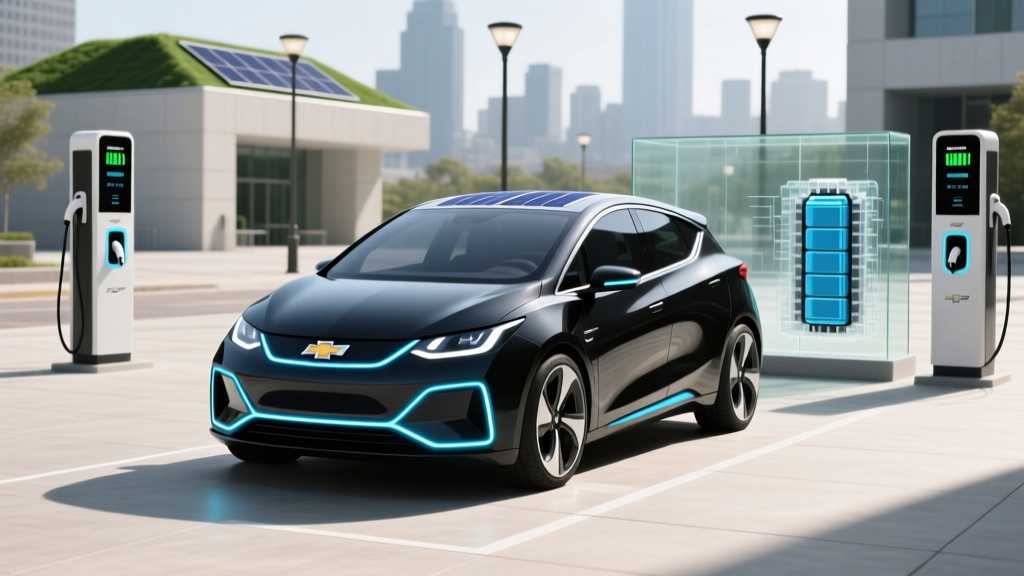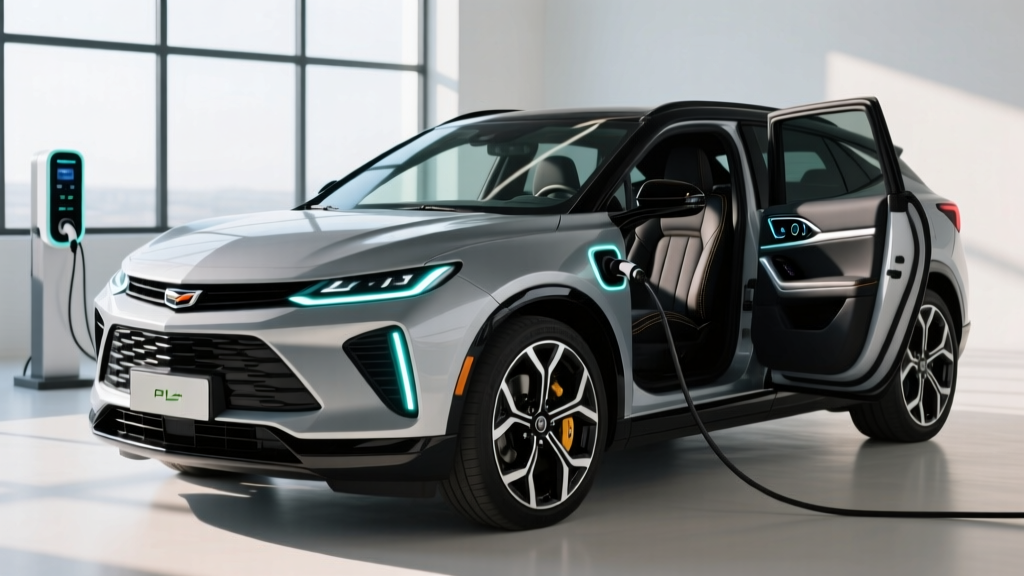
The Chevrolet Blazer EV SS exists to answer one question: can a mainstream midsize electric SUV deliver genuine sports-car acceleration without the luxury badge premium? With a 3.4-second 0-60 mph time and 615 horsepower, the SS trim sits at the performance apex of the Blazer EV lineup. But straight-line speed is only part of the ownership equation. This review digs into real-world range, charging behavior, cargo practicality, and whether the Blazer EV SS actually qualifies for the federal tax credit in 2026.
Performance: Blazer EV SS 0-60 and Powertrain Details
The Blazer EV SS pairs front and rear permanent-magnet electric motors for a dual-motor AWD system producing a combined 615 horsepower and 648 lb-ft of torque. Chevrolet's WOW (Wide Open Watts) mode unlocks the full performance envelope — the SS's headline 3.4-second 0-60 mph time.
That places the Blazer EV SS firmly in muscle-SUV territory, rivaling the Tesla Model Y Performance (3.5 sec) and the Ford Mustang Mach-E GT (3.5 sec). Where the SS differentiates itself is the delivery: GM's Ultium platform provides linear, immediate torque with no turbo lag or gear hunting. In real-world merging and passing scenarios, the SS feels even quicker than its 0-60 figure suggests because torque is available at zero RPM.
| Specification | Value |
|---|---|
| Drivetrain | Dual-motor AWD |
| Horsepower | 615 hp (WOW mode) |
| Torque | 648 lb-ft |
| 0-60 mph | 3.4 seconds |
| Top Speed | 130 mph (electronically limited) |
| Battery Capacity | 102 kWh usable (NMC, Ultium) |
| EPA Range | 283 miles |
| EPA Efficiency | 87 MPGe combined / 39 kWh/100 mi |
| Max DC Fast Charge | 190 kW peak |
| 10–80% DCFC Time | ~28 minutes |
| Level 2 Home Charging | 11.5 kW (48A) — ~34 mi/hr |
| Cargo Volume (rear seats up) | 25.9 cu ft |
| Cargo Volume (rear seats folded) | 58.5 cu ft |
| Rear Legroom | 38.9 inches |
| Base MSRP | $64,395 (incl. destination) |
| Battery/Powertrain Warranty | 8 years / 100,000 miles |
One nuance: WOW mode is a performance setting that maximizes power output and sharpens throttle mapping. In normal driving modes, the SS still delivers well over 400 hp, which is more than enough for daily driving. The trade-off for maximum performance mode is a slight reduction in efficiency — expect to see closer to 42–45 kWh/100 mi during spirited driving.
Range and Efficiency: EPA vs. Real-World Expectations
The Blazer EV SS carries GM's Ultium battery pack with 102 kWh of usable capacity using NMC (nickel manganese cobalt) chemistry. The EPA rates the SS at 283 miles of combined range, lower than the 2LT RWD variant's 324 miles, reflecting the SS's dual-motor drivetrain, heavier curb weight, and stickier performance tires.
EPA estimate: 283 miles combined. In practice, plan for approximately 240–260 miles during sustained 70+ mph highway driving in moderate temperatures. In cold weather (below 30°F), expect a further 15–25% reduction, putting real-world winter highway range around 190–220 miles. City driving with regenerative braking recovers energy and can push range slightly above the EPA figure in mild conditions.
The SS's efficiency rating of 87 MPGe combined (39 kWh/100 mi) is typical for a high-performance dual-motor SUV in this weight class. For context, the Model Y Performance rates at 95 MPGe, while the Mach-E GT comes in at 84 MPGe. The Blazer's heavier platform and larger frontal area account for the gap versus the Tesla.
According to fueleconomy.gov, the Blazer EV SS's annual electricity cost is estimated at approximately $1,050 based on 15,000 miles of mixed driving and national average electricity rates — roughly a third of what a comparable 20 mpg gas SUV would cost in fuel.
Charging Speed: DC Fast Charging and Home Level 2
The Blazer EV SS supports a peak DC fast-charge rate of 190 kW via its NACS (North American Charging Standard) port. Chevrolet transitioned the Blazer EV to the native NACS connector, granting direct access to Tesla's Supercharger network without an adapter — a significant practical advantage for road-trip charging.
| Charge Level | Power | Speed / Time | Notes |
|---|---|---|---|
| Level 1 (120V) | 1.4 kW | ~4 mi/hr | Emergency/trickle only |
| Level 2 (240V, 48A) | 11.5 kW | ~34 mi/hr (full charge ~10 hrs) | Home wallbox recommended |
| DC Fast Charge | 190 kW peak | 10–80% in ~28 min | Tapers above 80%; precondition battery |
The 190 kW peak rate is competitive but not class-leading — the Hyundai Ioniq 5 peaks at 240 kW and the Tesla Model Y at 250 kW. The key detail EV shoppers should understand is the charge curve: the Blazer SS sustains close to peak rate between roughly 10% and 40% state of charge, then progressively tapers. From 80% to 100%, charging slows dramatically to protect battery health, adding another 30+ minutes. The practical takeaway: plan road-trip stops around 10–80% charges for the fastest turnaround.
At home, the 11.5 kW onboard charger replenishes the pack at about 34 miles of range per hour. A full 0–100% charge takes roughly 10 hours, meaning overnight charging easily covers daily driving. Home Level 2 installation typically costs between $800 and $2,000 depending on your electrical panel capacity and run distance to the garage — factor this into your purchase budget.
Pricing, Trims, and Federal Tax Credit Eligibility
The 2026 Blazer EV SS starts at $64,395 including destination charges. It is the top trim in the Blazer EV lineup, positioned above the 2LT ($49,795) and RS ($54,195). Key SS standard equipment includes the dual-motor AWD system, 22-inch wheels, Brembo front brakes, Super Cruise hands-free driving capability, a 17.7-inch infotainment display, heated/ventilated front seats, and a panoramic sunroof.
| Item | Amount |
|---|---|
| Base MSRP (SS AWD) | $64,395 |
| As-tested (with Radiant Red, cargo pkg) | ~$66,200 |
| Federal §30D Credit (if eligible) | Up to $7,500 |
| Estimated Net Price (after max credit) | ~$56,895 |
| Point-of-Sale Transfer | Available — applied at dealer |
Federal tax credit eligibility requires careful attention. Under IRS §30D rules, the Blazer EV must satisfy several conditions: the vehicle's MSRP must not exceed $80,000 for SUVs (the SS clears this), the buyer's modified adjusted gross income must fall below $300,000 (joint) / $225,000 (head of household) / $150,000 (single), and the battery must meet critical-mineral and battery-component sourcing requirements that tighten annually. As of 2026, the sourcing rules are stringent — consult the IRS clean vehicle credit page or a tax professional before assuming eligibility. The point-of-sale transfer option lets qualified buyers apply the credit directly at purchase rather than waiting for a tax refund.
Interior, Cargo, and Daily Livability
The Blazer EV SS cabin is a clear step above the base Blazer EV trims, with suede microfiber inserts, aluminum trim accents, and a flat-bottom steering wheel. The centerpiece is a 17.7-inch diagonal infotainment touchscreen running GM's latest Ultifi software, paired with an 11-inch digital driver display. Wireless Apple CarPlay and Android Auto are standard, along with a wireless charging pad and a 9-speaker Bose audio system.
Cargo space measures 25.9 cubic feet behind the rear seats and 58.5 cubic feet with the 60/40 rear seats folded — competitive with the Model Y (30.2 / 72.1 cu ft) though the Tesla's frunk adds extra volume the Blazer lacks. Rear-seat passengers get 38.9 inches of legroom, sufficient for adults on long trips. A notable omission: the Blazer EV does not offer a front trunk (frunk), which some competitors use for charging cables and small items.
On the driver-assistance front, the SS comes with Super Cruise, GM's hands-free highway driving system. Super Cruise operates on over 750,000 miles of compatible divided highways in North America, using a driver-attention camera to ensure you remain alert. This is an SAE Level 2 system — you must remain engaged and ready to take over at any time. It is not autonomous driving. That said, Super Cruise remains one of the most polished Level 2 systems available, with smooth lane changes and reliable hands-free operation on mapped roads.
Pros, Cons, and the Verdict
- 3.4-second 0-60 mph — genuine sports-sedan acceleration in an SUV body
- Native NACS port — direct Tesla Supercharger access without adapter
- Super Cruise standard — one of the best Level 2 highway systems
- Comfortable, well-appointed cabin with large 17.7-inch display
- Competitive 8-year / 100,000-mile battery warranty
- Under the $80,000 MSRP cap for potential §30D credit eligibility
- 283-mile EPA range trails rivals (Model Y Performance: 285 mi, Ioniq 5: 310 mi)
- 190 kW peak DC charging is slower than Hyundai/Kia's 800V architecture (240 kW)
- No front trunk (frunk) for cable storage
- Real-world winter highway range drops to ~190–220 miles
- Base price above $64K — tax credit not guaranteed due to sourcing rules
- 22-inch wheels and low-profile tires may mean higher replacement costs
The Blazer EV SS is best suited for performance-oriented buyers who want daily-driver practicality — commuters with home charging who want thrilling acceleration for on-ramps and weekend canyon runs, but also need rear-seat space and cargo room. It's less ideal for frequent long-distance road trippers who prioritize maximum range and the fastest possible charging stops, where an Ioniq 5 or Model Y still holds an edge.
Blazer EV SS vs. Key Competitors
How does the SS stack up against its closest rivals?
| Spec | Blazer EV SS | Model Y Performance | Mach-E GT |
|---|---|---|---|
| 0-60 mph | 3.4 sec | 3.5 sec | 3.5 sec |
| Horsepower | 615 hp | 456 hp | 480 hp |
| EPA Range | 283 mi | 285 mi | 280 mi |
| Peak DC Charging | 190 kW | 250 kW | 150 kW |
| Battery (usable) | 102 kWh | ~75 kWh | 88 kWh |
| Base MSRP | $64,395 | $54,990 | $59,995 |
| Cargo (seats up) | 25.9 cu ft | 30.2 cu ft | 29.7 cu ft |
The Blazer EV SS leads on raw horsepower and 0-60 time but trails on charging speed and cargo volume. The Model Y Performance remains the value benchmark with a significantly lower entry price, while the Mach-E GT splits the difference. Your priorities — acceleration, charging speed, interior luxury, or price — will determine the winner.
Frequently Asked Questions
What is the real-world range of the Blazer EV SS?
The EPA rates it at 283 miles combined. In real-world highway driving at 70+ mph, expect 240–260 miles in mild weather and 190–220 miles in sub-freezing temperatures. City driving with regenerative braking can slightly exceed the EPA number.
How fast does the Blazer EV SS charge?
On a DC fast charger, it peaks at 190 kW and charges from 10–80% in approximately 28 minutes. At home on a Level 2 (240V, 48A) charger, it adds about 34 miles per hour, fully recharging overnight in roughly 10 hours.
Does the Blazer EV SS qualify for the $7,500 federal EV tax credit?
It may. The MSRP is under the $80,000 SUV cap, but eligibility depends on your income, the battery's critical-mineral and component sourcing compliance, and current-year IRS rules. Check IRS §30D guidance or consult a tax professional before relying on the credit.
Is the Blazer EV SS worth buying over a Tesla Model Y Performance?
If you prioritize horsepower, a more luxurious interior, and Super Cruise over cargo volume and charging speed, yes. The Model Y Performance costs roughly $10,000 less and charges faster, but the SS delivers more power and a quieter, more refined cabin.
What battery chemistry does the Blazer EV SS use?
The SS uses GM's Ultium platform with NMC (nickel manganese cobalt) chemistry, which offers higher energy density than LFP at the cost of slightly more degradation sensitivity. GM recommends charging to 80% for daily use and 100% only before long trips.
What is the battery warranty?
Chevrolet covers the battery and powertrain for 8 years or 100,000 miles, whichever comes first. The warranty guarantees the battery will retain at least 60% of its original capacity during that period — though industry data suggests NMC packs typically retain 85–90% at 100,000 miles under normal use.