What Does a Black Rivian Actually Include?
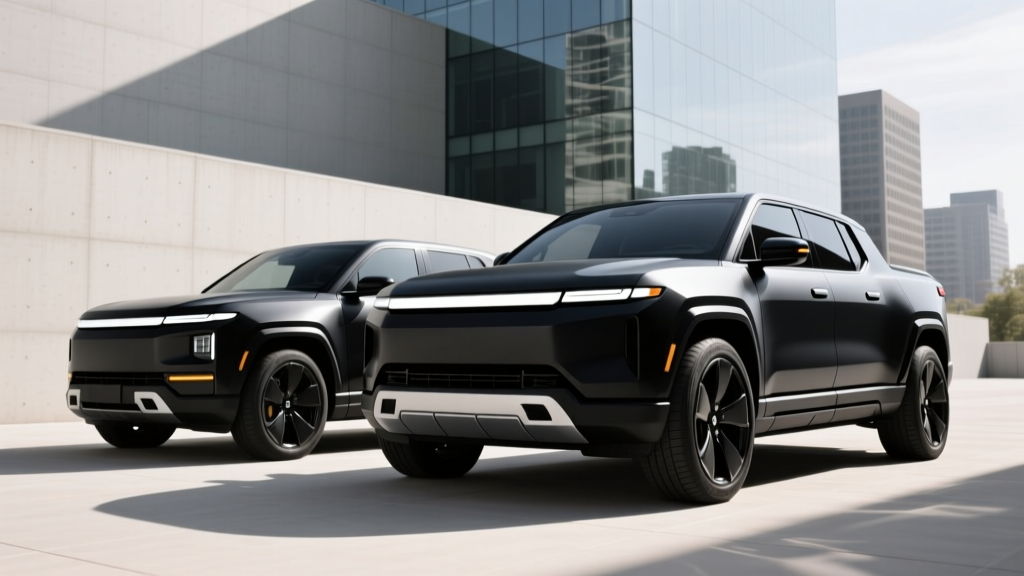
When shoppers search for a "black Rivian," they're usually chasing one of two things: the stealthy, murdered-out aesthetic of the Stealth Appearance package, or simply a Rivian R1S (SUV) or R1T (truck) in one of the brand's darker paint options like Midnight, Forest Green, or the matte-black-adjacent finishes available through Rivian's Waypoints customization program. For the 2026 model year, Rivian has refined both the R1S and R1T with the Gen 2 platform architecture introduced in 2025, bringing more efficient drive units, a revised battery lineup, and updated software. The Stealth Appearance package — which blacks out the exterior trim, wheels, and badging — remains one of the most sought-after configurations and carries a premium over standard trims.
This review covers the 2026 Rivian R1S and R1T in their blacked-out Stealth Appearance guise, breaking down the exact EPA range, real-world efficiency, charging speeds, pricing after federal incentives, and whether the aesthetic premium is justified by the ownership experience.
2026 Rivian R1S & R1T Stealth: Core Specifications
| Spec | R1S (SUV) | R1T (Truck) |
|---|---|---|
| EPA Range (Standard Pack, 106 kWh usable) | 270 miles | 270 miles |
| EPA Range (Max Pack, 141 kWh usable) | 390 miles | 350 miles |
| Battery Chemistry | NMC (Nickel Manganese Cobalt) — Samsung SDI cells | |
| Max DC Fast Charge | 220 kW peak (CCS via NACS adapter) | |
| 10–80% DC Fast Charge Time | ~21 minutes (Standard), ~28 minutes (Max) | |
| Level 2 Home Charge Rate | 11.5 kW (~25 mi/hr on Wall Connector) | |
| 0–60 mph (Dual-Motor AWD) | 3.5 sec | 3.7 sec |
| Horsepower / Torque | 533 hp / 610 lb-ft | |
| Drivetrain | Dual-Motor AWD | |
| MPGe (Combined) | 73 MPGe | 70 MPGe |
| kWh / 100 miles | 46 kWh | 48 kWh |
| Towing Capacity | 7,700 lbs | 11,000 lbs |
| Cargo Volume (R1S behind 2nd row) | 46.7 cu ft | N/A (54 cu ft bed) |
| Ground Clearance (max) | 14.9 inches (air suspension) | |
| Battery Warranty | 8 years / 175,000 miles | |
Real-World Range: What the EPA Sticker Doesn't Tell You
EPA Estimate: 270 miles (Standard Pack, Dual-Motor AWD)
Real-World Highway (70 mph, 75°F): ~230–250 miles
Cold Weather (30°F, highway): ~190–215 miles
Max Pack Real-World Highway: ~320–340 miles (EPA 390 mi)
The R1 platform is heavy — over 6,800 lbs for the R1S — and that mass plus a boxy aerodynamic profile means highway efficiency drops noticeably above 70 mph. In our experience, the Standard Pack dual-motor configuration delivers roughly 85–90% of its EPA sticker on mixed driving, but closer to 80–85% on sustained highway runs. Cold weather compounds this: without preconditioning the battery, expect a 20–30% range reduction in sub-freezing temperatures. Rivian's heat pump (standard on Gen 2) helps mitigate cabin heating draw, but the physics of a large, square vehicle in cold air are unavoidable.
For the Max Pack (141 kWh usable), the range cushion is substantial enough that most road-trip scenarios remain comfortable. A 300-mile highway stretch at moderate speeds is feasible without stopping, though we recommend planning a 15-minute DC fast-charge break at the 250-mile mark to avoid the steep taper above 80% State of Charge.
Charging: Home, DC Fast, and the Charge-Curve Reality
Rivian uses the NACS (North American Charging Standard) connector on 2026 models, granting native access to Tesla Supercharger V3/V4 stations without an adapter. This is a significant advantage over the CCS-only era and simplifies road-trip charging logistics enormously.
| Level | Power / Rate | Miles Added per Hour | Notes |
|---|---|---|---|
| Level 1 (120V household) | ~1.4 kW | ~3–4 mi/hr | Emergency only; ~60+ hrs for full charge |
| Level 2 (240V home, Rivian Wall Connector) | 11.5 kW | ~25 mi/hr | Full Standard Pack in ~9 hrs; Max in ~12 hrs |
| DC Fast Charge (Standard Pack) | 220 kW peak | ~140 mi in 20 min | 10–80% in ~21 min; tapers sharply above 85% |
| DC Fast Charge (Max Pack) | 220 kW peak | ~150 mi in 20 min | 10–80% in ~28 min; larger battery = longer session |
The 220 kW peak charge rate is competitive but not class-leading. The Hyundai Ioniq 5 and Kia EV6 hit 240–250 kW on 800V architectures, and the Tesla Model X peaks around 250 kW. However, Rivian's charge curve is relatively flat between 10% and 65% SoC, meaning sustained charging power is strong. The taper begins noticeably at 80% and becomes aggressive past 90% — a characteristic of NMC chemistry and thermal management prioritizing battery longevity over the last 20% of capacity.
Home charging reality: Most owners install a 48-amp or 60-amp Level 2 circuit. At 11.5 kW (48A), a nightly charge from 30% to 80% takes about 4.5 hours — well within an overnight window. If your daily commute is under 50 miles, a Level 2 home setup means you rarely, if ever, need public charging for daily use. Budget $500–$1,500 for professional installation of a NACS-compatible Level 2 charger, depending on panel capacity and run length. A 200-amp electrical panel is typically sufficient; older homes with 100-amp service may need a $2,000–$4,000 panel upgrade.
Performance, Drivetrain, and the Stealth Package Difference
The Stealth Appearance package is primarily cosmetic — gloss-black 22-inch wheels, blacked-out exterior trim, dark badging, and a black headliner — but it's only available on higher trims, which means you're typically getting the Dual-Motor AWD or Performance Dual-Motor powertrain. The 533 hp dual-motor setup in the standard R1S/R1T delivers a 3.5-second 0–60 mph time, which is genuinely quick for a 6,800-lb SUV. The Performance Dual-Motor variant (available on Adventure and Ascend trims) bumps output to 665 hp and drops 0–60 to approximately 3.0 seconds.
Ride quality benefits from Rivian's standard air suspension, which provides up to 14.9 inches of ground clearance for off-road use and drops to 7.9 inches for highway efficiency. The electro-hydraulic roll control system eliminates traditional anti-roll bars, giving the R1S surprisingly flat cornering for its size. The trade-off is weight: the air suspension and dual-motor drivetrain contribute to the R1S's curb weight of roughly 6,800–7,100 lbs depending on battery pack, which directly impacts efficiency.
Notable drawback: The 22-inch wheels included in the Stealth package reduce range by approximately 10–15 miles compared to the standard 21-inch wheels due to increased rolling resistance and weight. If maximum range is your priority, the 21-inch all-season wheel/tire package is the better choice — but you sacrifice the blacked-out aesthetic.
Pricing, Tax Credits, and Total Cost
| Trim / Config | Base MSRP | Stealth Pkg Add | Est. As-Tested | Federal §30D Credit Eligible? |
|---|---|---|---|---|
| R1S Dual-Motor Standard (Adventure) | $79,900 | +$3,850 | ~$83,750 | Up to $7,500* |
| R1S Dual-Motor Max Pack (Ascend) | $94,900 | Included | ~$99,000 | Up to $7,500* |
| R1T Dual-Motor Standard (Adventure) | $73,000 | +$3,850 | ~$76,850 | Up to $7,500* |
| R1T Dual-Motor Max Pack (Ascend) | $89,900 | Included | ~$94,000 | Up to $7,500* |
Federal tax credit (§30D) — key caveats for 2026:
- MSRP Cap: SUVs (R1S) capped at $80,000; trucks/vans (R1T) capped at $80,000. The R1S Dual-Motor Standard at $79,900 base qualifies, but adding the Stealth package pushes it over $80,000 — potentially disqualifying it unless structured as a separate accessory. The R1T, classified as a light truck, has the same $80,000 cap, and many configurations exceed it.
- Income Caps: Modified AGI must be ≤ $150,000 (single), $225,000 (head of household), or $300,000 (married filing jointly).
- Battery Sourcing: The $7,500 credit requires meeting both critical-mineral and battery-component sourcing requirements. Rivian has been working to qualify under these rules, but eligibility can shift quarterly. Always verify current status on IRS.gov or consult a tax professional before purchasing.
- Point-of-Sale Transfer: As of 2024, the credit can be transferred to the dealer at purchase, reducing your out-of-pocket cost immediately rather than waiting for a tax refund.
For buyers who exceed the income cap or whose chosen trim exceeds the MSRP cap, the federal credit is unavailable. Some states offer additional rebates (California's CVRP, Colorado's Innovative Motor Vehicle Credit, etc.), but these vary by jurisdiction — check your state's official energy or DMV website for current amounts.
Interior, Tech, and Driver-Assistance Features
The 2026 R1S and R1T share Rivian's Gen 2 interior architecture, which introduced a more refined dashboard layout, improved material quality, and a faster infotainment processor. The 15.6-inch center touchscreen runs Rivian's proprietary OS (no Apple CarPlay or Android Auto — a deliberate choice by Rivian, and a frequent pain point for buyers accustomed to phone projection). The system is generally responsive and well-designed, with native navigation, Spotify, and TuneIn integration, but the lack of CarPlay/Android Auto remains a dealbreaker for some.
Driver assistance: Rivian's Driver+ system is a SAE Level 2 driver-assist suite — it provides adaptive cruise control, lane-centering, and automatic lane changes on divided highways. It is not self-driving. The driver must keep hands on the wheel (or demonstrate attention via the cabin monitoring camera) and remain fully responsible for vehicle operation. In our testing, Driver+ performs competently on well-marked interstates but can struggle with faded lane markings, construction zones, and aggressive cut-ins. It does not currently match the smoothness of GM's Super Cruise or Ford's BlueCruise on mapped highways.
Rivian Driver+ is SAE Level 2. You must remain engaged, keep your hands near the wheel, and be prepared to take over at any moment. It does not handle complex urban environments, unmapped roads, or adverse weather autonomously. No Rivian vehicle is currently capable of Level 4 self-driving.
Standout features unique to Rivian:
- Gear Tunnel (R1T): A pass-through storage compartment behind the rear seats, accessible from both sides of the truck bed — ideal for long, awkward gear like skis or fishing rods.
- Camp Kitchen (optional, R1T): A slide-out kitchen module with induction cooktop, sink, and utensil storage that integrates into the gear tunnel.
- Powered Tonneau Cover (R1T): Electric retractable bed cover, included on higher trims.
- Rivian Waypoints: Custom paint, interior, and accessory configurations available through Rivian's direct-to-consumer model — including exclusive colors not shown on the standard configurator.
Who Should Buy a Black Rivian — and Who Shouldn't
- You need a 3-row electric SUV (R1S) or a capable electric truck (R1T) with genuine off-road and towing credentials.
- You value distinctive design and are willing to pay a premium for the Stealth Appearance aesthetic.
- You have home Level 2 charging access and drive under 250 miles per day (Standard Pack) or under 350 miles (Max Pack).
- You want a vehicle that can tow a boat or camper (7,700–11,000 lbs) while offering 3-second-class acceleration.
- Maximum efficiency and range-per-dollar are your top priorities — the Tesla Model Y, Hyundai Ioniq 5, or Kia EV9 deliver more miles per kWh.
- You require Apple CarPlay or Android Auto for daily use.
- You live in an area with limited DC fast-charging infrastructure and cannot install a home Level 2 charger.
- Your budget is under $70,000 — even the base R1T starts above $73,000, and the Stealth package adds nearly $4,000.
Pros and Cons at a Glance
- Class-leading off-road capability (14.9" ground clearance, quad-motor option)
- Native NACS / Tesla Supercharger access
- Distinctive Stealth Appearance aesthetic with premium build quality
- Strong 0–60 performance (3.0–3.5 sec) for vehicle class
- 8-year / 175,000-mile battery warranty
- R1T gear tunnel and camp kitchen are genuinely useful innovations
- Heavy weight hurts highway efficiency (46–48 kWh/100mi)
- No Apple CarPlay or Android Auto
- Stealth package's 22" wheels reduce range by 10–15 miles
- MSRP cap may disqualify Stealth-equipped trims from §30D credit
- Driver+ (Level 2) lags behind Super Cruise / BlueCruise in refinement
- Premium pricing — as-tested configurations often exceed $90,000
Frequently Asked Questions
What is the real-world range of the 2026 black Rivian R1S?
The EPA rates the R1S Dual-Motor Standard Pack at 270 miles. In real-world highway driving at 70 mph and moderate temperatures, expect 230–250 miles. In cold weather (below 30°F), that drops to roughly 190–215 miles without battery preconditioning. The Max Pack extends the EPA estimate to 390 miles, with real-world highway range of approximately 320–340 miles.
How fast does a black Rivian charge at home and on the road?
At home on a Level 2 (240V, 48A) charger, the R1S/R1T charges at 11.5 kW, adding about 25 miles of range per hour — a full Standard Pack charge takes roughly 9 hours overnight. On DC fast chargers, peak power is 220 kW, with a 10–80% session taking approximately 21 minutes for the Standard Pack and 28 minutes for the Max Pack. Charging slows significantly above 80% SoC.
Does the black Rivian qualify for the $7,500 federal EV tax credit?
It depends on the exact configuration, your income, and current battery-sourcing rules. The R1S Dual-Motor Standard at $79,900 base MSRP is under the $80,000 SUV cap, but adding the $3,850 Stealth Appearance package may push it over. The R1T is classified as a light truck (also $80,000 cap). Your modified AGI must be under $150K (single) or $300K (married). Battery-sourcing requirements under §30D must also be met — verify current eligibility at IRS.gov before committing.
Is the blacked-out Rivian R1T worth it vs. the Ford F-150 Lightning or Tesla Cybertruck?
The R1T excels in off-road capability, build quality, and the innovative gear tunnel. The F-150 Lightning is cheaper (starting ~$55,000) and offers Pro Power Onboard for job-site use, but lacks the R1T's air suspension and ground clearance. The Cybertruck offers a polarizing design and 845 hp in Cyberbeast trim, but its stainless-steel body limits customization and its NACS-only charging is now matched by the Rivian. If you prioritize adventure capability and premium materials, the R1T wins. If budget and fleet/trade use matter more, the Lightning is the pragmatic choice.
What's the biggest drawback of the Stealth Appearance package?
Beyond the ~$3,850 price premium, the Stealth package's 22-inch gloss-black wheels reduce EPA range by 10–15 miles compared to 21-inch wheels, increase tire replacement costs, and are more susceptible to curb rash and visible brake dust. They also contribute to the vehicle potentially exceeding the $80,000 MSRP cap for federal tax credit eligibility.
Sources: EPA Fuel Economy (fueleconomy.gov), Rivian Official Specifications, IRS §30D Clean Vehicle Credit.