The Quick Answer on Bentley's Electric Car
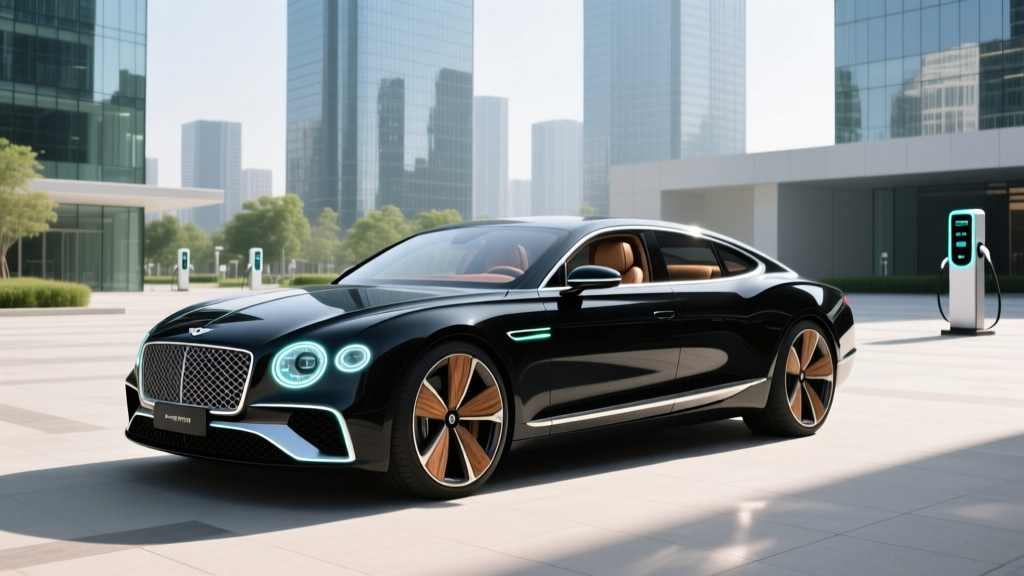
As of 2026, Bentley has not yet released a production battery-electric vehicle. The brand's first dedicated EV is expected around 2026–2027 on the Volkswagen Group's PPE (Premium Platform Electric) architecture. Based on announced targets and platform siblings like the Porsche Macan EV and Audi Q6 e-tron, expect a starting MSRP above $200,000, an EPA-estimated range near 300–350 miles, a battery pack around 100–120 kWh, and DC fast charging peaking at 270+ kW. Bentley's current electrified options are limited to the Bentayga Hybrid and Flying Spur Hybrid (plug-in hybrids), both offering roughly 25–30 miles of electric-only range. If you need a Bentley EV today, you'll need to wait — or consider a PHEV as a bridge.
Where Bentley Stands on Electrification in 2026
Bentley originally committed to becoming a fully electric brand by 2030 under its "Beyond100" strategy. That timeline has since shifted — in 2024, Bentley revised its plan to offer a full EV lineup by approximately 2035, acknowledging slower-than-expected EV adoption in the ultra-luxury segment and supply chain realities. The first production Bentley BEV, widely reported to be an SUV/crossover, is anticipated for the 2026–2027 model year.
What we know about the platform: Bentley will use the Volkswagen Group's PPE architecture, co-developed with Porsche. This is the same 800-volt platform underpinning the Porsche Macan Electric and Audi Q6 e-tron, which means Bentley's first EV should inherit strong charging performance and a dual-motor AWD layout. Bentley has also confirmed it will retain its signature handcrafted interiors, adaptive air suspension, and active noise cancellation in its electric models.
For buyers who want electrification from Bentley right now, the brand offers two plug-in hybrids:
- Bentayga Hybrid: 18.0 kWh battery, EPA-estimated 31 miles of electric-only range, combined 443 hp, starting around $209,000 MSRP.
- Flying Spur Hybrid: 18.0 kWh battery, EPA-estimated 21 miles of electric-only range, combined 536 hp, starting around $226,000 MSRP.
Projected Specs: Bentley's First Electric SUV
While final EPA figures won't be available until the vehicle enters production, we can estimate specs based on the PPE platform and Bentley's stated engineering targets. These are preliminary/estimated figures and subject to change.
| Specification | Estimated (Bentley EV SUV) | Platform Sibling: Porsche Macan 4 EV |
|---|---|---|
| Platform | VW Group PPE (800V) | VW Group PPE (800V) |
| Battery Capacity (usable) | ~100–120 kWh (NMC) | 95 kWh (NMC) |
| EPA Range (est.) | 300–350 miles | 308 miles (EPA) |
| Drivetrain | Dual-motor AWD | Dual-motor AWD |
| Horsepower (est.) | 550–650 hp | 402 hp |
| 0–60 mph (est.) | ~3.5–4.5 seconds | 4.9 seconds |
| Peak DC Fast Charge | ~270 kW | 270 kW |
| 10–80% DC Charge Time | ~21–25 minutes | ~21 minutes |
| Level 2 AC Charging | ~11–22 kW (onboard) | 11 kW (22 kW optional) |
| Starting MSRP (est.) | $200,000–$250,000+ | $78,800 |
Real-world range caveat: The EPA estimate of 300–350 miles is a laboratory figure. Expect real-world highway driving at 70–80 mph to reduce that by roughly 15–20%, putting practical range around 250–290 miles. In cold weather (below 32°F), lithium-ion battery chemistry loses efficiency — plan for an additional 10–20% reduction, meaning a worst-case winter highway range could dip toward 210–240 miles. This is consistent across all EVs, not unique to Bentley.
EV vs. Gas Bentley: The Ownership Cost Picture
Ultra-luxury buyers often prioritize experience over economy, but the numbers still matter — especially when comparing a future Bentley EV against today's gas-powered Bentayga or Continental GT. Here's how the math works over five years and 60,000 miles.
| Cost Factor | Bentayga V8 (Gas) | Bentayga Hybrid (PHEV) | Bentley EV SUV (Projected) |
|---|---|---|---|
| Starting MSRP | ~$245,000 | ~$209,000 | ~$220,000 (est.) |
| Fuel/Energy (60k mi) | ~$18,000 (premium gas) | ~$9,500 (gas + electric) | ~$5,400 (electric only)* |
| Maintenance (5 yr) | ~$8,000–$12,000 | ~$7,000–$10,000 | ~$3,500–$5,000 |
| Insurance (5 yr avg.) | ~$25,000–$35,000 | ~$22,000–$32,000 | ~$24,000–$36,000 |
| Federal Tax Credit (§30D) | None | Unlikely (MSRP cap) | Unlikely (MSRP cap) |
| Estimated 5-yr Total | ~$296,000–$310,000 | ~$247,500–$260,500 | ~$253,000–$266,000 |
*Based on a national average electricity rate of $0.17/kWh and an estimated efficiency of 2.0–2.2 kWh/mile for a heavy luxury EV. Actual costs will vary significantly by region and utility rate.
The tax credit reality: Under current IRS §30D rules, the federal EV tax credit has an MSRP cap of $80,000 for SUVs and $55,000 for sedans. A Bentley EV, priced well above $200,000, will categorically not qualify for the $7,500 federal credit regardless of battery sourcing or buyer income. This is a hard rule — no workaround exists for vehicles exceeding the MSRP cap.
Real-World Ownership: What a Bentley EV Buyer Must Plan For
Buying a $200,000+ EV involves infrastructure and lifestyle considerations that differ from a gas Bentley. Here's what matters:
Home Charging Is Non-Negotiable
With a battery pack likely exceeding 100 kWh, charging a Bentley EV on a standard 120V outlet (Level 1, ~1.4 kW) would take approximately 70–85 hours from empty — completely impractical. You will need a Level 2 home charger:
- 11 kW Level 2 (48A on a 60A circuit): ~9–11 hours for a full charge. Suitable for overnight charging.
- 22 kW Level 2 (if supported by onboard charger and 3-phase power): ~5–6 hours. Requires a 100A circuit and potentially a panel upgrade.
Home Level 2 installation typically costs $1,500–$4,000, depending on your electrical panel capacity, wiring distance, and local permit fees. Bentley buyers should budget for a dedicated 60A or higher circuit installed by a licensed electrician — and confirm your home's electrical panel has sufficient capacity (200A service minimum recommended for a high-draw EV charger alongside other household loads).
Public DC Fast Charging
On road trips, the 800V PPE architecture should allow the Bentley EV to charge at up to ~270 kW at compatible DC fast chargers (such as Electrify America's 350 kW stations). A 10–80% session would take roughly 21–25 minutes. However, charge curve taper is a real factor: peak kW is only sustained at lower states of charge. Above 80% SoC, charging speed drops significantly — going from 80% to 100% can take as long as the 10–80% portion. For road trip planning, plan stops around the 10–80% window and avoid charging to full unless you'll be parked overnight.
Climate and Driving Patterns
If you live in a cold-winter climate (regularly below freezing), a heat pump — which Bentley is expected to include on the PPE platform — will help preserve range, but you should still budget 15–25% range loss in deep cold. For buyers in warm climates who primarily drive in-city, real-world range may actually exceed the EPA estimate thanks to regenerative braking and lower aerodynamic drag at lower speeds.
Common Misconceptions About Bentley's Electric Future
| Myth | Fact |
|---|---|
| "Bentley already sells a fully electric car." | As of 2026, Bentley sells no BEV. Their electrified options are the Bentayga Hybrid and Flying Spur Hybrid (both PHEVs with ~21–31 miles of electric-only range). |
| "A Bentley EV will qualify for the $7,500 federal tax credit." | No. The IRS §30D credit has an $80,000 MSRP cap for SUVs. A Bentley EV priced above $200,000 is categorically ineligible. |
| "Electric means the car will be slower or less refined." | Electric motors produce instant torque. Bentley's projected 550–650 hp dual-motor setup with 0–60 in ~3.5–4.5 seconds will likely out-accelerate most current gas Bentleys. NVH (noise, vibration, harshness) is inherently lower in EVs — a natural fit for Bentley's silent-cabin ethos. |
| "I can charge it on any standard outlet overnight." | A ~100+ kWh battery on a 120V Level 1 outlet (~1.4 kW) would take 70+ hours. Level 2 home charging is mandatory for practical ownership. |
| "The battery will need expensive replacement within a few years." | VW Group PPE batteries are expected to carry an 8-year/100,000-mile warranty with a minimum 70% capacity retention guarantee. Industry data from Recurrent Auto shows most modern NMC packs retain 90%+ capacity after 100,000 miles. Replacement, if ever needed, would cost an estimated $20,000–$35,000 — but most owners will never face this. |
Decision Framework: Should You Wait for a Bentley EV or Buy Now?
Choose to WAIT for the Bentley EV if:
- You want a zero-tailpipe-emission Bentley and are willing to wait until late 2026 or 2027 for production to begin.
- You have reliable home Level 2 charging (or can install it) and access to DC fast chargers for road trips.
- You value the latest platform technology (800V architecture, OTA updates, advanced ADAS) and want Bentley's newest generation.
- Your daily driving is under 200 miles round-trip, and you take road trips fewer than 10 times per year.
Choose a Bentayga Hybrid or Flying Spur Hybrid NOW if:
- You need a Bentley today and don't want to wait 12–24 months for a BEV.
- You frequently drive in areas with limited public charging infrastructure (rural regions, long highway corridors without DC fast chargers).
- You want the flexibility of gas for long-distance touring without route-planning around chargers.
- You can charge at home to capture the 21–31 miles of electric-only range for daily commutes — effectively running errands emission-free while retaining 400+ total miles of combined range.
Choose a competitor's luxury EV if:
- You want an ultra-luxury BEV today. Consider the Rolls-Royce Spectre (EPA 291 miles, ~$420,000 MSRP), the BMW i7 xDrive60 (EPA 318 miles, ~$120,000 MSRP), or the Mercedes-Benz EQS SUV (EPA 305 miles, ~$110,000 MSRP).
- You want to stay within the Volkswagen Group ecosystem but need immediate availability — the Porsche Taycan or Audi e-tron GT are PPE-adjacent options.
Frequently Asked Questions
When will Bentley release its first fully electric car?
Bentley's first production BEV is expected for the 2026–2027 timeframe, likely as an SUV built on the VW Group's PPE (Premium Platform Electric) 800V architecture. Exact timing has shifted multiple times, so treat this as an estimate until Bentley confirms a production date.
How much will a Bentley electric car cost?
Based on Bentley's current pricing structure (the Bentayga starts around $209,000; the Continental GT around $240,000+), the first EV is expected to start in the $200,000–$250,000 range, with well-optioned examples likely exceeding $300,000.
Will a Bentley EV qualify for any federal tax credits?
No. The IRS §30D new clean vehicle credit imposes an MSRP cap of $80,000 for SUVs, vans, and pickup trucks, and $55,000 for sedans. A Bentley EV priced above $200,000 will not qualify regardless of battery sourcing, buyer income, or any other factor.
Can I charge a Bentley EV at home?
Yes, but only with a professionally installed Level 2 charger (240V, 48A or higher). Expect installation costs of $1,500–$4,000 depending on your home's electrical panel and wiring. A full overnight charge on Level 2 should take roughly 9–11 hours for a ~100 kWh battery.
How does a Bentley PHEV compare to waiting for the full EV?
The Bentayga Hybrid and Flying Spur Hybrid give you 21–31 miles of electric-only range for short commutes, plus a gas engine for unlimited range on road trips. The trade-off: you still pay for gas on longer drives, you have both an engine and a motor to maintain, and you don't get the full refinement and instant-torque benefits of a dedicated EV platform. PHEVs are an excellent bridge technology if you're not ready for full electric — but they're not the same experience as a purpose-built BEV.
What's the expected battery warranty on a Bentley EV?
While Bentley has not published final warranty terms for its upcoming EV, the VW Group typically provides an 8-year/100,000-mile high-voltage battery warranty with a guaranteed minimum of 70% capacity retention. Given Bentley's premium positioning, it's possible the brand could offer more generous terms — but 8 years/100,000 miles is a reasonable baseline expectation.