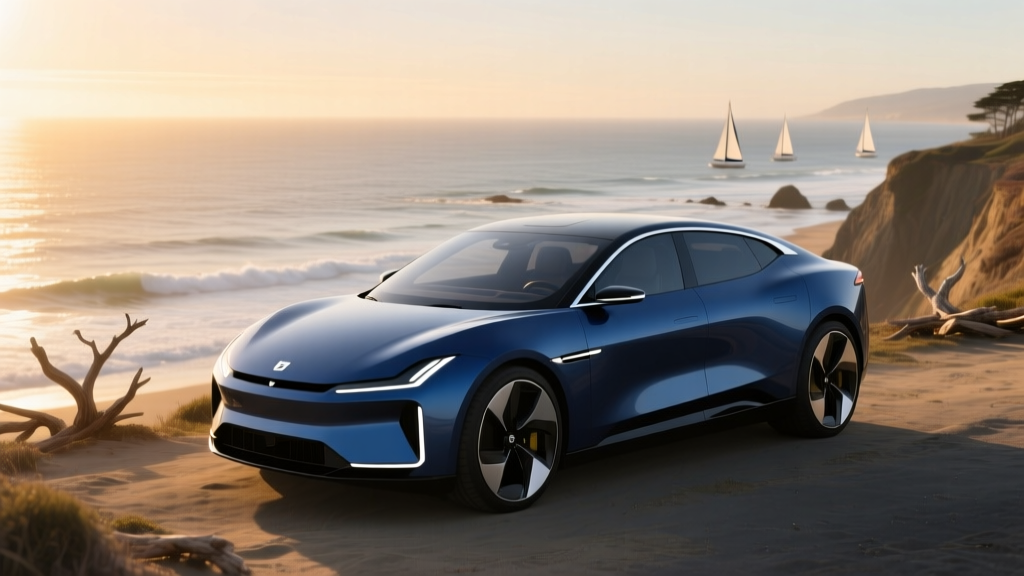
The Fisker Ocean arrived with bold promises: over 350 miles of range, solar-roof trickle charging, and a starting price that undercut rivals. But the story of this EV is now inextricably tied to Fisker Inc.'s 2024 bankruptcy and the subsequent fate of the brand. If you've been searching auto karma fisker to figure out whether the Ocean is a smart buy on the used market, a risky gamble, or a cautionary tale, this review breaks down everything you need to know — from real-world range and charging realities to warranty status and parts availability in 2026.
Fisker Inc. filed for Chapter 11 bankruptcy in June 2024 after delivering a limited number of Ocean SUVs. The company's assets, including remaining inventory and intellectual property, were subsequently acquired by various parties. For the purposes of this review, we evaluate the Fisker Ocean as it exists today: a discontinued EV available exclusively on the secondary market, with significant ownership considerations that every prospective buyer must weigh.
Fisker Ocean Specs at a Glance
| Specification | Fisker Ocean Sport (FWD) | Fisker Ocean Ultra / Extreme (AWD) |
|---|---|---|
| EPA Range | 250 miles | 360 miles (Extreme) |
| Battery Capacity | ~80 kWh (LFP) | ~113 kWh (NMC) |
| Battery Chemistry | Lithium Iron Phosphate (LFP) | Nickel Manganese Cobalt (NMC) |
| Horsepower | 275 hp | 564 hp (Hyper mode) |
| 0-60 mph | 6.9 seconds | 3.7 seconds |
| Drivetrain | Single Motor FWD | Dual Motor AWD |
| Max DC Fast Charge | ~170 kW | ~250 kW |
| 10-80% DC Fast Charge | ~33 minutes | ~30 minutes |
| Level 2 Home Charging | 10.5 kW (~30 mi/hr) | 10.5 kW (~35 mi/hr) |
| Efficiency (MPGe) | ~100 MPGe combined | ~95 MPGe combined |
| Original Base MSRP | $37,499 | $49,999 (Ultra) / $68,999 (Extreme) |
| Cargo Volume (rear seats up) | ~32 cu ft | ~32 cu ft |
| Cargo Volume (rear seats folded) | ~74 cu ft | ~74 cu ft |
| Front Legroom | ~41.5 inches | ~41.5 inches |
| Rear Legroom | ~38.2 inches | ~38.2 inches |
Note: These are manufacturer-claimed specifications from the 2023-2024 model years. Actual values may vary. The Fisker Ocean is no longer in production.
Real-World Range: What the EPA Number Doesn't Tell You
EPA Estimated: 360 miles (Extreme AWD) / 250 miles (Sport FWD)
Real-World Highway (70 mph, moderate temps): ~280-310 miles (Extreme) / ~200-220 miles (Sport)
Cold-Weather (below 32°F): Expect 25-35% reduction — roughly 195-240 miles (Extreme) / ~160-180 miles (Sport)
City/Stop-and-Go with Regen: Closer to EPA or slightly above in warm conditions
The Fisker Ocean Extreme's 360-mile EPA rating was among the highest of any production EV when it launched. That number was achieved on the larger 113 kWh NMC battery pack. However, real-world testing by early owners and independent reviewers consistently showed highway range falling 15-20% short of the sticker — a pattern common to most EVs due to aerodynamic drag at sustained speeds.
The LFP-equipped Sport trim, with its smaller ~80 kWh pack, delivers a more modest 250 miles EPA. In practice, owners report 200-220 miles of mixed driving before needing to plug in. Cold weather compounds the loss significantly: LFP chemistry is particularly sensitive to low temperatures, and without a robust heat pump system (the Ocean's thermal management drew criticism), winter range can drop by a third.
According to data compiled by fueleconomy.gov, the Ocean's efficiency ratings placed it mid-pack among electric SUVs — not class-leading, but respectable given the vehicle's size and available power.
Charging Speed: DC Fast Charging and Home Setup
| Charging Method | Power / Rate | Time / Miles Added | Notes |
|---|---|---|---|
| Level 1 (120V outlet) | ~1.4 kW | ~4-5 miles per hour | Emergency/trickle only; full charge takes days |
| Level 2 (240V home) | 10.5 kW | ~30-35 miles per hour | Full charge in ~8-11 hours depending on pack |
| DC Fast Charge (peak) | 170-250 kW | 10-80% in ~30-33 min | Peak rate not sustained; taper begins ~60% SoC |
| Solar Roof (Extreme trim) | ~0.5-1 mile/day | Trickle offset only | Not a meaningful range extender; marketing feature |
The Ocean's DC fast-charging capability was a mixed bag. The Ultra and Extreme trims peaked around 250 kW on compatible chargers, but as with nearly all EVs, that peak is not sustained. The charge curve tapers noticeably after 60% State of Charge (SoC), and the 10-80% time of roughly 30 minutes is competitive but not class-leading compared to Hyundai/Kia's 800V architecture (which achieves 10-80% in ~18 minutes).
The Sport trim's LFP battery charges at a lower peak rate (~170 kW), and LFP chemistry generally prefers regular charging to 100% — unlike NMC, which benefits from staying between 20-80% for longevity. If you're buying a used Ocean Sport, plan on charging to full more often without degradation concerns, but accept slower DC fast-charge sessions on road trips.
Home Level 2 charging at 10.5 kW is standard and adequate. A full overnight charge replenishes even the 113 kWh pack in roughly 10-11 hours. Installation of a home Level 2 charger (such as a ChargePoint Home Flex or Wallbox Pulsar Plus) typically costs $500-$1,500 for equipment plus $500-$2,000 for electrician labor, depending on your panel capacity and run length. Always consult a licensed electrician for a site-specific quote.
Performance and Driving Dynamics
The Ocean Extreme's dual-motor AWD powertrain produces up to 564 horsepower in "Hyper" mode, delivering a 3.7-second 0-60 mph time that makes it genuinely quick for a two-row electric SUV. The Sport's single-motor FWD setup offers 275 hp and a 6.9-second sprint — adequate for commuting and merging, if not thrilling.
Driving dynamics drew mixed reviews. The ride quality is comfortable and compliant, with a well-tuned suspension that absorbs highway imperfections. However, steering feel was widely criticized as numb and disconnected — a common complaint in early-owner forums. The regenerative braking system offers adjustable levels but lacks a true one-pedal driving mode that brings the car to a complete stop, which some EV drivers expect.
The Ocean also features a "California Mode" that lowers all windows simultaneously, including the rear hatch glass, for an open-air experience. It's a party trick that works well in fair weather but has limited daily utility.
Interior, Tech, and Cargo Space
Inside, the Ocean presents a minimalist cabin dominated by a 17.1-inch rotating center touchscreen — landscape for media, portrait for navigation and climate controls. The interface was built on a custom Android-based OS, which delivered crisp graphics but drew complaints about lag, inconsistent responsiveness, and a lack of physical buttons for common functions like volume and climate.
Cargo space is generous: approximately 32 cubic feet behind the rear seats and 74 cubic feet with them folded, putting it on par with the Tesla Model Y and Hyundai Ioniq 5. The rear seats offer 38.2 inches of legroom, adequate for adults on longer trips. There is no front trunk (frunk), a missed opportunity given the platform's EV-native architecture.
Driver-assistance features include adaptive cruise control, lane-keeping assist, blind-spot monitoring, and automatic emergency braking. These are SAE Level 2 driver-assist systems — they do not make the Ocean a self-driving vehicle. The driver must remain fully engaged with hands on the wheel and eyes on the road at all times. Fisker had announced plans for more advanced driver-assist features via over-the-air updates, but with the company's bankruptcy, those updates will never arrive.
The Fisker Ocean's driver-assist suite is an SAE Level 2 system. It provides steering and acceleration support under driver supervision. It is NOT autonomous driving. You must keep your hands on the wheel and monitor the road at all times. No Fisker vehicle has ever been certified for Level 3 or higher automated driving.
Ownership in 2026: Warranty, Parts, and Software
This is the most critical section for any buyer considering a used Fisker Ocean. Fisker Inc.'s original warranty coverage included:
- Basic Vehicle Warranty: 6 years / 60,000 miles
- Battery & Powertrain Warranty: 8 years / 100,000 miles (with a capacity retention threshold of ~70%)
However, with Fisker's bankruptcy, warranty fulfillment is uncertain. While some warranty obligations may transfer to acquiring parties or be honored through third-party service agreements, there is no guarantee of factory-backed support. Prospective buyers should verify warranty transferability with the current IP holder and consider an extended third-party EV warranty if available.
Parts availability is a serious concern. With production halted and supply chains dissolved, replacement body panels, proprietary electronics, and even routine wear items may become scarce. Early reports from owners describe multi-month waits for replacement parts even before the bankruptcy filing.
Software updates have ceased. The Ocean launched with known software bugs — including infotainment glitches, phantom braking events, and inconsistent OTA update delivery. These will not be patched. The vehicle's software state is effectively frozen as of mid-2024.
Pricing and the Federal Tax Credit Question
Because the Fisker Ocean is discontinued and available only on the used market, new-vehicle pricing is historical context only:
| Trim | Original MSRP | Current Used Market (est. 2026) | Federal Tax Credit |
|---|---|---|---|
| Ocean Sport | $37,499 | $18,000 - $25,000 | Used EV Credit: up to $4,000 (§25E) |
| Ocean Ultra | $49,999 | $22,000 - $32,000 | Used EV Credit: up to $4,000 (§25E) |
| Ocean Extreme | $68,999 | $30,000 - $42,000 | Used EV Credit: up to $4,000 (§25E) |
New-vehicle §30D credit eligibility is no longer relevant since the Ocean is not sold new. However, buyers purchasing from a licensed dealer may qualify for the §25E Used Clean Vehicle Credit, which provides up to $4,000 (or 30% of the sale price, whichever is lower). Key §25E requirements include:
- Sale price must be $25,000 or less (this disqualifies most used Ocean Extreme listings)
- Buyer income caps: $75,000 single / $112,500 head of household / $150,000 joint (MAGI)
- Vehicle must be at least 2 model years old (2023-2024 Oceans qualify in 2026)
- Must purchase from a licensed dealer (private-party sales do not qualify)
- Credit can be transferred at point of sale as a price reduction
Verify current eligibility at irs.gov before purchasing, as rules are subject to legislative change.
Pros and Cons: The Honest Assessment
- Class-leading EPA range (360 mi on Extreme)
- Spacious interior and generous cargo volume
- Striking design with unique solar roof feature
- Strong acceleration on dual-motor trims
- LFP option (Sport) offers long cycle life
- Depreciation makes used pricing attractive
- Fisker bankrupt — no factory support or software updates
- Parts scarcity for body, electronics, and proprietary components
- Warranty fulfillment uncertain or void
- Infotainment software frozen with known bugs
- No frunk; limited small-item storage
- Steering feel criticized as numb
- No one-pedal driving to complete stop
- Cold-weather range loss significant, especially LFP
Who Should (and Shouldn't) Buy a Fisker Ocean in 2026
- You're an EV-savvy buyer comfortable with orphan-brand risk
- You want maximum range per dollar on the used market
- You have access to reliable third-party EV service in your area
- You primarily drive in moderate climates (minimal cold-weather range loss)
- You value distinctive design and don't mind standing out
- You need guaranteed warranty coverage and factory support
- You live in a cold climate and need reliable winter range
- You want ongoing software updates and feature improvements
- Reliability and resale stability are top priorities
- You need a vehicle for towing (Ocean not rated for significant towing)
For most buyers, the risk-adjusted value proposition of the Fisker Ocean is challenging. While the used pricing is tempting, the total cost of ownership could escalate quickly if a battery or powertrain issue arises without warranty coverage. Competitors like the Hyundai Ioniq 5, Tesla Model Y, and Ford Mustang Mach-E — all available on the used market at similar price points — offer active manufacturer support, established service networks, and ongoing software updates.
Frequently Asked Questions
What is the real-world range of the Fisker Ocean?
The Extreme AWD achieves an EPA-estimated 360 miles, but expect 280-310 miles in real-world highway driving and as low as 195-240 miles in freezing temperatures. The Sport FWD's 250-mile EPA rating translates to roughly 200-220 miles mixed driving.
How fast does the Fisker Ocean charge?
DC fast charging peaks at ~250 kW (Ultra/Extreme) or ~170 kW (Sport), with 10-80% taking approximately 30-33 minutes. Home Level 2 charging at 10.5 kW adds about 30-35 miles per hour, fully replenishing the battery overnight.
Does the Fisker Ocean qualify for a federal tax credit?
The new-vehicle §30D credit no longer applies. However, the §25E Used Clean Vehicle Credit may provide up to $4,000 if the sale price is $25,000 or less, purchased from a licensed dealer, and buyer income falls within IRS caps. Check current rules at irs.gov.
Is the Fisker Ocean worth buying vs. competitors?
Only if you accept orphan-brand risk for lower upfront cost. The Ioniq 5, Model Y, and Mach-E offer comparable capability with active manufacturer support, better software, and reliable parts availability. The Ocean's value proposition is price-driven, not reliability-driven.
What are the biggest problems with the Fisker Ocean?
The primary issues are not mechanical but structural: Fisker's bankruptcy means no software updates, uncertain warranty fulfillment, and growing parts scarcity. Early owners also reported infotainment bugs, phantom braking, and build-quality inconsistencies that will never be addressed.
Can I still get the Fisker Ocean serviced?
Some independent EV shops and former Fisker-authorized service centers may perform basic maintenance. However, proprietary components — including the battery management system, infotainment hardware, and custom body panels — may be unobtainable. Verify service availability in your area before purchasing.
Sources: EPA fueleconomy.gov, IRS.gov §25E Used Clean Vehicle Credit guidelines, Fisker Inc. original specification sheets (2023-2024), NHTSA vehicle safety database.