Quick Verdict: The Grand Tourer That Actually Delivers
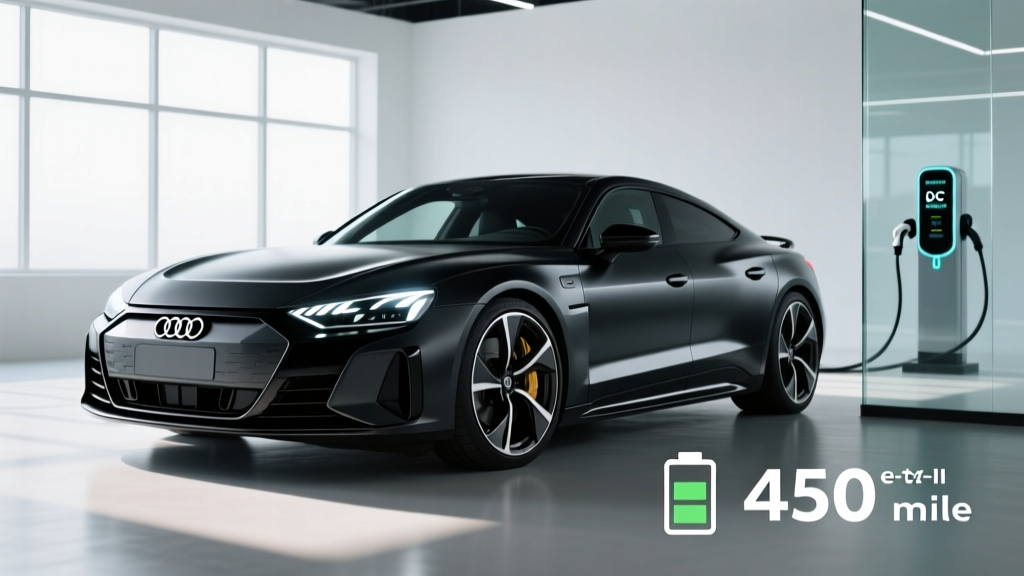
The Audi e-tron GT has always occupied a unique position in the EV landscape: a luxury performance sedan built on the same J1 platform as the Porsche Taycan, but tuned for grand touring comfort over track-day aggression. For 2026, Audi has refreshed the lineup with improved efficiency, slightly revised battery management, and updated driver-assistance features — but the core proposition remains the same. You're buying a 270-mile range, sub-4-second 0–60 machine that looks like a concept car and charges at up to 320 kW on a DC fast charger.
The question most buyers ask: does the e-tron GT justify its premium over a Tesla Model S or a Porsche Taycan? After examining the full spec sheet and real-world driving dynamics, the answer depends heavily on what you value — design, charging speed, and everyday comfort rank high here, while cargo practicality and federal tax credit eligibility present real limitations.
Audi e-tron GT Spec Sheet at a Glance
| Specification | e-tron GT quattro | RS e-tron GT | RS e-tron GT Performance |
|---|---|---|---|
| EPA Range | 270 mi | 254 mi | 238 mi |
| Battery (usable) | 93.4 kWh (NMC) | 93.4 kWh (NMC) | 93.4 kWh (NMC) |
| Horsepower | 523 hp (boost) | 646 hp (boost) | 912 hp (boost) |
| 0–60 mph | 3.9 sec | 3.1 sec | 2.5 sec |
| Drivetrain | Dual-motor AWD | Dual-motor AWD | Dual-motor AWD |
| Peak DC Charge Rate | 320 kW | 320 kW | 320 kW |
| 10–80% DCFC Time | ~18 min | ~18 min | ~18 min |
| Level 2 Charge Rate | 11 kW (AC) | 11 kW (AC) | 11 kW (AC) |
| MPGe (combined) | 87 MPGe | 82 MPGe | 79 MPGe |
| Efficiency | 39 kWh/100 mi | 41 kWh/100 mi | 43 kWh/100 mi |
| Base MSRP | $89,995 | $116,595 | $142,395 |
| Battery Warranty | 8 yr / 100,000 mi | 8 yr / 100,000 mi | 8 yr / 100,000 mi |
Sources: EPA fueleconomy.gov, Audi USA specifications.
Range, Efficiency, and Real-World Expectations
EPA Sticker: 270 miles (GT quattro) / 254 miles (RS) / 238 miles (RS Performance)
Real-World Highway (70–75 mph): Expect ~215–235 miles for the GT quattro; ~195–215 miles for the RS
Cold-Weather (below 32°F): Subtract 15–25% — roughly 170–200 miles for the GT quattro
City/Mixed Commuting: Close to EPA or slightly above, ~265–280 miles thanks to regenerative braking
The 2026 e-tron GT carries over the 93.4 kWh usable battery pack (gross capacity ~107.8 kWh) using NMC (nickel manganese cobalt) cell chemistry. Audi's J1 platform uses an 800-volt architecture, which enables both the impressive DC charge rates and slightly better efficiency under load compared to 400V systems.
Efficiency varies noticeably by trim. The GT quattro's 87 MPGe combined (39 kWh/100 mi) is respectable for a 5,100-pound AWD performance sedan — roughly on par with the Porsche Taycan 4S. But step up to the RS Performance with its wider tires, stickier compound, and 912 hp, and you'll see consumption climb to 43 kWh/100 mi. That's a meaningful difference on road trips: roughly 2.5 kWh more per 100 miles driven.
Highway driving at sustained 75+ mph will reduce range by 10–15% versus the EPA combined figure. Cold weather compounds this: below freezing, expect to lose 15–25% of range due to battery heating demands and increased cabin climate load. The e-tron GT does include a heat pump as standard equipment, which mitigates some of this loss compared to resistive heating, but it's not immune to winter physics.
Charging: 320 kW Peak, but the Curve Tells the Real Story
| Charging Level | Power (kW) | Speed (miles of range added) | Typical Time |
|---|---|---|---|
| Level 1 (120V household) | ~1.4 kW | ~3–4 mi/hr | 65+ hours (empty to full) |
| Level 2 (240V home, 48A) | 11 kW | ~28–30 mi/hr | ~9.5 hours (10–100%) |
| DC Fast Charge (350 kW station) | Up to 320 kW peak | ~180 mi in first 10 min | 10–80% in ~18 minutes |
The 800-volt architecture enables the e-tron GT to accept up to 320 kW on a compatible DC fast charger — putting it among the fastest-charging EVs on sale. On an Electrify America or Ionity 350 kW stall with proper preconditioning, you'll see the charge rate spike to 300+ kW in the low state-of-charge window (10–30% SoC), then progressively taper.
Here's the charging-curve reality that spec sheets don't show: the 320 kW peak is sustained for only a narrow window. Between 10% and roughly 35% SoC, you'll average around 270–290 kW. From 35% to 60%, the rate drops to approximately 180–200 kW. Above 80%, charging slows dramatically to protect the NMC cells — expect 50 kW or less, which is why the 10–80% time of ~18 minutes is the metric that matters. A full 10–100% session will take closer to 35–40 minutes.
Preconditioning matters. Navigate to a DC fast charger using the built-in MMI navigation system, and the e-tron GT will automatically warm the battery to optimal temperature before you arrive. Skip this step (for instance, pulling into a charger found on a third-party app) and your peak charge rate could be 30–50% lower, especially in cold weather.
For home charging, the onboard 11 kW AC charger means a full Level 2 session (48-amp, 240V circuit) adds roughly 28–30 miles of range per hour. Most owners charging overnight from 20% to 80% will need about 5–6 hours. Installation of a hardwired Level 2 charger typically runs $800–$2,000 depending on your electrical panel capacity and run distance — budget for a 60-amp dedicated circuit with a licensed electrician.
Performance: Three Tiers of Electric Acceleration
Every 2026 e-tron GT uses a dual-motor all-wheel-drive layout with one motor on each axle. The base GT quattro produces 469 hp in normal driving, rising to 523 hp in launch-control boost mode for a 3.9-second 0–60 mph time. That's quick by any standard — the instant torque delivery from the electric motors means real-world passing acceleration feels even more urgent than the number suggests.
The RS e-tron GT bumps output to 590 hp standard and 646 hp on boost, dropping the 0–60 time to 3.1 seconds. The RS also gains rear-axle torque vectoring, a two-speed transmission on the rear motor (for better top-end efficiency), and a sport-tuned air suspension with more aggressive damping profiles.
At the top of the range, the RS e-tron GT Performance is a different animal entirely: 912 hp on boost, a 2.5-second 0–60 time, and an electronically limited top speed of 155 mph. This trim competes directly with the Taycan Turbo GT and represents the extreme end of what the J1 platform can deliver.
All trims feature Audi's quattro AWD system with fully variable torque distribution. The two-speed rear transmission (standard on RS trims, single-speed on the GT quattro) allows the car to optimize between hard-launch acceleration and high-speed cruising efficiency. Regenerative braking is adjustable through three levels via steering-wheel paddles, though the e-tron GT does not offer true one-pedal driving to a full stop — you'll still need the friction brakes at very low speeds.
Interior, Cargo, and Everyday Practicality
The e-tron GT seats four adults (strictly four — there's a fixed rear center console, not a bench). Front-seat comfort is excellent, with standard 18-way power-adjustable sport seats, available Nappa leather, and a heated/ventilated option on higher trims. Rear legroom measures 32.1 inches, which is adequate for adults under 6 feet but noticeably tighter than a Mercedes EQS or BMW i5. Headroom in the rear is compromised by the sloping roofline — taller passengers will notice.
Cargo space is the e-tron GT's most significant practicality limitation:
- Rear trunk: 9.2 cubic feet
- Front trunk (frunk): 3.2 cubic feet
- Total cargo volume: 12.4 cubic feet
That's enough for two carry-on suitcases and a couple of soft bags. For comparison, the Tesla Model S offers 28 cu ft of rear cargo plus a frunk, and even the Taycan manages 14.3 cu ft combined. If you regularly haul gear, golf clubs, or family luggage, this is a genuine constraint.
On the technology front, the e-tron GT uses Audi's MMI touch response system with a 10.1-inch upper touchscreen and an 8.6-inch lower climate/control screen. Wireless Apple CarPlay and Android Auto are standard. The 12.3-inch Virtual Cockit Plus digital instrument cluster is configurable and well-executed. Audi's driver assistance suite includes adaptive cruise control with stop-and-go, lane-centering assist (SAE Level 2 — you must keep your hands on the wheel and remain engaged), intersection assist, and a surround-view camera system. The Level 2 system is competent for highway cruising but requires continuous driver attention — this is not a hands-free system like GM's Super Cruise or Ford's BlueCruise.
Pricing, Trims, and Federal Tax Credit Eligibility
| Trim | Base MSRP | As-Tested (typical options) | Federal §30D Credit |
|---|---|---|---|
| e-tron GT quattro | $89,995 | $97,000–$105,000 | Not eligible (MSRP cap) |
| RS e-tron GT | $116,595 | $125,000–$140,000 | Not eligible (MSRP cap) |
| RS e-tron GT Performance | $142,395 | $155,000+ | Not eligible (MSRP cap) |
Under current IRS §30D rules, the federal EV tax credit has an MSRP cap of $55,000 for sedans. Since every e-tron GT trim starts well above that threshold, no 2026 e-tron GT qualifies for the $7,500 federal tax credit. This is a hard cap — no amount of income qualification or battery-sourcing compliance will change it for a vehicle in this price class.
Buyers should also be aware of the income caps (adjusted gross income of $150,000 single / $300,000 joint filers) and battery critical-mineral sourcing requirements that apply to eligible vehicles. But for the e-tron GT, the MSRP cap is the disqualifying factor.
Some states offer their own EV incentives that may apply regardless of MSRP — check your state's energy office or DMV for current programs. Additionally, the commercial clean vehicle credit (§45W) may be available for business purchases or leases through certain dealerships, though structuring this requires consultation with a tax professional.
Warranty and Long-Term Ownership
Audi provides the following coverage for the 2026 e-tron GT:
- Battery warranty: 8 years / 100,000 miles (guarantees minimum 70% capacity retention)
- Powertrain warranty: 8 years / 100,000 miles
- Bumper-to-bumper: 4 years / 50,000 miles
- Corrosion perforation: 12 years, unlimited miles
- Roadside assistance: 4 years / unlimited miles
The 70% capacity retention threshold over 8 years is industry-standard for NMC packs. Real-world degradation data from earlier e-tron GT model years and the shared Taycan platform suggests these J1 packs hold up well — most owners report 3–5% degradation in the first 30,000 miles, with the curve flattening significantly afterward. Audi's battery management system maintains a generous buffer (roughly 14 kWh of the 107.8 kWh gross capacity is reserved and inaccessible to the driver), which protects long-term cell health.
If out-of-warranty battery replacement is ever needed, expect costs in the $18,000–$25,000 range for the pack itself plus labor, based on current J1 platform service pricing. This is a worst-case scenario — the vast majority of packs outlast the vehicle's useful life.
Pros, Cons, and Who Should Buy
✓ Pros
- Class-leading 320 kW DC charging with 10–80% in ~18 min
- Stunning design — arguably the best-looking EV sedan on sale
- 800V architecture delivers sustained performance without overheating
- Refined ride quality with adaptive air suspension
- Strong build quality and premium interior materials
- Heat pump standard for better cold-weather efficiency
✗ Cons
- Cargo space is severely limited (12.4 cu ft total)
- No federal tax credit eligibility (MSRP exceeds $55K sedan cap)
- Rear seat headroom tight for passengers over 6 feet
- Infotainment dual-screen layout draws mixed reviews vs single large displays
- No true one-pedal driving to a complete stop
- Price premium over Taycan is small — brand preference is the differentiator
The e-tron GT is ideal for design-conscious professionals and driving enthusiasts who want a luxury performance EV for commuting and weekend grand touring — not for families needing cargo space or budget-conscious buyers chasing tax credits. If you charge primarily at home, appreciate Audi's design language, and value 320 kW charging for occasional road trips, this is a compelling package. If you need practicality, the Tesla Model S or BMW i5 offer more utility at lower prices.
Frequently Asked Questions
What is the real-world range of the 2026 Audi e-tron GT?
The EPA rates the GT quattro at 270 miles, but expect roughly 215–235 miles on sustained highway driving at 70–75 mph. In cold weather (below 32°F), plan for 170–200 miles. City driving with regenerative braking can match or slightly exceed the EPA number.
How fast does the e-tron GT charge at home and on DC fast chargers?
On a 350 kW DC fast charger, the e-tron GT peaks at 320 kW and charges from 10–80% in approximately 18 minutes with battery preconditioning. At home on a Level 2 (240V, 48A) charger, the 11 kW onboard charger adds about 28–30 miles per hour, fully replenishing the battery overnight in roughly 9.5 hours.
Does the 2026 Audi e-tron GT qualify for the federal EV tax credit?
No. Under IRS §30D, sedans must have an MSRP at or below $55,000 to qualify. The e-tron GT starts at $89,995, which exceeds this cap regardless of buyer income or battery sourcing. Some state-level incentives may still apply — consult your state energy office.
Is the e-tron GT worth buying over the Porsche Taycan?
They share the J1 platform, battery, and 800V architecture, so performance and charging are nearly identical. The e-tron GT leans slightly more toward comfort and design, while the Taycan offers sharper handling dynamics and marginally more cargo space. At similar pricing, the choice comes down to brand preference, dealer experience, and styling. If Audi's design and interior execution appeal to you more, the e-tron GT is equally capable.
What battery chemistry does the e-tron GT use?
The e-tron GT uses NMC (nickel manganese cobalt) lithium-ion cells in a 93.4 kWh usable / 107.8 kWh gross pack. NMC offers higher energy density than LFP chemistry, which is necessary to achieve 270 miles of range in a performance sedan, though it requires more careful thermal management and charge-rate tapering above 80% SoC.
How much does it cost to charge an e-tron GT?
At the national average electricity rate of ~$0.17/kWh, a full home charge costs roughly $16 (93.4 kWh × $0.17). DC fast charging at Electrify America or similar networks typically costs $0.40–$0.55/kWh, making a 10–80% session approximately $26–$36. Per mile, home charging works out to about $0.06/mile versus $0.12–$0.15/mile for gas in a comparable performance sedan.