Quick Answer: Yes, Electric Jet Skis Exist — But They're Niche and Expensive
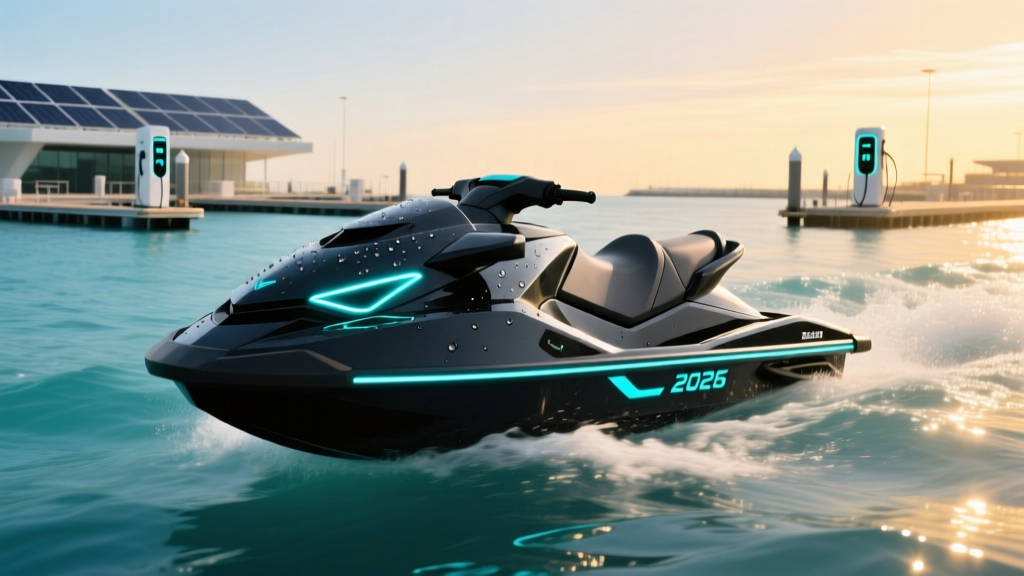
As of 2026, there are a handful of production electric personal watercraft (PWC) available, most notably from Taiga Motors (Canada) and Narke (Hungary). However, these are low-volume, premium-priced products — typically $25,000–$42,000 — with real-world run times of 45–90 minutes depending on throttle use. Major players like Sea-Doo (BRP) and Yamaha have announced electrification roadmaps but have not yet released a fully electric jet ski for the US market. If you're asking "are there electric jet skis" because you want a silent, zero-emission ride on the lake, the answer is yes — but availability is limited, range is modest, and you'll pay a steep premium over a comparable gas PWC.
The Current Electric Jet Ski Landscape in 2026
The electric PWC market remains small but real. Here's what's actually available or in active delivery to North American buyers:
| Brand / Model | Battery (kWh) | Est. Run Time | Top Speed | Approx. Price (USD) | Status |
|---|---|---|---|---|---|
| Taiga Orca Carbon | 23 kWh (NMC) | ~90 min (mixed) | 55 mph | $38,990 | Shipping (limited) |
| Taiga Orca Performance | 23 kWh (NMC) | ~75 min (mixed) | 62 mph | $34,990 | Shipping (limited) |
| Narke GT95 Electrojet | 20.5 kWh (NMC) | ~60 min (aggressive) | 50 mph | ~$28,000 | Limited EU/US import |
For context, a new Sea-Doo RXP-X 325 (supercharged gas PWC) starts around $19,500 and runs all day on a 16-gallon tank. The gap in price and endurance is significant — and it's the central trade-off every buyer must weigh.
Electric vs Gas Jet Ski: The Numbers Don't Lie
Understanding the real-world differences requires looking beyond the brochure. Here's a head-to-head comparison using the Taiga Orca Performance against a typical performance gas PWC (Sea-Doo RXP-X class):
| Metric | Taiga Orca Performance (Electric) | Sea-Doo RXP-X 325 (Gas) |
|---|---|---|
| Base MSRP | $34,990 | $19,500 |
| Top Speed | 62 mph | 72+ mph |
| Run Time (moderate use) | ~75–90 min | 3–4 hours (16-gal tank) |
| "Refuel" / Recharge Time | ~80 min (Level 2, 7.2 kW) | ~3 min (gas fill-up) |
| Energy/Fuel Cost per Hour | ~$1.50–$3.00 (electricity) | ~$18–$25 (premium gas) |
| Noise Level | Near-silent | 75–90 dB |
| Maintenance | Minimal (no oil, no winterization of engine) | Annual winterization, oil, impeller wear |
| Weight | ~590 lbs | ~850 lbs |
The operating cost advantage is real: electricity at $0.15/kWh means roughly $3.45 to fully charge a 23 kWh battery, giving you 60–90 minutes of riding. A gas PWC burning 8–12 gallons per hour at $4.00/gal costs $32–$48 for the same session. But the $15,000+ purchase premium means you'd need thousands of hours on the water to break even on fuel savings alone.
Charging and Ownership Realities
Electric jet skis charge via standard AC power — most use a marine-grade shore power connection or a portable Level 2 (240V) charger. Here's what to expect:
- Level 1 (120V standard outlet): ~1.4 kW — full charge in 16+ hours. Impractical for same-day turnaround.
- Level 2 (240V, 30A): ~7.2 kW — full charge in roughly 3–4 hours. This is the realistic minimum for active use.
- DC fast charging: Not currently available on production electric PWCs. The batteries are too small and the market too niche for CCS/NACS integration.
If you have a dock with 240V shore power or a garage with a dedicated 240V circuit near your trailer, charging is straightforward. If you rely on a marina without electrical hookups or store your PWC at a community rack, you'll face the same "charging desert" problem that plagues apartment-dwelling EV car owners. Plan your infrastructure before you buy.
Cold-water and seasonal note: NMC lithium cells lose 15–25% effective capacity in water temperatures below 50°F. If you ride in northern lakes from October through April, expect run times to drop from 75 minutes to roughly 55–60 minutes. Store and charge your PWC in temperatures above freezing to preserve long-term battery health.
Cost Breakdown: 5-Year Ownership
Let's model five years of ownership assuming 60 hours of riding per year (a moderate weekend-warrior pattern):
| Cost Category | Taiga Orca Performance (Electric) | Gas PWC (Sea-Doo RXP-X Class) |
|---|---|---|
| Purchase Price | $34,990 | $19,500 |
| Fuel/Energy (5 yrs, 300 hrs total) | ~$1,035 | ~$6,600 |
| Maintenance (5 yrs) | ~$500 | ~$3,500 |
| Insurance (5 yrs avg) | ~$4,500 | ~$3,000 |
| Estimated Resale Value (Year 5) | ~$18,000 (est.) | ~$11,000 |
| Total 5-Year Net Cost | ~$23,025 | ~$21,600 |
The electric PWC still costs more over five years, primarily because of the massive upfront price gap. Insurance tends to run higher for electric watercraft due to limited actuarial data and expensive battery replacement risk ($8,000–$12,000 for a new pack). Maintenance is genuinely lower — no engine oil, no coolant, no supercharger rebuilds, no winterization of an internal combustion system — but the savings don't close the purchase gap.
Tax credit note: Electric PWCs do not qualify for the federal §30D clean vehicle credit. That credit applies to highway-capable four-wheeled vehicles meeting specific MSRP, income, and battery-sourcing requirements per IRS guidelines. Some states or local air-quality districts may offer rebates for zero-emission recreational equipment — check your state energy office — but don't count on a $7,500 offset.
Common Misconceptions — Fact vs Fiction
| Myth | Fact |
|---|---|
| "Electric jet skis are just as fast as gas ones." | Close, but not equal. The Taiga Orca Performance hits 62 mph — impressive — but a supercharged Sea-Doo RXP-X tops 72 mph. For towing or racing, gas still wins on peak power. |
| "You can ride all day on a charge." | Realistic mixed-use run time is 60–90 minutes. Aggressive riding (full throttle, jumps, towing) cuts that to 30–45 minutes. Gas PWCs run 3–4 hours on a tank. |
| "Electric PWCs are maintenance-free." | Lower maintenance, yes — but the impeller, wear ring, hull, and electronics still need inspection. Saltwater use demands thorough flushing. And NMC batteries degrade over time regardless of use. |
| "BRP/Yamaha/Kawasaki all have electric models." | As of 2026, none of the Big Three have released a production electric PWC in the US. BRP has stated it will electrify all product lines by 2035, but no specific electric Sea-Doo model is on sale. |
| "You can charge at any marina." | Most marinas offer 120V shore power at best — a full Level 1 charge takes 16+ hours. You need 240V for practical turnaround, which requires a dedicated circuit and proper marine-grade connectors. |
Who Should Actually Buy an Electric Jet Ski?
Buy electric if:
- You ride primarily on lakes with noise restrictions or "electric-only" zones (growing in parts of Europe and some US reservoirs).
- You have reliable 240V charging at your dock or storage garage.
- You value silence — for wildlife observation, photography, or courtesy to neighbors.
- You ride in 60–90 minute sessions and don't need all-day endurance.
- You're willing to pay a $15,000+ premium for zero tailpipe emissions and lower running costs.
Stick with gas if:
- You tow wakeboarders, tube riders, or need sustained high-speed runs.
- You ride at marinas or remote lakes without 240V charging infrastructure.
- You need 3+ hours of continuous run time per session.
- Your budget is under $25,000.
- You want full dealer support and easy parts availability across the US.
What First-Time Electric PWC Buyers Must Know
If you've decided an electric jet ski fits your use case, keep these practical points in mind:
- Battery degradation is real. NMC cells typically retain 80–85% of original capacity after 500–800 full charge cycles. For a 60-hour-per-year rider, that translates to roughly 8–12 years of usable life before range becomes noticeably reduced. Taiga offers a 5-year/limited-mileage battery warranty — confirm the exact capacity-retention threshold (typically 70–80%) before signing.
- Trailer charging matters. Some owners charge on the trailer in their garage using a 240V NEMA 14-50 outlet (the same setup used for EV home charging). Budget $500–$1,500 for a licensed electrician to install a dedicated 240V circuit if you don't already have one. Per NFPA electrical codes, marine environments may require GFCI protection and weatherproof enclosures.
- Saltwater accelerates everything. Electric doesn't mean corrosion-proof. Rinse, flush, and dry your PWC after every saltwater session. Pay special attention to the charge port and any exposed connectors.
- Resale uncertainty. The used electric PWC market is essentially nonexistent in 2026. You're buying a niche product with no established depreciation curve. Assume 40–55% value retention at year five — worse if the manufacturer goes out of business or discontinues battery support.
- Check local regulations. Some waterways are beginning to restrict gas-powered PWCs due to noise and emissions. If your primary lake is trending toward electric-only rules, an electric PWC becomes a practical necessity, not just a lifestyle choice.
The Bottom Line
Yes, electric jet skis exist in 2026 — but they're a specialty product for a specific buyer. If you ride on quiet lakes, have 240V charging access, and prioritize silence and zero local emissions over top speed and all-day endurance, the Taiga Orca is a genuinely compelling machine. For everyone else, gas PWCs remain faster, cheaper, and far more practical. The Big Three (BRP, Yamaha, Kawasaki) will eventually enter this space with scale and dealer networks that could change the calculus — but until then, electric jet skis remain an early-adopter purchase.
Are electric jet skis street-legal on all US waterways?
Electric PWCs are legal wherever gas PWCs are — and in some cases, they're the only PWCs allowed. Certain reservoirs and protected waterways have banned gas-powered watercraft, making electric the default. Always check local waterway authority rules before riding.
How long does an electric jet ski battery last before replacement?
NMC lithium batteries in current electric PWCs are rated for roughly 500–800 full charge cycles before dropping below 80% capacity. At 60 hours of annual riding, expect 8–12 years of functional use. Full battery replacement costs an estimated $8,000–$12,000 depending on the model.
Can I charge an electric jet ski from a standard 120V outlet?
Technically yes, but a full Level 1 (120V) charge takes 16+ hours for a 23 kWh battery. For practical same-day reuse, you need a 240V Level 2 connection delivering at least 7.2 kW, which cuts charge time to roughly 3–4 hours.
Do electric jet skis qualify for any tax credits?
No. The federal §30D clean vehicle credit applies only to highway-capable four-wheeled motor vehicles. Electric PWCs are classified as recreational watercraft and are ineligible. Some state or local air-quality programs may offer small rebates — check your state energy office.
Will BRP (Sea-Doo) or Yamaha release an electric jet ski soon?
BRP has committed to electrifying all product lines by 2035, and Yamaha has shown electric PWC concepts, but neither has announced a production model with a US release date as of early 2026. When they do enter, expect broader dealer support and potentially lower prices due to manufacturing scale.