The Short Answer: Yes, Teslas Are Among the Hardest EVs to Steal
If you've been searching whether Teslas are hard to steal, the data says yes — but the reasons go far beyond a traditional car alarm. Tesla's anti-theft ecosystem combines always-on GPS connectivity, remote immobilization, biometric-like phone-key pairing, and a feature called Sentry Mode that records would-be thieves in real time. According to IIHS theft data and insurance industry reports, Tesla Models consistently rank among the least-stolen vehicles relative to their sales volume, particularly the Model 3 and Model Y.
But no car is theft-proof. Relay attacks, opportunistic break-ins, and parts theft still occur. This guide covers every layer of Tesla's 2026 anti-theft architecture, the real-world limitations you should know about, and how to configure your vehicle for maximum protection.
How Tesla's Anti-Theft System Works: A Layered Defense
Tesla doesn't rely on a single anti-theft mechanism. Instead, the vehicle operates on a layered security model that makes both traditional hot-wiring and modern electronic attacks significantly harder than on most competing vehicles.
Layer 1: No Physical Key to Clone (Phone Key & Key Card)
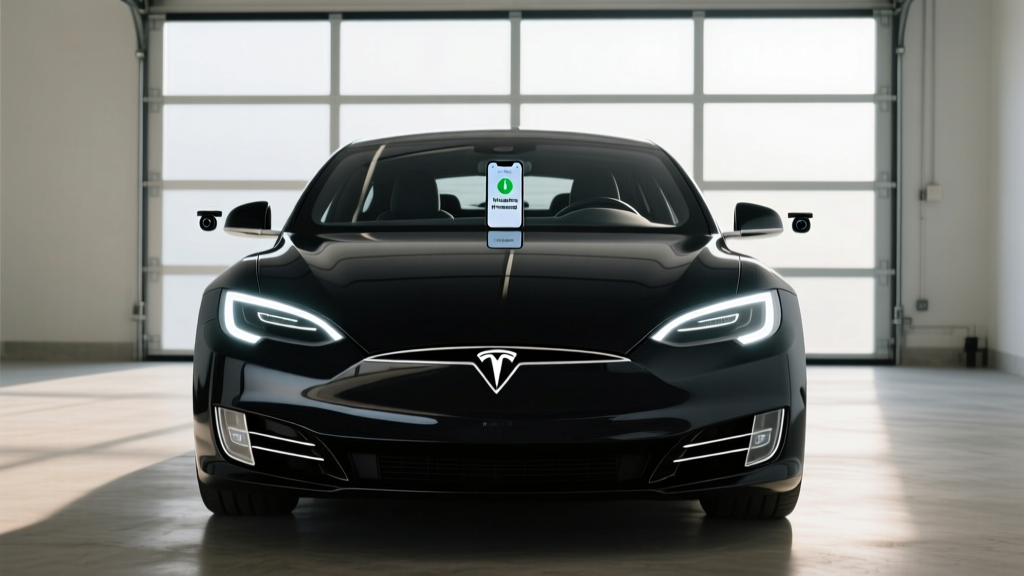
Tesla eliminated the traditional key fob as the primary access method. Instead, the vehicle uses Bluetooth Low Energy (BLE) to authenticate your paired smartphone as the key. This means:
- There is no RFID fob signal for thieves to intercept or relay from outside your home
- Each phone key is cryptographically paired to one specific vehicle
- Backup access uses an NFC key card (credit-card-sized) that must be tapped on the B-pillar — no wireless signal to capture
- Optional key fobs (sold separately for Model S/X, and available for Model 3/Y) use encrypted BLE, not the older RFID relay-vulnerable protocols
Why this matters: Relay attacks — where thieves amplify a key fob signal from inside your house to unlock a car in the driveway — have been a top theft method for modern vehicles with push-button start. Tesla's phone-key architecture largely eliminates this vector because the BLE handshake requires proximity authentication that is far harder to relay over distance.
Layer 2: Always-Connected GPS Tracking & Remote Immobilization
Every Tesla has a built-in cellular connection (LTE/5G depending on model year). This means:
- The vehicle's real-time GPS location is always accessible via the Tesla app
- If stolen, you and law enforcement can track the vehicle live
- Tesla can remotely disable the vehicle through a "Pin to Drive" lockout or by working with law enforcement to immobilize it once stopped
- The vehicle cannot be started without valid authentication, even if physically towed
Real-world impact: Recovery rates for stolen Teslas are significantly higher than the industry average. A thief cannot simply drive the car to a chop shop — it's broadcasting its location the entire time, and Tesla can render it inoperable. This dramatically reduces the incentive to steal one in the first place.
Layer 3: Sentry Mode — 360° Surveillance
Sentry Mode is arguably Tesla's most visible anti-theft feature. When the vehicle is parked and locked, the car's external cameras remain active and will:
- Record video when motion or impacts are detected near the vehicle
- Flash the headlights and display a warning on the touchscreen that recording is active
- Save footage to a USB drive (or glovebox SSD in newer models) for evidence
- Send a push notification to your phone in real time
- Allow you to view live camera feeds remotely through the Tesla app (requires Premium Connectivity)
Power draw caveat: Sentry Mode uses approximately 1 mile of range per hour of standby, or roughly 24 miles over a full day. If you park at home with a Level 2 charger, this is negligible. If you're parking at an airport for a week without charging, you'll want to disable it or ensure you have sufficient buffer. On a 2026 Model Y Long Range with its ~310-mile EPA range, a week of Sentry Mode would consume roughly 168 miles of range — significant if unplugged.
Layer 4: Pin to Drive
This user-configurable feature requires a 4-digit PIN to be entered on the touchscreen before the vehicle can be driven, even if a valid phone key or key card is present. This protects against:
- Someone who steals your phone and key card simultaneously
- Carjacking scenarios where the attacker forces you out but the car locks behind you
- Insider threats (valet, mechanic) if you enable it selectively
2026 Tesla Lineup: Quick Specs for Context
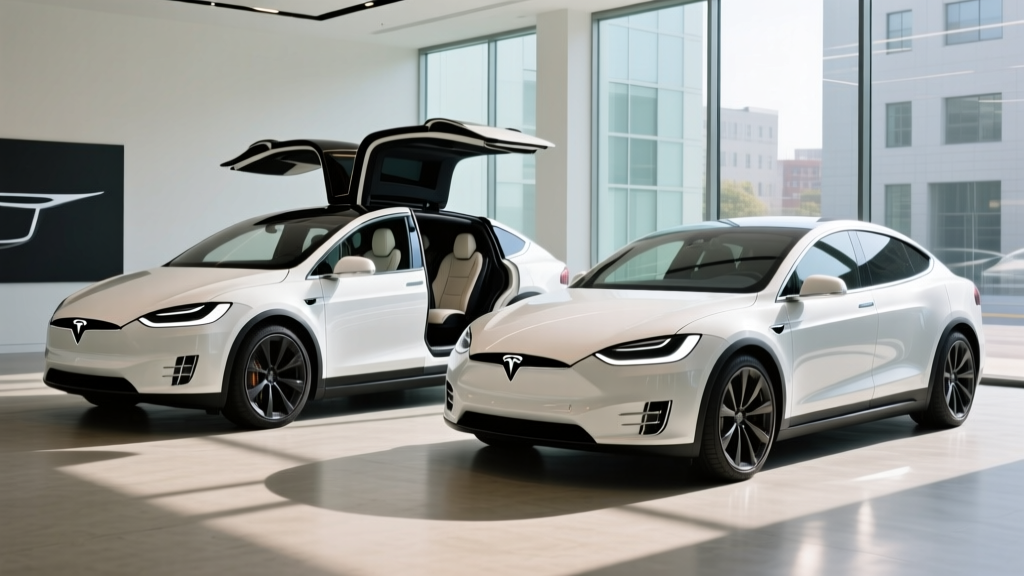
Since anti-theft features apply across the Tesla fleet, here's a snapshot of the current 2026 lineup for buyers weighing security alongside range, charging, and price.
| Spec | Model 3 Long Range AWD | Model Y Long Range AWD | Model S Long Range | Model X Long Range |
|---|---|---|---|---|
| EPA Range | 363 mi | 320 mi | 402 mi | 348 mi |
| Battery (usable) | ~79 kWh (NMC) | ~79 kWh (NMC) | ~95 kWh (NMC) | ~95 kWh (NMC) |
| Peak DC Charge | 250 kW | 250 kW | 250 kW | 250 kW |
| 10–80% DC Time | ~25 min | ~25 min | ~30 min | ~30 min |
| Level 2 Rate | 11.5 kW (~44 mi/hr) | 11.5 kW (~44 mi/hr) | 11.5 kW (~34 mi/hr) | 11.5 kW (~34 mi/hr) |
| 0–60 mph | 4.2 sec | 4.8 sec | 3.1 sec | 3.8 sec |
| Horsepower | 346 hp | 384 hp | 670 hp | 670 hp |
| Drivetrain | Dual-Motor AWD | Dual-Motor AWD | Dual-Motor AWD | Dual-Motor AWD |
| MPGe (combined) | 134 MPGe | 122 MPGe | 120 MPGe | 109 MPGe |
| Cargo (rear + frunk) | 23 + 3.1 cu ft | 76 + 4.1 cu ft | 28 + 2.5 cu ft | 88 + 6.6 cu ft |
| Base MSRP | $47,740 | $48,630 | $79,990 | $84,990 |
| Battery Warranty | 8 yr / 120,000 mi | 8 yr / 120,000 mi | 8 yr / 150,000 mi | 8 yr / 150,000 mi |
Theft Statistics: How Do Teslas Compare?
The Highway Loss Data Institute (HLDI), an IIHS affiliate, tracks insurance claim frequencies by vehicle model. Tesla's results are striking:
- Model 3: Theft claim frequency approximately 88% below the all-vehicle average
- Model Y: Theft claim frequency approximately 85% below average
- Model S/X: Slightly higher than 3/Y but still well below average — higher-value vehicles attract more targeted theft attempts
For comparison, several popular non-electric SUVs and trucks show theft rates 2–4× the industry average. The combination of GPS tracking, remote disablement, and lack of a clonable key fob makes Teslas poor targets for professional theft rings.
What Tesla Theft Does Occur?
The theft incidents that do happen with Teslas tend to fall into specific categories:
- Break-ins for valuables: Smashing a window to grab a laptop or bag — not stealing the car itself. Sentry Mode has reduced this by recording perpetrators.
- Catalytic converter theft: Not applicable — EVs don't have catalytic converters, eliminating one of the most common auto crimes.
- Charging cable theft: Opportunistic theft of mobile connectors or adapters left at public chargers. Lock the cable via the Tesla app when charging.
- Joyriding by someone with access: A family member, acquaintance, or valet who has temporary access to a key card. Pin to Drive prevents this.
- Towing: A determined thief with a flatbed can physically remove the vehicle. However, it remains trackable and immobilizable, making resale or stripping extremely difficult.
Charging Speed: What You Need to Know as an Owner
| Charging Level | Power (kW) | Speed (miles/hr) | Use Case |
|---|---|---|---|
| Level 1 (120V outlet) | ~1.4 kW | ~3–5 mi/hr | Emergency / overnight trickle |
| Level 2 (240V home) | 11.5 kW | ~34–44 mi/hr | Daily home charging |
| DC Fast (Supercharger V2) | 150 kW peak | ~300+ mi/hr (peak) | Road trips, older stations |
| DC Fast (Supercharger V3/V4) | 250 kW peak | ~500+ mi/hr (peak) | Road trips, current network |
Charging curve reality check: Tesla's 250 kW peak rate applies only at low states of charge (roughly 5–30%). Above 50%, the rate tapers significantly. A typical 10–80% session on a V3 Supercharger takes about 25 minutes for a Model 3/Y Long Range. The last 20% (80–100%) can take as long as the first 70% due to the taper. For battery longevity, daily charging to 80% is recommended for NMC batteries; Tesla's battery management system handles this automatically when you set a charge limit.
kW vs kWh refresher: kW (kilowatts) measures charging power — how fast energy flows into the battery. kWh (kilowatt-hours) measures energy capacity — how much total energy the battery holds. A 79 kWh battery charging at 11.5 kW from empty would take roughly 7 hours (79 ÷ 11.5). In practice, the taper near full charge adds time.
Pricing, Tax Credits, and Total Cost
| Model | Base MSRP | Federal §30D Credit | Effective Price (if eligible) |
|---|---|---|---|
| Model 3 RWD | $39,990 | Up to $7,500* | ~$32,490 |
| Model 3 Long Range AWD | $47,740 | Up to $7,500* | ~$40,240 |
| Model Y Long Range AWD | $48,630 | Up to $7,500* | ~$41,130 |
| Model S Long Range | $79,990 | $0 (exceeds MSRP cap) | $79,990 |
| Model X Long Range | $84,990 | $0 (exceeds MSRP cap) | $84,990 |
*Federal §30D tax credit eligibility is NOT guaranteed. As of 2026, the IRS clean vehicle credit has strict requirements:
- MSRP caps: Sedans (Model 3) must be under $55,000; SUVs/trucks/vans (Model Y) under $80,000
- Buyer income caps: AGI must not exceed $150,000 (single), $225,000 (head of household), or $300,000 (joint)
- Battery sourcing: Critical minerals and battery components must meet escalating domestic-sourcing percentages, which tighten annually. Tesla's US-built batteries generally qualify, but always verify current-year status on the IRS eligible vehicle list
- Point-of-sale transfer: You can now transfer the credit to the dealer at purchase, reducing your out-of-pocket cost immediately rather than waiting for tax filing
Always confirm eligibility at fueleconomy.gov before purchasing, as the qualified vehicle list updates periodically.
Pros and Cons: Tesla Security & Ownership
✅ Anti-Theft Pros
- Always-on GPS tracking makes recovery highly likely
- No traditional key fob signal to relay or clone
- Sentry Mode provides recorded evidence of break-in attempts
- Pin to Drive adds a second authentication layer
- Remote immobilization via Tesla support / law enforcement coordination
- No catalytic converter to steal
- Over-the-air security updates continuously improve defenses
⚠️ Limitations & Drawbacks
- Sentry Mode drains ~1 mi/hr of range when active (matters when unplugged)
- Break-ins for cabin valuables still occur — don't leave items visible
- Premium Connectivity ($9.99/mo) required for remote live camera viewing
- Phone key requires a charged smartphone — keep the NFC key card as backup
- Aftermarket modifications (wraps, tint) can sometimes interfere with camera-based features
- Insurance premiums can be higher than comparable non-Tesla vehicles due to repair costs
Who Should Buy a Tesla (and Who Shouldn't)?
Best for:
- Urban commuters who park on the street or in unsecured lots — Sentry Mode and GPS tracking provide peace of mind that traditional car alarms cannot match
- Tech-savvy owners who want app-based control, OTA updates, and a connected ecosystem
- Road trippers who value Tesla's Supercharger network — over 20,000+ stalls across North America with reliable plug-and-charge authentication
- Families (Model Y/X) needing cargo space, strong safety ratings (IIHS Top Safety Pick+ for Model Y), and low theft risk
Consider alternatives if:
- You need a vehicle under $30,000 — Tesla's entry point is ~$39,990 before credits
- You lack home charging access — public-only charging adds cost and inconvenience
- You prefer physical buttons and traditional interfaces — Tesla's minimalist interior centers on the touchscreen
- You want to tow over 5,000 lbs — the Model X maxes out at 5,000 lbs; most competitors in this segment are similar
How to Maximize Your Tesla's Theft Protection
Out of the box, a Tesla is already one of the most theft-resistant vehicles you can buy. But these configuration steps will harden it further:
- Enable Pin to Drive (Controls → Safety → Pin to Drive). Set a 4-digit code that isn't your birthday or address.
- Keep Sentry Mode on when parked in public. Exclude trusted locations (your home garage) to save range if you charge there overnight.
- Enable Sentry Mode viewer in the app (requires Premium Connectivity) so you can check cameras live from anywhere.
- Never leave a key card in the vehicle. If a thief breaks a window and finds the card, they can start the car — unless Pin to Drive is enabled (see step 1).
- Lock the charge cable when using public chargers. Tap the lock icon in the app or on the touchscreen to prevent cable theft.
- Use Walk-Away Door Lock so the car automatically locks when your phone moves out of BLE range.
- Check for software updates regularly. Tesla periodically patches security vulnerabilities via OTA updates.
Frequently Asked Questions
Can a Tesla be hot-wired or started without a key?
No. Tesla vehicles have no ignition cylinder, no traditional OBD-II port accessible without removing panels, and no push-button start that can be bypassed. The vehicle requires cryptographic authentication from a paired phone key, key card, or key fob before the drivetrain will engage. Even with physical access to the cabin, Pin to Drive adds another barrier.
What happens if my Tesla is stolen?
You can track its real-time GPS location through the Tesla app and share it with law enforcement. Tesla support can also assist with remote immobilization once the vehicle is stopped. Because the car cannot be reprogrammed or resold through normal channels without Tesla's backend authentication, stolen Teslas are extremely difficult to fence — which is why professional thieves largely avoid them.
Does Sentry Mode prevent break-ins entirely?
Sentry Mode is a deterrent and evidence-gathering tool, not a physical barrier. The visible camera flash and warning display discourage most opportunistic thieves. If someone does break in, you'll have video evidence and a police-reportable record. However, it does not physically prevent glass breakage — some owners add aftermarket window film for additional protection.
Are Teslas expensive to insure because of theft risk?
Actually, Tesla's low theft rate works in your favor for the comprehensive (theft) portion of your premium. However, Tesla insurance costs can be higher than average due to collision repair expenses — aluminum body panels, integrated battery structures, and proprietary parts drive up claim costs. Tesla Insurance (available in many states) uses real-time driving data to potentially lower premiums for safe drivers.
Is Tesla's Autopilot or FSD an anti-theft feature?
No. NHTSA and SAE International classify Autopilot and FSD (Supervised) as Level 2 driver-assistance systems — they require an attentive driver at all times. They cannot autonomously park and guard your car, return to you on command (in production), or prevent theft. These are driving aids, not security systems.
Does the Tesla Model 3 RWD (LFP battery) have the same anti-theft features?
Yes. All Tesla models — regardless of battery chemistry (LFP or NMC), trim level, or model year — include the same anti-theft architecture: GPS tracking, Sentry Mode, Pin to Drive, phone-key authentication, and remote immobilization capability. The LFP (lithium iron phosphate) battery in the Model 3 RWD offers a different degradation profile and can be charged to 100% daily, but security features are identical across the fleet.