Are Electric Cars Reliable? The Complete Evidence-Based Guide
The question of whether electric cars are reliable is one of the most debated topics in the automotive world today. As more drivers consider making the switch from internal combustion engines to battery-electric vehicles, concerns about long-term dependability, battery degradation, and overall ownership satisfaction remain at the forefront. At Auto Edge View, we have analyzed manufacturer data, independent testing results, owner surveys, and real-world performance metrics to bring you the most comprehensive answer possible.
The short answer? Electric vehicles are generally more mechanically reliable than their gasoline-powered counterparts, but they come with their own unique set of considerations. In this in-depth review, we will examine every facet of EV reliability — from battery longevity and drivetrain durability to software stability and ownership costs — so you can make a fully informed decision.
Vehicle Overview: How Electric Cars Are Built for Reliability
To understand EV reliability, it is essential to understand how electric vehicles differ fundamentally from traditional cars. A conventional internal combustion engine (ICE) vehicle contains roughly 2,000 moving parts in its drivetrain alone. An electric vehicle, by contrast, has around 20 moving parts in its electric motor and drivetrain. This dramatic reduction in mechanical complexity is the single biggest factor working in favor of EV reliability.
Electric vehicles eliminate many of the components that most commonly fail in gasoline cars: there is no transmission with complex gear sets, no exhaust system to corrode, no fuel pump to fail, no spark plugs to replace, no timing belt to snap, and no oil to degrade. The core of an EV powertrain consists of an electric motor, a single-speed reduction gear, a battery pack, and power electronics — all of which are inherently simpler and experience less wear than their ICE equivalents.
According to data from Consumer Reports, EV owners spend roughly 50% less on repairs and maintenance over the life of their vehicles compared to owners of gasoline-powered cars. The U.S. Department of Energy has similarly noted that the reduced mechanical complexity of electric drivetrains translates to fewer scheduled maintenance visits and lower long-term service costs.
However, reliability is not solely about mechanical simplicity. Modern EVs are also highly sophisticated software platforms, and this introduces a different category of potential issues — one we will explore in detail below. For more on how EVs compare across categories, check out our best electric vehicles roundup and our complete EV comparison guide.
Real-World Range & Battery Reliability: What the Data Shows
Battery reliability is the number one concern for prospective EV buyers, and rightfully so. The battery pack is the most expensive single component in an electric vehicle, and its health directly determines the car's usable range. So how reliable are EV batteries in practice?
Battery Degradation Over Time
Extensive real-world data collected by organizations such as Geotab, which tracks over 10,000 EVs in fleet operation, shows that the average electric vehicle battery loses approximately 2.3% of its capacity per year under normal usage conditions. This means that after ten years of ownership, the average EV battery retains roughly 77% of its original capacity — far better than many consumers fear.
Importantly, battery degradation is not linear. Most EV batteries experience a steeper decline in the first one to two years, followed by a long plateau of very gradual loss. This pattern means that a five-year-old EV battery is likely to perform almost identically to a three-year-old one in daily driving.
EPA Range Ratings vs. Real-World Performance
The EPA's range testing methodology provides a standardized baseline, but real-world range can vary significantly based on temperature, driving style, terrain, and climate control usage. Independent testing by Edmunds and Car and Driver has shown that most modern EVs achieve between 85% and 100% of their EPA-rated range in mixed driving conditions.
Cold weather remains the most significant variable affecting EV range. Studies by the American Automobile Association (AAA) have found that EVs can lose 20% to 40% of their range in temperatures below 20°F (-7°C), primarily due to the energy demands of cabin heating and reduced battery efficiency. However, vehicles equipped with heat pump systems — increasingly standard on newer models — mitigate this loss substantially.
Battery Warranty Coverage
Manufacturer confidence in battery reliability is reflected in warranty coverage. In the United States, federal regulations mandate a minimum battery warranty of 8 years or 100,000 miles (whichever comes first). Many manufacturers exceed this baseline:
- Tesla: 8 years / 120,000 to 150,000 miles depending on model
- Hyundai/Kia: 10 years / 100,000 miles
- Chevrolet: 8 years / 100,000 miles
- Ford: 8 years / 100,000 miles
- Rivian: 8 years / 175,000 miles
These warranties typically guarantee that the battery will retain at least 70% of its original capacity over the warranty period. In practice, very few batteries fall below this threshold, suggesting that manufacturers have high confidence in their battery chemistry and thermal management systems. For a deeper dive into specific models, see our longest-range EV picks.
Charging Speed & Infrastructure Reliability
An electric car is only as reliable as the charging ecosystem that supports it. While the vehicles themselves have proven dependable, the public charging infrastructure remains a mixed bag — and this is where many EV owners report their greatest frustrations.
Home Charging: The Gold Standard
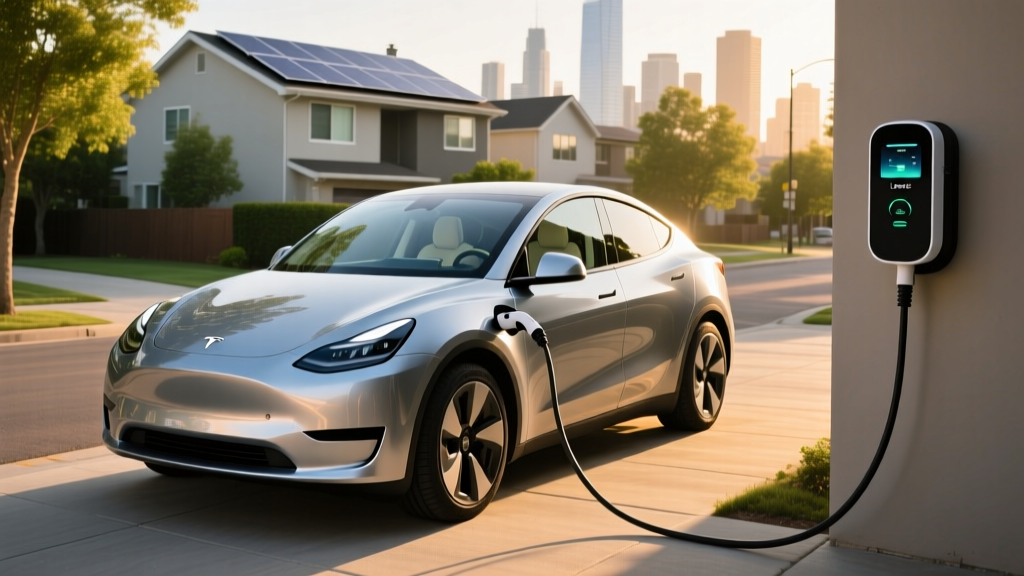
For the vast majority of EV owners, home charging is the primary method of replenishing their battery, and it is overwhelmingly reliable. A Level 2 home charger (240V) delivers between 20 and 40 miles of range per hour of charging, which is more than sufficient for overnight replenishment. Home charging equipment from reputable manufacturers such as ChargePoint, Wallbox, and Emporia has proven highly durable, with most units lasting well beyond a decade with minimal maintenance.
DC Fast Charging Performance
DC fast charging capability varies significantly across EV models. Here is a comparison of peak charging speeds for several popular electric vehicles:
- Hyundai Ioniq 5 / Kia EV6: Up to 350 kW (10-80% in approximately 18 minutes)
- Tesla Model 3/Y: Up to 250 kW (10-80% in approximately 25-30 minutes)
- Ford Mustang Mach-E: Up to 150 kW (10-80% in approximately 45 minutes)
- Chevrolet Bolt EUV: Up to 55 kW (10-80% in approximately 60 minutes)
- BMW iX: Up to 200 kW (10-80% in approximately 31 minutes)
It is important to note that peak charging speeds are rarely sustained for the entire session. Charging curves taper significantly as the battery approaches full capacity, and factors such as battery temperature and state of charge affect actual charging times.
Public Charging Network Reliability
Public charging infrastructure reliability remains the weakest link in the EV ownership experience. Studies by J.D. Power have consistently found that EV owners report lower satisfaction with public charging than with any other aspect of their vehicles. Common issues include broken chargers, payment system failures, slower-than-advertised charging speeds, and connector compatibility problems.
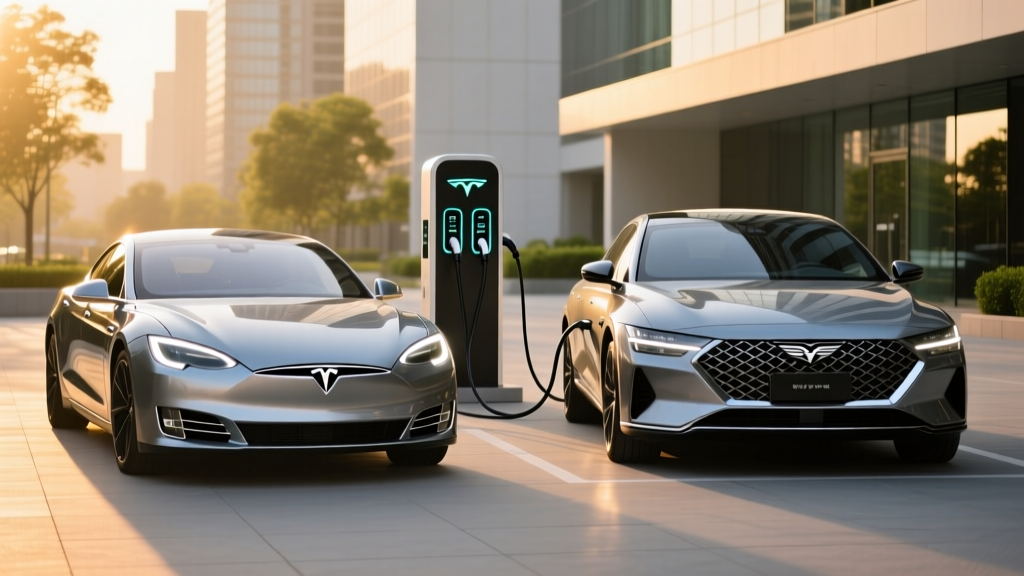
The Tesla Supercharger network has historically led the industry in reliability, with uptime rates exceeding 99% at most locations. Other networks, including Electrify America, EVgo, and ChargePoint, have been investing heavily in infrastructure upgrades and maintenance, and reliability metrics have been improving steadily. The ongoing adoption of the North American Charging Standard (NACS) connector is expected to further simplify the charging experience by reducing fragmentation. Explore our complete EV charging guide for everything you need to know about keeping your EV powered up.
Interior Technology & Software Reliability
Modern electric vehicles are often described as "computers on wheels," and this characterization is both a strength and a vulnerability. The software-driven nature of EVs enables features that gasoline cars cannot match — over-the-air updates, advanced driver assistance, customizable driving modes, and seamless smartphone integration — but it also introduces the potential for software bugs, system crashes, and connectivity issues.
Infotainment Systems
Infotainment reliability varies significantly by manufacturer. Tesla's minimalist, screen-centric interface has proven relatively stable, though it has faced criticism for routing critical vehicle controls through the touchscreen. Traditional automakers such as BMW, Mercedes-Benz, and Hyundai have opted for a blend of touchscreen and physical controls, which many drivers find more intuitive and less prone to distraction-related issues.
Common infotainment complaints across the EV segment include:
- Slow system boot times after vehicle startup
- Occasional Bluetooth connectivity drops
- Navigation system inaccuracies or slow route recalculations
- App crashes or freezes requiring system reboots
- Inconsistent voice recognition performance
Over-the-Air Updates
One of the most powerful reliability features unique to electric vehicles is the ability to receive over-the-air (OTA) software updates. Unlike traditional cars that require dealership visits for software fixes, EVs can receive patches, performance improvements, and even new features remotely. Tesla pioneered this approach, and virtually every major EV manufacturer has since adopted it.
OTA updates have proven effective at addressing software-related reliability issues quickly. However, they have also occasionally introduced new bugs — a phenomenon familiar to anyone who has experienced problems after a smartphone operating system update. Most manufacturers now employ staged rollout strategies to minimize the impact of problematic updates.
Advanced Driver Assistance Systems (ADAS)
Electric vehicles are at the forefront of ADAS development, with features including adaptive cruise control, lane-keeping assistance, automatic emergency braking, and semi-autonomous driving capabilities. While these systems have demonstrated strong safety records in IIHS and NHTSA testing, they are not immune to reliability concerns. Sensor calibration issues, phantom braking events, and inconsistent performance in adverse weather conditions are among the most commonly reported ADAS-related complaints.
For a comprehensive look at which EVs offer the best tech experiences, see our best EV technology features roundup.
Driving Dynamics & Mechanical Reliability
The driving experience of an electric vehicle differs from that of a gasoline car in several important ways, and these differences have direct implications for reliability and long-term ownership satisfaction.
Electric Motor Durability
Electric motors are extraordinarily durable components. Unlike internal combustion engines, which subject hundreds of moving parts to extreme temperatures, pressures, and friction, electric motors operate with minimal mechanical stress. The primary wear components in an electric motor are the bearings, which are designed to last for hundreds of thousands of miles under normal operating conditions. It is not uncommon for electric motors in industrial applications to operate continuously for decades, and automotive-grade motors are built to similar standards.
Brake System Longevity
One of the most underrated reliability advantages of electric vehicles is brake longevity. Regenerative braking — the process by which the electric motor slows the vehicle and recaptures kinetic energy as electrical energy — significantly reduces wear on the traditional friction brake components. Many EV owners report that their brake pads last well beyond 100,000 miles, compared to the 30,000 to 70,000-mile replacement intervals typical of gasoline vehicles. Brake rotors similarly benefit from reduced wear, though they may require occasional attention to prevent surface corrosion from underuse.
Tire Wear Considerations
The one area where EVs may experience increased wear is tires. Electric vehicles are typically 10% to 20% heavier than comparable gasoline vehicles due to the weight of the battery pack, and they deliver instant torque from a standstill. This combination of higher weight and immediate torque application can accelerate tire wear, particularly on the driven wheels. Many tire manufacturers now offer EV-specific tire compounds designed to handle the unique demands of electric vehicles, including higher load ratings, lower rolling resistance, and noise-reducing foam inserts.
Suspension & Steering
Suspension and steering components in EVs are generally similar to those in conventional vehicles, though they are engineered to handle the additional weight of the battery pack. The low center of gravity created by under-floor battery placement contributes to stable handling dynamics and reduces body roll, which can actually reduce stress on certain suspension components. Overall, suspension reliability in EVs is comparable to that of well-built gasoline vehicles, with typical service intervals for components such as bushings, ball joints, and shock absorbers.
Interested in how different EVs perform on the road? Check out our best electric SUVs list and our top electric sedan picks.
Ownership Costs & Long-Term Value
Reliability is ultimately about value — how much does it cost to keep a vehicle running safely and comfortably over time? When viewed through this lens, electric vehicles present a compelling financial case.
Maintenance Cost Comparison
The maintenance cost advantage of electric vehicles is substantial and well-documented. According to Consumer Reports, EV owners save an average of $4,600 in maintenance costs over the life of their vehicles compared to gasoline car owners. The elimination of oil changes, transmission fluid replacements, exhaust system repairs, and many other routine services adds up to significant savings.
Typical annual maintenance for an EV includes:
- Cabin air filter replacement ($30-$80)
- Wiper blade replacement ($20-$50)
- Tire rotation ($20-$50)
- Brake fluid inspection and replacement as needed ($50-$100 every 2-3 years)
- Coolant system inspection (varies by manufacturer)
Electricity vs. Fuel Costs
The cost of "fueling" an electric vehicle is significantly lower than that of a gasoline car in most markets. The U.S. Department of Energy estimates that the average cost to drive an EV on electricity is equivalent to paying approximately $1.20 to $1.50 per gallon of gasoline, though this varies by region and electricity rate. Home charging on a standard residential electricity plan offers the best economics, while public DC fast charging can approach or occasionally exceed the cost of gasoline on a per-mile basis.
Depreciation & Resale Value
Depreciation has historically been a weak point for electric vehicles, largely due to consumer concerns about battery longevity and rapid technological advancement making older models feel obsolete. However, as public understanding of battery durability has improved and the used EV market has matured, resale values have stabilized considerably. Tesla vehicles, in particular, have demonstrated strong residual values, while newer entrants from established manufacturers such as Hyundai, Kia, and Ford are also holding their value well.
Insurance Considerations
Insurance costs for electric vehicles tend to be slightly higher than for comparable gasoline vehicles, primarily due to higher repair costs following collisions. EV battery packs and specialized components can be expensive to replace, and the relative novelty of EV repair procedures means that some body shops charge premium rates. However, as the EV fleet grows and repair expertise becomes more widespread, insurance costs are expected to normalize. Many insurers now offer dedicated EV policies with competitive rates.
Tax Credits & Incentives
Federal, state, and local incentives can significantly offset the purchase price of an electric vehicle and improve its long-term value proposition. The federal Clean Vehicle Credit offers up to $7,500 for qualifying new EVs and up to $4,000 for qualifying used EVs, subject to income and manufacturer eligibility requirements. State-level incentives vary widely but can include additional rebates, HOV lane access, reduced registration fees, and utility company charging credits. Visit our EV tax credits and incentives guide for the latest details.
EV Reliability Comparison Table
The following table compares key reliability-related specifications and data points for several of the most popular electric vehicles on the market:
| Specification | Tesla Model 3 | Hyundai Ioniq 5 | Ford Mustang Mach-E | Chevrolet Equinox EV | BMW i4 |
|---|---|---|---|---|---|
| EPA Range (Max) | 358 miles | 303 miles | 312 miles | 319 miles | 301 miles |
| Battery Capacity | 82 kWh | 77.4 kWh | 91 kWh | 85 kWh | 81.5 kWh |
| Peak DC Fast Charge | 250 kW | 350 kW | 150 kW | 150 kW | 200 kW |
| Battery Warranty | 8 yr / 120k mi | 10 yr / 100k mi | 8 yr / 100k mi | 8 yr / 100k mi | 8 yr / 100k mi |
| Moving Drivetrain Parts | ~20 | ~20 | ~20 | ~20 | ~20 |
| Est. Annual Maintenance | $300-$400 | $300-$450 | $350-$500 | $300-$400 | $400-$600 |
| OTA Updates | Yes | Yes | Yes | Yes | Yes |
| Heat Pump | Standard | Standard | Available | Standard | Standard |
| NHTSA Safety Rating | 5 Stars | 5 Stars | 5 Stars | 5 Stars | Not Rated |
Note: Specifications reflect manufacturer data at the time of publication and may vary by trim level and model year. EPA range figures represent the maximum available configuration.
Pros & Cons of Electric Car Reliability
Pros
- Fewer moving parts means fewer mechanical failure points and lower repair frequency
- Regenerative braking extends brake pad and rotor life significantly
- No fluid changes for engine oil, transmission fluid, or differential fluid in most cases
- Over-the-air updates allow manufacturers to fix issues remotely without dealership visits
- Comprehensive battery warranties provide long-term peace of mind (8-10 years typical)
- Lower operating costs with electricity costing significantly less than gasoline per mile
- No exhaust system to rust, crack, or fail emissions testing
- Simpler thermal management compared to the extreme heat cycles of combustion engines
Cons
- Battery replacement costs can be extremely high ($5,000-$20,000+) if needed outside warranty
- Software bugs and infotainment glitches are more common than in traditional vehicles
- Public charging infrastructure reliability remains inconsistent in many regions
- Cold weather range loss can be significant (20-40%) in extreme temperatures
- Tire wear may be accelerated due to higher vehicle weight and instant torque
- Limited repair network for specialized EV components in rural or underserved areas
- Higher collision repair costs due to expensive battery packs and specialized parts
- Rapid technology evolution may make older models feel outdated more quickly
For a side-by-side look at how top EVs stack up across all these factors, visit our complete EV buying guide.
Frequently Asked Questions About EV Reliability
How long do electric car batteries actually last?
Based on real-world fleet data and manufacturer testing, most modern EV batteries are designed to last 15 to 20 years or 200,000 to 300,000 miles before degrading to a point where replacement might be considered. Battery degradation averages about 2.3% per year, meaning a typical EV will retain approximately 75-80% of its original range after a decade of use. Very few batteries fail catastrophically; the vast majority simply gradually lose capacity over time. Manufacturer warranties of 8 to 10 years provide additional protection, and many batteries outlast their warranty periods with significant capacity remaining.
Are electric cars more reliable than gasoline cars overall?
When measured by mechanical failure rates and maintenance requirements, electric vehicles are demonstrably more reliable than gasoline-powered cars. The drastic reduction in moving parts eliminates the majority of common failure points found in internal combustion engines. However, EVs can experience more software-related issues, and public charging infrastructure adds an external reliability variable that gasoline cars do not face. Overall, most reliability studies and owner surveys indicate that EV owners experience fewer unexpected repair events and lower total maintenance costs than ICE vehicle owners.
What happens if an electric car battery fails?
Catastrophic battery failure is extremely rare in modern electric vehicles. Battery management systems (BMS) continuously monitor cell health, temperature, and voltage to prevent conditions that could lead to failure. If a battery does experience a significant issue, it will typically manifest as reduced range or charging speed rather than a sudden, complete failure. If the battery degrades below the warranty threshold (usually 70% of original capacity), the manufacturer will repair or replace it at no cost. Out-of-warranty battery replacements are expensive — typically ranging from $5,000 to $20,000 depending on the vehicle — but third-party repair shops are increasingly offering module-level repairs at a fraction of the cost of a full pack replacement.
Do electric cars break down less often than gas cars?
Yes, data consistently shows that electric vehicles experience fewer breakdowns and require fewer unplanned repair visits than gasoline vehicles. A study by Consumer Reports found that EVs have roughly half the number of problems per 100 vehicles compared to gasoline cars in the first few years of ownership. The most common issues reported by EV owners tend to be related to build quality (panel gaps, trim pieces), infotainment software, and charging system compatibility — rather than the powertrain failures that commonly strand gasoline car drivers. The simplicity of the electric drivetrain means there is simply less that can go wrong mechanically.
Is it expensive to maintain an electric car long-term?
Long-term maintenance costs for electric vehicles are significantly lower than for gasoline vehicles. The U.S. Department of Energy estimates that EV maintenance costs average approximately $0.061 per mile, compared to $0.101 per mile for gasoline vehicles. Over a 150,000-mile ownership period, this translates to savings of roughly $6,000 in maintenance alone. The primary long-term cost consideration for EVs is the potential need for battery replacement, but this event is rare and typically occurs well beyond the point where most owners have moved on to a new vehicle. Tire replacement may be slightly more frequent due to vehicle weight, but this cost is partially offset by the extended life of brake components.
Final Verdict: The Reliability Case for Electric Vehicles
After examining the evidence from manufacturer data, independent testing organizations, fleet operators, and hundreds of thousands of real-world owner experiences, the conclusion is clear: electric cars are reliable vehicles that offer distinct advantages over their gasoline-powered counterparts in terms of mechanical durability and long-term maintenance costs.
The areas where EVs still face reliability challenges — primarily software stability and public charging infrastructure — are actively being addressed by manufacturers and network operators. Each successive generation of electric vehicles demonstrates improved software quality, better battery management, and more robust charging ecosystems.
For drivers who can charge at home and whose daily driving needs fall within the range capabilities of modern EVs, the reliability proposition is exceptionally strong. The combination of fewer moving parts, lower maintenance costs, comprehensive battery warranties, and the ability to receive remote software updates makes electric vehicles one of the most dependable vehicle categories available today.
Ready to find your perfect electric vehicle? Explore our best electric vehicles picks, compare models in our EV comparison tool, and read our complete EV buying guide to make the most informed decision possible.