Quick Answer: Is the Aptera Electric Car Worth Buying?
The Aptera is a three-wheeled, two-seat solar-electric vehicle (classified as an autocycle/motorcycle in most US states) with announced battery options ranging from ~40 kWh to ~100 kWh and EPA-estimated range targets of 400 to 1,000 miles. Pricing starts around $25,900 for the 400-mile Launch Edition and reaches approximately $46,900 for the 1,000-mile variant before incentives. As of early 2026, Aptera has not yet begun customer deliveries — the company continues to take reservations with a $500 refundable deposit. If and when it ships, buyers should expect a niche commuter vehicle, not a replacement for a family SUV. Real-world range will depend heavily on solar exposure, climate, and driving speed.
What Exactly Is the Aptera?
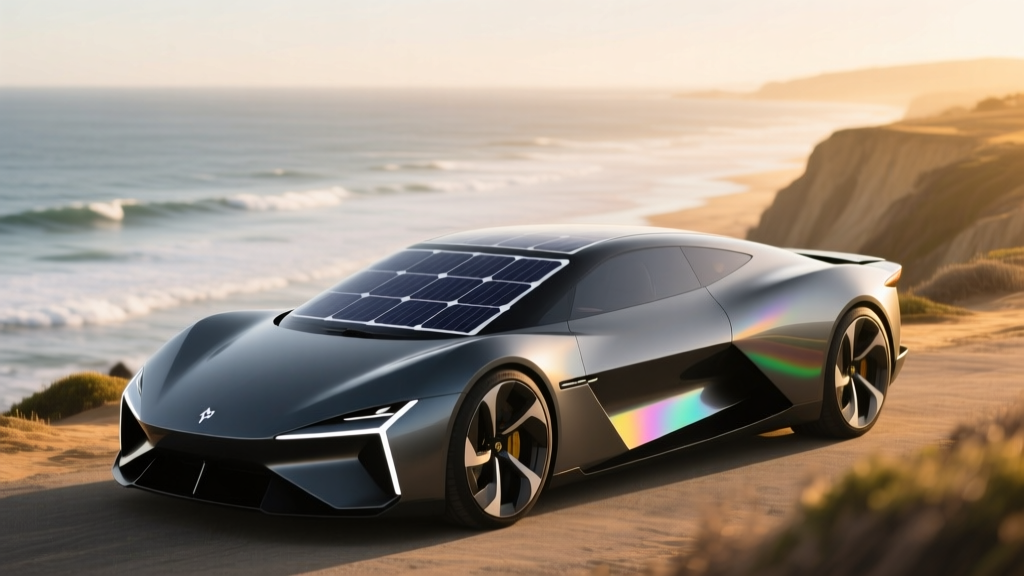
The Aptera is not a conventional car. It's a tandem two-seat, three-wheeled vehicle with a teardrop-shaped body covered in integrated solar panels — what the company calls its "Never Charge" solar system. Aptera Motors, based in California, has been developing this vehicle since its second founding in 2019 (the original company folded in 2012). The design prioritizes extreme aerodynamic efficiency, with a claimed drag coefficient (Cd) of approximately 0.13 — roughly half that of a Tesla Model 3.
Because it has three wheels and is designed to meet motorcycle/autocycle regulations, the Aptera does not require a full automotive crash-test certification through NHTSA in the same way a four-wheeled passenger car does. Instead, it falls under FMVSS motorcycle standards in most jurisdictions. This is a critical distinction for safety-conscious buyers: you will not find an IIHS Top Safety Pick rating or NHTSA 5-star crash score for this vehicle. Some states may require a motorcycle endorsement on your driver's license to operate it legally.
Specs, Range, and Battery Options
Aptera has announced multiple configurations. Keep in mind these are preliminary and manufacturer-stated targets — independent EPA testing has not been published as of this writing. The company references EPA testing methodology but final certification figures may differ.
| Specification | 40 kWh (Paradigm) | 60 kWh (Paradigm+) | 100 kWh (Launch Edition) |
|---|---|---|---|
| Battery Capacity (usable, est.) | ~40 kWh | ~60 kWh | ~100 kWh |
| Claimed Range | 400 miles | 600 miles | 1,000 miles |
| Solar Array Output | ~700W integrated | ~700W integrated | ~700W integrated |
| Est. Solar Range Gain (ideal) | Up to ~40 miles/day in full sun | ||
| 0–60 mph (claimed) | ~3.0 seconds (AWD variant) | ||
| Motor Configuration | Dual front hub motors + optional rear (AWD) | ||
| DC Fast Charge (claimed peak) | ~60 kW (est.) | ||
| Level 2 Charge Rate | ~7.7 kW (est., J1772/NACS TBD) | ||
| Seating | 2 (tandem) | ||
| Cargo Volume | Limited (est. 10–15 cu ft rear compartment) | ||
| Starting MSRP (announced) | $25,900 | $31,900 | $46,900 |
Real-World Range Reality Check
Aptera's 1,000-mile claim assumes optimal conditions: moderate speeds, warm climate, and solar contribution. In real-world highway driving at 70–75 mph, even with its exceptional aerodynamics, expect a 15–25% reduction from sticker range — putting the 100 kWh variant closer to 750–850 miles on a full charge without solar contribution. In cold weather (below 32°F), lithium-ion batteries lose efficiency and cabin heating draws significant power; plan for a further 20–30% reduction, meaning a cold-climate winter range of roughly 525–680 miles for the top-spec model. The 40 kWh variant may see winter highway range drop to 200–260 miles.
The integrated solar array (approximately 700 watts peak under ideal conditions) can theoretically add 20–40 miles of range per day if the vehicle is parked in full, unshaded sunlight. In cloudy climates like Seattle or Pittsburgh, expect 5–10 miles of solar gain per day at best. Solar is a supplement, not a replacement for plugging in.
Aptera vs. Gas Car and Conventional EVs
The Aptera occupies a unique niche. Here's how it compares to a typical gas commuter car and mainstream EVs on the metrics that matter for ownership costs.
| Metric | Aptera 100 kWh (est.) | 2026 Toyota Prius (HEV) | 2026 Tesla Model 3 LR | 2026 Honda Civic (gas) |
|---|---|---|---|---|
| MSRP | ~$46,900 | ~$29,500 | ~$44,990 | ~$26,000 |
| Range / Tank | ~1,000 mi (claimed) | ~580 mi (11.3 gal) | ~342 mi (EPA) | ~380 mi (12.4 gal) |
| Efficiency | ~100 Wh/mi (claimed) | 57 MPG combined | ~26 kWh/100mi (130 MPGe) | ~33 MPG combined |
| Fuel/Energy Cost (annual, 12K mi) | ~$180 (home solar) to ~$540 (grid) | ~$630 (gas @ $3.00/gal) | ~$480 (grid @ $0.15/kWh) | ~$1,090 (gas @ $3.00/gal) |
| Seats | 2 | 5 | 5 | 5 |
| Safety Ratings | Not crash-tested (autocycle) | IIHS TSP+ | IIHS TSP+, NHTSA 5★ | IIHS TSP+, NHTSA 5★ |
| Highway Comfort | Uncertain (lightweight 3-wheel) | Good | Very Good | Good |
The Aptera's efficiency advantage is genuine — its ultra-low drag coefficient and light weight (~2,200 lbs claimed for the base model) mean it uses far less energy per mile than any production EV. But efficiency alone doesn't make a vehicle practical. The two-seat tandem layout, limited cargo space, autocycle classification, and absence of standardized crash testing are significant trade-offs.
Charging: What to Expect
Aptera has not published a finalized charge curve, but based on the announced battery sizes and estimated power electronics, here's what buyers can reasonably project:
| Charging Level | Power (kW) | Miles Added/Hour (est.) | Notes |
|---|---|---|---|
| Solar (integrated) | ~0.7 kW peak | ~3–5 mi/hr in full sun | Passive; depends on parking location and weather |
| Level 1 (120V household) | ~1.4 kW | ~12–15 mi/hr | Slow but viable given low energy consumption |
| Level 2 (240V home) | ~7.7 kW (est.) | ~70–80 mi/hr | Full charge in ~6–13 hours depending on battery |
| DC Fast Charge | ~60 kW peak (est.) | ~500+ mi/hr at peak | 10–80% est. ~40–60 min; 60 kW is modest by 2026 standards |
A key point: because the Aptera consumes roughly 100 Wh/mile (compared to 250–300 Wh/mile for a typical EV), even slow charging adds meaningful range. A standard 120V outlet delivering 1.4 kW could add roughly 120+ miles overnight — adequate for many commuters. This is where the Aptera's efficiency genuinely shines: you don't need a Level 2 home charger to make it work, though one is still recommended for convenience.
However, the ~60 kW DC fast charge rate (if accurate) is modest. Most 2026 EVs charge at 150–350 kW peak. On a road trip, charging the 100 kWh battery from 10–80% at 60 kW would take roughly 70 minutes. The 40 kWh variant would be faster in absolute time (~30 minutes, 10–80%), but you'd need to stop more often.
Cost of Ownership Breakdown
Let's model a realistic 5-year ownership scenario for the Aptera 60 kWh (Paradigm+) at $31,900 MSRP, compared against a gas commuter baseline.
| Cost Category (5 Years) | Aptera Paradigm+ ($31,900) | 2026 Honda Civic Gas ($26,000) |
|---|---|---|
| Purchase Price | $31,900 | $26,000 |
| Federal Tax Credit (§30D, est.) | Up to $7,500* | $0 |
| Effective Purchase Price | ~$24,400* | $26,000 |
| Fuel / Electricity (60,000 mi) | ~$900 (home grid) / ~$300 (solar) | ~$5,450 (@ $3.00/gal, 33 MPG) |
| Maintenance | ~$400 (tires, cabin filter, fluid top-off) | ~$2,800 (oil, brakes, filters, tires) |
| Insurance (est. annual avg) | ~$1,600/yr × 5 = $8,000 | ~$1,300/yr × 5 = $6,500 |
| Depreciation (est.) | Unknown (new brand, high uncertainty) | ~$10,000 |
| Estimated 5-Year Total Cost | ~$33,700–$35,300* | ~$40,750 |
*Tax credit eligibility depends on IRS §30D rules: buyer income caps ($150K single / $300K joint), MSRP caps ($80K for non-SUVs like autocycles — classification TBD), battery critical-mineral and component sourcing requirements, and the vehicle must be assembled in North America. Aptera's manufacturing is planned in California, but final credit eligibility will depend on battery sourcing compliance. Always verify with a tax professional and check current rules at IRS.gov.
The Aptera's fuel and maintenance savings are substantial — but depreciation is the wild card. A vehicle from an unproven startup with an autocycle classification and a two-seat layout may not hold value the way a mainstream EV does. Factor this uncertainty into your decision.
Common Misconceptions About the Aptera
| Myth | Fact |
|---|---|
| "It never needs to be charged — solar handles everything." | The 700W solar array adds roughly 20–40 miles/day in ideal sun. A driver covering 60+ miles daily will still need to plug in regularly. Solar extends range; it doesn't eliminate charging. |
| "It's a car, so it has car-level safety." | The Aptera is classified as an autocycle/motorcycle in most states. It is not subject to the same NHTSA crash-test standards as a four-wheeled passenger vehicle. No IIHS or NHTSA safety ratings exist for it. |
| "I can drive it with a regular driver's license anywhere." | Licensing requirements vary by state. Some states require a motorcycle endorsement for three-wheeled autocycles. Check your state's DMV rules before ordering. |
| "It's available to buy now." | As of early 2026, Aptera has not delivered vehicles to customers. The company is accepting refundable $500 reservations. Delivery timelines have been delayed multiple times since 2021. |
| "1,000 miles of range means I'll never stop on road trips." | Even at 1,000 miles EPA, real-world highway driving in cold weather could reduce range to 525–680 miles. Tire pressure, terrain, and HVAC use all impact range. Plan stops accordingly. |
| "It qualifies for the full $7,500 tax credit." | Credit eligibility depends on battery sourcing rules, buyer income, and MSRP caps under §30D. Aptera's classification as an autocycle may affect how MSRP caps apply. Confirm eligibility before relying on the credit in your budget. |
Who Should Consider the Aptera — and Who Shouldn't
Decision Framework: Is the Aptera Right for You?
Choose the Aptera if:
- You commute solo (or with one passenger) under 80 miles round-trip daily
- You have access to outdoor parking with good sun exposure for solar benefit
- You already own a practical vehicle for family trips, cargo, and bad weather
- You're comfortable with an autocycle/motorcycle classification and potential licensing requirements
- You can tolerate the risk of buying from a startup that hasn't yet shipped to customers
- You value extreme efficiency and the novelty of solar-assisted range
Look elsewhere if:
- You need more than two seats or meaningful cargo space
- You live in a cold climate where winter range loss and cabin heating will erode the solar advantage
- You rely on a single vehicle for all driving needs
- Safety crash-test ratings are a priority for you
- You need DC fast charging at 150+ kW for frequent road trips
- You're uncomfortable with delivery delays and startup risk — consider a proven EV with 300+ miles of range from an established manufacturer instead
What First-Time EV Buyers Should Know Before Reserving
If the Aptera would be your first EV, understand these realities:
Home charging is still essential. Even with solar panels on the vehicle, you will plug in. A standard 120V outlet works for the Aptera given its low consumption (~100 Wh/mile), but a Level 2 home charger (240V, ~$500–$1,500 installed) dramatically improves convenience. Budget for electrical work — older homes may need a panel upgrade ($1,000–$3,000) to support a dedicated 40A or 50A circuit.
Cold weather changes everything. Lithium-ion batteries lose 20–30% of effective capacity in freezing temperatures, and resistive cabin heating draws heavily from the pack. If you live in the northern US, the 40 kWh Aptera may become a 200-mile vehicle in January. The heat pump (if equipped) helps, but physics is physics.
Insurance may cost more than expected. Autocycles and vehicles from new manufacturers often carry higher insurance premiums due to limited repair networks, scarce parts, and uncertain crash performance. Get a quote before committing.
Resale value is uncertain. Unlike a Tesla Model 3 or Chevrolet Bolt, there's no established used market for an Aptera. Depreciation could be steep — or surprisingly resilient if the vehicle develops a cult following. Either way, plan for the downside.
Frequently Asked Questions
When will the Aptera actually ship to customers?
Aptera has announced production timelines multiple times since 2021, with each target slipping. As of early 2026, the company states it is in pre-production and validation phases. There is no confirmed delivery date. Reservation holders should treat any announced timeline as preliminary and have a backup transportation plan.
Does the Aptera need to be plugged in, or does solar power it entirely?
It needs to be plugged in for regular use. The integrated solar array (~700W peak) adds roughly 20–40 miles of range per day in full sun. For a 40-mile daily commute parked outdoors in a sunny climate, solar could theoretically cover most of your driving. For anything beyond that — or in cloudy weather — you'll plug in like any other EV.
What's the difference between kW and kWh on the Aptera's specs?
kW (kilowatts) measures power — the rate of energy flow, like the flow rate of a hose. kWh (kilowatt-hours) measures energy capacity — the total amount stored, like the size of a tank. The Aptera's battery is rated in kWh (e.g., 40 kWh, 60 kWh, 100 kWh). Its charging speed and motor output are rated in kW. A 60 kW DC fast charger delivers energy at 60 kilowatts; filling a 60 kWh battery from empty would take roughly one hour at that sustained rate (though real-world charge curves taper above 80% state of charge).
Can I drive the Aptera on the highway?
Yes — Aptera claims a top speed of over 110 mph. However, its lightweight construction (~2,200 lbs) and three-wheel layout may make it feel less stable in crosswinds and alongside large trucks compared to a conventional car. Highway efficiency will also drop at higher speeds due to aerodynamic drag, even with the low Cd. Expect real-world range at 75 mph to be 15–25% lower than the EPA sticker.
Is the Aptera eligible for the federal EV tax credit?
Potentially, but with caveats. Under IRS §30D, the vehicle must meet battery critical-mineral and component sourcing requirements, the buyer must fall within income caps ($150,000 single / $300,000 joint filers), and the MSRP must be under the cap ($80,000 for vehicles classified as cars/autocycles — classification may vary). Aptera's planned California assembly satisfies the North American final-assembly requirement. However, battery cell sourcing is the most common disqualifier for many EVs. Verify current eligibility at IRS.gov and consult a tax professional before counting on the credit.
How does the Aptera compare to a used Tesla Model 3?
A used 2022–2023 Model 3 Long Range sells for roughly $25,000–$30,000, seats five, has NHTSA 5-star safety ratings, 320+ miles of EPA range, access to the Supercharger network, and 250 kW peak DC fast charging. The Aptera offers more claimed range and solar novelty but sacrifices seats, cargo, proven safety, and charging speed. For most buyers, a used Model 3 is the more practical and lower-risk choice. The Aptera appeals to those who want maximum efficiency and a unique vehicle as a second or third car.
What warranty does the Aptera come with?
Aptera has not published finalized warranty terms as of early 2026. For comparison, federal law requires EV battery warranties of at least 8 years / 100,000 miles for emissions-related components in CARB states, and most manufacturers offer 8 years / 100,000 miles on the battery and powertrain. Expect Aptera to offer something in this range, but confirm before purchasing. A startup's warranty is only as good as the company's longevity — another reason to factor in risk.