The Apple Car Dream vs Tesla's Reality: Where Things Stand
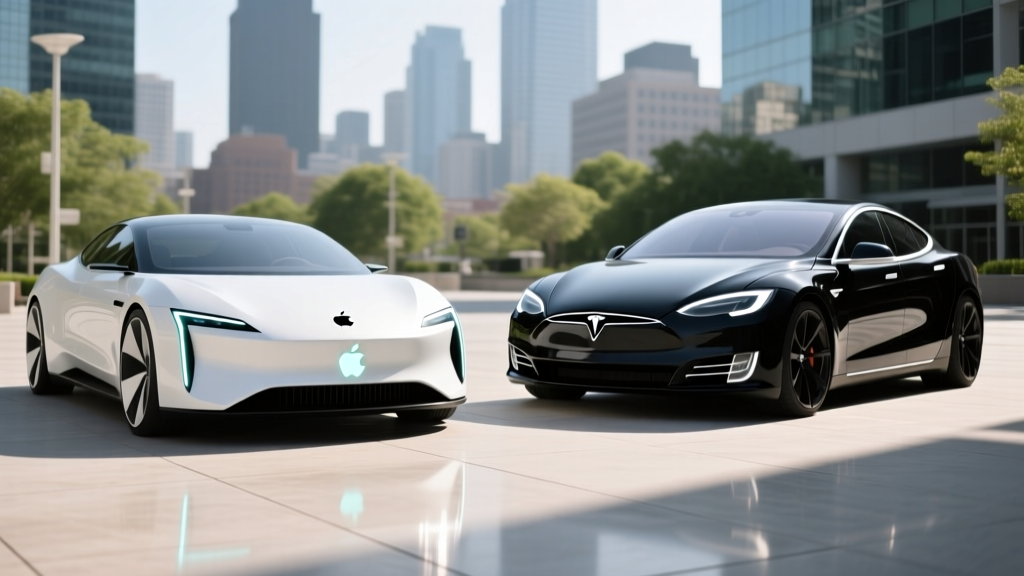
Search "Apple Car Tesla" on any given day and you'll find a decade of speculation, patent filings, and canceled timelines. After more than ten years of Project Titan development and billions of dollars invested, Apple officially shuttered its electric vehicle program in early 2024, redirecting engineering talent toward generative AI initiatives. As of 2026, there is no Apple Car available for purchase, no announced release date, and no prototype that has been publicly demonstrated.
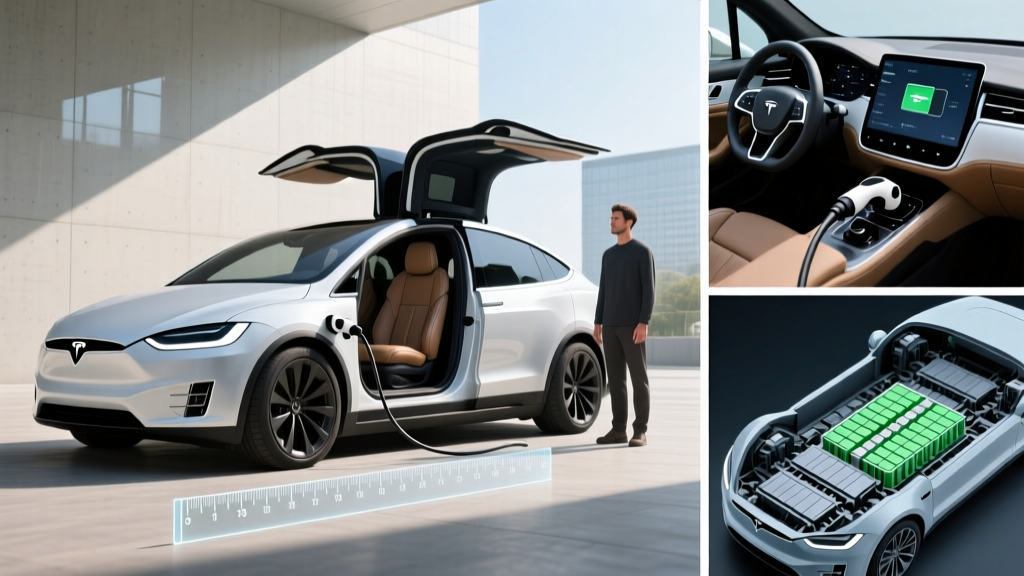
Meanwhile, Tesla continues to sell hundreds of thousands of vehicles per quarter, iterating across the Model 3, Model Y, Model S, Model X, and Cybertruck lineup with real-world specs buyers can evaluate today. This article confronts the Apple Car question head-on, then provides a detailed, spec-driven look at the Tesla models that Apple's EV would have competed against — so you can make an informed purchase decision right now.
Project Titan: Why Apple's Car Never Reached Production
Apple's vehicle ambitions began around 2014 under the codename Project Titan. The project cycled through multiple strategy pivots: from building a full vehicle to developing an autonomous driving platform, back to a consumer car, and finally to a Level 4 robotaxi concept without a steering wheel. Key milestones that shaped the outcome:
- 2014–2016: Apple recruited hundreds of automotive engineers from Tesla, Ford, GM, and battery startups, signaling serious intent.
- 2016–2018: Project Titan pivoted toward autonomous driving software, reportedly exploring partnerships with BMW and Mercedes-Benz that never materialized.
- 2019–2022: Apple re-expanded the hardware team, targeting a 2025 launch with a fully autonomous vehicle — a timeline analysts widely regarded as unrealistic.
- 2023: Internal leadership changes and repeated delays pushed the target to 2028, with the vehicle downgraded to a more conventional driver-assist system.
- February 2024: Apple informed employees that Project Titan was being wound down. Approximately 2,000 team members were reassigned to AI projects or offered severance.
The fundamental challenge was never technology alone — it was automotive manufacturing at scale. Building a single compelling prototype is an engineering exercise; building hundreds of thousands of vehicles per year with consistent quality, a dealer or service network, crash-safety compliance across global markets, and supply-chain management for thousands of components is an entirely different discipline. Tesla spent nearly two decades and endured multiple near-bankruptcies to master this. Apple ultimately decided the return on investment didn't justify the capital and time required.
Tesla's 2026 Lineup: The Cars Apple Would Have Needed to Beat
If Apple had brought a luxury electric sedan or crossover to market, it would have competed directly against Tesla's core lineup. Here are the exact specifications for Tesla's most popular models as of the 2026 model year, drawn from EPA data at fueleconomy.gov and Tesla's official specifications.
| Spec | Model 3 Long Range AWD | Model Y Long Range AWD | Model S Long Range |
|---|---|---|---|
| EPA Range | 363 mi | 337 mi | 402 mi |
| Battery (usable) | ~79 kWh, NMC | ~79 kWh, NMC | ~100 kWh, NMC |
| Efficiency | 132 MPGe / 25 kWh/100mi | 122 MPGe / 27 kWh/100mi | 124 MPGe / 27 kWh/100mi |
| Peak DC Fast Charge | 250 kW | 250 kW | 250 kW |
| 10–80% DCFC Time | ~28 min | ~28 min | ~33 min |
| Level 2 Home Charge | 11.5 kW (~44 mi/hr) | 11.5 kW (~44 mi/hr) | 11.5 kW (~44 mi/hr) |
| 0–60 mph | 4.2 sec | 4.8 sec | 3.1 sec |
| Horsepower | ~346 hp | ~384 hp | ~670 hp |
| Drivetrain | Dual-motor AWD | Dual-motor AWD | Dual-motor AWD |
| Cargo Volume | 23 cu ft (trunk+frunk) | 76 cu ft (rear seats folded) | 28 cu ft (trunk+frunk) |
| Base MSRP | $47,740 | $48,990 | $79,990 |
Model 3 Long Range: EPA 363 mi → Expect ~300–320 mi on highway road trips at 70–75 mph; ~250–280 mi in freezing temperatures with cabin heat running.
Model Y Long Range: EPA 337 mi → Expect ~275–295 mi highway; ~230–255 mi in cold weather.
Model S Long Range: EPA 402 mi → Expect ~340–360 mi highway; ~290–320 mi in cold weather.
Tesla's heat pump (standard on all current models) significantly reduces cold-weather range loss compared to earlier resistive-heater EVs, but physics still demands energy for cabin and battery warming.
Charging Speed and Network: Tesla's Biggest Moat
Charging infrastructure is where Tesla maintains its most tangible competitive advantage in 2026. The Supercharger network has grown to over 6,500 stations and 65,000+ individual connectors across North America, and since late 2024, Tesla has opened a growing portion of that network to non-Tesla EVs via the NACS (North American Charging Standard) connector.
For Tesla owners, the charging experience remains the most seamless in the industry: plug in, and the car handles authentication and billing automatically. No apps, no RFID cards, no payment fumbling in the rain.
| Level | Power (kW) | Miles of Range Added | Best Use Case |
|---|---|---|---|
| Level 1 (120V household) | ~1.4 kW | ~3–5 mi/hr | Emergency / overnight trickle |
| Level 2 (240V home Wall Connector) | up to 11.5 kW | ~44 mi/hr | Daily home charging (full overnight) |
| DC Fast Charge (V3 Supercharger) | peak 250 kW | ~170 mi in 15 min | Road trips, quick top-ups |
Charging curve reality: The 250 kW peak rate applies only at low states of charge (roughly 10–30% SoC) with a preconditioned battery. Above 50% SoC, the rate tapers significantly, and above 80% it drops to roughly 40–60 kW. This is normal lithium-ion battery management to prevent degradation — not a Tesla-specific limitation. The 10–80% time of ~28 minutes for Model 3/Y accounts for this taper.
Preconditioning matters: When you navigate to a Supercharger in the Tesla navigation system, the car automatically warms the battery to optimal temperature before arrival. Without preconditioning (for example, arriving at a non-navigated charger in cold weather), peak charge rates can be 30–50% lower for the first several minutes.
Pricing, Tax Credits, and Total Cost of Ownership
Tesla's pricing has fluctuated frequently over the past several years. As of early 2026, here are the base MSRPs and the federal tax credit landscape under IRS §30D rules.
- MSRP Cap: Sedans must be ≤$55,000; SUVs/pickups ≤$80,000
- Buyer Income Cap: AGI ≤$150,000 (single), ≤$225,000 (head of household), ≤$300,000 (joint)
- Battery Sourcing: Critical minerals and battery components must meet escalating domestic/free-trade-partner percentages — thresholds tighten annually
- Point-of-Sale Transfer: Eligible buyers can transfer the credit to the dealer at purchase, reducing the purchase price directly (rather than waiting for a tax refund)
- Assembly: Vehicle must undergo final assembly in North America (all US-market Teslas qualify)
Source: IRS.gov — Clean Vehicle Credits. Rules are subject to change; consult a tax professional for your specific situation.
| Model / Trim | Base MSRP | §30D Eligible? | Effective Price (with credit) |
|---|---|---|---|
| Model 3 RWD | $38,990 | Yes (if sourcing rules met) | ~$31,490 |
| Model 3 Long Range AWD | $47,740 | Yes (under $55K sedan cap) | ~$40,240 |
| Model Y Long Range AWD | $48,990 | Yes (under $80K SUV cap) | ~$41,490 |
| Model S Long Range | $79,990 | No (exceeds $55K sedan cap) | $79,990 |
| Model X Long Range | $84,990 | No (exceeds $80K SUV cap) | $84,990 |
Critical caveat on battery sourcing: Even if the MSRP and your income qualify, the §30D credit requires that specific percentages of critical minerals and battery components are sourced from the US or free-trade-agreement partners. These thresholds increase each year. Tesla has worked to onshore its LFP battery supply chain (particularly for RWD models using CATL-sourced cells), but eligibility can shift with regulatory updates. Always verify current eligibility on fueleconomy.gov before purchasing.
Tech, Driver Assistance, and What Tesla Still Does Best
Tesla's technology stack is both its biggest draw and its most polarizing feature. Here's what matters for buyers:
Infotainment and Software
Tesla's 15.4-inch center touchscreen (Model 3/Y refresh) handles virtually all vehicle controls — there are no physical buttons for climate, mirrors, or glovebox. This minimalist approach delights some owners and frustrates others. The software is responsive, receives regular over-the-air updates, and includes streaming apps, games, and a capable navigation system with real-time Supercharger routing.
Autopilot and FSD (Supervised)
Tesla Autopilot and Full Self-Driving (Supervised) are Level 2 driver-assistance systems under the SAE J3016 framework. This means the system can manage steering, acceleration, and braking under certain conditions, but the driver must remain fully engaged, hands on or near the wheel, and eyes on the road at all times. These systems are not "self-driving." Tesla's branding of "Full Self-Driving" has been the subject of NHTSA scrutiny and remains a supervised system requiring active driver oversight.
Standard Autopilot (included) provides adaptive cruise control and lane-centering on highways. FSD (Supervised), available as an $8,000 add-on or $99/month subscription, adds automatic lane changes, traffic-light and stop-sign recognition, and navigation-guided on/off-ramp handling. Real-world performance varies significantly by geography and road conditions — it excels on well-marked divided highways but can struggle with construction zones, faded lane markings, and complex urban intersections.
Notable Drawbacks
- No Apple CarPlay or Android Auto: Tesla uses its proprietary infotainment exclusively. If CarPlay integration is a priority, Tesla is not the answer.
- Panel gaps and build consistency: While significantly improved since the Fremont factory's early years, Tesla build quality still shows occasional variance in panel alignment and interior trim compared to legacy luxury automakers.
- Service center capacity: Tesla's mobile ranger service handles many issues, but collision repair and complex service can involve multi-week waits in high-population areas.
- Phantom braking: NHTSA has investigated Tesla's Autopilot for phantom braking events (unexpected deceleration). While software updates have addressed some instances, owners report it still occurs occasionally.
Battery Warranty, Longevity, and Degradation Data
Tesla provides the following warranty coverage across its lineup:
- Basic Vehicle Limited Warranty: 4 years / 50,000 miles
- Battery and Drive Unit Warranty: 8 years / 120,000 miles (Model 3/Y) or 8 years / 150,000 miles (Model S/X), whichever comes first, with minimum 70% capacity retention guaranteed
Real-world degradation data from fleet studies and owner reports suggest Tesla's NMC batteries typically lose 5–8% capacity over the first 50,000 miles, then degrade more slowly — roughly 1–2% per year thereafter. Many Tesla vehicles have surpassed 200,000 miles on the original battery pack with 85–90% of original capacity remaining. Tesla's base Model 3 RWD uses LFP (lithium iron phosphate) chemistry, which trades lower energy density for significantly longer cycle life and the ability to regularly charge to 100% without accelerated degradation — a practical advantage for daily commuters.
Who Should Buy a Tesla (and Who Should Look Elsewhere)
✅ Tesla Is Right For You If:
- You want access to the most reliable, extensive DC fast-charging network in North America
- You value OTA software updates and a tech-forward ownership experience
- You commute 30–80 miles daily and can charge at home overnight
- You take road trips and want proven long-range + fast-charging capability
- You want strong performance without paying luxury-badge premiums
❌ Look Elsewhere If:
- You need Apple CarPlay / Android Auto for your daily workflow
- You prefer physical buttons and traditional automotive controls
- You want a luxury interior with premium materials rivaling Mercedes or BMW
- You're uncomfortable with Tesla's CEO-driven brand volatility and its potential impact on resale values
- You need a local dealer service network for collision and warranty work
Frequently Asked Questions
Is Apple making a car in 2026?
No. Apple canceled Project Titan in February 2024. The company has not announced any plans to revive its vehicle program. Apple's automotive-related efforts are now limited to CarPlay software integration with third-party vehicles.
What was Apple's planned car supposed to cost?
Reports from 2022–2023 suggested Apple was targeting a price around $100,000 — positioning it as a premium luxury EV competitor. This price point would have placed it above the Tesla Model S and into Porsche Taycan territory, though no official pricing was ever confirmed.
Which Tesla model is the best value in 2026?
The Model Y Long Range AWD at ~$48,990 (before incentives) offers the best combination of range (337 mi EPA), cargo versatility (76 cu ft with seats folded), dual-motor AWD, and federal tax credit eligibility. For buyers who don't need crossover ride height, the Model 3 Long Range AWD at $47,740 delivers more range (363 mi EPA) and slightly better efficiency at a lower price.
Does Tesla qualify for the $7,500 federal tax credit?
The Model 3 RWD, Model 3 Long Range, and Model Y Long Range can qualify for up to $7,500 under IRS §30D, provided the buyer meets income caps ($150K single / $300K joint), the vehicle meets battery-sourcing requirements, and the MSRP falls within the cap ($55K for sedans, $80K for SUVs). The Model S and Model X exceed the MSRP caps and do not qualify. Always verify current eligibility at IRS.gov and consult a tax professional.
How long does a Tesla battery last?
Tesla warrants its batteries for 8 years / 120,000–150,000 miles with a minimum 70% capacity retention guarantee. Real-world data from high-mileage owners shows most NMC packs retain 85–90% capacity at 200,000 miles. LFP packs (Model 3 RWD) are expected to last even longer due to the chemistry's superior cycle life.
What happened to Apple's self-driving car ambitions?
Apple's autonomous driving team was part of Project Titan. When the project was canceled, the team was disbanded and members were reassigned — many to Apple's generative AI division. Apple continues to develop CarPlay, which is expanding with deeper vehicle integration (instrument clusters, climate controls) in partner vehicles from Porsche, Aston Martin, and others, but this is software only — not a self-driving platform.