Quick Answer: What Is the Amazon EV Van?
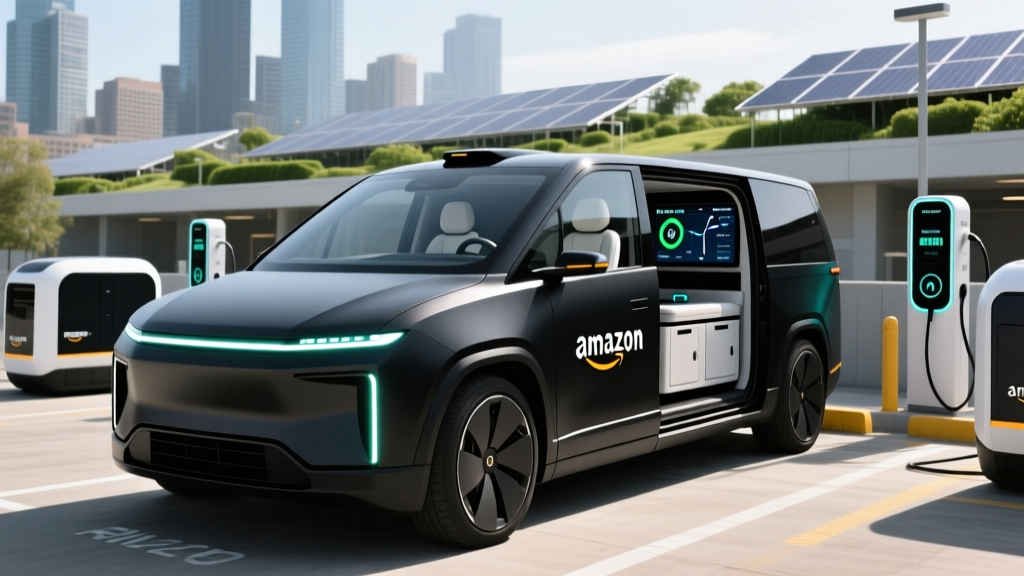
The Amazon EV van is the Rivian Electric Delivery Van (EDV), a purpose-built commercial electric vehicle developed through an exclusive partnership between Amazon and Rivian. As of early 2026, Amazon has deployed over 15,000 EDVs across more than 100 U.S. metro areas. The van comes in three body lengths (EDV-500, EDV-700, EDV-900) with up to 161 miles of EPA-estimated range, DC fast charging up to 125 kW, and a cargo volume ranging from 380 to 660 cubic feet. It is not available for retail purchase — Amazon holds exclusive rights to the platform through 2030.
The Rivian-Amazon Partnership: How We Got Here
Amazon's commitment to electrifying its last-mile delivery fleet is one of the largest commercial EV deployments in history. The company ordered 100,000 Rivian EDVs in 2019, with deliveries beginning in mid-2022. By 2026, that order has been partially fulfilled, with Amazon also placing a supplemental order for an additional 10,000 vans from Mercedes-Benz (the eSprinter) to diversify its fleet.
The Rivian EDV was designed from the ground up for delivery routes — not adapted from a consumer platform. Amazon's Climate Pledge (net-zero carbon by 2040) drives the procurement, but the economics also matter: electric vans have lower per-mile operating costs on high-frequency, stop-start urban routes where regenerative braking recaptures significant energy.
Rivian manufactures the EDV at its Normal, Illinois factory alongside consumer models (R1T, R1S, and the R2 platform). The EDV production line operates on a dedicated shift to meet Amazon's volume demands, though Rivian has signaled interest in eventually offering a commercial van platform to other fleet buyers after the exclusivity period ends.
Amazon EV Van Specs: Range, Battery, and Charging
Understanding the EDV's specifications is critical for anyone evaluating commercial EV fleet viability. Here's the full breakdown:
| Spec | EDV-500 | EDV-700 | EDV-900 |
|---|---|---|---|
| EPA Range (est.) | 161 mi | 150 mi | 138 mi |
| Battery Capacity (usable) | ~115 kWh (NMC) | ~135 kWh (NMC) | ~149 kWh (NMC) |
| DC Fast Charge (peak) | 125 kW | 125 kW | 125 kW |
| 10–80% DCFC Time | ~45 min | ~55 min | ~60 min |
| Level 2 AC Charge Rate | 19.2 kW | 19.2 kW | 19.2 kW |
| Cargo Volume | ~380 cu ft | ~500 cu ft | ~660 cu ft |
| Payload Capacity | ~2,800 lbs | ~2,500 lbs | ~2,200 lbs |
| Motor Output | ~250 kW (335 hp) | ~250 kW (335 hp) | ~250 kW (335 hp) |
| Efficiency (est.) | ~2.0 kWh/mi | ~2.2 kWh/mi | ~2.4 kWh/mi |
Real-World Range Reality
The EPA estimates above assume mixed driving. In actual Amazon delivery operations — characterized by 150–200 stops per day, frequent idling for package scanning, and speeds rarely exceeding 45 mph — the EDV-700 typically returns 110–130 miles of usable range before needing a charge. In cold climates (below 32°F), expect an additional 15–25% reduction. Amazon mitigates this by sizing routes to stay within 80% of estimated range and returning vans to depot chargers overnight.
Charging Infrastructure: How Amazon Powers the Fleet
The Amazon EV van doesn't rely on public charging networks. Amazon has invested heavily in depot-based charging infrastructure — a model fundamentally different from consumer EV ownership.
| Charging Method | Power (kW) | Miles Added/Hour | Use Case |
|---|---|---|---|
| Depot Level 2 (AC) | 19.2 kW | ~8–9 mi/hr | Overnight (8–10 hr shift) |
| Depot DC Fast Charge | 50–125 kW | ~50–80 mi/hr | Mid-day top-off |
| Opportunity Charging (en route) | 50 kW | ~40 mi/hr | Rare; route extension only |
Amazon has installed tens of thousands of Level 2 chargers across its delivery stations nationwide. Most EDVs charge overnight on Level 2, which is sufficient to fully replenish a day's route consumption (typically 80–120 miles driven). DC fast chargers at select depots handle mid-day route extensions or vehicles that returned with lower state of charge.
Amazon has partnered with utilities in several states to secure favorable commercial electricity rates for depot charging, often negotiating time-of-use schedules that shift charging to off-peak hours (10 PM – 6 AM) where rates can be as low as $0.06–$0.09/kWh.
Amazon EV Van vs. Gas Delivery Van: Cost Comparison
The strongest argument for the Amazon EV van is total cost of ownership (TCO) on urban last-mile routes. Here's a data-driven comparison between the Rivian EDV-700 and a comparable Mercedes-Benz Sprinter 2500 diesel (the legacy delivery workhorse):
| Cost Factor | Rivian EDV-700 (EV) | Mercedes Sprinter 2500 (Diesel) |
|---|---|---|
| Estimated Vehicle Cost | ~$80,000–$90,000 (fleet pricing) | ~$52,000–$58,000 |
| Fuel/Energy Cost per Mile | ~$0.14–$0.18/mi (at $0.10/kWh) | ~$0.28–$0.35/mi (at $3.80/gal, 18 MPG) |
| Annual Energy/Fuel (120 mi/day, 300 days) | ~$5,040–$6,480 | ~$10,080–$12,600 |
| Annual Maintenance (est.) | ~$1,200–$1,800 | ~$3,500–$5,000 |
| Brake Replacement Interval | 100,000+ mi (regen braking) | 30,000–50,000 mi |
| Oil/Filter Changes | None | Every 15,000–20,000 mi (~$150–$250 each) |
| 5-Year Total Operating Cost | ~$31,200–$41,400 | ~$67,900–$88,000 |
| 5-Year TCO (vehicle + operating) | ~$111,200–$131,400 | ~$119,900–$146,000 |
The EDV's higher upfront cost is recovered within approximately 3–4 years through fuel and maintenance savings on a typical 120-mile daily route. This payback period shortens further when accounting for the IRS §45W Commercial Clean Vehicle Credit, which provides up to $40,000 for qualifying commercial EVs (based on the incremental cost over a comparable ICE vehicle). Note: §45W is distinct from the consumer §30D credit and applies to fleet purchases by businesses.
What Fleet Operators and EV Buyers Should Learn from the Amazon EDV
Even though you can't buy an Amazon EV van, the EDV program offers concrete lessons for anyone evaluating commercial or personal EV adoption:
Lesson 1: Route Sizing Beats Range Maximizing
Amazon doesn't need 300 miles of range. Most delivery routes are 60–120 miles. The EDV is spec'd to the route, not to a marketing number. For personal EV buyers, the same principle applies: if 90% of your driving is under 80 miles round-trip, a 250-mile EPA range vehicle (with real-world highway/cold weather buffer) is more cost-effective than paying a premium for 350+ miles.
Lesson 2: Depot Charging Eliminates Range Anxiety
Amazon's depot charging model proves that reliable, predictable home (or base) charging eliminates most range concerns. The EDV starts every shift at 100% SoC. For consumer EV owners, installing a Level 2 home charger ($1,200–$3,500 installed, depending on panel capacity) provides the same daily full-charge advantage.
Lesson 3: Regenerative Braking Slashes Maintenance
The EDV's one-pedal driving capability extends brake pad life dramatically — a benefit that applies to any EV in stop-and-go traffic. Consumer EV owners in urban environments report brake pad replacements at 80,000–120,000+ miles, compared to 30,000–50,000 for ICE vehicles.
Common Misconceptions About the Amazon EV Van
| Myth | Fact |
|---|---|
| "The Amazon EV van has 300+ miles of range." | The largest EDV-900 is rated at approximately 138 miles EPA. Amazon doesn't need more — routes are sized to the vehicle. |
| "Amazon vans charge at Tesla Superchargers." | No. Amazon uses proprietary depot charging infrastructure. The EDV uses CCS1 connectors at depot DC fast chargers. |
| "You can buy a Rivian EDV for your business." | Amazon holds exclusive rights to the EDV platform through at least 2030. Rivian's consumer R1T/R1S/R2 are available; the commercial van is not. |
| "Electric vans can't handle cold weather." | EDVs operate year-round in Minneapolis, Chicago, and Boston. Range drops 15–25% in sub-freezing temps, but Amazon adjusts route lengths and uses battery preconditioning to mitigate. |
| "The Amazon van is fully autonomous." | The EDV features Level 2 driver-assistance (lane-keeping, adaptive cruise, 360° cameras) — a human driver is always in control. It is not a self-driving vehicle. |
SAE Automation Level: Level 2
The Rivian EDV includes advanced driver-assistance systems (ADAS) — including lane centering, automatic emergency braking, blind-spot monitoring, and a 360° camera suite for tight urban maneuvering. These are SAE Level 2 features: the driver must remain fully engaged, hands on the wheel, eyes on the road at all times. This is not autonomous driving.
Decision Framework: Should Your Fleet Go Electric?
If Your Operation Looks Like Amazon's Last-Mile Routes…
- Choose electric if: Your routes are under 150 miles/day, you have depot parking with electrical infrastructure access, you operate in urban/suburban areas with stop-and-go driving (maximizing regen), and you plan to hold vehicles 5+ years.
- Stick with diesel/gas if: Your routes regularly exceed 200 miles, you operate in extremely rural areas without reliable charging access, your vehicles need to tow heavy trailers, or you lack depot charging capability and drivers cannot charge at home overnight.
- Consider a hybrid/PHEV if: Your routes vary widely (50–250 miles), you want fuel savings on short days but range security on long ones, or your depot electrical upgrade would be prohibitively expensive.
| 5-Year TCO Factor | Electric Van (120 mi/day) | Diesel Van (120 mi/day) | PHEV Van (est.) |
|---|---|---|---|
| Vehicle Purchase | $80,000–$90,000 | $52,000–$58,000 | $62,000–$70,000 |
| Charger Installation | $3,000–$8,000/depot | $0 | $1,500–$3,000 |
| 5-Year Energy/Fuel | $25,200–$32,400 | $50,400–$63,000 | $30,000–$40,000 |
| 5-Year Maintenance | $6,000–$9,000 | $17,500–$25,000 | $12,000–$18,000 |
| Federal Tax Credit (§45W) | Up to $40,000 | $0 | Up to $7,500 (varies) |
| Net 5-Year Cost | $74,200–$99,400 | $119,900–$146,000 | $97,000–$123,500 |
The Broader Impact: What Amazon's EV Bet Means for the Industry
Amazon's EDV deployment has forced competitors to accelerate their own electrification plans. UPS operates a growing fleet of electric delivery vehicles from Arrival and Workhorse. FedEx has committed to all-electric last-mile fleets by 2030 and is testing vehicles from BrightDrop (GM) and Chanje. The U.S. Postal Service has contracted Oshkosh Defense for its Next Generation Delivery Vehicle (NGDV), which includes a battery-electric variant.
For consumer EV buyers, the Amazon EV van's significance lies in validation: when the world's largest logistics company commits $10+ billion to electrification based on TCO math — not just PR — it signals that EV economics have crossed the viability threshold for high-utilization commercial use. The same battery cost reductions, charging infrastructure buildout, and maintenance savings that make the EDV work for Amazon apply to personal EV ownership.
Frequently Asked Questions
Can I buy the Amazon EV van for my small business?
No. Amazon holds exclusive rights to the Rivian EDV through at least 2030. However, Rivian has hinted at a future commercial van platform for broader sale, and competitors like BrightDrop (GM), Ford E-Transit, and Mercedes eSprinter are available for fleet purchase now.
What is the real-world range of the Amazon EV van?
In typical delivery operations (150–200 stops, low speeds, frequent idling), the EDV-700 returns approximately 110–130 miles per charge. This is below the ~150-mile EPA estimate due to the stop-start duty cycle, though regenerative braking partially offsets the efficiency loss. Cold weather reduces range an additional 15–25%.
How much does it cost Amazon to charge an EV van per day?
At commercial depot rates of $0.08–$0.12/kWh and daily consumption of roughly 220–260 kWh (for a 110–130 mile route in the EDV-700), daily charging costs Amazon approximately $18–$31 per van — compared to $45–$65 in diesel fuel for the same route in a Sprinter.
Does the Amazon EV van use Tesla Superchargers or CCS?
The Rivian EDV uses CCS1 connectors for DC fast charging at Amazon depot stations. It does not use Tesla Superchargers or NACS connectors. Rivian's consumer vehicles (R1T, R1S) have transitioned to NACS for Supercharger access, but the commercial EDV retains CCS1.
How long will the Amazon EV van battery last?
Rivian provides an 8-year/100,000-mile battery warranty on the EDV (consistent with commercial fleet standards). Amazon expects the NMC battery packs to retain approximately 70–80% capacity after 8 years of daily cycling. Given that most delivery routes consume only 60–75% of the battery per day (shallow cycling), actual degradation may be lower than worst-case projections.
What does the Amazon EV van program mean for consumer EV buyers?
The EDV program validates that EVs are economically viable for high-mileage, daily-use applications — the toughest test case. The battery cost reductions, charging infrastructure investments, and maintenance savings demonstrated by Amazon's fleet directly benefit consumer EV buyers through shared supply chains, expanding charging networks, and proven long-term reliability data.