Quick Answer: There Is No All-Electric Prius in 2026
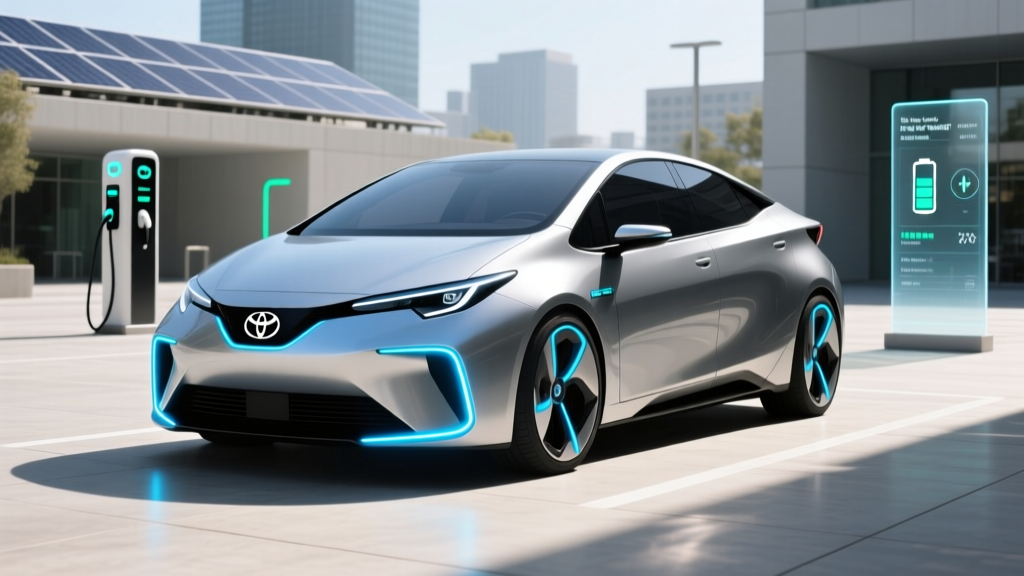
Toyota does not make an all-electric Prius. The 2026 Prius and Prius Prime remain a hybrid (HEV) and plug-in hybrid (PHEV), respectively. Toyota has not announced a battery-electric Prius for the U.S. market. If you want a Prius-shaped commuter with Toyota reliability, your options are the standard hybrid (up to 57 MPG combined) or the Prius Prime PHEV (up to 44 miles of electric-only range). If you specifically want a fully electric Toyota, the closest current offering is the bZ4X crossover SUV with an EPA-estimated 252 miles of range.
The search term "all electric Prius" gets hundreds of queries every month, and the confusion is understandable. The Prius nameplate has been synonymous with electrified commuting for over two decades, and as buyers shift toward full battery-electric vehicles (BEVs), it's natural to assume Toyota would electrify its most iconic hybrid. As of early 2026, that hasn't happened — and Toyota's public product roadmap does not include a BEV Prius variant.
This guide breaks down exactly what Toyota does offer in the Prius lineup, how those models compare to a true BEV, the real ownership costs, and a practical decision framework to help you pick the right electrified vehicle for your situation.
What Toyota Actually Sells: 2026 Prius Lineup at a Glance
The 2026 Prius family comes in two flavors, both built on Toyota's fifth-generation hybrid architecture:
| Specification | 2026 Prius (HEV) | 2026 Prius Prime (PHEV) |
|---|---|---|
| Powertrain | 2.0L 4-cyl hybrid | 2.0L 4-cyl plug-in hybrid |
| Combined HP | 194 hp (AWD: 196 hp) | 220 hp |
| 0–60 mph | ~7.2 sec | ~6.6 sec |
| EPA Combined MPG | 57 MPG (LE FWD) | 52 MPG (hybrid mode) / 127 MPGe (EV mode) |
| Electric-Only Range | N/A (no plug) | 44 miles (EPA) |
| Battery (traction) | ~1.0 kWh lithium-ion | 13.6 kWh lithium-ion |
| Charging (AC Level 2) | N/A | ~4 hours (0–100%) |
| DC Fast Charging | N/A | Not available |
| Starting MSRP | ~$28,550 | ~$33,450 |
| Federal Tax Credit (§30D) | Not eligible | Up to $3,750* |
| Hybrid Battery Warranty | 10 yr / 150,000 mi | 10 yr / 150,000 mi |
*§30D credit eligibility for the Prius Prime depends on MSRP caps, buyer income limits, and battery component/critical-mineral sourcing requirements per current IRS rules. The maximum credit for qualifying PHEVs is typically $3,750 based on critical-mineral or battery-component thresholds. Verify with a tax professional.
The Prius Prime's 44-mile electric-only range covers most daily commutes without burning a drop of gasoline, which is why many buyers conflate it with a "fully electric" Prius. But once that battery depletes, the gas engine kicks in — making it a PHEV, not a BEV.
Why Toyota Hasn't Made a Battery-Electric Prius
Toyota's strategy has been notably cautious on full electrification compared to competitors like Hyundai, Ford, and Tesla. Several factors explain the absence of a BEV Prius:
- Hybrid profitability: The Prius HEV and Prime PHEV sell well and carry lower production costs than a dedicated BEV platform with a large battery pack.
- Battery cost and supply: A Prius-sized BEV would need a ~60–75 kWh battery to deliver competitive 250+ mile range. That adds significant cost and depends on supply chains Toyota is still scaling.
- Market segmentation: Toyota positions the bZ4X as its electric offering for buyers ready to go full BEV, keeping the Prius badge anchored in the hybrid space where it has brand dominance.
- Global market diversity: Toyota sells the Prius in markets with vastly different charging infrastructure maturity. A PHEV serves more global buyers today than a BEV would.
Toyota has committed to launching a broader BEV lineup by the end of the decade, including next-generation models on a dedicated EV platform. But as of 2026, a battery-electric Prius remains speculative — not announced, not previewed, and not available to order.
Prius Prime (PHEV) vs. a True BEV: Real-World Ownership Compared
If you're cross-shopping the Prius Prime against a compact BEV like the Chevrolet Equinox EV, Hyundai Kona Electric, or Tesla Model 3, the ownership experience differs in ways that matter daily.
| Factor | Prius Prime (PHEV) | Typical Compact BEV (e.g., Kona Electric) |
|---|---|---|
| EPA Electric Range | 44 miles | 261 miles |
| Gasoline Backup | Yes — unlimited total range | No — battery only |
| Home Charging Needed | Recommended, not critical | Essential for most owners |
| DC Fast Charging | Not available | Yes (10–80% in ~43 min at 100 kW) |
| Fuel Cost (annual, 12k mi) | ~$450–$700 (mix of electricity + gas) | ~$500–$650 (electricity only) |
| Maintenance (annual avg) | ~$400–$600 (oil changes, filters, brakes) | ~$150–$300 (no oil, fewer fluids, regen saves brakes) |
| Cold-Weather Impact | Minimal (gas engine provides heat) | 15–30% range loss at freezing temps |
| Road-Trip Flexibility | Seamless — fill up at any gas station | Requires DC fast-charging route planning |
| Federal Tax Credit | Up to $3,750* | Up to $7,500* |
| Starting MSRP | ~$33,450 | ~$32,975 (Kona Electric) |
*Tax credit amounts vary by vehicle sourcing compliance and buyer income. See IRS §30D guidelines.
Real-World Range Reality: The Prius Prime's 44-mile EPA electric range holds up well in moderate weather with city driving. On highway trips above 65 mph, expect that to drop to roughly 32–36 miles before the hybrid system engages. In sub-freezing temperatures with cabin heat running, electric-only range can fall to 28–32 miles. A BEV's range drops proportionally more in cold weather but starts from a much higher baseline.
Total Cost of Ownership: 5-Year Breakdown
The purchase price tells only part of the story. Here's a five-year ownership cost comparison for the Prius Prime versus a comparable compact BEV, assuming 12,000 miles per year and home charging access:
| Cost Category (5 Years) | Prius Prime (PHEV) | Compact BEV (261 mi range) |
|---|---|---|
| Purchase Price (base MSRP) | $33,450 | $32,975 |
| Federal Tax Credit | –$3,750 | –$7,500 |
| Effective Purchase Price | $29,700 | $25,475 |
| Fuel/Energy (5 yr) | ~$2,800 | ~$2,900 |
| Maintenance (5 yr) | ~$2,500 | ~$1,100 |
| Insurance (5 yr avg) | ~$7,500 | ~$8,200 |
| Estimated Depreciation | ~$12,000 | ~$13,500 |
| Total 5-Year Cost | ~$54,500 | ~$51,175 |
Key takeaways from this breakdown:
- The BEV wins on net purchase cost when the full $7,500 credit applies, thanks to the larger credit offsetting a similar MSRP.
- Maintenance strongly favors the BEV — no oil changes, no spark plugs, no transmission fluid, and regenerative braking extends pad life significantly.
- Insurance tends to be higher for BEVs due to higher repair costs after collisions and more expensive replacement parts.
- Depreciation is the wildcard. BEV resale values have been volatile; the Prius Prime benefits from Toyota's strong brand retention, though BEV depreciation is stabilizing as the market matures.
- Fuel costs are nearly identical when the Prius Prime is charged regularly and driven mostly within its electric range.
Data sources: EPA efficiency figures via fueleconomy.gov, insurance averages from industry aggregates, and maintenance estimates based on manufacturer service schedules.
Common Myths About an Electric Prius — Fact-Checked
| Myth | Fact |
|---|---|
| "The all-electric Prius is available in Japan." | Toyota sells the bZ4X and other BEVs in Japan, but the Prius sold there is still a hybrid/PHEV. No BEV Prius exists in any market. |
| "The Prius Prime is basically an EV." | It's a PHEV with 44 miles of electric range and a gas engine. It cannot DC fast-charge and will always rely on gasoline for longer trips. |
| "Toyota will never make an electric Prius." | Toyota has announced a next-generation BEV platform for later this decade. A BEV wearing the Prius badge is possible but not confirmed or scheduled as of 2026. |
| "You need home charging for a Prius Prime." | You don't need it — the car functions as a regular hybrid without plugging in. But you lose the electric-range benefit and the efficiency advantage, essentially paying a premium for a standard Prius experience. |
| "BEVs are always cheaper to own than a Prius." | Not always. If you lack home charging, live in a cold climate, drive long rural routes, or face high electricity rates, the Prius Prime's gas backup can make it the more practical and sometimes cheaper option. |
Decision Framework: Which Electrified Toyota (or Competitor) Is Right for You?
Choose the 2026 Prius (HEV) if:
- You have no home charging access (apartment, street parking, no garage).
- You want maximum MPG with zero plug-in hassle.
- Your budget is under $30,000 and you want Toyota's reliability track record.
- You drive a mix of city and highway and value 500+ miles of total range per tank.
Choose the 2026 Prius Prime (PHEV) if:
- You have home Level 2 charging and a commute under 40 miles round-trip.
- You want to drive electric daily but need gas-engine flexibility for weekend road trips.
- You live in a cold climate where BEV range loss is a concern.
- You want to reduce gasoline consumption by 70–80% without any range anxiety.
Choose a compact BEV (Kona Electric, Equinox EV, Model 3) if:
- You have reliable home charging and want to eliminate gasoline entirely.
- You want the full $7,500 federal tax credit (subject to eligibility — see IRS §30D).
- Your daily driving is under 200 miles and you're comfortable planning DC fast-charging stops on road trips.
- You want the lowest maintenance costs and a fully electric driving experience.
Wait for a potential BEV Prius if:
- You're loyal to the Prius nameplate and want a Toyota-branded BEV specifically.
- Your current vehicle is functional and you can afford to wait 2–4 years for Toyota's next-gen EV platform.
- You want a sedan/wagon form factor rather than the crossover SUV body style of the bZ4X.
What First-Time EV Buyers Should Know Before Switching From a Prius
If you've driven a Prius for years and are considering your first full BEV, a few practical realities differ from the hybrid experience you're used to:
Home Charging Is Non-Negotiable for Most BEV Owners
Unlike the Prius Prime, which runs fine as a hybrid without ever plugging in, a BEV requires regular charging. A Level 2 home charger (240V, typically 7–11 kW) adds roughly 25–40 miles of range per hour of charging, which easily replenishes a daily commute overnight. Installation costs range from $500–$2,500 depending on panel capacity and wiring distance, and may require a panel upgrade ($1,500–$3,000) if your home has a 100-amp service. Confirm requirements with a licensed electrician before purchasing.
Cold Weather Cuts Range — Plan for It
A BEV rated at 260 miles EPA may deliver 180–210 miles in sustained freezing temperatures, especially with cabin heat running. Heat-pump equipped models (standard on many 2026 BEVs) reduce this penalty but don't eliminate it. If you live in the upper Midwest or Northeast, size your battery for worst-case winter range, not summer best-case.
Road Trips Require Planning
DC fast-charging networks (Tesla Supercharger, Electrify America, EVgo) cover most interstate corridors, but rural routes and national parks can have sparse coverage. Apps like A Better Routeplanner help, but expect 20–40 minute charging stops every 150–200 miles on long drives. The Prius Prime eliminates this entirely — you just stop at any gas station.
Insurance May Cost More
BEVs typically carry insurance premiums 10–20% higher than equivalent hybrids due to battery replacement costs, specialized repair requirements, and higher total-loss thresholds. Get quotes before purchasing to avoid surprises.
Frequently Asked Questions
Will Toyota ever release an all-electric Prius?
Toyota has not announced a BEV Prius as of 2026. The company is developing next-generation battery-electric vehicles on a dedicated platform, with broader rollout expected later this decade. A Prius-branded BEV is plausible but unconfirmed. Toyota's current U.S. BEV offering is the bZ4X crossover.
Is the Prius Prime worth it over the standard Prius?
If you can charge at home and your commute is under 44 miles, the Prime lets you drive electric daily while retaining gas-engine range for longer trips. The ~$4,900 price premium over the base Prius LE is partially offset by the federal tax credit (up to $3,750, eligibility varies). Over five years, fuel savings from electric commuting typically recoup the remaining difference.
What Toyota models are fully electric?
As of 2026, the Toyota bZ4X is the only fully electric Toyota sold in the U.S., with an EPA-estimated 252 miles of range (FWD), a 71.4 kWh battery, and DC fast charging up to 150 kW (10–80% in approximately 30 minutes). Starting MSRP is approximately $37,000. The Lexus RZ 450e shares the same platform.
Can I convert a Prius to fully electric?
Aftermarket EV conversions exist but are expensive ($15,000–$30,000+), void all factory warranties, may not meet emissions/safety certification requirements in your state, and typically result in less range and performance than a purpose-built BEV. For most buyers, purchasing a production BEV is far more practical and cost-effective.
What's the most fuel-efficient car Toyota makes in 2026?
The 2026 Prius LE FWD achieves an EPA-estimated 57 MPG combined, making it the most fuel-efficient non-plug-in vehicle Toyota sells. The Prius Prime achieves 127 MPGe in electric mode and 52 MPG combined in hybrid mode. For comparison, the EPA's fuel economy database lists these figures alongside all competitors.
Sources: fueleconomy.gov (EPA efficiency data), IRS §30D Clean Vehicle Credit guidelines, Toyota Motor Corporation U.S.A. product specifications. Pricing and credit eligibility reflect 2026 model-year information and are subject to change. Consult a tax professional for credit eligibility.