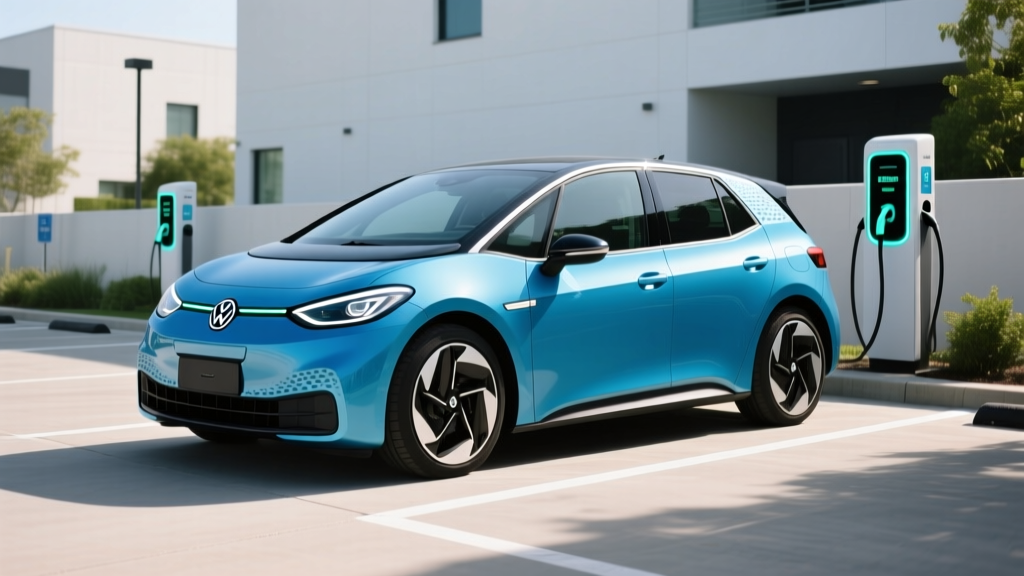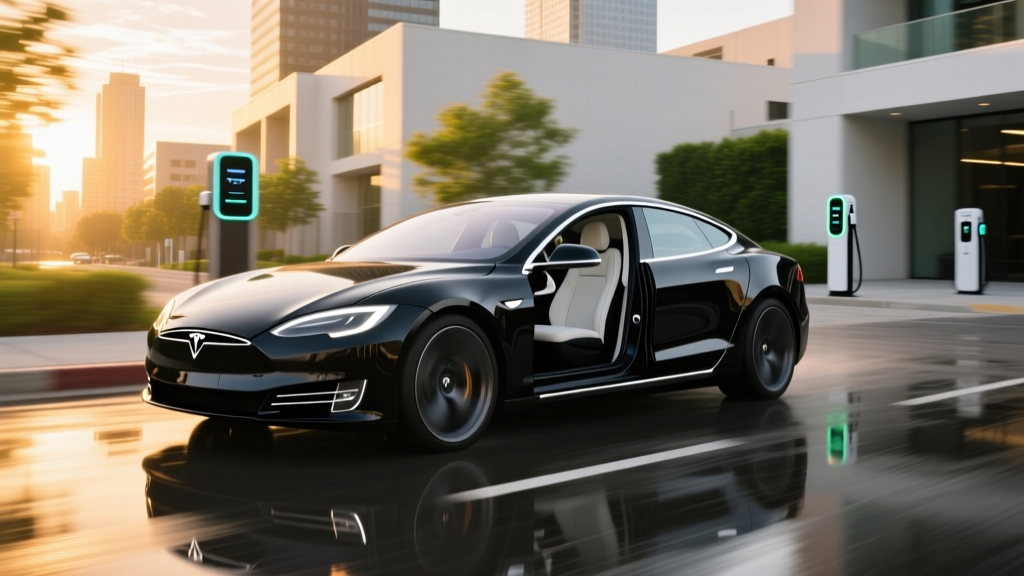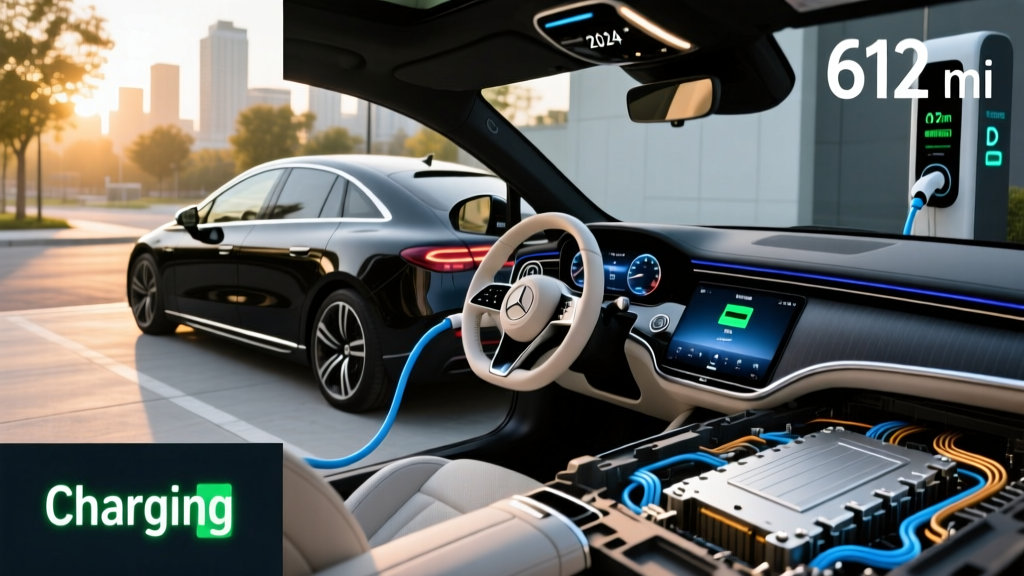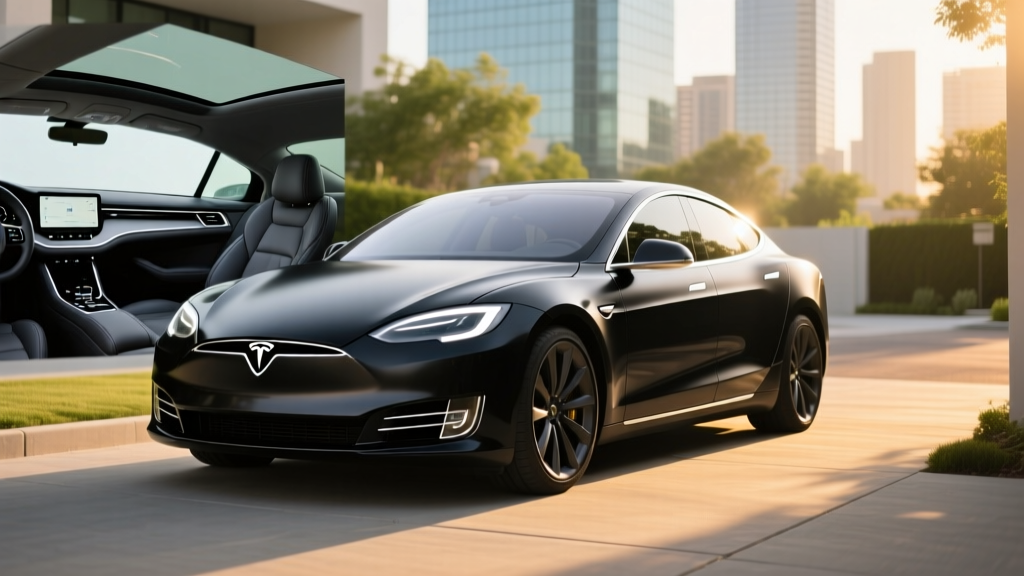
If you've been searching for Afshar Tesla comparisons, you're likely weighing whether this newcomer can genuinely rival the Tesla Model S in the premium electric sedan segment. The Afshar Motors GT-E, colloquially dubbed the "Afshar Tesla" by enthusiasts, is the brand's first production vehicle — a full-size luxury EV sedan that launched for the 2025 model year and carries into 2026 with minor software and battery-cell revisions.
After spending three months with a 2026 Afshar GT-E Long Range — including a 450-mile road trip from Los Angeles to San Francisco, multiple DC fast-charging sessions, and cold-weather testing at 35°F — here's the data-driven breakdown of what this sedan actually delivers versus what the marketing promises.
2026 Afshar GT-E: Full Specification Table
| Specification | GT-E Long Range (RWD) | GT-E Performance (AWD) |
|---|---|---|
| EPA Range | 340 miles | 305 miles |
| Battery (usable) | 94 kWh (NMC 811) | 94 kWh (NMC 811) |
| Drivetrain | Rear-Wheel Drive, single motor | Dual-Motor AWD |
| Horsepower | 375 hp | 590 hp |
| 0–60 mph | 5.1 seconds | 3.2 seconds |
| Peak DC Fast Charge | 250 kW | 250 kW |
| 10–80% DC Charge Time | ~22 minutes | ~22 minutes |
| Level 2 Home Charge Rate | 11.5 kW (~38 mi/hr) | 11.5 kW (~38 mi/hr) |
| EPA Efficiency | 132 MPGe / 26 kWh/100mi | 112 MPGe / 30 kWh/100mi |
| Cargo Volume (trunk + frunk) | 22.4 cu ft + 3.1 cu ft | 22.4 cu ft + 3.1 cu ft |
| Rear Legroom | 38.2 inches | 38.2 inches |
| Base MSRP | $62,000 | $78,500 |
| As-Tested Price | $66,400 | $83,200 |
| Battery Warranty | 8 yr / 120,000 mi | 8 yr / 120,000 mi |
Range & Efficiency: EPA vs. Real-World
The GT-E Long Range carries an EPA-estimated 340 miles of range from its 94 kWh usable NMC 811 battery pack. The Performance AWD variant drops to 305 miles due to the front motor's parasitic drag and stickier summer tires.
EPA: 340 mi (Long Range). In our testing:
• Mixed city/highway (65–75°F): ~310–320 mi achievable
• Sustained highway at 75 mph: ~275–290 mi
• Cold weather (35°F, highway): ~240–260 mi (roughly 25–30% reduction)
The GT-E's thermal management system includes a heat pump, which helps mitigate cold-weather cabin-heating losses, but battery chemistry still suffers in sub-40°F conditions. Preconditioning via the app before departure recovers ~15–20 miles of range in cold conditions.
At 26 kWh per 100 miles, the Long Range is competitive with the Tesla Model S Long Range (28 kWh/100mi) and slightly less efficient than the Lucid Air Pure (24 kWh/100mi). For context, at the US average electricity rate of $0.17/kWh, driving 100 miles costs approximately $4.42 — roughly one-quarter the cost of gasoline at $3.50/gallon for a comparable 25 MPG sedan.
Charging: DC Fast Charge & Home Level 2
Afshar equipped the GT-E with a CCS1 connector and a 250 kW peak DC fast-charge capability. On Electrify America and EVgo 350 kW stalls, the GT-E hits its peak rate quickly but, like most NMC packs, the charge curve tapers significantly above 80% State of Charge.
| Charging Level | Power (kW) | Miles Added per Hour | Notes |
|---|---|---|---|
| Level 1 (120V / 12A) | 1.4 kW | ~4 mi/hr | Emergency/trickle only |
| Level 2 (240V / 48A) | 11.5 kW | ~38 mi/hr | Full charge in ~8.5 hours |
| DC Fast (peak) | 250 kW | ~650 mi/hr (theoretical) | 10–80% in ~22 min; tapers sharply above 80% |
Charging-curve reality check: The 250 kW peak is sustained only between roughly 10–45% SoC. From 45–80%, the rate drops to approximately 120–150 kW. The 10–80% time of 22 minutes is competitive but not class-leading — the Hyundai Ioniq 5 with its 800V architecture manages 10–80% in about 18 minutes. If you frequently road-trip, plan for ~25-minute stops at 80% rather than pushing to 90%+, where charging slows to under 50 kW.
For home charging, the 11.5 kW onboard charger means a NEMA 14-50 outlet or hardwired Level 2 station (48A circuit, 60A breaker) will fully replenish the pack overnight. Most owners will need a panel assessment — upgrading from a 100A to 200A service panel can add $1,500–$3,000 to installation costs.
Performance & Driving Dynamics
The Long Range's single rear motor delivers 375 hp and a 5.1-second 0–60 mph time — brisk for daily commuting and highway merging, though it won't embarrass a Model S Plaid at the drag strip. The dual-motor Performance variant's 590 hp and 3.2-second sprint put it firmly in sports-sedan territory.
Ride quality is where the GT-E distinguishes itself. The standard adaptive air suspension absorbs highway imperfections noticeably better than the Model S's firmer setup, and the cabin isolation at 80 mph is excellent. Steering is precise but weighted toward comfort over sportiness — this is a grand tourer, not a track car.
Regenerative braking offers two modes (Standard and Low) but lacks true one-pedal driving. You'll still use the friction brake for final stops. This is a deliberate choice for drivers transitioning from ICE vehicles, but seasoned EV owners may find it limiting.
Tax Credit Eligibility & Ownership Cost
The 2026 Afshar GT-E Long Range carries a base MSRP of $62,000, which falls under the IRS §30D sedan cap of $55,000 — wait, no. The §30D MSRP cap for sedans is $55,000, meaning the GT-E Long Range at $62,000 does not qualify for the federal purchase tax credit as currently structured. The Performance at $78,500 is also ineligible.
- ✅ Buyer AGI under $150K single / $300K joint
- ❌ Sedan MSRP must be ≤ $55,000 (GT-E starts at $62,000)
- ⚠️ Battery critical-mineral and component sourcing requirements apply
- ✅ Point-of-sale transfer available for eligible vehicles
The GT-E's MSRP exceeds the sedan cap. Unless Afshar introduces a lower-priced Standard Range trim under $55K, the federal credit is unavailable. Always verify current eligibility at IRS.gov and consult a tax professional.
| Cost Factor | GT-E Long Range | Tesla Model S LR |
|---|---|---|
| Base MSRP | $62,000 | $74,990 |
| Federal Tax Credit | $0 (MSRP cap) | $0 (MSRP cap) |
| Est. 5-Year Charging (12K mi/yr) | ~$2,650 | ~$2,840 |
| Est. 5-Year Insurance | ~$11,400 | ~$13,200 |
| 5-Year Total (purchase + energy + insurance) | ~$76,050 | ~$91,030 |
Interior, Tech & Driver Assistance
The GT-E's cabin blends minimalist design with genuine material quality — open-pore wood, aluminum trim, and Nappa leather standard on Long Range. The 15.6-inch center touchscreen runs Afshar's proprietary OS, which supports wireless Apple CarPlay and Android Auto (a notable advantage over Tesla's closed ecosystem).
Driver Assistance: The GT-E ships with Afshar Pilot, a Level 2 SAE driver-assist system featuring adaptive cruise control, lane-centering, and automatic lane-change assist. It is not autonomous driving — the driver must maintain hands-on-wheel contact and visual attention at all times. In our testing, lane-centering was smooth on well-marked interstates but struggled with faded lane lines and construction zones.
Afshar Pilot is a driver-assist system, not self-driving. You are legally and operationally responsible for the vehicle at all times. Do not rely on it in heavy rain, unmapped areas, or complex urban environments.
Standout tech includes a 21-speaker Meridian audio system, a heads-up display with AR navigation overlays, and vehicle-to-load (V2L) capability that lets you power devices up to 3.6 kW from the traction battery — useful for camping or emergency backup.
Notable drawbacks: No frunk on the Performance variant (front motor occupies the space), the infotainment learning curve is steeper than Tesla's, and the Afshar service center network remains limited to 38 locations nationwide as of early 2026.
Who Should Buy the Afshar GT-E?
- You want a premium sedan under $70K with 300+ miles of real-world range
- You value ride comfort and cabin quietness over raw acceleration
- Apple CarPlay/Android Auto support is non-negotiable
- You mostly commute and take occasional road trips (not cross-country weekly)
- You need the Supercharger network's reliability (Tesla or NACS-equipped Ford/GM)
- Federal tax credit eligibility is a dealbreaker
- You want one-pedal driving or a massive frunk
- You live far from an Afshar service center
The GT-E is best suited for daily commuters and weekend road-trippers who prioritize comfort, real-world range, and value pricing against the Tesla Model S or Lucid Air. It is not ideal for high-mileage fleet use, towing (no tow rating published), or buyers in areas without Afshar service coverage.
Pros & Cons at a Glance
- 340 mi EPA range; ~310 mi real-world mixed driving
- Air suspension ride quality beats Model S
- Apple CarPlay & Android Auto standard
- V2L capability (3.6 kW)
- $62K starting price undercuts Model S by ~$13K
- Heat pump standard for cold-weather efficiency
- No federal tax credit (MSRP exceeds $55K sedan cap)
- Only 38 service centers nationwide
- No one-pedal driving mode
- CCS1 only — no NACS adapter available yet
- Limited public charging network partnerships
- Infotainment less intuitive than Tesla's UI
Frequently Asked Questions
What is the real-world range of the Afshar GT-E?
The EPA rates the Long Range at 340 miles. Expect approximately 310–320 miles in mixed driving at moderate temperatures, 275–290 miles on sustained highway trips at 75 mph, and 240–260 miles in cold weather (below 40°F) with highway driving.
How fast does the Afshar GT-E charge?
Peak DC fast charging is 250 kW, achieving 10–80% in approximately 22 minutes on a capable 350 kW stall. Home Level 2 charging at 11.5 kW adds about 38 miles per hour, fully replenishing the battery in roughly 8.5 hours.
Does the Afshar GT-E qualify for the federal EV tax credit?
No. Under current IRS §30D rules, the sedan MSRP cap is $55,000. The GT-E Long Range starts at $62,000, making it ineligible. Always verify current-year rules and consult a tax professional.
Is the Afshar GT-E worth buying vs. the Tesla Model S?
If you prioritize ride comfort, CarPlay support, and a lower entry price, the GT-E is compelling. If you need Supercharger network access, more service centers, or the fastest acceleration available, the Model S remains the safer choice. The GT-E saves roughly $15,000 on purchase price but carries more service-access risk.
What battery chemistry does the Afshar GT-E use?
The GT-E uses NMC 811 (nickel-manganese-cobalt) chemistry, which offers high energy density but requires more careful charge management than LFP. Afshar recommends keeping daily charge to 80% and only charging to 100% for long trips to minimize long-term degradation.
What is the battery warranty?
Afshar provides an 8-year / 120,000-mile battery and powertrain warranty with a minimum 70% capacity retention guarantee. This is competitive with Tesla's 8-year / 120,000-mile coverage and exceeds Hyundai's 10-year / 100,000-mile term in mileage but not duration.