2026 Acura ZDX: The MSRP, Range, and Charging Reality
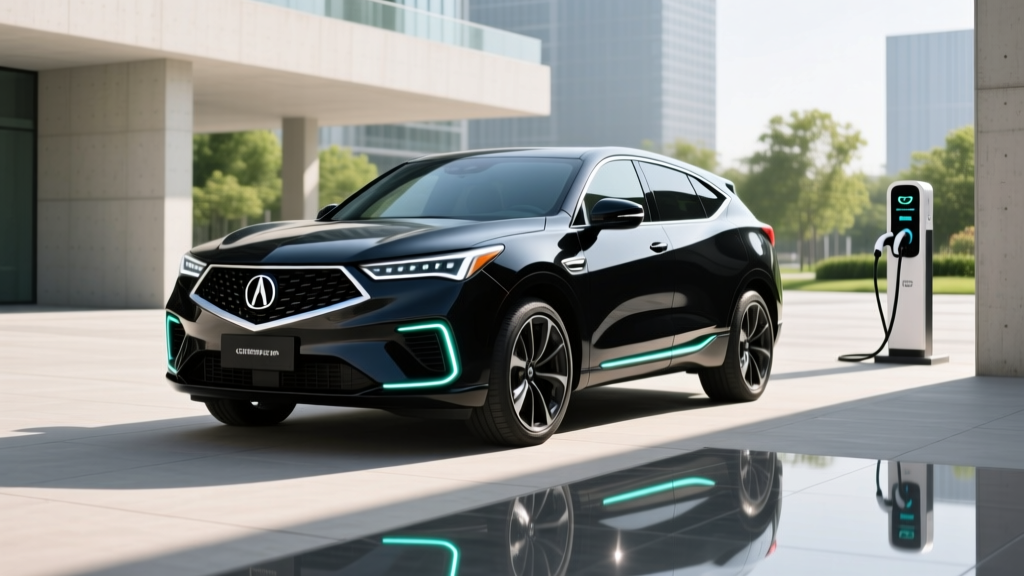
Acura's first all-electric SUV has settled into its second full model year, and the 2026 ZDX carries forward with minor trim adjustments and a clearer value proposition in the luxury electric crossover segment. Built on GM's Ultium platform and assembled at the Spring Hill, Tennessee plant alongside the Cadillac Lyriq, the ZDX blends Acura's signature driving dynamics with a proven 102 kWh battery pack. But with an Acura ZDX MSRP starting just under $66,000 and climbing past $72,000 for the performance-oriented Type S, buyers need hard numbers on range, charging speed, and tax credit eligibility before signing a lease or purchase agreement.
This guide covers every spec that matters for real ownership — not just the brochure highlights. We'll reconcile EPA range estimates with what you'll actually see on the highway in January, map out the DC fast-charging curve, and walk through the §30D federal tax credit rules that determine whether you'll save $7,500 or $0 at the point of sale.
Quick Specs: 2026 Acura ZDX at a Glance
| Spec | ZDX A-Spec (RWD) | ZDX A-Spec (AWD) | ZDX Type S |
|---|---|---|---|
| Base MSRP | $65,850 | $68,850 | $72,850 |
| EPA Range | 313 mi | 290 mi | 278 mi |
| Battery (usable) | 102 kWh, NMC (nickel manganese cobalt) | ||
| Drivetrain | Rear-Wheel Drive | Dual-Motor AWD | Dual-Motor AWD |
| Horsepower | 358 hp | 358 hp | 500 hp |
| 0–60 mph | ~7.1 sec | ~5.7 sec | ~4.5 sec |
| Max DC Fast Charge | 190 kW (peak) | ||
| 10–80% DC Charge | ~32 minutes | ||
| Level 2 Home Charge | 19.2 kW (77 mi/hr) | ||
| MPGe (combined) | 94 MPGe | 88 MPGe | 82 MPGe |
| EPA Efficiency | 36 kWh/100mi | 38 kWh/100mi | 41 kWh/100mi |
| Cargo (behind 2nd row) | 28.4 cu ft | ||
| Cargo (seats folded) | 57.1 cu ft | ||
| Battery Warranty | 8 years / 100,000 miles | ||
Range and Efficiency: EPA Numbers vs. the Real World
The RWD A-Spec's EPA-estimated 313 miles puts the ZDX squarely in the competitive sweet spot — comparable to the BMW iX xDrive50 and slightly ahead of the Cadillac Lyriq's 314-mile AWD variant. But EPA testing uses a blended cycle with generous city-driving assumptions that don't always match how luxury SUV buyers actually drive.
- EPA sticker (A-Spec RWD): 313 miles
- Highway cruising (70–75 mph, moderate climate): ~255–275 miles
- Cold weather (below 32°F, highway): ~215–240 miles
- Mixed daily driving (city + suburban, temperate): ~285–300 miles
The ZDX's standard heat pump helps mitigate cold-weather losses compared to resistive-heater EVs, but any lithium-ion pack loses 15–25% of usable capacity in sustained sub-freezing temperatures. Plan road trips around 220–240 miles between stops in winter to maintain a comfortable buffer.
Efficiency varies significantly by trim. The Type S's 500-hp dual-motor setup and stickier 22-inch summer tires push consumption to 41 kWh/100 miles — roughly 14% thirstier than the RWD A-Spec at 36 kWh/100 miles. If range is your priority, the RWD A-Spec is the clear pick. If you want the Type S's performance, budget for more frequent charging on long trips.
Charging Speed: DC Fast, Level 2, and the Curve
The ZDX supports up to 190 kW peak DC fast charging on CCS1-equipped stations (or NACS via the included adapter for Tesla Supercharger access). Peak rate is not sustained rate — here's what the charging curve actually looks like in practice.
| Charging Level | Power / Rate | Speed (mi/hr added) | Notes |
|---|---|---|---|
| Level 1 (120V household) | ~1.4 kW | ~3–4 mi/hr | Emergency / trickle only |
| Level 2 (240V, 48A home) | 11.5 kW | ~46 mi/hr | Standard home setup, full charge ~9 hr |
| Level 2 (240V, 80A home) | 19.2 kW | ~77 mi/hr | Requires 100A circuit; full charge ~5.5 hr |
| DC Fast (peak) | 190 kW | — | 10–80% in ~32 min; tapers above 60% |
| DC Fast (sustained avg, 10–80%) | ~130–140 kW avg | — | Real-world average across the curve |
The 190 kW peak is available between roughly 10% and 40% state of charge (SoC). Above 60%, the rate tapers significantly — expect 80–100 kW through the 60–80% window, and a crawl above 90%. This is normal for NMC chemistry; the battery management system protects cell longevity by reducing current as voltage climbs. For road trips, charge from 10–80% and move on rather than waiting for a full top-off.
At home, the ZDX's 19.2 kW onboard charger is among the fastest in its class. Most homes with a 200-amp electrical panel can support a 48-amp (11.5 kW) wall connector on a 60-amp circuit, recovering roughly 46 miles of range per hour — enough to fully replenish overnight. Upgrading to the full 19.2 kW requires a dedicated 100-amp circuit and likely a panel upgrade; consult a licensed electrician for your specific situation.
Performance and Driving Dynamics
The ZDX A-Spec's 358 hp provides confident merging and passing, with the dual-motor AWD variant hitting 60 mph in approximately 5.7 seconds. The Type S bumps output to 500 hp and drops the 0–60 time to roughly 4.5 seconds, aided by its adaptive air suspension, Brembo brakes, and a sport-tuned torque distribution system.
Ride quality is where the Ultium platform shines. The ZDX's low center of gravity (battery pack mounted under the floor) and multi-link rear suspension deliver composed handling that feels more German than Japanese. Road noise is well-suppressed at highway speeds, and the available 18-speaker Bang & Olufsen audio system easily overcomes what little cabin noise exists.
Regenerative braking offers three levels via steering-wheel paddles, but the ZDX does not offer true one-pedal driving to a complete stop in all modes. Expect to use the friction brakes at low speeds unless you're in the max-regen setting on downhill grades.
Pricing, Trims, and Federal Tax Credit Eligibility
The Acura ZDX MSRP structure is straightforward with three main configurations. Destination charges add approximately $1,195 to all figures below.
| Trim | Base MSRP | Est. As-Tested | §30D Credit Eligible? | Effective Price (if eligible) |
|---|---|---|---|---|
| A-Spec RWD | $65,850 | $67,500 | Yes (see caveats) | ~$58,350 |
| A-Spec AWD | $68,850 | $71,200 | Yes (see caveats) | ~$61,350 |
| Type S AWD | $72,850 | $75,800 | Yes (see caveats) | ~$65,350 |
Federal tax credit caveats (§30D, 2026 rules): The ZDX qualifies for the full $7,500 credit only if all of the following are met, per IRS guidelines:
- MSRP cap: SUVs must be ≤ $80,000 — all ZDX trims qualify.
- Buyer income cap: Modified AGI ≤ $300,000 (joint), $225,000 (head of household), $150,000 (single). Exceed these and the credit phases out.
- Battery sourcing: Critical minerals and battery components must meet escalating domestic/free-trade-agreement thresholds. The ZDX's Ultium pack (assembled in Tennessee with LG cells) has met these requirements for the 2025 model year; verify 2026 compliance at fueleconomy.gov before purchasing, as sourcing rules tighten annually.
- Point-of-sale transfer: You can apply the $7,500 as an immediate price reduction at the dealer (rather than waiting for a tax return credit), provided the dealer is registered with the IRS Energy Credits Online system.
State and local incentives vary widely. California's CVRP program, Colorado's innovative motor vehicle credit, and various utility rebates can stack on top of the federal credit. Check your state's energy office or utility provider for current programs.
Interior, Cargo, and Technology
The ZDX's cabin is a clear step above the Chevrolet Blazer EV it shares a platform with, though it doesn't quite reach the material richness of a BMW iX or Mercedes EQE SUV. Heated and ventilated front seats are standard across all trims, with Nappa leather and a heated steering wheel on the Type S.
Space and cargo:
- Front legroom: 41.7 inches
- Rear legroom: 38.2 inches
- Cargo behind 2nd row: 28.4 cu ft
- Cargo with rear seats folded: 57.1 cu ft
- No front trunk (frunk) — the Ultium platform's power electronics occupy that space
The 28.4 cubic feet behind the second row is competitive with the Audi Q8 e-tron (28.5 cu ft) but trails the BMW iX (35.5 cu ft). For families hauling strollers, hockey bags, or weekly groceries, the ZDX is adequate but not class-leading.
Tech highlights:
- 11.0-inch digital instrument cluster + 11.3-inch center touchscreen running Google Built-In (Maps, Assistant, Play Store)
- Wireless Apple CarPlay and Android Auto
- Available head-up display with augmented-reality navigation overlay
- AcuraWatch suite: adaptive cruise, lane-centering, blind-spot, rear cross-traffic, and traffic-sign recognition — all standard
ADAS note: AcuraWatch is a Level 2 driver-assistance system per SAE classification. You must keep your hands on the wheel and eyes on the road at all times. The ZDX does not currently offer a hands-free highway driving system like GM's Super Cruise or Ford's BlueCruise — a notable omission in this price bracket.
Warranty and Ownership Costs
Acura backs the ZDX with the brand's standard warranty package plus EV-specific battery coverage:
- Limited vehicle warranty: 4 years / 50,000 miles
- Powertrain warranty: 6 years / 70,000 miles
- Battery pack warranty: 8 years / 100,000 miles (covers defects and capacity loss below 70% of original capacity)
- Complimentary maintenance: 2 years / 30,000 miles (covers cabin air filter, tire rotation, multi-point inspection)
The 8-year/100,000-mile battery warranty is federally mandated for EVs and matches what Hyundai, BMW, and most competitors offer. The 70% capacity-retention threshold is industry standard — if your 102 kWh pack drops below ~71 kWh of usable capacity within the warranty window, Acura will repair or replace it.
Insurance costs for the ZDX run 10–20% higher than a comparable gas-powered Acura MDX, reflecting the higher repair costs associated with EV battery packs and aluminum body panels. Get quotes before purchasing — your mileage will vary by state, driving record, and insurer.
How the ZDX Compares to Key Rivals
Who Should Buy the 2026 Acura ZDX?
Choose the ZDX A-Spec RWD if: You want the maximum 313-mile range, a sub-$60K effective price after the tax credit, and a comfortable daily commuter that charges quickly at home. This is the value sweet spot of the lineup.
Choose the ZDX A-Spec AWD if: You need all-weather traction for snow-belt commutes and can accept a 23-mile range reduction. The $3,000 premium over RWD is reasonable for dual-motor capability.
Choose the ZDX Type S if: Performance is non-negotiable — 500 hp, air suspension, and Brembo brakes make this a legitimate sports-SUV alternative to the Porsche Macan EV at a fraction of the price. Just accept the 278-mile range and higher charging frequency on road trips.
Look elsewhere if: You need maximum cargo space (BMW iX), hands-free highway driving (Cadillac Lyriq with Super Cruise), or the longest possible range (Tesla Model X at 335+ miles, albeit at a higher price).
Pros and Cons
Pros
- 313-mile EPA range (RWD) is competitive and practical
- 19.2 kW Level 2 onboard charger — among the fastest for home charging
- Type S delivers 500 hp at a relative bargain price
- Google Built-In infotainment is responsive and well-integrated
- Qualifies for full $7,500 federal tax credit (verify sourcing annually)
- Composed ride quality and low cabin noise
Cons
- No hands-free driving system (no Super Cruise equivalent)
- 28.4 cu ft cargo space trails BMW iX and Tesla Model X
- No front trunk (frunk)
- Type S range drops to 278 miles — frequent road-trip stops required
- AcuraWatch lane-centering feels conservative vs. Tesla/GM rivals
- Insurance costs 10–20% higher than gas MDX
Frequently Asked Questions
What is the real-world range of the 2026 Acura ZDX?
The RWD A-Spec is EPA-rated at 313 miles, but expect 255–275 miles on a highway road trip at 70–75 mph and 215–240 miles in sustained cold weather below freezing. The AWD A-Spec drops to 290 EPA miles (expect ~235–255 highway), and the Type S sits at 278 EPA miles (expect ~220–240 highway).
How fast does the Acura ZDX charge at home and on the road?
On a DC fast charger, the ZDX peaks at 190 kW and charges from 10–80% in approximately 32 minutes. At home on a 240V/48A Level 2 charger, it adds about 46 miles per hour (full charge in ~9 hours). With an 80A circuit, the 19.2 kW onboard charger can recover 77 miles per hour.
How much does the Acura ZDX cost after the federal tax credit?
If you meet all §30D requirements (income caps, MSRP cap, battery sourcing), the effective price drops by $7,500 at the point of sale. That brings the A-Spec RWD to roughly $58,350, the A-Spec AWD to ~$61,350, and the Type S to ~$65,350 before state incentives.
Does the 2026 Acura ZDX qualify for the $7,500 federal EV tax credit?
The ZDX has qualified for the full credit in prior model years, as it is assembled in Tennessee with LG battery cells meeting domestic-content thresholds. However, critical-mineral and battery-component sourcing rules tighten each year under the Inflation Reduction Act. Always verify current eligibility at fueleconomy.gov and consult a tax professional before relying on the credit.
Is the Acura ZDX worth buying over the Cadillac Lyriq or BMW iX?
The ZDX offers the best value proposition if you want a premium badge, strong range, and fast home charging without paying BMW iX pricing ($87,250+). The Lyriq is a close sibling with available Super Cruise (hands-free driving) — if that feature matters to you, the Lyriq wins. The ZDX Type S is the performance bargain of the segment at 500 hp and ~$72,850.
What is the ZDX battery warranty?
Acura covers the 102 kWh battery pack for 8 years or 100,000 miles against defects and capacity loss below 70% of original capacity. This is the federal minimum for EV battery warranties and matches most competitors.