The Short Answer on Acura EV Vehicles
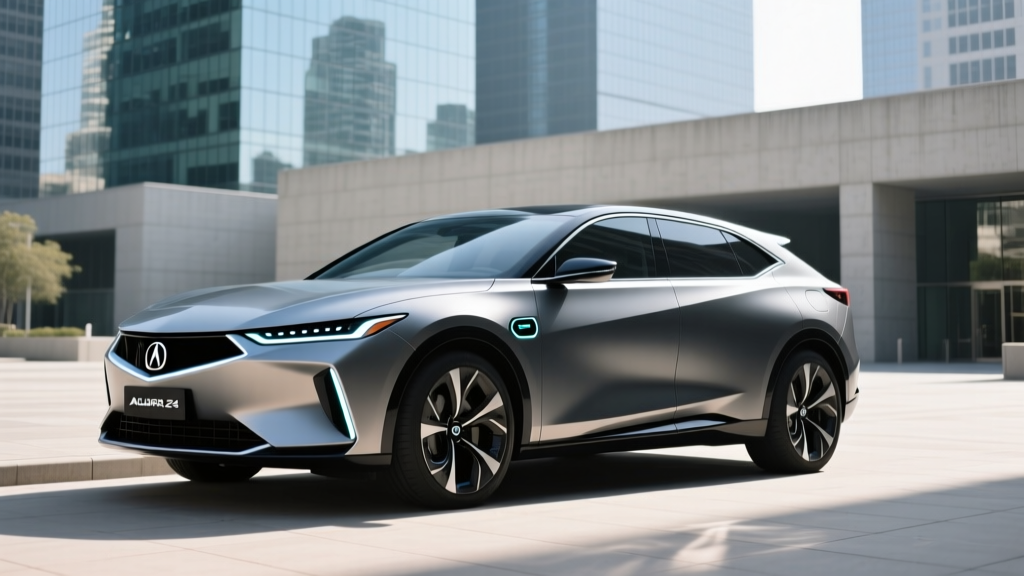
As of 2026, Acura's only production electric vehicle is the Acura ZDX, a midsize luxury crossover built on General Motors' Ultium platform. The ZDX offers an EPA-estimated range of up to 313 miles (A-Spec RWD), a 102 kWh usable battery, and DC fast charging that peaks at 190 kW (roughly 10–80% in ~31 minutes). Base pricing starts at $65,850 before destination, with the performance Type S variant reaching $74,850. Federal §30D tax-credit eligibility depends on battery-sourcing and buyer-income rules that shift yearly — check the IRS clean-vehicle credit page before assuming a flat $7,500 discount. If you want a three-row electric Acura or a sedan, you'll need to wait for announced future models or cross-shop the Cadillac Lyriq, BMW iX, or Genesis Electrified GV70.
2026 Acura ZDX: The Core EV Specs That Matter
Acura entered the EV market with the ZDX for the 2024 model year, and the 2026 version carries over the same Ultium hardware with minor software and trim adjustments. Here's the data buyers actually need:
| Spec | ZDX A-Spec (RWD) | ZDX A-Spec (AWD) | ZDX Type S |
|---|---|---|---|
| EPA Range | 313 mi | 304 mi | 278 mi |
| Battery (usable) | 102 kWh, NMC (Ultium pouch cells) | ||
| Peak DC Charge Rate | 190 kW | ||
| 10–80% DC Fast Charge | ~31 minutes | ||
| Level 2 (AC) Charge Rate | 19.2 kW (77 A) | ||
| 0–60 mph | ~7.1 sec | ~6.1 sec | ~4.5 sec (500 hp est.) |
| Horsepower | 358 hp | 490 hp | 500 hp |
| MPGe (combined) | 96 MPGe | 94 MPGe | 77 MPGe |
| Base MSRP (incl. dest.) | $65,850 | $69,350 | $74,850 |
| Battery/Powertrain Warranty | 8 yr / 100,000 mi | ||
Real-World Range Reality: The 313-mile EPA sticker on the RWD A-Spec is competitive for the class, but expect 250–275 miles at sustained 75-mph highway speeds and 220–240 miles in sub-30°F winter conditions. The Type S, with its larger 22-inch wheels and higher performance tuning, drops harder under aggressive driving — plan for 230 miles on road trips if you're using the 500-hp output regularly.
Charging the ZDX: Home, Public, and What to Expect
The ZDX uses a CCS1 connector for DC fast charging (with a NACS adapter available for Tesla Supercharger access as of late 2024, expanding through 2025–2026). Here's how charging breaks down across levels:
| Level | Power | Miles Added per Hour | Typical Use Case |
|---|---|---|---|
| Level 1 (120V) | ~1.4 kW | ~4 mi/hr | Emergency top-up only |
| Level 2 (240V, 48A) | 11.5 kW | ~34 mi/hr | Standard home charger |
| Level 2 (240V, 77A) | 19.2 kW | ~57 mi/hr | Full ZDX onboard capability |
| DC Fast Charge | Up to 190 kW | ~250+ mi in 30 min | Road trips, public stations |
Charging-curve reality check: The ZDX peaks at 190 kW only between roughly 10–40% state of charge. Above 60%, the rate tapers to ~80 kW, and above 80%, it drops further to protect battery health. That 10–80% time of ~31 minutes assumes you arrive at a functioning 350 kW charger with a preconditioned battery. At Electrify America or EVgo stations limited to 150 kW, expect 10–80% in roughly 38–42 minutes.
Home charging installation: To unlock the ZDX's 19.2 kW AC capability, you'll need a hardwired Level 2 station on a 100-amp circuit. Most homes have 48-amp circuits supporting 11.5 kW — that still delivers a full overnight charge from 20% to 100% in about 9 hours. Installation costs typically run $800–$2,500 depending on panel proximity; a 200-amp panel upgrade adds $1,500–$3,500 if needed.
ZDX vs Gas Acura MDX: 5-Year Ownership Cost Comparison
The most common cross-shop question: does going electric save money versus Acura's best-selling gas SUV? Here's a realistic 5-year/75,000-mile breakdown comparing the ZDX A-Spec AWD ($69,350) against the 2026 Acura MDX AWD with the Technology package (~$58,000):
| Cost Category | ZDX A-Spec AWD | MDX AWD (Gas) |
|---|---|---|
| Purchase Price (MSRP) | $69,350 | $58,000 |
| Est. Federal Tax Credit (§30D) | $0–$7,500* | $0 |
| Fuel/Energy (75k mi) | $4,200 (home-heavy) | $9,750 ($3.50/gal, 21 MPG) |
| Maintenance (5 yr) | $1,800 | $3,500 |
| Insurance (5 yr avg.) | $12,500 | $10,000 |
| Estimated Depreciation | $28,000 | $22,000 |
| 5-Year Total Cost | ~$80,000–$87,500 | ~$81,250 |
*§30D eligibility depends on battery critical-mineral sourcing, buyer AGI caps ($300k joint / $150k single), and MSRP limits ($80k for SUVs). The ZDX MSRP is under the cap, but sourcing compliance varies by model year. Verify at irs.gov or with your tax professional. Point-of-sale transfer is available at participating dealers.
Key takeaway: The ZDX breaks even or saves modestly over 5 years if you charge primarily at home and qualify for the full credit. Without the credit, the higher purchase price and steeper depreciation (EVs have depreciated faster than gas luxury SUVs in 2024–2025) make the MDX cheaper to own. Insurance is consistently 15–25% higher on the ZDX due to repair-cost data — get quotes before buying.
EV vs Gas vs Hybrid: Who Should Buy the ZDX?
| Factor | Acura ZDX (EV) | Acura MDX (Gas) | Acura MDX Hybrid (if available) |
|---|---|---|---|
| Daily commute cost | Lowest (home charging) | Highest | Moderate |
| Road-trip convenience | Plan charging stops (~30 min) | 5-min gas stop | 5-min gas stop |
| Cold-weather range loss | 20–30% reduction | Minimal | Minimal |
| Home charging required? | Strongly recommended | No | No |
| Towing capacity | Not rated (0 lb) | 5,000 lb | ~3,500 lb |
| Maintenance complexity | Low (no oil, fewer fluids) | Standard | Higher (two systems) |
Common Misconceptions About Acura EV Vehicles
| Myth | Fact |
|---|---|
| "The ZDX is just a rebadged Cadillac Lyriq." | They share the Ultium platform and battery, but the ZDX has unique suspension tuning, exterior sheet metal, interior design, and Acura's Precision Cockpit software. Driving dynamics differ noticeably. |
| "I'll get the full $7,500 tax credit automatically." | §30D requires meeting critical-mineral and battery-component sourcing thresholds that change annually, plus buyer income and MSRP caps. Some ZDX configurations may qualify for partial or no credit depending on the purchase date. Always verify at irs.gov. |
| "190 kW charging means I'll charge at that speed the whole time." | Peak rate applies only to a narrow SoC window (roughly 10–40%). The average rate across a 10–80% session is closer to 110–120 kW. This is normal for all EVs, not a ZDX flaw. |
| "EV batteries need replacing every few years." | The ZDX's NMC Ultium battery carries an 8-year/100,000-mile warranty against dropping below 70% capacity. Industry data shows modern liquid-cooled packs typically retain 85–90% after 100k miles. Replacement, if ever needed, runs $12,000–$18,000 out of warranty. |
| "I can use Tesla Superchargers right now without any adapter." | The ZDX uses CCS1 natively. Acura provides a NACS adapter for Supercharger access, but you must have the physical adapter in the vehicle. Confirm adapter availability with your dealer at purchase. |
Real-World Ownership: What First-Time EV Buyers Must Know
Before signing a ZDX purchase order, honestly evaluate these five factors:
- Home charging access. If you can install a Level 2 charger (even a basic 48A/11.5 kW unit), daily EV ownership is effortless — you wake up with a full battery every morning. If you live in an apartment without charging or rely entirely on public stations, the ZDX's 300-mile range means 2–3 public charging sessions per week for average drivers. That adds time and cost (public DC charging averages $0.35–$0.50/kWh vs ~$0.14/kWh at home).
- Your climate. In Phoenix or Miami, the ZDX will deliver close to its EPA range year-round. In Minneapolis or Chicago winters, plan for 20–30% range reduction. The ZDX includes a heat pump for cabin efficiency, which helps, but battery chemistry itself is less efficient in cold. Preconditioning while plugged in mitigates this.
- Your road-trip frequency. If you drive 200+ miles on highways more than twice a month, map out charging along your common routes using the PlugShare or A Better Routeplanner apps. The ZDX's CCS1/NACS adapter access covers Electrify America, EVgo, and Tesla Superchargers — but station reliability varies. About 5–8% of public DC sessions encounter hardware or payment issues based on J.D. Power 2025 data.
- Towing needs. The ZDX is not rated for towing. If you pull a trailer, boat, or camper, you need the gas MDX or a different EV platform entirely (Rivian R1S, Ford F-150 Lightning).
- Insurance reality. Get quotes from your current insurer and at least two competitors before committing. Luxury EVs carry higher premiums due to battery replacement costs and specialized repair requirements. Expect $2,200–$2,800/year depending on your state and driving record.
Decision Framework: Is the Acura ZDX Right for You?
Choose the Acura ZDX if:
- You have home Level 2 charging (or can install it)
- Your daily commute is under 80 miles round-trip
- You want a luxury EV with a premium interior and strong ride quality
- You value the Ultium platform's proven battery architecture and GM's manufacturing scale
- You primarily drive in moderate climates or accept winter range trade-offs
- You don't need towing capability
Choose the gas Acura MDX or a competitor EV if:
- MDX: You tow, take frequent 400+ mile road trips without wanting to plan charging, or live in an area with sparse public charging infrastructure
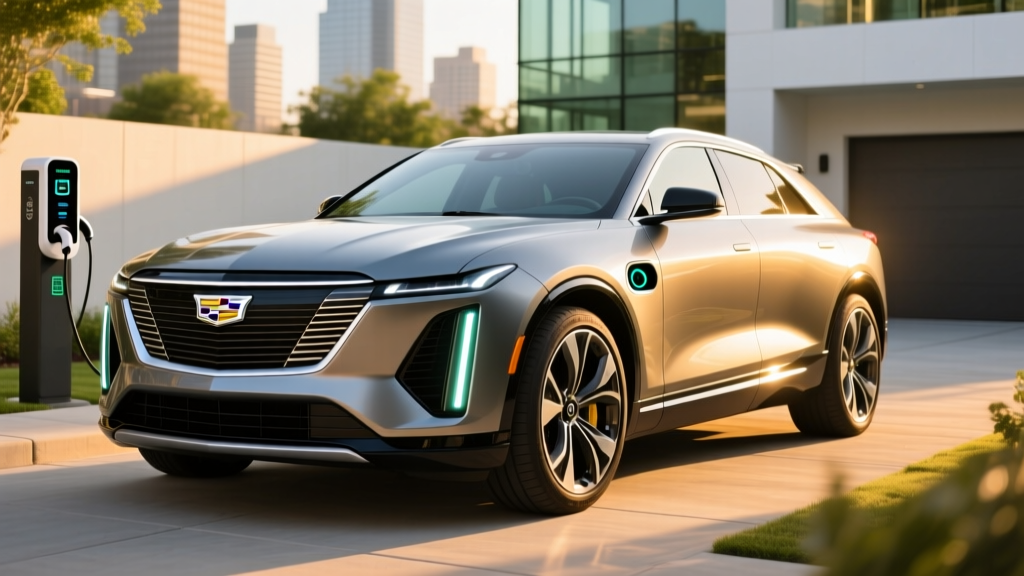
- Cadillac Lyriq: You want the same Ultium platform at a lower starting price (~$58,000) and don't need Acura's brand or tuning
- BMW iX: You want faster DC charging (up to 200+ kW sustained), a more refined AWD system, and don't mind a higher price
- Genesis Electrified GV70: You want a more compact luxury EV with 800V-class charging and a distinct interior aesthetic
Frequently Asked Questions
Does Acura make any other electric vehicles besides the ZDX?
Not yet for the US market. The ZDX is Acura's sole production EV as of 2026. Honda (Acura's parent company) has announced plans for additional electric models built on its own e:Architecture platform, but no specific Acura-badged EVs beyond the ZDX have confirmed US launch dates. Watch Acura's press site for updates.
Is the Acura ZDX eligible for the $7,500 federal tax credit?
Eligibility depends on several factors that change with IRS guidance: the battery's critical-mineral and component sourcing must meet annual thresholds, the buyer's adjusted gross income must fall under caps ($300,000 joint / $150,000 single), and the vehicle MSRP must be under $80,000 (the ZDX qualifies on price). Some ZDX builds may qualify for the full $7,500, a partial credit, or none at all depending on the manufacturing batch and purchase date. Always verify current eligibility on fueleconomy.gov and with a tax professional.
How does the ZDX compare to the Tesla Model X?
The Model X offers more range (up to 342 mi EPA), faster charging (250 kW peak), and access to the Supercharger network natively, but starts at roughly $80,000+ and uses falcon-wing doors that polarize buyers. The ZDX is quieter, has a more traditional luxury interior, and costs $10,000–$15,000 less. If NACS Supercharger access is your top priority, the ZDX's adapter gets you there — just carry the adapter.
What happens if the ZDX battery degrades significantly?
Acura's battery warranty guarantees the pack will retain at least 70% of original capacity for 8 years or 100,000 miles. Real-world data from similar Ultium-based vehicles and broader industry tracking suggests liquid-cooled NMC packs typically retain 85–92% after 100k miles with normal charging habits. To maximize longevity: avoid routinely charging to 100% (set daily limit to 80–85%), use DC fast charging sparingly, and precondition the battery in cold weather before charging.
Can I charge a ZDX at Tesla Superchargers?
Yes, using the NACS adapter that Acura provides or sells as an accessory. The ZDX's native port is CCS1, which works with Electrify America, EVgo, ChargePoint, and most non-Tesla networks. With the adapter, you gain access to Tesla's Supercharger network — the largest and most reliable in North America. Confirm adapter inclusion with your dealer, as availability has varied by model year and trim.