The Quick Answer: Where Acura Stands in the EV Market
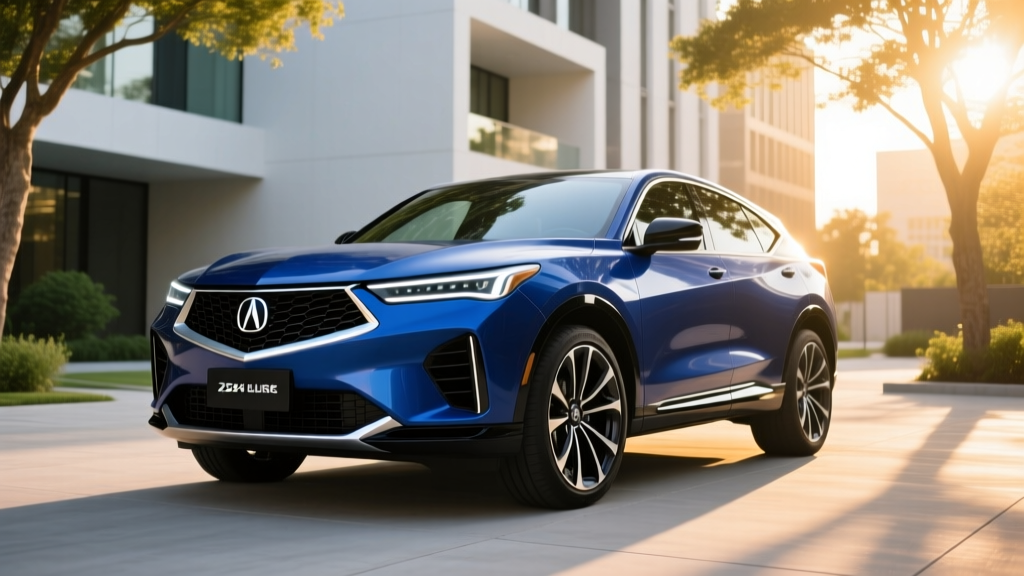
As of 2026, Acura offers one fully electric vehicle: the ZDX SUV, built on GM's Ultium platform. It delivers an EPA-estimated 313 miles of range (RWD A-Spec), a 102 kWh battery, and DC fast charging up to 190 kW (10–80% in roughly 27 minutes). Pricing starts at $44,995 before incentives. A second electric model, the Acura RSX coupe, is announced for late 2026/early 2027 but is not yet on sale. Acura's EV lineup is limited compared to Genesis or Tesla, but the ZDX is a credible luxury midsize SUV for buyers who want Honda reliability wrapped in premium trim with access to the Tesla Supercharger network.
If you're researching Acura electric vehicles, the ZDX is the only model you can buy today. It competes directly with the Cadillac Lyriq, Genesis Electrified GV70, BMW iX, and Tesla Model Y. Whether it's the right EV for you depends on your charging access, driving patterns, and how much weight you place on brand loyalty versus cutting-edge EV technology.
2026 Acura ZDX: Specs, Range, and Real-World Numbers
The ZDX is Acura's first ground-up electric vehicle, co-developed with General Motors and assembled on the Ultium platform that underpins the Cadillac Lyriq, Chevrolet Blazer EV, and GMC Sierra EV. Here's what the spec sheet looks like across the current trim lineup:
| Spec | ZDX A-Spec (RWD) | ZDX A-Spec (AWD) | ZDX Type S (AWD) |
|---|---|---|---|
| Base MSRP | $44,995 | $47,995 | $59,495 |
| Battery (usable) | 102 kWh (NMC) | 102 kWh (NMC) | 102 kWh (NMC) |
| EPA Range | 313 mi | 304 mi | 278 mi |
| Real-World Highway (~75 mph) | ~260–280 mi | ~250–270 mi | ~225–245 mi |
| Real-World Cold Weather (20°F) | ~220–250 mi | ~215–240 mi | ~195–215 mi |
| Horsepower | 358 hp | 490 hp | 500 hp |
| 0–60 mph | ~6.2 sec | ~5.0 sec | ~4.5 sec |
| Max DC Fast Charge | 190 kW | 190 kW | 190 kW |
| 10–80% DC Fast Charge | ~27 min | ~27 min | ~27 min |
| Level 2 Charge Rate | 19.2 kW | 19.2 kW | 19.2 kW |
| MPGe (combined) | 95 MPGe | 92 MPGe | 82 MPGe |
| Battery Warranty | 8 yr / 100,000 mi | 8 yr / 100,000 mi | 8 yr / 100,000 mi |
Sources: EPA fueleconomy.gov, Acura.com ZDX specifications.
EPA vs. Reality: The 313-mile EPA figure for the RWD A-Spec is a combined city/highway estimate. In real-world highway driving at 75 mph, expect closer to 260–280 miles before you hit the buffer. In cold weather (below freezing), lithium-ion chemistry loses efficiency and cabin heating draws significant power — plan for 220–250 miles of usable range. The Type S, with its larger wheels and performance tuning, sees the most aggressive real-world drop.
Charging the ZDX: Home, Public, and Supercharger Access
One of the ZDX's strongest selling points is its charging flexibility. It ships with a CCS1 connector natively, and Acura provides a NACS adapter, granting access to Tesla's Supercharger network — over 25,000 stalls in North America as of 2026. This is a significant advantage over CCS-only competitors that lack Supercharger access without third-party adapters.
| Charging Level | Power | Connector | Miles Added per Hour | Best For |
|---|---|---|---|---|
| Level 1 (120V household) | ~1.4 kW | J1772 (included cable) | ~4 mi/hr | Overnight trickle, emergencies |
| Level 2 (240V home) | Up to 19.2 kW | J1772 | ~55–65 mi/hr | Daily home charging |
| DC Fast Charge | Up to 190 kW | CCS1 or NACS (adapter) | ~500+ mi/hr (peak) | Road trips, quick top-ups |
The ZDX supports up to 19.2 kW on Level 2, which is higher than many competitors (the Tesla Model Y caps at 11.5 kW). At 19.2 kW, a full 0–100% charge takes roughly 6 hours. However, you need a 100-amp dedicated circuit to achieve this rate — most homes will need a panel evaluation by a licensed electrician.
Charging curve reality: The 190 kW peak is not sustained. Like all EVs, the ZDX charges fastest between 10–40% State of Charge (SoC), then tapers progressively. Expect the 10–80% session to average around 130–150 kW, which is why the full 10–80% time is ~27 minutes rather than the ~18 minutes a sustained 190 kW would theoretically deliver. Charging above 80% slows dramatically — plan your road-trip stops to leave at 80% rather than topping off.
Cost Breakdown: ZDX vs. Acura MDX (Gas) Over 5 Years
The most common question from Acura loyalists: does going electric actually save money compared to the gas-powered MDX? Let's run the numbers over a 5-year, 60,000-mile ownership period.
| Cost Category | 2026 ZDX A-Spec AWD | 2026 Acura MDX A-Spec (AWD) |
|---|---|---|
| Base MSRP | $47,995 | $54,950 |
| Federal Tax Credit (§30D) | Up to $7,500* | $0 |
| Effective Purchase Price | ~$40,495 | $54,950 |
| Fuel/Energy (60k mi, home charging) | ~$3,600 (12¢/kWh avg) | ~$8,100 ($3.60/gal, 22 MPG) |
| Maintenance (5 years) | ~$1,200 | ~$3,800 |
| Insurance (5-year avg) | ~$11,500 | ~$9,500 |
| Estimated Depreciation (5 yr) | ~$22,000 | ~$24,000 |
| Total 5-Year Cost | ~$78,795 | ~$100,350 |
Key takeaways:
- The ZDX starts at a lower MSRP than the MDX and may qualify for the §30D federal tax credit (up to $7,500), dramatically reducing effective cost.
- Home charging at $0.12/kWh yields a fuel cost of roughly $0.06/mile, versus $0.14/mile for the MDX at $3.60/gallon.
- EV maintenance is significantly lower — no oil changes, fewer brake replacements (regen braking saves pads), no transmission fluid.
- Insurance premiums for the ZDX run 15–25% higher than the MDX, a common EV ownership reality driven by repair costs and parts pricing.
*Tax credit caveat: The §30D credit has income caps ($150K single / $300K joint AGI), MSRP caps ($80K for SUVs), and critical mineral / battery sourcing requirements that change annually. The ZDX currently qualifies, but always verify on IRS.gov before purchasing. Point-of-sale transfer is available — you can apply the credit at the dealership rather than waiting for tax filing.
Common Misconceptions About Acura Electric Vehicles
| Myth | Fact |
|---|---|
| "The ZDX is just a rebadged Chevy." | The ZDX shares the Ultium battery platform with GM vehicles but has unique suspension tuning, interior materials, software interface, and Acura's signature design language. The driving experience is distinct. |
| "I'll need to replace the battery in 5 years." | Modern NMC batteries like the ZDX's 102 kWh pack are engineered for 1,000+ charge cycles with minimal degradation. Real-world data from similar Ultium-platform vehicles shows ~5–8% capacity loss at 100,000 miles. Acura's warranty covers defects and capacity below 70% for 8 years/100,000 miles. |
| "I can't take it on road trips." | With 304 miles EPA (AWD) and access to both Electrify America and Tesla Supercharger networks, the ZDX handles road trips well. A 300-mile leg requires one 25-minute DC fast-charge stop — comparable to a gas stop plus bathroom break. |
| "Home charging requires a full panel upgrade." | Not necessarily. A standard 48-amp Level 2 charger (11.5 kW) works on a 60-amp circuit, which most modern 200-amp panels can support. A 19.2 kW charger does need a 100-amp circuit — get an electrician's assessment before assuming you need a $3,000+ panel upgrade. |
| "Acura's EV tech is behind Tesla." | On software and autonomy, yes — Acura's infotainment and driver-assist (AcuraWatch) are less advanced than Tesla's ecosystem. On build quality, ride comfort, and dealer service infrastructure, Acura has advantages. It depends on your priorities. |
Who Should (and Shouldn't) Buy the Acura ZDX
Choose the Acura ZDX if:
- You have home charging access (garage or driveway with 240V outlet or hardwired charger) — this is the single biggest factor in EV satisfaction.
- You want a premium midsize SUV with a quiet cabin, comfortable ride, and Acura's dealer network for service.
- You value Supercharger access via NACS adapter for road-trip flexibility.
- Your daily commute is under 80 miles round-trip, meaning you'll rarely need public charging.
- You want to reduce your monthly fuel cost by 50%+ compared to a gas MDX or RDX.
Look elsewhere if:
- You cannot charge at home and rely entirely on public charging — the ZDX's 190 kW peak charge rate is adequate but not class-leading (the Hyundai Ioniq 5 peaks at 240 kW).
- You live in a cold climate and need maximum range — the ZDX's real-world winter range of ~220 miles (RWD) may require frequent charging on longer commutes. Consider a heat-pump-equipped competitor or a PHEV.
- You want cutting-edge software, OTA updates, or autonomous driving features — Tesla's ecosystem and GM's Super Cruise hands-free driving (available on other Ultium vehicles but not the ZDX) are more advanced.
- You need three rows of seating — the ZDX is a two-row SUV. The Kia EV9 or Tesla Model X offer three rows in the electric segment.
What's Next: The Announced Acura RSX Electric
Acura has confirmed the return of the RSX nameplate as a fully electric coupe, expected to arrive in late 2026 or early 2027. Details remain preliminary, but the RSX is expected to ride on a next-generation Honda-developed EV platform (not GM's Ultium), signaling Acura's long-term commitment to in-house electric development.
No official specs have been released. Range, pricing, and performance figures are not yet confirmed — treat any numbers circulating on forums as speculative. We'll update this guide when Acura publishes official data.
Frequently Asked Questions
Does the Acura ZDX qualify for the $7,500 federal tax credit?
As of 2026, the ZDX qualifies for up to $7,500 under IRS §30D, but eligibility depends on your adjusted gross income (under $150K single / $300K joint), the vehicle's MSRP (under $80K for SUVs — all ZDX trims qualify), and battery sourcing requirements. The credit can be transferred at the point of sale, reducing your purchase price directly. Always verify current eligibility on IRS.gov before purchasing.
How much does it cost to install a home charger for the ZDX?
A Level 2 home charger installation typically costs $500–$2,500 depending on your electrical panel. If you have a 200-amp panel with available capacity, a 48-amp charger install runs $800–$1,200 (equipment + electrician + permit). If you want the full 19.2 kW rate, you'll need a 100-amp dedicated circuit, which may require a panel upgrade adding $1,500–$3,000. Get a quote from a licensed electrician before purchasing your charger.
Can I use Tesla Superchargers with the ZDX?
Yes. The ZDX ships with a CCS1 port, and Acura provides a NACS adapter that enables access to Tesla's Supercharger network (V3 and V4 stalls). You'll charge at the stall's maximum rate up to the ZDX's 190 kW ceiling. Note that some older V2 Superchargers (150 kW) will charge the ZDX at their full rate, which is still a fast session.
How does the ZDX compare to the Cadillac Lyriq?
Both ride on GM's Ultium platform with the same 102 kWh battery. The Lyriq offers slightly more range (314 mi EPA, RWD) and a more luxurious interior, but starts at a higher price ($52,990 for 2026). The ZDX undercuts on price, offers Supercharger access via adapter, and has a sportier driving character, especially in Type S trim. If price is the priority, the ZDX wins. If interior opulence matters more, the Lyriq edges ahead.
What happens if the ZDX battery degrades significantly?
Acura's battery warranty covers capacity below 70% of original for 8 years or 100,000 miles. Based on data from similar Ultium-platform vehicles, expect roughly 5–8% degradation at 100,000 miles — well within the warranty threshold. Full battery replacement (rarely needed) costs approximately $15,000–$20,000 out of warranty, though prices are expected to decline as battery manufacturing scales.
Is the ZDX good in snow and cold weather?
The AWD trims (A-Spec AWD and Type S) perform well in snow, with instant electric torque providing confident traction. However, cold weather reduces range by 15–30% due to battery chemistry and cabin heating demands. The ZDX does not include a standard heat pump (it uses resistive heating), which is less efficient than competitors equipped with heat pumps. Preconditioning the battery while plugged in helps mitigate cold-weather range loss.