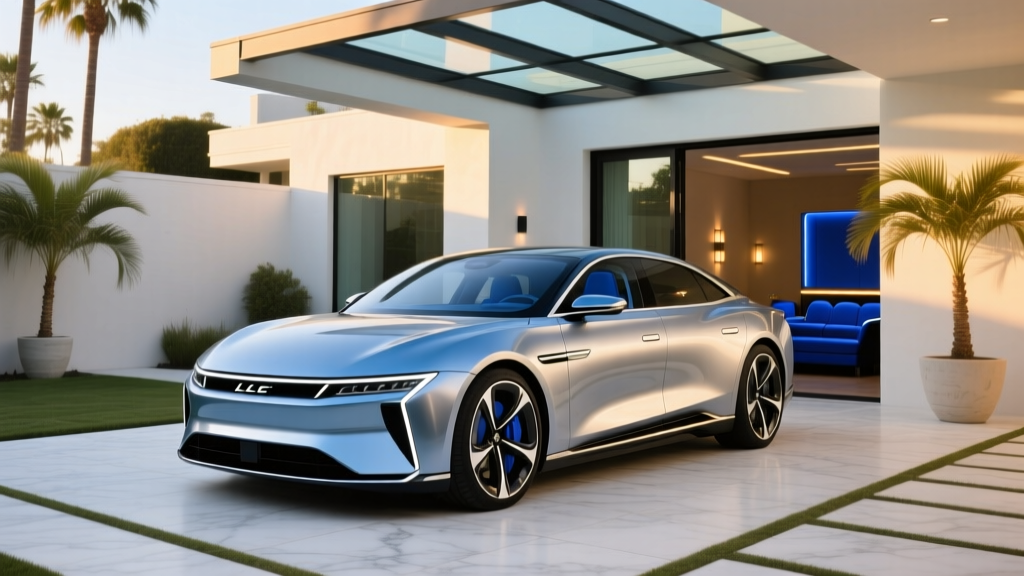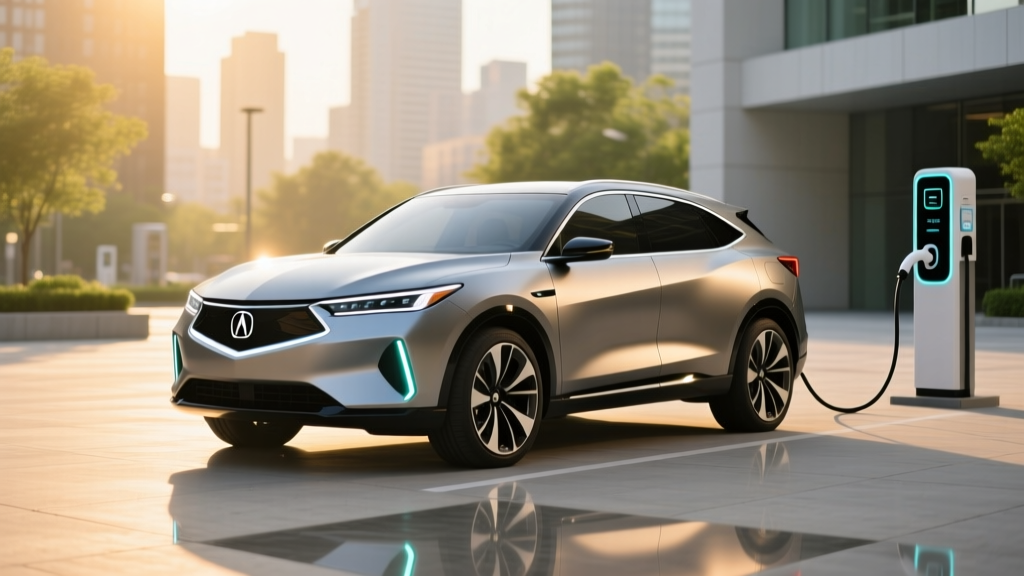
Acura's first all-electric vehicle, the ZDX, is ending production. Honda confirmed in mid-2025 that the Acura ZDX discontinuation is final—no direct electric successor is planned under the Acura badge for the 2027 model year. For shoppers who had the ZDX on their shortlist, and for current owners wondering about long-term support, the news raises immediate questions about range, charging, residual values, and where to pivot next.
This review covers the final 2025/2026 model-year ZDX in full detail—EPA range, battery chemistry, DC fast-charge performance, real-world efficiency, tax-credit eligibility, and how it stacks up against the alternatives you should consider now.
Quick Verdict: Is the ZDX Still Worth It?
The Acura ZDX (built on GM's Ultium platform alongside the Cadillac Lyriq) delivers competitive range, comfortable highway cruising, and a premium cabin. Its discontinuation doesn't make it a bad vehicle—it makes it a value play if dealers discount remaining inventory, but a risk if you prioritize long-term parts availability and strong resale. If you find one at a steep discount and plan to keep it 5+ years, the ZDX can still be a smart buy. If resale value and brand EV commitment matter to you, the alternatives below are safer bets.
Range, Battery & Efficiency: The Numbers That Matter
| Spec | ZDX A-Spec (RWD) | ZDX Type S (AWD) |
|---|---|---|
| EPA Range | 313 miles | 278 miles |
| Battery (usable) | 102 kWh (NMC) | 102 kWh (NMC) |
| Chemistry | Nickel Manganese Cobalt (NMC) | Nickel Manganese Cobalt (NMC) |
| MPGe (combined) | 94 MPGe | 86 MPGe |
| Efficiency | 36 kWh/100 mi | 39 kWh/100 mi |
| Drivetrain | Single-motor RWD | Dual-motor AWD |
| Horsepower | 358 hp | 500 hp |
| 0-60 mph | ~6.0 sec | ~4.5 sec |
The ZDX uses GM's Ultium NMC pouch cells—energy-dense and proven in the Cadillac Lyriq and Chevrolet Blazer EV. NMC chemistry offers higher energy density than LFP but benefits from keeping daily charge limits around 80–90% to slow long-term degradation. The 102 kWh usable capacity is generous and provides a meaningful buffer for aging over a 10-year ownership cycle.
Charging Speed: DC Fast, Level 2 & What to Expect
| Charging Level | Power / Rate | Speed / Time |
|---|---|---|
| Level 1 (120V) | ~1.4 kW | ~3–4 mi/hr |
| Level 2 (240V, home) | 11.5 kW (48A) | ~28 mi/hr, full charge in ~10 hrs |
| DC Fast Charge (peak) | 190 kW | 10–80% in ~30 min |
| DC Fast Charge (sustained avg) | ~130–150 kW | 20–80% in ~35 min |
The ZDX peaks at 190 kW on DC fast chargers—adequate but not class-leading. For context, the Hyundai Ioniq 5 peaks at 240 kW and the Tesla Model Y at 250 kW. The ZDX's charge curve holds near peak only between roughly 10–40% SoC, then tapers progressively. Above 80%, charging slows dramatically to protect the NMC cells—expect 80–100% to take an additional 25+ minutes, which is why road-trip strategy should target 10–80% stops.
At home on a Level 2 charger (11.5 kW / 48 amps), a full overnight charge takes about 10 hours—perfectly adequate for daily replenishment. If your electrical panel supports a 60-amp circuit, you'll get the full 11.5 kW rate. Homes with older 100-amp panels may need an upgrade ($1,500–$3,000) to support this. Per fueleconomy.gov, the ZDX's efficiency of 36–39 kWh/100 mi means home charging costs roughly $0.10–$0.14 per mile depending on your local electricity rate.
Pricing, Tax Credits & the Discontinuation Discount Opportunity
| Trim | Base MSRP | Est. As-Tested | Federal Credit Potential |
|---|---|---|---|
| ZDX A-Spec (RWD) | $65,850 | $67,000–$69,000 | Up to $7,500* |
| ZDX A-Spec (AWD) | $69,850 | $71,000–$73,000 | Up to $7,500* |
| ZDX Type S (AWD) | $74,850 | $76,000–$79,000 | Up to $7,500* |
*Federal EV tax credit eligibility under IRS §30D depends on multiple requirements that change frequently. Key criteria include:
- MSRP cap: SUVs must have an MSRP at or below $80,000 (all ZDX trims qualify)
- Buyer income cap: AGI must not exceed $150K single / $300K joint filers
- Battery sourcing: Critical minerals and battery components must meet phased-in percentages from U.S. or FTA-partner countries (GM's Ultium sourcing has been evolving—verify current-year compliance at purchase)
- Point-of-sale transfer: Eligible buyers can apply the credit as a down-payment reduction at the dealer
Discontinuation discount opportunity: With the ZDX ending production, dealers holding remaining new inventory may offer substantial discounts—potentially $5,000–$10,000 off MSRP depending on market. Combined with the $7,500 federal credit (if eligible), effective pricing could drop into the mid-$50K range for the A-Spec RWD, making it a compelling value against competitors priced $10K+ higher.
Interior, Cargo & Technology
The ZDX cabin is a premium two-row SUV with materials and build quality consistent with Acura's positioning. Key dimensions:
- Cargo volume: 27.6 cu ft (rear seats up) / 56.7 cu ft (rear seats folded)
- Rear legroom: 38.2 inches
- Front headroom: 39.5 inches
- Infotainment: 11.3-inch touchscreen with Google Built-In (Maps, Assistant, Play Store)
- Driver display: 11.0-inch digital instrument cluster
- Audio: Available 18-speaker Bang & Olufsen premium system
Standout tech: Google Built-In navigation with native EV route planning and charge-station integration, wireless Apple CarPlay/Android Auto, available Super Cruise-compatible hardware (though Acura did not enable hands-free Super Cruise on the ZDX—a notable omission vs. the Cadillac Lyriq). The AcuraWatch suite includes adaptive cruise control, lane-keeping assist, blind-spot monitoring, and rear cross-traffic braking.
Notable drawbacks: No front trunk (frunk)—the Ultium platform packaging sacrifices this space. No hands-free highway driving assist. Rear visibility is compromised by the sloping roofline; a digital rearview mirror helps but isn't standard on all trims. Infotainment learning curve for those unfamiliar with Google Automotive OS.
Warranty & Long-Term Ownership Considerations
Acura backs the ZDX with:
- Limited vehicle warranty: 4 years / 50,000 miles
- Powertrain warranty: 6 years / 70,000 miles
- Battery warranty: 8 years / 100,000 miles (retains ≥70% capacity)
The battery warranty is industry-standard. NMC degradation on the Ultium platform has tracked well in the Cadillac Lyriq—early data suggests approximately 5–8% capacity loss over the first 60,000 miles under normal use, with degradation slowing significantly after the initial break-in period.
Discontinuation concern: Acura/Honda is obligated to maintain parts supply for a minimum period (typically 10 years for safety and emissions components). Body panels, trim pieces, and model-specific components may become harder to source after 3–5 years. Mechanical and electrical components shared with the GM Ultium platform (battery modules, drive units, charge hardware) will remain supported through GM's broader supply chain, which is a significant advantage over a fully bespoke platform.
ZDX vs. the Competition: Where to Pivot
| Spec | Acura ZDX A-Spec | Cadillac Lyriq | Genesis GV70 EV | Tesla Model Y LR |
|---|---|---|---|---|
| EPA Range | 313 mi | 314 mi | 236 mi | 320 mi |
| Battery | 102 kWh NMC | 102 kWh NMC | 77.4 kWh NMC | ~75 kWh NMC |
| DC Fast Charge | 190 kW | 190 kW | 240 kW | 250 kW |
| 10–80% Time | ~30 min | ~30 min | ~18 min | ~17 min |
| 0–60 mph | 6.0 sec | 6.3 sec | 4.5 sec | 5.0 sec |
| Base MSRP | $65,850 | $58,590 | $68,050 | $47,990 |
| Hands-Free ADAS | No | Yes (Super Cruise) | No | No (FSD Supervised) |
Choose the Cadillac Lyriq if: You want the same Ultium platform with hands-free Super Cruise capability, similar range, and a lower starting price—with ongoing manufacturer commitment.
Choose the Tesla Model Y if: You prioritize charging speed (250 kW + Supercharger network), the lowest price point, and the strongest resale value in the EV segment.
Choose the Genesis GV70 EV if: You want the most luxurious interior and fastest DC charging, but can accept shorter range (236 mi EPA) and a higher price.
Pros and Cons: The Honest Summary
- 313-mile EPA range (RWD) is competitive for the class
- Premium cabin quality with Google Built-In integration
- Comfortable ride and low NVH—excellent highway cruiser
- Shared Ultium platform means battery/drivetrain parts remain available via GM
- Discontinuation may unlock deep dealer discounts
- 102 kWh battery provides long-term degradation headroom
- 190 kW DC fast charging is slower than class leaders (240–350 kW)
- No hands-free driving assist (Super Cruise not enabled)
- No frunk—lost cargo utility
- Discontinuation creates resale-value uncertainty
- Acura-specific body/trim parts may become scarce long-term
- High starting MSRP vs. Tesla Model Y and Cadillac Lyriq
Who Is the ZDX For?
The ZDX best suits daily commuters and weekend road-trippers who value ride comfort and cabin refinement over outright charging speed or cutting-edge driver assistance. It works well for two-row families (the cargo area accommodates strollers and groceries easily) but isn't ideal for those needing three rows or frequent long-distance towing (no official tow rating published). If you have reliable home Level 2 charging and your daily driving is under 80 miles, the ZDX's range is more than sufficient, and you'll rarely need DC fast charging beyond occasional road trips.
Frequently Asked Questions
Why is Acura discontinuing the ZDX?
Honda (Acura's parent) is restructuring its EV strategy. The ZDX was built on GM's Ultium platform as a bridge vehicle while Honda develops its own dedicated EV architecture. Honda has announced plans for next-generation EVs on its own platform, but no Acura-badged electric successor has been confirmed for the near term.
Will I still get parts and service for a discontinued ZDX?
Yes, for the foreseeable future. Federal law and manufacturer policy require parts support for at least 10 years. Critical drivetrain and battery components are shared with GM's Ultium platform (Cadillac Lyriq, Chevy Blazer EV), ensuring a broad supply chain. Acura-specific cosmetic and trim parts may become harder to source after several years.
Does the Acura ZDX qualify for the $7,500 federal EV tax credit?
It may, depending on your income, the vehicle's MSRP (all trims fall under the $80K SUV cap), and current-year battery-sourcing compliance under IRS §30D rules. Battery-sourcing requirements have been tightening annually—confirm eligibility with your dealer and a tax professional at the time of purchase, as rules can change mid-year.
What is the real-world range of the Acura ZDX?
The EPA rates the A-Spec RWD at 313 miles. In real-world highway driving at 70–75 mph, expect approximately 265–280 miles. In cold weather (below 30°F), plan for 220–240 miles. The Type S AWD (278 EPA) delivers roughly 235–250 highway and 195–215 in winter conditions.
How does ZDX charging speed compare to competitors?
At 190 kW peak, the ZDX is slower than the Hyundai Ioniq 5 (240 kW), Tesla Model Y (250 kW), and Porsche Macan EV (270 kW). Its 10–80% time of ~30 minutes is adequate but adds 10–12 minutes per stop versus the fastest-charging competitors on a road trip.
Should I buy a ZDX now or wait for Acura's next EV?
If you find a significant discontinuation discount ($5K–$10K off MSRP) and plan to drive the vehicle 5+ years, the ZDX is a solid EV with proven Ultium underpinnings. If you want long-term brand commitment, strong resale, and the latest ADAS features, the Cadillac Lyriq (same platform, Super Cruise, ongoing production) or Tesla Model Y are lower-risk choices. Acura has not announced a timeline for a replacement EV.