Quick Answer: Is the Acura RSX Electric SUV Available Now?
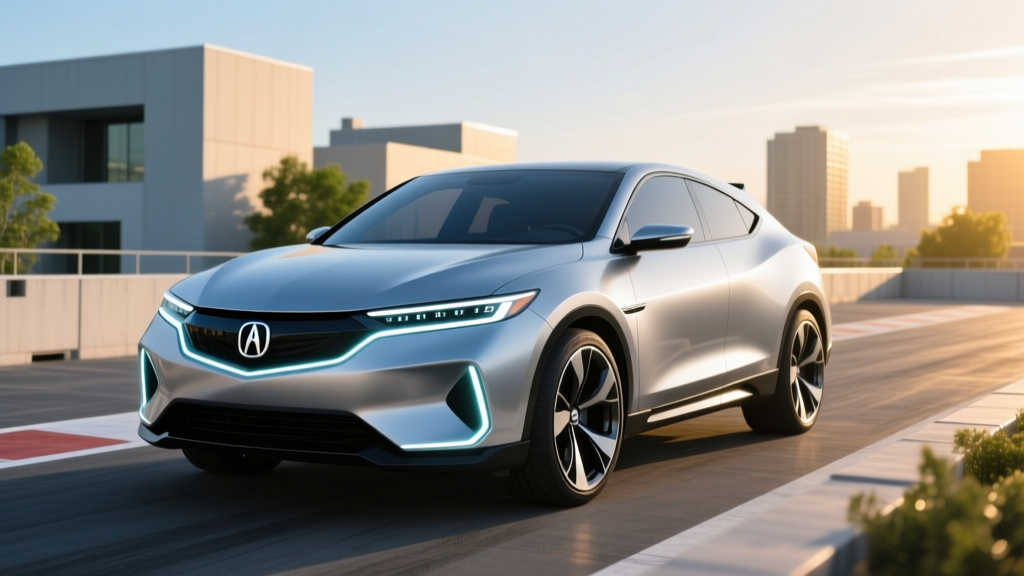
As of early 2026, the Acura RSX electric SUV remains an announced but not-yet-on-sale vehicle. Acura has confirmed an all-electric performance SUV bearing the RSX nameplate, built on Honda's new dedicated EV architecture. Final EPA range, pricing, and battery specs are preliminary. Based on Acura's disclosures and platform benchmarks, expect a target EPA range of 300–320 miles, a usable battery around 85–100 kWh, DC fast charging up to ~200–250 kW peak, and a starting MSRP in the $50,000–$60,000 range before incentives. Production timing points to late 2026 or early 2027 for customer deliveries. If you're shopping now, the closest current Acura EV alternative is the ZDX, built on GM's Ultium platform.
What Is the Acura RSX Electric SUV?
The Acura RSX nameplate returns from the early-2000s compact coupe lineage, but this time it's reborn as a battery-electric performance crossover. Honda confirmed the RSX EV as a flagship model for its new in-house EV platform — distinct from the GM Ultium-based ZDX — signaling a shift toward Honda-developed battery-electric architecture for the North American market.
This matters for buyers because Honda's proprietary platform promises a different approach to thermal management, structural battery integration, and software-defined vehicle controls compared to the current ZDX. The RSX electric SUV is positioned as a sport-oriented alternative to the Tesla Model Y Performance, BMW iX3, Genesis GV60, and the upcoming electric Porsche Macan.
Expected Specs: Range, Battery, and Charging
Because the RSX electric SUV has not received final EPA certification, the following figures are preliminary estimates based on Honda's platform disclosures, competitive segment benchmarks, and industry reporting. Treat these as directional, not final.
| Specification | Estimated Figure | Segment Benchmark |
|---|---|---|
| EPA Range (target) | 300–320 mi | Tesla Model Y LR: 310 mi |
| Battery Capacity (usable) | ~85–100 kWh | BMW iX xDrive50: 105.2 kWh usable |
| Battery Chemistry | Likely NMC (nickel-manganese-cobalt) | Standard for performance EVs |
| Peak DC Fast Charge Rate | 200–250 kW | Genesis GV60: 240 kW peak |
| 10–80% DC Fast Charge Time | ~20–28 min (est.) | Hyundai Ioniq 5: ~18 min at 240 kW |
| Level 2 AC Charging | 11.5–19.2 kW onboard charger | Ford Mustang Mach-E: 10.5 kW |
| 0–60 mph | ~4.5–5.5 sec (AWD performance) | Tesla Model Y Perf: 3.5 sec |
| Horsepower | ~350–450 hp (dual motor AWD) | BMW iX3: 286 hp |
| Starting MSRP (est.) | $50,000–$60,000 | Tesla Model Y LR: ~$48,990 |
| Drivetrain | Dual-motor AWD (SH-AWD likely) | Acura ZDX Type S: dual-motor AWD |
| Battery/Powertrain Warranty | 8 yr / 100,000 mi (expected) | Federal minimum for EVs |
Real-World Range Reality Check
If Acura hits a 310-mile EPA sticker, plan for approximately 250–275 miles on sustained highway driving at 70–80 mph, and 210–240 miles in sub-freezing winter conditions (below 32°F). Cold weather reduces lithium-ion efficiency and increases cabin heating demand. Acura's platform is expected to include a heat pump, which mitigates but does not eliminate winter range loss. Preconditioning the battery while plugged in before departure recovers some range and enables faster DC charging in cold weather.
Charging at Home and on the Road
Charging infrastructure is the single biggest ownership variable for any EV, and the RSX electric SUV will be no exception. Here's what the charging landscape looks like for a vehicle in this class:
| Charging Level | Power (kW) | Miles of Range Added Per Hour | Typical Use Case |
|---|---|---|---|
| Level 1 (120V household) | 1.4 kW | ~4–5 mi/hr | Overnight trickle; emergency only |
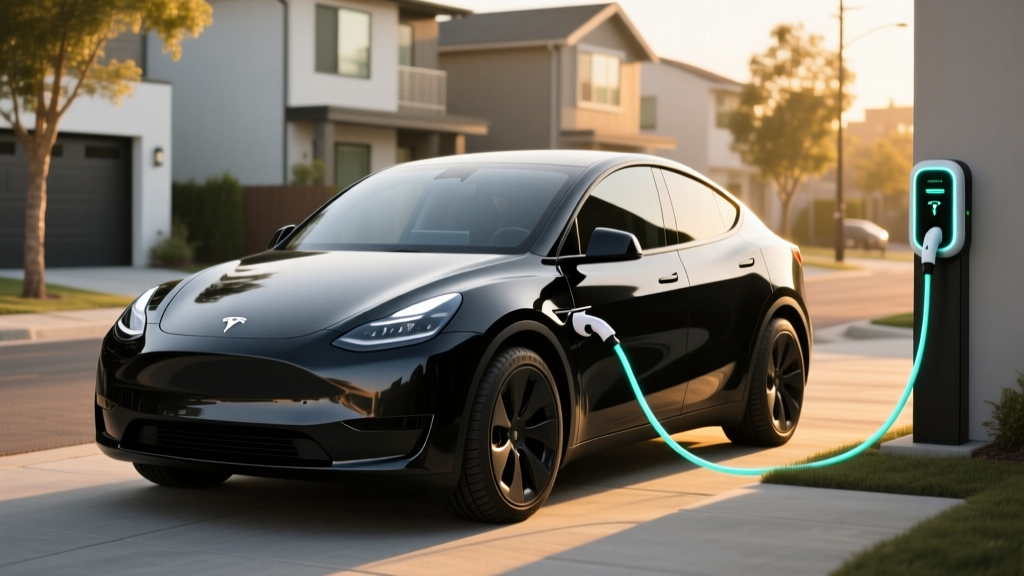
| Level 2 (240V home/public) | 11.5–19.2 kW | ~35–60 mi/hr | Daily home charging; full overnight refill |
| DC Fast Charge | 200–250 kW (peak) | ~600–800 mi/hr (at peak) | Road trips; 10–80% in ~20–28 min |
kW vs. kWh reminder: kW (kilowatts) measures the rate of power flow — think of it as the speed of water through a hose. kWh (kilowatt-hours) measures total energy stored — the size of the bucket. A 250 kW charger fills an 85 kWh battery quickly, but only at peak; the charge curve tapers significantly above 80% state of charge (SoC) to protect battery longevity.
Home Charging Installation Costs
Most RSX buyers will want a Level 2 home charger. Budget the following:
| Item | Cost Range |
|---|---|
| Level 2 EVSE hardware (40–48A) | $400–$750 |
| Electrician labor (240V circuit run) | $500–$2,000 |
| Permit and inspection | $50–$250 |
| Electrical panel upgrade (if needed, 200A) | $1,500–$3,500 |
| Total (no panel upgrade) | $950–$3,000 |
| Total (with panel upgrade) | $2,450–$6,500 |
Always hire a licensed electrician to evaluate your panel capacity. A 48-amp charger requires a 60-amp dedicated circuit. Homes with older 100-amp panels often need an upgrade before adding an EV load.
RSX Electric SUV vs. Gas and Hybrid Alternatives
How does an electric Acura RSX compare to what you might already drive — or what else you could buy? Let's run the numbers against a typical compact luxury gas SUV and a plug-in hybrid alternative.
| Category | Acura RSX EV (est.) | Gas Luxury SUV (e.g., BMW X3) | PHEV (e.g., BMW X3 xDrive30e) |
|---|---|---|---|
| Base MSRP | $55,000 | $48,000 | $52,000 |
| Federal Tax Credit (§30D) | Up to $7,500* | $0 | Up to $7,500* |
| Fuel/Energy Cost (5 yr, 75,000 mi) | $4,500–$6,000 | $9,500–$11,000 | $6,000–$8,000 |
| Maintenance (5 yr) | $1,500–$2,500 | $4,000–$5,500 | $3,500–$5,000 |
| Insurance (5 yr avg.) | $9,000–$12,000 | $7,500–$10,000 | $8,000–$10,500 |
| Estimated 5-Year Total | $62,500–$68,000 | $69,000–$74,500 | $62,000–$68,000 |
*Federal §30D tax credit eligibility depends on buyer income caps ($150K single / $300K joint), vehicle MSRP caps ($80K for SUVs), battery critical-mineral sourcing, and final assembly requirements. Rules are subject to change. Consult IRS.gov or a tax professional. Point-of-sale transfer may be available at the dealership.
The RSX EV's higher upfront price is offset by lower energy and maintenance costs over time. Electric motors require no oil changes, spark plugs, or transmission fluid. Brake pad life extends significantly thanks to regenerative braking. However, EV insurance premiums tend to run 15–25% higher than equivalent gas vehicles due to repair complexity and battery replacement costs.
Federal Tax Credit and Incentive Eligibility
The §30D Clean Vehicle Credit can reduce the effective price of the Acura RSX electric SUV by up to $7,500 — but only if several conditions are met simultaneously:
- MSRP Cap: Vehicle must be under $80,000 for SUVs/trucks/vans (the RSX should qualify at an estimated $50–$60K base).
- Buyer Income Cap: Modified AGI must not exceed $150,000 (single), $225,000 (head of household), or $300,000 (joint filers).
- Final Assembly: Vehicle must be assembled in North America. Honda's Ohio EV production hub should satisfy this requirement.
- Battery Sourcing: Battery components and critical minerals must meet escalating domestic/free-trade-agreement sourcing thresholds. Honda's new battery plant partnerships are designed to meet these requirements, but exact compliance depends on model year and supply chain specifics at time of delivery.
- Point-of-Sale Transfer: Eligible buyers can transfer the credit to the dealer at purchase, reducing the out-of-pocket price immediately rather than waiting for tax filing.
State and utility incentives vary widely and are not covered here. Check your state's energy office and local utility for additional rebates on the vehicle, home charger, or electricity rate plans. Always verify current rules at IRS.gov.
Common Misconceptions About the RSX Electric SUV
| Myth | Fact |
|---|---|
| "It's available now at dealers." | The RSX electric SUV is announced/preliminary as of 2026. The current Acura EV on sale is the ZDX (GM Ultium platform). |
| "EV batteries need replacing every 5 years." | Modern NMC batteries are engineered for 1,000–2,000+ charge cycles. Acura is expected to warranty the battery for 8 years/100,000 miles with a capacity retention threshold (typically 70%). Real-world degradation for similar platforms averages 10–15% over 8 years. |
| "I can charge it at any station." | Connector compatibility matters. Honda has committed to the NACS (Tesla-style) connector for new EVs starting in 2025, so the RSX will likely ship with NACS. This grants access to Tesla Superchargers natively, plus Electrify America, EVgo, and others via adapter or native CCS compatibility at those networks. |
| "The EPA range is exactly what I'll get." | EPA range is a laboratory estimate. Highway driving at 75 mph, cold weather, mountain grades, and aggressive acceleration all reduce real-world range by 10–30%. |
| "It qualifies for the full $7,500 credit automatically." | Credit eligibility depends on your income, the vehicle's battery sourcing compliance, and MSRP — all subject to annual rule changes. Never assume full credit without checking. |
Decision Framework: Should You Wait or Buy Now?
Wait for the Acura RSX Electric SUV if:
- You want a Honda-engineered EV platform (not GM Ultium) with Acura's SH-AWD performance tuning.
- You can drive your current vehicle another 12–18 months without financial strain.
- You prioritize sport-tuned handling and Acura brand identity over immediate availability.
- Your daily commute is under 60 miles and you have reliable home charging — so range isn't urgent.
Buy Now (consider the Acura ZDX or a competitor) if:
- Your current vehicle is costing more in repairs than its value, or safety features are outdated.
- You need an EV within 6 months for a lease expiration, relocation, or lifestyle change.
- You want confirmed EPA range, tested charging speeds, and verified §30D tax credit eligibility today.
- You're comparing the ZDX Type S ($60K+ MSRP, ~300 mi EPA range, GM Ultium platform) and want Acura luxury immediately.
What First-Time EV Buyers Must Know
If the RSX electric SUV will be your first EV, prepare for these ownership realities:
Home charging access is essential. Public-only charging is viable but expensive ($0.30–$0.50/kWh at DC stations vs. $0.10–$0.16/kWh at home) and time-consuming. If you rent or live in a condo without charging access, solve that problem before buying any EV.
Plan road trips around charging. Apps like A Better Routeplanner and PlugShare map DC fast chargers along your route. At 200–250 kW peak, the RSX should add roughly 150–200 miles of range in a 20-minute stop — adequate for highway travel but not equivalent to a 5-minute gas fill-up.
Understand the charge curve. DC fast charging peaks only between roughly 10–50% SoC. Above 80%, the rate drops dramatically (sometimes below 50 kW) to protect the battery. Road-trip strategy: charge from 10% to 80% and go, rather than waiting for a full 100%.
Budget for insurance. EV insurance premiums average 15–25% higher than equivalent gas vehicles. Get quotes before purchasing — some insurers offer EV-specific discounts.
Frequently Asked Questions
When will the Acura RSX electric SUV go on sale?
Honda has targeted late 2026 or early 2027 for the RSX electric SUV's market debut. Exact timing depends on production ramp at Honda's Ohio EV hub. Check Acura.com for updates.
Will the RSX electric SUV use NACS or CCS?
Honda has committed to adopting the NACS (North American Charging Standard) connector for its new EVs, meaning the RSX should ship with NACS natively. This provides direct access to Tesla's Supercharger network, which is the largest and most reliable DC fast-charging network in the U.S.
How much will it cost to charge the RSX at home per month?
At the U.S. average residential electricity rate of ~$0.16/kWh (as of 2025, per EIA), and assuming 1,000 miles/month at ~3.0 mi/kWh efficiency, expect roughly $50–$55/month in home charging costs. Compare that to $130–$160/month in gasoline for a 25 MPG gas SUV at $3.50/gallon.
Is the Acura RSX EV the same as the ZDX?
No. The current Acura ZDX is built on General Motors' Ultium platform. The RSX electric SUV will be built on Honda's proprietary EV architecture, developed in-house. They are distinct vehicles with different engineering, battery systems, and expected driving characteristics.
What happens if the battery degrades significantly?
Acura is expected to provide an 8-year/100,000-mile battery warranty with a capacity retention floor (likely 70% of original capacity). If the battery falls below that threshold within the warranty period, Acura would repair or replace it at no cost. Out-of-warranty battery replacement for a pack this size currently ranges from $10,000–$18,000 depending on labor and parts availability — a cost to factor into long-term ownership planning.