Quick Answer: The 2026 Acura ZDX is Acura's all-electric SUV, built on GM's Ultium platform. It offers up to 313 miles of EPA-estimated range (RDX-sized, rear-wheel drive), peaks at 190 kW DC fast charging (10–80% in ~31 minutes), and starts at approximately $64,500 MSRP. The high-performance ZDX Type S trades range for 500 hp and a 283-mile EPA estimate at ~$73,500. Federal §30D tax credit eligibility depends on battery sourcing, buyer income, and MSRP caps — check current IRS rules before purchasing, as sourcing requirements have tightened for 2026.
The Acura EV SUV Lineup: What's Available in 2026
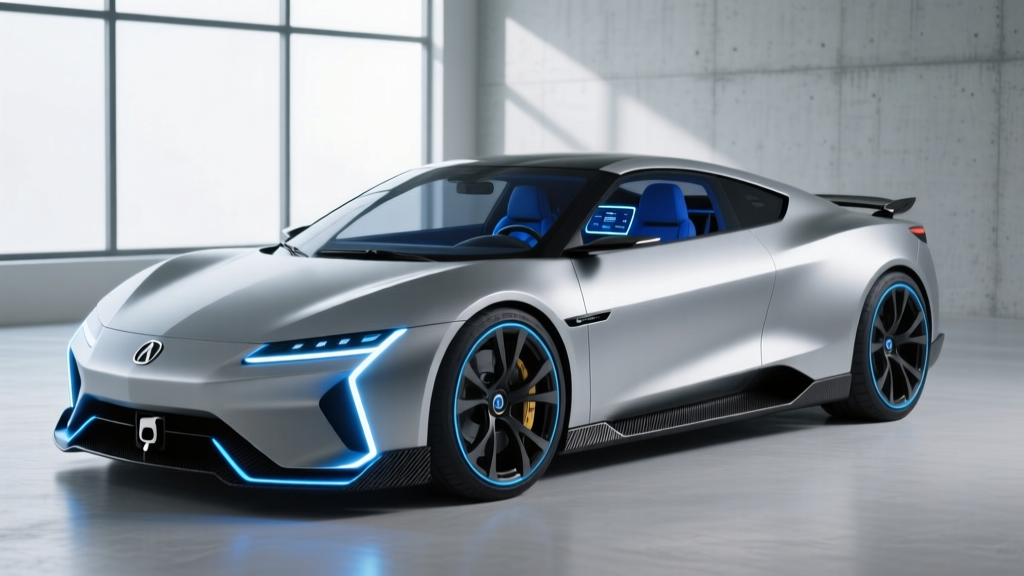
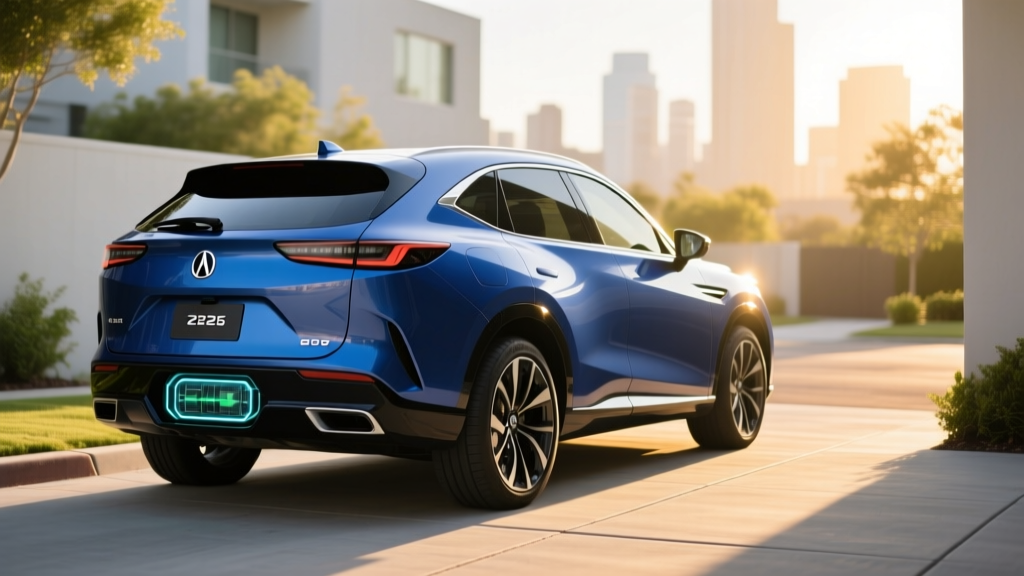
Acura's electric transition centers on the ZDX, a midsize luxury crossover that shares its Ultium underpinnings with the Cadillac Lyriq and Chevrolet Blazer EV. For 2026, the ZDX is available in two primary configurations: the standard A-Spec trim (single-motor RWD or dual-motor AWD) and the performance-oriented Type S (dual-motor AWD with a sport-tuned suspension and upgraded brakes).
Acura has also signaled a smaller electric SUV to slot below the ZDX — potentially carrying the RDX nameplate — but as of early 2026, that model remains announced/preliminary with no confirmed specs or on-sale date. If you're shopping now, the ZDX is the only Acura EV SUV you can drive home.
| Spec | ZDX A-Spec RWD | ZDX A-Spec AWD | ZDX Type S AWD |
|---|---|---|---|
| EPA Range | 313 mi | 304 mi | 283 mi |
| Battery (usable) | ~102 kWh (NMC) | ~102 kWh (NMC) | ~102 kWh (NMC) |
| Horsepower | 358 hp | 490 hp | 500 hp |
| 0–60 mph | ~6.1 sec | ~4.7 sec | ~4.2 sec |
| Peak DC Fast Charge | 190 kW | 190 kW | 190 kW |
| 10–80% DC Charge Time | ~31 min | ~31 min | ~31 min |
| Level 2 (240V) Rate | 11.5 kW | 11.5 kW | 11.5 kW |
| Base MSRP | ~$64,500 | ~$68,500 | ~$73,500 |
| Battery Warranty | 8 yr / 100,000 mi | 8 yr / 100,000 mi | 8 yr / 100,000 mi |
Sources: fueleconomy.gov, Acura Newsroom. Real-world range is typically 85–92% of EPA at sustained highway speeds; cold weather (below 32°F) can reduce range by 15–30% depending on cabin heating demand and whether the ZDX's heat pump is active.
Real-World Range vs. the EPA Sticker
The EPA numbers above are useful baselines, but your actual experience will vary based on driving style, terrain, and climate. In mixed suburban/highway testing at 70–75 mph with climate control active, expect the RWD A-Spec to deliver roughly 265–285 miles before needing a charge. The Type S, with its stickier tires and higher output, typically returns 240–260 miles in similar conditions.
Range Reality Check: EPA 313 mi (A-Spec RWD) → Expect ~265–285 mi real-world highway. In sub-freezing temperatures without preconditioning, plan for 220–250 mi. The ZDX uses an NMC (nickel-manganese-cobalt) battery chemistry, which offers higher energy density than LFP but is more sensitive to extreme cold.
For road trips, the 190 kW peak charge rate means you can add roughly 150–170 miles in a 20-minute stop at a functioning DC fast charger — but only if the battery is preconditioned and the station can actually deliver that power. Above 80% state of charge, the ZDX tapers significantly, dropping to under 60 kW. This is normal charge-curve behavior, but it means charging from 80–100% can take as long as 10–80%. Plan your stops around the 10–80% window for efficiency.
Acura ZDX vs. Gas Acura MDX: Cost Comparison
Most Acura shoppers cross-shop the ZDX against the gas-powered MDX. Here's how the numbers stack up over five years of ownership, assuming 12,000 miles/year, $3.50/gallon regular fuel, and $0.14/kWh average home electricity:
| Category | ZDX A-Spec AWD (EV) | MDX A-Spec (Gas) |
|---|---|---|
| Base MSRP | $68,500 | $62,000 |
| Est. Federal Tax Credit (§30D) | $0–$7,500* | $0 |
| Fuel/Energy (5 yr, 60k mi) | ~$5,880 (home charging) | ~$10,500 (22 MPG combined) |
| Maintenance (5 yr) | ~$1,200 | ~$3,800 |
| Insurance (5 yr avg) | ~$12,500 | ~$10,200 |
| Est. Depreciation (5 yr) | ~$28,000 | ~$22,000 |
| Total 5-Yr Cost (pre-credit) | ~$116,080 | ~$108,500 |
| Total 5-Yr Cost (max credit) | ~$108,580 | ~$108,500 |
*§30D credit eligibility depends on battery critical-mineral sourcing, buyer AGI (≤$150k single / ≤$300k joint), and MSRP caps ($80,000 for SUVs). The ZDX's eligibility has shifted as GM adjusted battery supply chains. Verify current status at fueleconomy.gov or with your tax professional.
The ZDX breaks even with the MDX around year 3–4 if you qualify for the full credit and charge primarily at home. Without the credit, the EV costs roughly $7,500 more over five years — a premium you're paying for instant torque, a quieter cabin, and lower tailpipe emissions (though upstream electricity generation varies by region).
Home Charging: What You Actually Need
The ZDX's 11.5 kW Level 2 onboard charger means a full charge from empty takes roughly 9.5 hours on a 48-amp, 240V circuit. For daily driving of 30–50 miles, an overnight charge easily replenishes what you've used.
| Level | Power | Miles Added per Hour | Typical Use |
|---|---|---|---|
| Level 1 (120V) | ~1.4 kW | ~3–4 mi/hr | Emergency / trickle |
| Level 2 (240V, 48A) | 11.5 kW | ~30–34 mi/hr | Home / workplace |
| DC Fast Charge | Up to 190 kW | ~450+ mi/hr (peak) | Road trips |
Installation cost reality: A Level 2 home charger (like a ChargePoint Home Flex or Emporia Vue) runs $500–$700 for the unit. Professional installation by a licensed electrician typically adds $800–$2,500 depending on panel proximity, conduit length, and whether your electrical panel needs a 200-amp upgrade (an additional $1,500–$3,000 for older homes with 100-amp service). Total home charging setup: $1,300–$3,200 for most homes, potentially more if a panel upgrade is required.
If you live in an apartment or lack dedicated parking, public charging becomes your primary option. At Electrify America or EVgo stations, DC fast charging costs roughly $0.35–$0.48/kWh nationally, raising your per-mile energy cost to near or above gasoline equivalents. Factor this into your decision honestly.
Federal Tax Credit and Incentive Eligibility
The §30D clean vehicle credit offers up to $7,500, split into two halves: $3,750 for meeting critical-mineral sourcing thresholds and $3,750 for battery-component sourcing. For 2026, both thresholds have increased significantly under the Inflation Reduction Act's phase-in schedule, and many vehicles that qualified in 2024–2025 have lost partial or full eligibility.
- MSRP cap: Vehicle must be ≤$80,000 (SUVs, pickups, vans) — the ZDX clears this in most trims, but a fully loaded Type S with packages may approach the limit.
- Buyer income cap: Modified AGI ≤$150,000 (single) or ≤$300,000 (married filing jointly).
- Battery sourcing: Critical minerals and battery components must meet escalating domestic/free-trade-agreement percentages. GM's Ultium batteries have improved domestic sourcing, but verify the specific model year's status.
- Point-of-sale transfer: You can transfer the credit to the dealer at purchase for an immediate price reduction, rather than waiting to claim it on your tax return.
- Final assembly: Must occur in North America — the ZDX is assembled in Spring Hill, Tennessee, which qualifies.
Always confirm eligibility at the time of purchase. The IRS clean vehicle credit page and your tax professional are the definitive sources — dealer claims are not always accurate.
Common Misconceptions About the Acura ZDX
| Myth | Fact |
|---|---|
| "The ZDX gets 313 miles no matter what." | 313 mi is the EPA estimate for the RWD model under ideal conditions. Highway driving at 75+ mph, cold weather, and hilly terrain reduce this by 10–30%. |
| "It charges at 190 kW the whole time." | 190 kW is the peak rate, sustained only between roughly 10–40% SoC under ideal thermal conditions. Average rate over a 10–80% session is closer to 120–140 kW. |
| "EVs don't need any maintenance." | The ZDX still needs tire rotations, cabin air filter replacements, brake fluid checks, and wiper fluid. You save on oil changes, transmission fluid, and exhaust — but tires often wear faster due to instant torque and higher vehicle weight (~5,700 lbs). |
| "I'll save $7,500 no matter what." | Credit eligibility depends on sourcing, income, and MSRP. Many buyers receive $0, $3,750, or the full $7,500 depending on the model year's battery supply chain status. |
| "The battery will need replacing in 5 years." | NMC batteries in liquid-cooled packs like the Ultium platform typically retain 85–92% capacity after 100,000 miles. The 8-year/100,000-mile warranty covers defects and excessive degradation (below ~70% capacity). |
Decision Framework: Is the Acura ZDX Right for You?
Choose the Acura ZDX if:
- You have access to Level 2 home or workplace charging (this is the single biggest predictor of EV satisfaction).
- Your daily commute is under 80 miles round-trip, leaving ample range buffer for errands and detours.
- You value quiet, smooth acceleration and want a luxury cabin with Acura's latest tech (Google Built-in, 11-inch touchscreen, available Bang & Olufsen audio).
- You can verify §30D eligibility for your specific purchase year and income situation.
- You drive in moderate climates or can precondition the battery while plugged in to mitigate cold-weather range loss.
Consider the gas MDX or a PHEV alternative if:
- You lack reliable home or workplace charging and your area has sparse public DC fast-charging infrastructure.
- You regularly tow (the ZDX is rated for 3,500 lbs — adequate for a small trailer, but the MDX matches this without range penalty).
- You frequently drive 400+ mile road trips through regions with limited charging (rural Mountain West, parts of the Great Plains).
- Your budget is firm at $55,000–$60,000 and the tax credit doesn't apply to you.
Ownership Considerations: Insurance, Depreciation, and Long-Term Costs
EV insurance premiums run 15–25% higher than comparable gas vehicles, driven by higher repair costs (specialized body shops, battery-safe procedures) and elevated vehicle values. Expect to pay roughly $2,200–$2,800/year for the ZDX depending on your state, driving record, and coverage level. Get quotes before committing — the spread between insurers is often wider for EVs than for conventional cars.
Depreciation on luxury EVs has been steeper than on gas equivalents. Early ZDX models (2024) saw 40–50% value loss in the first two years, partly due to Tesla-initiated price wars pulling down all EV residuals and partly due to rapid model-year spec improvements making older versions less desirable. If you plan to keep the ZDX for 7+ years, this matters less. If you trade every 3 years, factor in higher depreciation as a real ownership cost.
On the maintenance side, budget roughly $200–$300/year for the basics: tire rotation and replacement (expect new tires every 25,000–35,000 miles given the ZDX's weight and torque), cabin filter, wiper blades, and brake fluid. You'll use the friction brakes far less thanks to regenerative braking, so pad and rotor replacement is rare in the first 80,000+ miles.
Frequently Asked Questions
Does the Acura ZDX qualify for the full $7,500 federal tax credit?
It depends on the model year and current battery sourcing rules. GM has progressively increased domestic and free-trade-partner sourcing for Ultium batteries, but the 2026 thresholds are stricter than prior years. Check the latest eligibility at fueleconomy.gov and confirm with your tax advisor before relying on the credit in your budget.
How long does it take to charge the ZDX at home?
On a properly installed 48-amp Level 2 charger (240V), a full charge from near-empty takes approximately 9.5 hours. For typical daily driving of 30–50 miles, you'll replenish that in 2–3 hours overnight — well within any sleep cycle.
Is the ZDX built by Honda or GM?
The current ZDX is built on General Motors' Ultium platform at the Spring Hill, Tennessee assembly plant. It shares its core architecture with the Cadillac Lyriq. Acura and Honda are developing their own dedicated EV platforms for future models, but the 2024–2026 ZDX is a GM-sourced vehicle with Acura-specific tuning, interior design, and technology.
How does the ZDX compare to the Cadillac Lyriq?
Both ride on the Ultium platform with similar battery capacity (~102 kWh usable) and charging hardware. The Lyriq starts lower (~$58,000) and offers a slightly larger cargo area. The ZDX differentiates with Acura's interior materials, chassis tuning (especially in Type S trim), and brand positioning. If you want maximum value on the Ultium platform, the Lyriq wins on price. If you want sportier handling and Acura's dealer experience, the ZDX justifies its premium.
Will the ZDX battery last?
Liquid-cooled NMC batteries on the Ultium platform are engineered for long life. GM and Acura warrant the battery for 8 years/100,000 miles against defects and capacity loss below a specified threshold (typically ~70% state of health). Real-world data from similar Ultium vehicles suggests 85–92% capacity retention at 100,000 miles with normal use patterns — meaning your 313-mile ZDX would still deliver roughly 265–290 miles of EPA-equivalent range a decade in.
Can I tow with the Acura ZDX?
Yes — the ZDX is rated for up to 3,500 lbs when properly equipped. However, towing significantly impacts range: expect a 30–50% reduction depending on trailer weight, aerodynamics, and speed. A 313-mile ZDX towing a 2,500-lb camper may realistically deliver 160–210 miles between charges. Plan accordingly and verify DC fast-charger availability along your route.