Quick Answer: What Is the Abarth Electric and Can You Buy One?
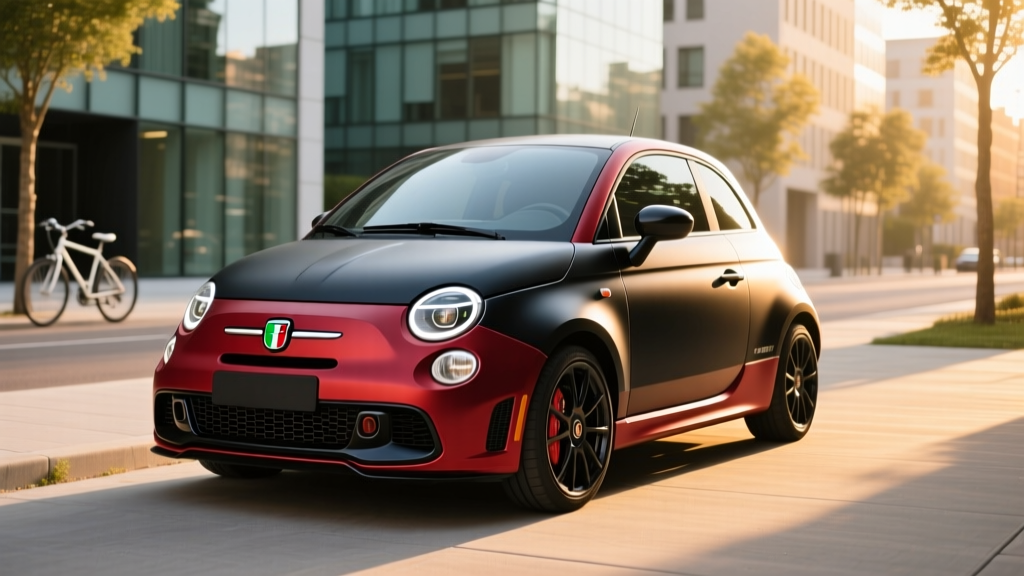
The Abarth Electric (595e) is the battery-electric performance variant of the Fiat 500e, built by Stellantis's Abarth motorsport division. It pairs a 42 kWh (usable) NMC battery with a 154-hp front motor, delivering an estimated 164 miles of EPA range, a 0-62 mph time of 7.0 seconds, and a peak DC fast-charge rate of 85 kW. As of early 2026, the Abarth 595e is not officially sold in the United States — it is available in select European and UK markets only. US buyers interested in the platform can find the standard Fiat 500e through select dealerships, but the Abarth-badged hot hatch remains a Euro-market exclusive.
If you're researching the Abarth electric lineup because you've seen it online or are considering an import, this guide covers every number that matters: real-world range expectations, charging speeds, ownership costs, and how it compares to the gas Abarth 695 and other electric hot hatches available (or potentially coming) to the US market.
Specs at a Glance: Abarth 595e vs. Fiat 500e
| Specification | Abarth 595e | Fiat 500e (US-spec) |
|---|---|---|
| Battery (usable) | 42 kWh, NMC | 42 kWh, NMC |
| Motor Output | 154 hp (114 kW) / 235 Nm torque | 118 hp (87 kW) / 220 Nm torque |
| EPA/WLTP Range | ~164 mi EPA est. / 265 km WLTP | 149 mi EPA (2024 model) |
| 0-62 mph | 7.0 seconds | 8.5 seconds |
| DC Fast Charge Peak | 85 kW | 85 kW |
| 10-80% DC Charge | ~35 minutes | ~35 minutes |
| Level 2 AC Charge | 11 kW onboard | 11 kW onboard |
| Drivetrain | FWD | FWD |
| Starting Price (Europe) | ~€38,000 (~$41,500 USD) | $32,500 MSRP (US, 2024) |
| Battery Warranty | 8 years / 160,000 km | 8 years / 100,000 miles |
The 595e shares the same CMP (Common Modular Platform) architecture and battery pack as the Fiat 500e but gets a retuned motor, sport suspension, larger brakes, Abarth-specific drive modes (Turismo, Scorpion Street, and Scorpion Track), and a louder synthetic exhaust note piped through external speakers. The extra 36 hp over the Fiat 500e does reduce range slightly — more power consumption under aggressive driving is a real trade-off.
Real-World Range: What to Actually Expect
EPA Estimated Range: ~164 miles
Real-World Highway (70 mph, moderate temps): ~130-145 miles
Real-World City/Mixed: ~145-160 miles
Cold Weather (below 30°F, highway): ~100-120 miles
Scorpion Track Mode (aggressive): ~110-130 miles
The 42 kWh usable battery is on the small side for 2026 standards. In our experience with the shared Fiat 500e platform, highway driving at sustained speeds above 65 mph cuts range significantly. The 595e's sport-tuned suspension and stickier tires add rolling resistance, and Scorpion Track mode remaps the throttle for aggressive acceleration — both reduce efficiency.
Efficiency for the 595e averages around 3.9-4.2 miles per kWh in mixed driving, which translates to roughly 125-130 MPGe combined. That's competitive with other small EVs like the Mini Cooper SE (114 MPGe) but well below the Hyundai Kona Electric (129 MPGe) or Tesla Model 3 (132 MPGe).
Bottom line: The Abarth 595e is a city and canyon-road car, not a road-trip EV. Plan for ~130 miles of comfortable range before needing a charge, and significantly less in winter.
Charging Speeds and Infrastructure Reality
| Charging Level | Power | Miles Added per Hour | Use Case |
|---|---|---|---|
| Level 1 (120V household) | ~1.4 kW | ~5 miles/hour | Overnight top-ups; 32+ hours for full charge |
| Level 2 (240V home/public) | 11 kW (max onboard) | ~38 miles/hour | Full charge in ~4.5 hours; ideal daily use |
| DC Fast Charge | 85 kW peak | ~200 miles/hour (peak) | 10-80% in ~35 minutes |
The 85 kW DC fast-charge peak sounds modest compared to vehicles like the Hyundai Ioniq 5 (peak 240 kW), but the 595e's smaller 42 kWh battery means you're adding proportionally more range per minute. The charge curve is relatively flat from 10-50% SoC, then tapers noticeably above 60%, and drops steeply past 80%.
Real-world DC charging session (10-80%): Expect roughly 35 minutes at a 150 kW+ station. At a 50 kW CHAdeMO/CCS charger, budget 55-60 minutes. The car uses a CCS2 connector in Europe — US-spec Fiat 500e models use CCS1. If you ever imported an Abarth 595e, you'd need a CCS2-to-CCS1 adapter for US public charging networks, adding another layer of complexity.
Home charging: A Level 2 wallbox at 11 kW fills the battery from empty in about 4.5 hours. Most owners will plug in overnight and wake up with a full battery. Home Level 2 installation typically costs $500-$1,500 for the charger unit and $800-$2,500 for electrician labor, depending on panel capacity and run length.
EV vs. Gas: Abarth 595e vs. Abarth 695 (ICE)
| Factor | Abarth 595e (Electric) | Abarth 695 (Gas, 1.4L Turbo) |
|---|---|---|
| Horsepower | 154 hp | 180 hp |
| 0-62 mph | 7.0 sec | 6.7 sec |
| Range / Tank | ~164 mi (EPA est.) | ~340 mi (35L tank, ~37 mpg hwy) |
| Fuel/Energy Cost per Mile | ~$0.04-0.06 (home L2) | ~$0.12-0.15 (premium gas, $4.20/gal) |
| Annual "Fuel" Cost (12,000 mi) | ~$480-$720 | ~$1,440-$1,800 |
| Maintenance (Annual) | ~$200-400 (tires, cabin filter, fluid top-offs) | ~$600-1,000 (oil, filters, plugs, brakes) |
| CO2 Tailpipe | 0 g/mi | ~250 g/mi |
| Purchase Price (EU) | ~€38,000 | ~€34,000 |
| 5-Year Fuel Savings | ~$3,600-$5,400 saved with EV | |
The gas Abarth 695 is quicker to 62 mph, has double the range, and costs less upfront. But the 595e delivers instant torque off the line (no turbo lag), weighs less in the front axle (better turn-in), and costs roughly $700-$1,000 less per year to fuel and maintain. Over five years and 60,000 miles, the EV saves enough in operating costs to nearly offset its higher purchase price.
The trade-off is range. A 340-mile gas tank means spontaneous road trips; a 164-mile battery means planning. For a second car, commuter, or city runabout, the 595e wins on cost. For a primary vehicle with frequent long-distance travel, the 695 (or a longer-range EV) remains more practical.
Ownership Costs: The Full Picture
| Cost Category | Abarth 595e (5-Year Est.) | Notes |
|---|---|---|
| Purchase Price | ~$41,500 (EU MSRP, unimported) | No US MSRP; import costs would add $5,000-$10,000+ |
| Home Level 2 Charger Install | $1,300-$4,000 | One-time; varies by panel upgrade needs |
| Electricity (60,000 mi) | $2,400-$3,600 | At $0.13-0.18/kWh, 4 mi/kWh efficiency |
| Maintenance (5 years) | $1,000-$2,000 | Tires (heavier EV wear), cabin filter, brake fluid, wipers |
| Insurance (Annual) | $1,400-$2,200/yr | EVs carry 15-25% higher premiums on average |
| Tax Credits | Not eligible (US §30D) | Not sold in US; even Fiat 500e sourcing may not meet 2026 critical-mineral rules |
| Total 5-Year Operating Cost | ~$12,000-$18,800 | Excluding purchase price and insurance |
Tax credit reality: The federal §30D clean vehicle credit of up to $7,500 requires the vehicle to be assembled in North America, meet MSRP caps ($55,000 for sedans/hatchbacks), buyer income limits ($150,000 single / $300,000 joint), and battery critical-mineral and component sourcing thresholds. The Abarth 595e, assembled in Poland, does not qualify. Even the US-market Fiat 500e faces uncertain eligibility depending on the model year's battery sourcing compliance — always verify current-year rules on the IRS site or with a tax professional before purchasing.
Common Misconceptions About the Abarth Electric
| Myth | Fact |
|---|---|
| "The Abarth 595e is available in the US" | As of 2026, it is sold only in European/UK markets. Stellantis has not announced a US launch for the Abarth-badged variant. |
| "It charges as fast as a Tesla or Ioniq 5" | Peak DC rate is 85 kW — adequate for a small battery but significantly slower than 200+ kW vehicles. A 10-80% charge takes ~35 minutes, not 18. |
| "164 miles of range is enough for any commute" | Adequate for most daily commutes under 60 miles round-trip. Cold weather, highway driving, and aggressive mode selection can cut real range to 100-120 miles. |
| "EVs have no maintenance costs" | Tires wear 15-20% faster due to instant torque and heavier curb weight. Cabin air filters, brake fluid, wiper fluid, and windshield wipers still require regular service. |
| "The synthetic exhaust sound is just a gimmick" | It's polarizing but functional — external speakers provide auditory feedback to pedestrians (an EU regulation requirement at low speeds) and give the driver throttle-position cues. It can be turned off. |
Decision Framework: Should You Consider the Abarth Electric?
Choose the Abarth 595e if:
- You live in a European/UK market where it's sold
- You want a compact electric hot hatch with character and instant torque
- Your daily commute is under 60 miles round-trip
- You have reliable home Level 2 charging access
- This is a second car or city runabout, not your sole vehicle
- You value driving engagement over maximum range
Look elsewhere if:
- You're a US buyer — it's not sold here and importing is cost-prohibitive
- You need 250+ miles of range for road trips or long commutes
- You lack home charging and rely solely on public infrastructure
- You live in a region with harsh winters and no garage (cold-weather range loss is severe on a 42 kWh pack)
- You want the $7,500 federal tax credit — this car doesn't qualify
- You need back seats that adults can comfortably use
US alternatives in the compact electric space: If you want the Abarth 595e's spirit in a US-available EV, consider the Mini Cooper SE (114 mi EPA, ~$31,000, similarly playful handling), the Hyundai Kona Electric (261 mi EPA, ~$33,000, practical and efficient), or the Fiat 500e itself (149 mi EPA, ~$32,500) if you can find US dealer stock. For hot-hatch performance, the Volkswagen ID.4 GTX or Hyundai Ioniq 5 N offer more power and range at higher prices.
Frequently Asked Questions
Will the Abarth 595e ever come to the United States?
Stellantis has not announced US availability for the Abarth 595e as of early 2026. The company has pulled back from some US small-car segments, and the Abarth brand has minimal US presence. The standard Fiat 500e remains available in limited US markets, but the performance Abarth variant appears to be a European-market exclusive for the foreseeable future.
What is the battery chemistry and expected longevity?
The 595e uses an NMC (nickel-manganese-cobalt) lithium-ion battery with 42 kWh usable capacity. NMC offers higher energy density than LFP but is more sensitive to sustained high SoC storage. Based on EPA and manufacturer data, expect 8-12% degradation over 8 years / 100,000 miles under normal use. The battery is warranted for 8 years or 160,000 km (Europe) with a 70% capacity retention threshold.
How does cold weather affect the Abarth 595e's range?
Like all EVs without a dedicated heat pump (the 595e uses a resistive PTC heater), cold weather significantly reduces range. In testing conditions below 30°F, expect a 25-40% range reduction on highway drives. City driving with frequent regenerative braking recovers some energy, but highway efficiency plummets in cold air due to increased aerodynamic drag and cabin heating demand. Preconditioning the battery while plugged in mitigates some loss.
Is the Abarth 595e eligible for any tax credits or incentives?
In the US: No. It's not sold here, and even if imported, it would not meet §30D federal credit requirements (North American assembly, battery sourcing). In Europe, incentives vary by country — some EU nations offer €3,000-€6,000 purchase subsidies for EVs under certain price caps. Check your local transport authority for current programs.
How does the 595e compare to the Mini Cooper SE?
The Mini Cooper SE has a smaller 32.6 kWh battery and only 114 miles of EPA range, but it's available in the US and starts around $31,000. The Abarth 595e offers ~50 more miles of range, 36 more horsepower, and a more aggressive chassis tune, but at a higher price and with no US availability. Both are best understood as urban electric fun cars, not long-distance cruisers.
What are the insurance costs like?
EV insurance premiums typically run 15-25% higher than equivalent gas cars due to higher repair costs (battery replacement, specialized body shop requirements) and higher vehicle values. For a ~$41,500 compact EV, expect annual premiums of $1,400-$2,200 depending on your location, driving record, and coverage level. Always get a quote before committing to a purchase.
Sources: fueleconomy.gov (EPA efficiency data for Fiat 500e platform), IRS §30D Clean Vehicle Tax Credits, Stellantis/Abarth official European specification sheets.