Quick Answer: Best 7 Seat Electric Cars Right Now
The most capable 7 seat electric cars on sale in 2026 are the Kia EV9 (EPA range up to 304 miles, starting ~$54,900), the Tesla Model X (up to 326 miles, starting ~$79,990), the Rivian R1S (up to 352 miles with Max Pack, starting ~$75,900), and the Volkswagen ID. Buzz (EPA range ~234 miles, starting ~$59,995). For buyers who need a usable third row and 300+ miles of range without a six-figure price tag, the Kia EV9 currently offers the strongest balance of space, charging speed, and value in the segment.
Finding a genuine 7 seat electric car used to mean spending over $80,000 or settling for a cramped third row. That's changed. A new wave of three-row EVs now competes directly with the gas-powered family haulers — the Toyota Grand Highlander, Kia Telluride, and Honda Pilot — on interior space while undercutting them on running costs. But not every three-row EV is equally practical. Range, charging speed, third-row usability, and real-world ownership economics vary significantly across the lineup.
This guide breaks down every 7 seat electric car currently on sale, with exact EPA data, real-world range expectations, charging curves, and a five-year cost comparison so you can decide which model fits your family's driving patterns and budget.
The 2026 7 Seat Electric Car Lineup: Spec Comparison
These are the battery-electric vehicles currently available in the U.S. with a factory third-row seat. We've excluded plug-in hybrids like the Mazda CX-90 PHEV and Chrysler Pacifica Hybrid to focus purely on BEVs.
| Vehicle | Base MSRP | EPA Range | Battery (kWh) | Max DC Charge (kW) | 10–80% Time | 0–60 mph | HP |
|---|---|---|---|---|---|---|---|
| Kia EV9 (LR RWD) | $54,900 | 304 mi | 100.0 kWh (NMC) | 236 kW | ~24 min | 7.7 sec | 201 |
| Kia EV9 (LR AWD) | $63,900 | 282 mi | 100.0 kWh (NMC) | 236 kW | ~24 min | 5.0 sec | 379 |
| Tesla Model X (LR) | $79,990 | 326 mi | 100 kWh (NMC) | 250 kW | ~22 min | 3.8 sec | 670 |
| Rivian R1S (Dual Standard) | $75,900 | 270 mi | 95 kWh (NMC) | 220 kW | ~27 min | 4.5 sec | 533 |
| Rivian R1S (Dual Max) | $82,400 | 352 mi | 141 kWh (NMC) | 220 kW | ~38 min | 4.5 sec | 533 |
| VW ID. Buzz (RWD) | $59,995 | 234 mi | 91 kWh (NMC) | 175 kW | ~26 min | 7.9 sec | 282 |
| VW ID. Buzz (AWD) | $69,995 | 231 mi | 91 kWh (NMC) | 175 kW | ~26 min | 5.7 sec | 335 |
Sources: EPA / fueleconomy.gov, manufacturer specifications. Range figures are EPA estimates; real-world results vary. MSRP excludes destination charges.
Real-World Range: What You'll Actually Get
EPA stickers don't tell the whole story. In sustained highway driving at 70–75 mph, expect most three-row EVs to deliver 80–88% of their EPA range. Add cold weather (below 32°F), and range can drop an additional 15–30% depending on whether the vehicle has a heat pump.
Here's what that translates to in practice:
- Kia EV9 LR RWD (304 mi EPA): Expect ~255–270 miles on a highway road trip in mild weather; ~200–225 miles in freezing temperatures. The EV9's standard heat pump helps mitigate cold-weather losses better than most competitors.
- Tesla Model X LR (326 mi EPA): Expect ~275–290 miles highway in summer; ~230–250 miles in winter. Tesla's thermal management remains class-leading.
- Rivian R1S Dual Max (352 mi EPA): Expect ~295–310 miles highway; ~250–275 miles cold. The massive 141 kWh pack provides a buffer, but the R1S's boxy shape and 6,800-pound curb weight hurt efficiency at speed.
- VW ID. Buzz (234 mi EPA): Expect ~195–210 miles highway; ~160–180 miles cold. The ID. Buzz's range is the weakest in this group — fine for school runs and day trips, tight for long-distance towing or mountain passes.
For families who regularly drive 200+ miles in a single stretch — think ski weekends, holiday visits, or vacation road trips — the Rivian R1S Max Pack and Tesla Model X provide the most comfortable margin. If your longest typical drive is under 180 miles round trip, the Kia EV9 or ID. Buzz will suffice with planning.
Charging Speed and Public Network Access
A family EV needs to charge fast on road trips and conveniently at home. Here's how these models stack up across charging levels:
| Charging Level | Kia EV9 | Tesla Model X | Rivian R1S | VW ID. Buzz |
|---|---|---|---|---|
| Level 1 (120V / 1.4 kW) | ~4 mi/hr | ~4 mi/hr | ~4 mi/hr | ~3 mi/hr |
| Level 2 (240V / 11.5 kW) | ~30 mi/hr | ~34 mi/hr | ~28 mi/hr | ~24 mi/hr |
| DC Fast (peak kW) | 236 kW | 250 kW | 220 kW | 175 kW |
| 10–80% DCFC time | ~24 min | ~22 min | ~27 min (Std) / ~38 min (Max) | ~26 min |
| Connector | NACS (2025+) | NACS (native) | NACS (2025+) | CCS1 |
Charge curve reality check: Peak kW is not sustained kW. Every EV tapers charging speed as the battery fills. The Kia EV9, for example, peaks near 236 kW around 20–30% SoC but drops to ~100 kW by 70% and ~50 kW by 85%. That 10–80% time of ~24 minutes assumes you arrive at the charger with a preconditioned battery at low SoC. If you plug in at 40% SoC, the average speed drops and the session takes longer.
Connector compatibility matters. As of 2025, the industry has largely standardized on NACS (the Tesla connector). The Kia EV9, Rivian R1S, and Tesla Model X all use NACS natively or via adapter, granting access to Tesla's Supercharger network — the largest and most reliable DC fast-charging network in North America. The VW ID. Buzz still uses CCS1, which limits it to Electrify America, EVgo, and other networks. Reliability on CCS networks has improved, but NHTSA and independent surveys still show Tesla Superchargers leading in uptime.
Home charging is essential for three-row EV owners. These are large batteries — 91 to 141 kWh. On a standard 120V outlet (Level 1), fully recharging a Rivian R1S Max Pack from empty would take over 4 days. A Level 2 home charger (240V, 48-amp circuit) is practically mandatory. Expect $800–$2,000 for a quality Level 2 unit and professional installation, or $2,500–$5,000+ if your electrical panel needs an upgrade to 200A service.
Third-Row Space and Cargo Practicality
Not all third rows are created equal. Here's how these 7 seat electric cars compare for actual human usability:
- Tesla Model X: The most spacious third row in the group, with adequate headroom for adults on shorter trips. Cargo behind the third row is ~15 cu ft — enough for a couple of carry-ons. Fold the third row and you get ~44 cu ft.
- Rivian R1S: The third row fits children and smaller adults comfortably; taller adults will find it cramped beyond 30 minutes. Cargo behind the third row is ~11 cu ft. The front trunk (frunk) adds ~11 cu ft of sealed storage, which helps offset the tight rear cargo area.
- Kia EV9: The third row accommodates adults for moderate distances — one of the best in the class for headroom and seat cushion height. Cargo behind the third row is ~20 cu ft, the largest in this group. Total cargo with all rows folded: ~81 cu ft.
- VW ID. Buzz: The third row is upright and best suited for children. Cargo behind the third row is limited (~13 cu ft in the standard wheelbase), though the boxy shape makes loading easier. The long-wheelbase version (available in select markets) improves cargo slightly.
Bottom line: If your third row will regularly carry adults, the Tesla Model X and Kia EV9 are the clear leaders. If it's primarily for kids on school carpools, the Rivian and VW work well. Always test-fit your specific car seats and strollers before buying — EV floor heights and battery packaging create cargo shapes that differ from gas-powered SUVs.
EV vs. Gas: Five-Year Cost of Ownership
The purchase price of a 7 seat electric car is typically higher than a comparable gas SUV. But running costs tell a different story. Here's a five-year comparison between the Kia EV9 LR AWD and the Kia Telluride SX-Prestige (a common cross-shop):
| Cost Category | Kia EV9 LR AWD | Kia Telluride SX-Prestige (Gas) |
|---|---|---|
| MSRP (approx.) | $63,900 | $52,000 |
| Federal tax credit (§30D)* | –$3,750 to $7,500 | $0 |
| Effective purchase price | ~$56,400–$60,150 | $52,000 |
| Fuel/energy (5 yrs, 60k mi) | ~$3,200–$4,800 | ~$8,100 |
| Maintenance (5 yrs) | ~$1,200 | ~$3,400 |
| Insurance (5 yrs avg.) | ~$11,500 | ~$9,200 |
| Estimated 5-yr total cost | ~$72,300–$77,650 | ~$72,700 |
*Federal tax credit eligibility depends on buyer income (≤$150K single / ≤$300K joint), vehicle MSRP caps ($80K for SUVs), battery sourcing requirements, and point-of-sale transfer rules. Check current IRS §30D guidelines before purchasing. Credit amounts vary by model year and sourcing compliance.
Key takeaways from this comparison:
- Energy savings are real. Charging at home at the national average of ~$0.16/kWh costs roughly $0.05–$0.07 per mile for the EV9. The Telluride at 21 MPG combined with gas at $3.40/gallon costs ~$0.16 per mile. Over 60,000 miles, that's a $3,300–$4,900 savings for the EV.
- Maintenance savings are significant. No oil changes, no transmission fluid, no spark plugs, and regenerative braking extends brake pad life. Expect ~65% lower maintenance costs over five years.
- Insurance costs more for EVs. Higher repair costs, specialized parts, and battery replacement risk push EV insurance premiums 15–25% above gas equivalents. Shop quotes before buying.
- Break-even is close. With the tax credit, the five-year total cost of the EV9 nearly matches the Telluride. Without the credit, the EV costs ~$4,000–$5,000 more over five years — a premium you're paying for performance, quietness, and lower emissions.
Federal Tax Credit: What 7 Seat EV Buyers Need to Know
§30D Clean Vehicle Credit checklist for 2026:
- Vehicle MSRP must not exceed $80,000 (SUVs/vans) or $55,000 (sedans)
- Buyer AGI must not exceed $150,000 (single), $225,000 (head of household), or $300,000 (joint)
- Battery components and critical minerals must meet phased-in sourcing requirements (increasing percentages each year)
- Credit is up to $7,500 — split into $3,750 for battery components and $3,750 for critical minerals; many 2026 models qualify for only one half
- Credit can be transferred to the dealer at point of sale as an immediate price reduction
- Vehicle must be assembled in North America (VIN check required)
As of early 2026, the Kia EV9 qualifies for a partial credit ($3,750) due to battery sourcing requirements. The Tesla Model X qualifies for $7,500 in eligible configurations. The Rivian R1S qualifies for $3,750–$7,500 depending on battery pack and sourcing. The VW ID. Buzz's eligibility depends on its battery supply chain — check the DOE's qualifying vehicle list for current status.
State incentives can stack on top. California, Colorado, Massachusetts, and other states offer additional rebates of $1,000–$5,000. These vary by jurisdiction, income, and vehicle price — consult your state's energy office for current programs.
Common Misconceptions About 7 Seat Electric Cars
| Myth | Fact |
|---|---|
| "EV batteries need replacing every 5 years" | Modern NMC and LFP batteries are warrantied for 8 years/100,000 miles (10 years/150,000 in California and CARB states) against falling below 70% capacity. Real-world data shows most packs retain 85–92% capacity at 100,000 miles. Full replacement, if needed, costs $12,000–$22,000 depending on the model. |
| "You can't road trip in a 3-row EV" | The Rivian R1S Max Pack (352 mi EPA) and Tesla Model X (326 mi) can cover most interstate routes with a single 20–25 minute DC fast-charge stop every 2.5–3 hours. With the Supercharger and NACS networks, charging stops align with rest breaks on family trips. |
| "Home charging is too expensive to install" | A basic Level 2 installation on an existing 200A panel costs $800–$1,500. Even with a panel upgrade, costs rarely exceed $4,000. Over five years, the fuel savings alone offset the installation cost for most drivers covering 12,000+ miles annually. |
| "EVs don't work in cold climates" | Range drops 15–30% in sub-freezing temperatures, but preconditioning (warming the battery while plugged in) recovers much of the loss. EVs with heat pumps — including the EV9, Model X, and R1S — maintain cabin heating efficiency far better than older resistive-heater EVs. Owners in Minnesota, Colorado, and Maine drive EVs year-round. |
| "All 7 seat EVs are over $80,000" | The Kia EV9 starts at $54,900. The VW ID. Buzz starts at $59,995. Both undercut the average transaction price of a fully loaded gas-powered three-row SUV when factoring in fuel and maintenance savings. |
Decision Framework: Which 7 Seat Electric Car Fits You?
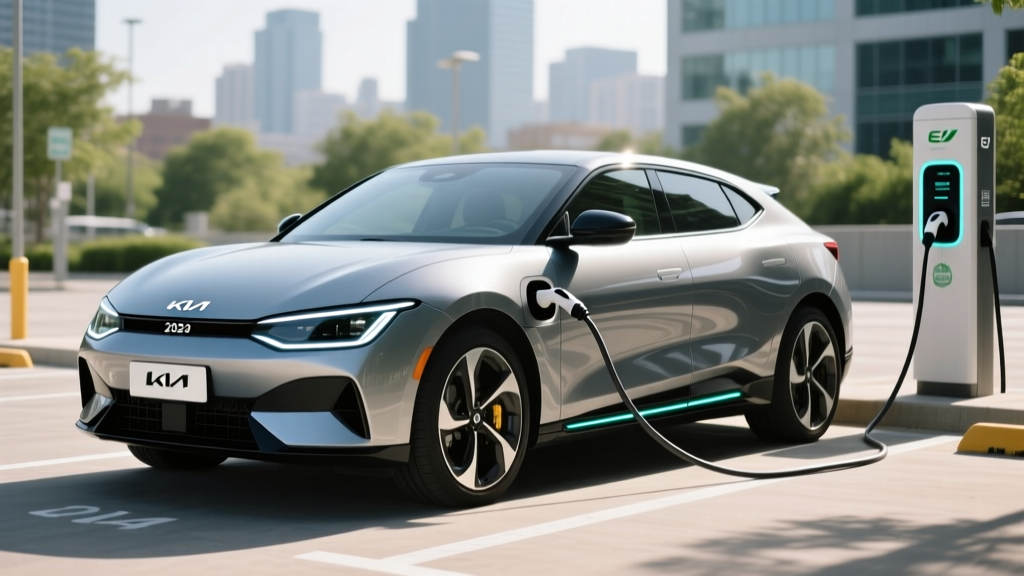
Choose the Kia EV9 if: You want the best balance of third-row space, range, charging speed, and price. It's the strongest all-around family EV in this group, especially in LR RWD trim. Ideal for families who need cargo space and don't need sub-5-second 0–60 times.
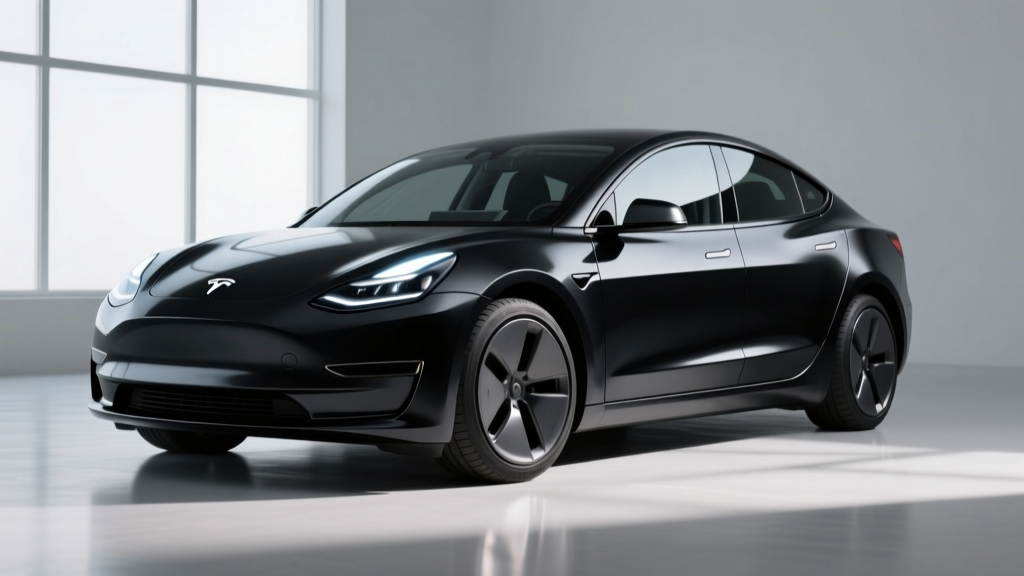
Choose the Tesla Model X if: You prioritize maximum range, Supercharger network access, and performance. The Model X is the fastest and most tech-forward option, but the $80K price and polarizing styling are trade-offs. Best for Tesla ecosystem users who want a family vehicle.
Choose the Rivian R1S if: You need genuine off-road capability, the longest available range (Max Pack), or prefer a more rugged, adventure-oriented SUV. The R1S has the best ground clearance (14.9 in) and wading depth. Best for active families who camp, ski, or tow (up to 7,700 lbs).
Choose the VW ID. Buzz if: You want a distinctive, fun-to-drive family van for primarily local and regional driving. The ID. Buzz has the shortest range in this group, making it less ideal for frequent road trips. Best for families who drive under 200 miles daily and value style and interior flexibility.
Consider a PHEV instead if: You lack reliable home charging access, frequently drive 300+ miles in rural areas with sparse charging infrastructure, or need a lower entry price. The Toyota Grand Highlander Hybrid (36 MPG combined, starting ~$40,000) offers three rows with zero range anxiety — a pragmatic bridge until charging access improves.
What First-Time EV Buyers Should Know Before Purchasing
If this is your first electric vehicle, a few ownership realities are worth understanding before you sign:
- Home charging is non-negotiable for convenience. Public charging works for road trips, but daily life on a three-row EV with a 100+ kWh battery requires Level 2 home charging. Confirm your electrical panel capacity and get an electrician quote before ordering the car.
- Understand kW vs. kWh. kW (kilowatts) measures power — how fast you charge. kWh (kilowatt-hours) measures energy — how much the battery holds. A 100 kWh battery charged at 10 kW takes 10 hours. A 200 kW DC fast charger can fill a large portion in 25 minutes.
- Precondition the battery before fast charging. Most EVs warm the battery to optimal temperature when you navigate to a DC fast charger. This can cut your 10–80% charge time by 5–10 minutes. Always use the car's built-in navigation to route to a charger.
- Plan for 80% charges on road trips. Charging from 80% to 100% on DC fast chargers is painfully slow due to the charge curve taper. Plan your stops to arrive at low SoC and leave at 80% — you'll spend less total time charging.
- Check your insurance before buying. Get quotes from your current provider and at least one competitor. EV insurance varies widely by insurer, model, and driver profile. Some manufacturers (Tesla, Rivian) offer in-house insurance that may be competitive.
- Battery degradation is slow but real. Expect 8–12% capacity loss over the first 100,000 miles with normal use. Avoid routinely charging to 100% on NMC batteries — daily charging to 80% extends pack longevity. Reserve 100% charges for road trips.
Frequently Asked Questions
Are there any affordable 7 seat electric cars under $55,000?
The Kia EV9 in base Light RWD trim starts at $54,900, making it the most affordable 7 seat electric car currently on sale in the U.S. After a partial federal tax credit ($3,750 at point of sale), the effective price can drop to ~$51,150. No other new 7-seat BEV undercuts this price as of 2026.
Can I tow with a 7 seat electric car?
Yes, but range drops significantly when towing. The Rivian R1S has the highest tow rating at 7,700 lbs, but expect range to fall 40–55% when towing near max capacity. The Kia EV9 is rated for up to 5,000 lbs (AWD) and the Tesla Model X for 5,000 lbs. For boat or camper towing over 200 miles, a gas or diesel SUV remains more practical until charging infrastructure improves at campgrounds and boat ramps.
Is the Tesla Model Y a 7 seater?
Tesla previously offered an optional third-row seat in the Model Y, making it a 7 seater. However, this option was limited to very small children and has been discontinued in most markets for the current-generation Model Y. If you need a genuine three-row Tesla, the Model X is the only current option.
How long do EV batteries last in a 3-row family SUV?
Based on current degradation data, modern NMC battery packs in large EVs retain approximately 85–92% of original capacity at 100,000 miles and 80–88% at 150,000 miles. All models in this guide carry a minimum 8-year/100,000-mile battery warranty (10 years/150,000 miles in CARB states) against falling below 70% capacity. Many owners report the battery outlasting the vehicle's useful life.
What's the best 7 seat electric car for cold climates?
The Tesla Model X and Kia EV9 perform best in cold weather due to efficient heat pump systems and strong battery preconditioning. Both vehicles limit cold-weather range loss to ~20–25% with preconditioning, compared to 30%+ in EVs without heat pumps. The Rivian R1S also includes a heat pump and performs well in cold conditions, though its large frontal area increases energy consumption in headwinds and snow.
Do I qualify for the $7,500 federal EV tax credit?
Eligibility for the full $7,500 credit depends on your adjusted gross income (≤$300K joint / ≤$150K single), the vehicle's MSRP (≤$80K for SUVs), and battery sourcing compliance. Many 2026 three-row EVs qualify for a partial $3,750 credit. The credit can be applied at the point of sale as an immediate price reduction. Verify current eligibility on the IRS clean vehicle credit page and with your dealer before purchasing.