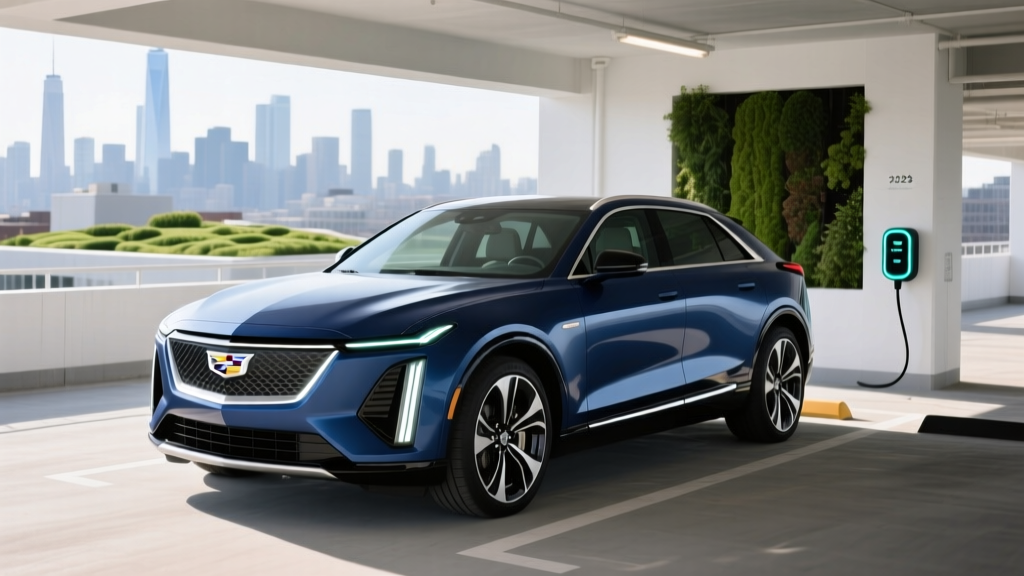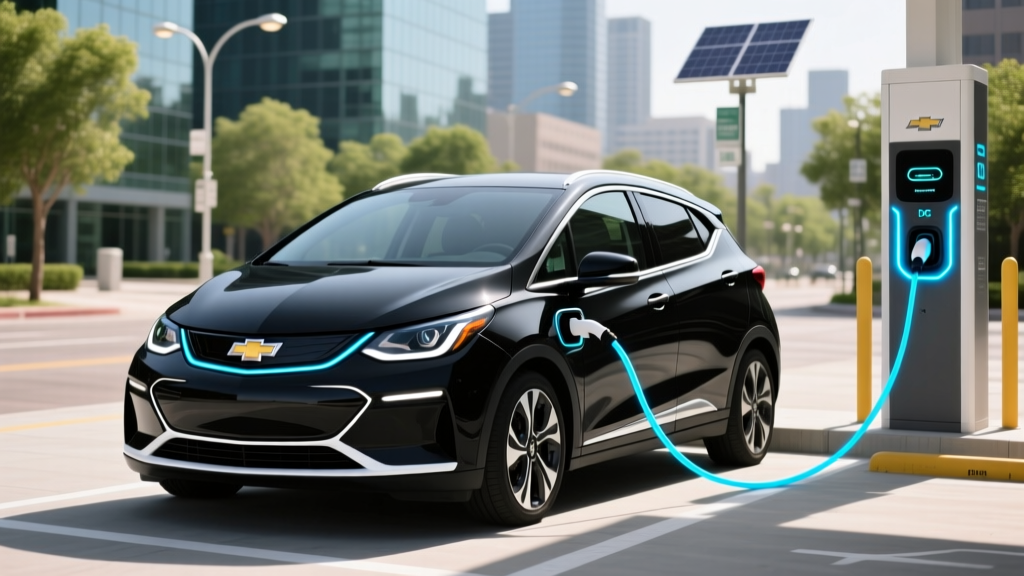
The Next-Generation Bolt: What Chevrolet Has Confirmed
Chevrolet confirmed the return of the Bolt nameplate on the Ultium platform, and the 2027 model year is shaping up as the first affordable EV to pair GM's Super Cruise hands-free driving system with a sub-$30,000 entry price. But with the original Bolt EUV discontinued after 2023 and GM's Ultium rollout facing production delays, buyers need clarity on what's confirmed versus what remains preliminary.
Based on GM's official announcements and platform specifications, here's what we know about the 2027 Chevy Bolt with Super Cruise — and where the gaps remain. This profile will be updated as Chevrolet releases final EPA certification and pricing.
Range and Efficiency: EPA Estimates vs. Real-World Expectations
The previous-generation Bolt EV delivered an EPA-estimated 259 miles from its 65 kWh NMC battery. The Bolt EUV matched that figure with a slightly larger footprint. For the 2027 Ultium-based Bolt, GM has targeted a range improvement, though final EPA certification is pending.
Real-World Expectation: Expect 210–235 miles in mixed highway driving at 70+ mph. In cold weather (below 30°F), range may drop 20–30%, yielding 175–200 miles unless the vehicle is preconditioned while plugged in. City driving with regenerative braking will push closer to the EPA sticker or slightly above.
GM has signaled the next-gen Bolt will use a lithium iron phosphate (LFP) battery variant on the Ultium architecture. LFP chemistry trades some energy density for lower cost, longer cycle life, and reduced reliance on cobalt and nickel — a strategic choice for an affordability-focused model. The trade-off: LFP packs are heavier per kWh and perform less optimally in extreme cold without active thermal preconditioning.
| Spec | Estimated / Preliminary |
|---|---|
| Battery Capacity (Usable) | ~65–70 kWh |
| Battery Chemistry | LFP (Lithium Iron Phosphate) |
| EPA Range | 250–275 mi (pending certification) |
| Efficiency | ~115–120 MPGe est. / ~29–31 kWh/100 mi |
| Drivetrain | FWD (single motor); AWD unconfirmed |
| Horsepower | ~200 hp (est.) |
| 0–60 mph | ~6.5–7.0 sec (est.) |
Charging Speed: DC Fast Charging and Home Level 2
The original Bolt's biggest weakness was its 55 kW peak DC fast-charge rate — painfully slow by 2026 standards. The Ultium platform is designed to support substantially faster charging, and the 2027 Bolt should address this head-on.
| Charging Level | Power / Rate | Speed / Time |
|---|---|---|
| Level 1 (120V household) | ~1.4 kW | ~4–5 miles per hour |
| Level 2 (240V home/public) | ~11.5 kW (est.) | ~35–40 miles per hour; 0–100% in ~7–8 hours |
| DC Fast Charge (CCS/NACS) | Peak ~150 kW (est.) | 10–80% in ~25–30 minutes (est.) |
The estimated 150 kW peak DC rate is a significant leap from the outgoing Bolt's 55 kW ceiling. However, buyers should understand the charge curve: peak kW is sustained only in the 10–50% state-of-charge window. Above 80%, charging slows substantially to protect battery health — a typical session from 10–80% will average closer to 100–110 kW sustained. This is competitive with the Hyundai Kona Electric and Nissan Leaf but trails the Hyundai Ioniq 5's 800V architecture, which can sustain higher rates longer.
GM has committed to NACS (Tesla-style) connectors on all new Ultium vehicles by 2025, meaning the 2027 Bolt should ship with a native NACS port, granting access to Tesla Supercharger stations without an adapter. This is a major practical advantage for road-trip charging reliability.
Super Cruise: What the Hands-Free System Actually Does
Super Cruise is GM's Level 2 hands-free driving system, operational on over 750,000 miles of mapped divided highways in the US and Canada (as of 2026). It uses a combination of HD maps, GPS, cameras, radar, and a driver-attention camera to allow hands-off-wheel driving on compatible roads.
Key capabilities:
- Hands-free lane centering and adaptive cruise on pre-mapped highways
- Automatic lane changes (when driver confirms with turn signal)
- Driver monitoring via infrared steering-wheel camera — alerts escalate if eyes leave the road
- Works in rain and moderate conditions, but not in heavy snow, construction zones, or unmapped surface streets
The original Bolt EUV offered Super Cruise as a $2,200 option on the Premier trim. For 2027, GM has not confirmed whether Super Cruise will be standard or optional, but given the Bolt's budget positioning, expect it as an available package on mid-to-high trims rather than standard equipment. Subscription costs (after any included trial period) typically run $25/month or $250/year as of 2026.
Pricing, Trims, and Federal Tax Credit Eligibility
The original Bolt EV started at $26,500 before its discontinuation. GM has targeted a similarly aggressive price point for the Ultium-based successor, though inflation and added technology (including available Super Cruise hardware) will push the as-tested price higher.
| Trim | Est. Base MSRP | Est. After §30D Credit* |
|---|---|---|
| LT (base) | $27,000–$29,000 | $19,500–$21,500 |
| RS (mid) | $30,000–$32,000 | $22,500–$24,500 |
| Premier (with Super Cruise) | $34,000–$37,000 | $26,500–$29,500 |
*Federal tax credit estimates assume full $7,500 eligibility under IRS §30D rules. Actual eligibility depends on multiple factors detailed below.
Federal EV Tax Credit: §30D Eligibility Checklist
The IRS §30D New Clean Vehicle Credit offers up to $7,500, but qualifying requires meeting all of the following criteria simultaneously:
- MSRP Cap: Vehicle base price must be ≤ $55,000 for sedans/hatchbacks (the Bolt qualifies easily)
- Buyer Income Cap: Modified AGI must not exceed $150,000 (single), $225,000 (head of household), or $300,000 (joint) — based on the tax year of delivery or the prior year, whichever is lower
- Battery Component Sourcing: Increasing percentages of battery components must be manufactured or assembled in North America (phased thresholds per IRS guidance)
- Critical Minerals Sourcing: Increasing percentages of critical minerals must be sourced from the US or FTA partners
- Point-of-Sale Transfer: Buyers may transfer the credit to the dealer at purchase for an immediate price reduction, or claim it on their tax return
- Final Assembly: Vehicle must undergo final assembly in North America
The Bolt's North American assembly (likely at GM's Orion Assembly or a similar US plant) and GM's battery-sourcing partnerships position it well for credit eligibility, but the LFP chemistry — often sourced from CATL in China — could complicate the critical-minerals prong. Buyers should verify eligibility at fueleconomy.gov close to their purchase date, as sourcing rules tighten annually.
Interior, Cargo, and Daily Practicality
The outgoing Bolt EUV offered 97.6 cu ft of passenger volume and 16.3 cu ft of cargo space behind the rear seats. The 2027 model, riding on the more flexible Ultium platform, is expected to improve on both metrics thanks to a lower, flatter battery pack and a slightly longer wheelbase.
Expected dimensions (preliminary):
- Cargo (behind rear seats): ~17–19 cu ft
- Cargo (rear seats folded): ~55–58 cu ft
- Rear legroom: ~39–40 inches
- Front headroom: ~40 inches
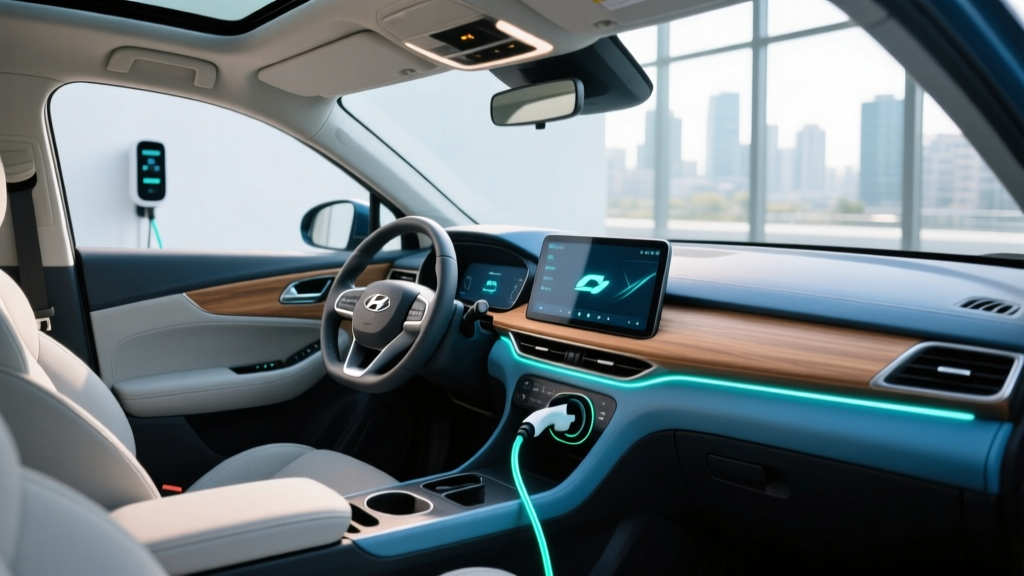
The interior is expected to feature GM's latest 11-inch diagonal infotainment touchscreen with wireless Apple CarPlay and Android Auto, an 8-inch digital driver display, and available heated/ventilated seats. Super Cruise-equipped trims will include the infrared driver-monitoring camera embedded in the steering column.
Notable drawback: The Bolt remains a compact hatchback. Rear-seat space is adequate for adults on short trips but tight for tall passengers on long drives. There is no front trunk (frunk) expected, as the FWD Ultium layout does not free up the space a rear- or all-wheel-drive platform would.
Warranty, Ownership Costs, and Long-Term Value
GM's EV battery and powertrain warranty is among the strongest in the industry:
- Battery Warranty: 8 years / 100,000 miles (whichever comes first), covering defects and capacity loss below ~70% state of health
- Powertrain Warranty: 8 years / 100,000 miles
- Bumper-to-Bumper: 3 years / 36,000 miles
- Roadside Assistance: 5 years / 100,000 miles
LFP batteries generally exhibit slower degradation than NMC chemistries — often retaining 85–90% capacity after 1,000+ full charge cycles. For a driver covering 12,000 miles annually, the 8-year warranty window should provide ample coverage. LFP's tolerance for regular 100% charging (unlike NMC, which benefits from an 80% daily ceiling) is a practical ownership advantage for drivers who need full range frequently.
Insurance costs for the Bolt are expected to remain moderate. The original Bolt's insurance ran $1,400–$1,800/year nationally, and the Ultium successor should land in a similar band, though Super Cruise hardware could add marginally to collision-repair premiums.
How It Compares: Bolt vs. Key Competitors
| Spec | 2027 Chevy Bolt (est.) | Hyundai Kona Electric | Nissan Leaf SV Plus |
|---|---|---|---|
| EPA Range | 250–275 mi | 261 mi | 212 mi |
| Battery | ~65–70 kWh LFP | 64.8 kWh NMC | 60 kWh NMC |
| Peak DC Charge | ~150 kW | ~100 kW | ~100 kW (CHAdeMO) |
| 10–80% Time | ~25–30 min | ~43 min | ~40 min |
| 0–60 mph | ~6.5–7.0 sec | 7.4 sec | 6.9 sec |
| Hands-Free ADAS | Super Cruise (avail.) | None | None |
| Base MSRP | ~$27,000–$29,000 | $32,975 | $36,190 |
| Connector | NACS (native) | CCS1 | CHAdeMO |
The Bolt's projected advantage is clear: lower starting price, faster DC charging, native NACS access, and available Super Cruise — a combination no competitor in this price bracket currently matches. The Kona Electric offers proven reliability and a slightly more refined interior. The Leaf's CHAdeMO connector is a growing liability as the industry standardizes on NACS/CCS.
Pros and Cons
- Projected sub-$30K starting price — among the most affordable new EVs
- Native NACS connector for Tesla Supercharger access
- Available Super Cruise for hands-free highway driving
- LFP battery chemistry: long cycle life, 100% charge tolerance
- Significantly faster DC charging vs. outgoing Bolt
- Strong 8-year/100,000-mile battery warranty
- Likely eligible for full $7,500 federal tax credit (verify at purchase)
- Model not yet available for purchase — final specs unconfirmed
- LFP chemistry means reduced cold-weather range vs. NMC
- No AWD option confirmed (FWD only likely)
- Compact rear seat — tight for tall adults on long trips
- No frunk (front trunk) expected
- Super Cruise likely optional, not standard — adds to cost
- Production timeline uncertain given GM's Ultium ramp challenges
Who Should Buy the 2027 Chevy Bolt?
- You want the most affordable new EV with 250+ miles of range
- Your commute is mostly highway miles where Super Cruise adds daily value
- You have access to home Level 2 charging and want low running costs
- You want native Supercharger access without carrying an adapter
- Budget is your primary purchase driver and you qualify for the §30D credit
- You need AWD for snow-belt winters (consider the Subaru Solterra or Hyundai Ioniq 5 AWD)
- You regularly carry four adults (step up to the Equinox EV or Ioniq 5)
- You need a vehicle available for immediate purchase — the Bolt's production date remains unconfirmed
- You frequently road-trip in extreme cold without preconditioning access
Frequently Asked Questions
What is the real-world range of the 2027 Chevy Bolt?
While the EPA estimate is pending, expect 210–235 miles in real-world highway driving at moderate temperatures. In cold weather (below 30°F), plan for 175–200 miles unless you precondition the battery while plugged in. City driving with regenerative braking will yield results closer to or slightly above the EPA sticker.
How fast does the 2027 Bolt charge?
Estimated peak DC fast-charge rate is ~150 kW, delivering a 10–80% charge in approximately 25–30 minutes. At home on a 240V Level 2 charger (~11.5 kW), expect roughly 35–40 miles of range per hour of charging, or a full charge overnight in 7–8 hours.
Does the 2027 Chevy Bolt qualify for the federal EV tax credit?
It is expected to qualify for up to $7,500 under IRS §30D, but eligibility depends on the buyer's income (≤$150K single / ≤$300K joint), the vehicle's MSRP (≤$55K for hatchbacks — easily met), battery-component North American sourcing, and critical-minerals sourcing requirements. The LFP battery may complicate the critical-minerals prong. Always verify at fueleconomy.gov and consult a tax professional before purchasing.
Is the 2027 Bolt worth buying over the Hyundai Kona Electric or Nissan Leaf?
On paper, the Bolt offers a compelling value proposition: lower price, faster charging, native NACS, and available Super Cruise. However, the Kona Electric is available now with proven reliability, and the Leaf — while hampered by CHAdeMO — offers immediate availability. If you can wait and the Bolt's final specs match projections, it may be the best value in the segment. If you need a car today, the Kona is a strong alternative.
When will the 2027 Chevy Bolt be available to order?
GM has confirmed the Bolt's return on the Ultium platform but has not announced a firm production start date or order-book opening. Industry estimates point to late 2026 or early 2027 for initial deliveries. Monitor chevrolet.com for official updates.
Is Super Cruise self-driving?
No. Super Cruise is an SAE Level 2 driver-assistance system. It allows hands-free driving on mapped divided highways, but the driver must remain attentive, keep eyes on the road, and be prepared to take over immediately. It does not handle city streets, stoplights, or unmapped roads.