The original Chevrolet Bolt was the bargain-bin hero of the early EV era: cheap, practical, and saddled with painfully slow DC fast charging. For 2027, General Motors has rebooted the nameplate on the Ultium platform, promising faster charging, a modernized interior, and a starting price that undercuts nearly every battery-electric competitor on the market. But early owners and reviewers have been buzzing about an unexpected Easter egg hidden inside the cabin — a so-called "glovebox surprise" that has become one of the most-searched quirks of the new model.
In this review, we'll open that glovebox, then get into the numbers that actually matter: real-world range, charging curves, tax-credit math, and whether the 2027 Bolt is worth your money against the Hyundai Kona Electric, Nissan Leaf, and Tesla Model 3.
The 2027 Chevy Bolt Glovebox Surprise: What's Inside?
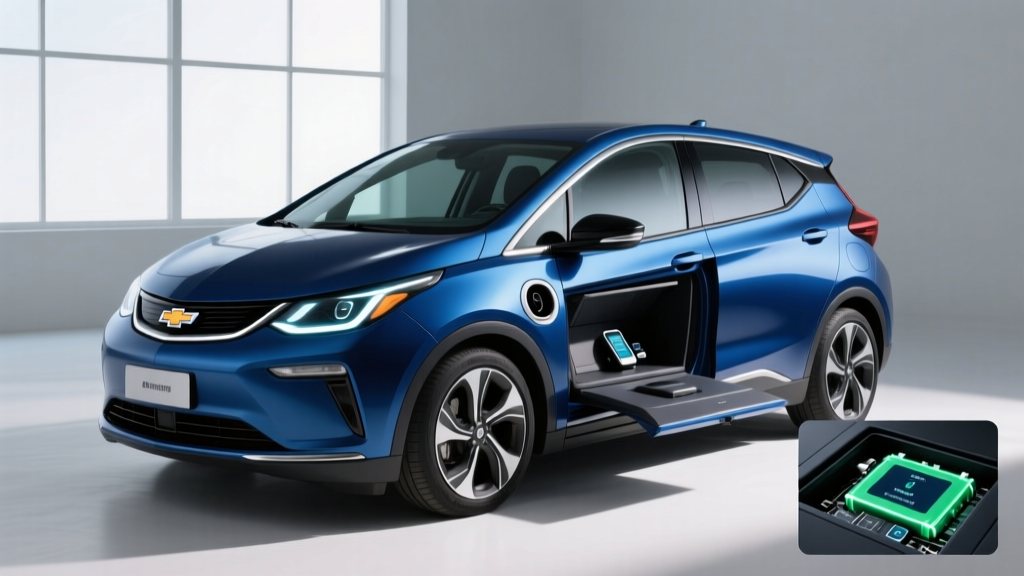
Pop open the glovebox of any 2027 Chevy Bolt and you'll find a dedicated, form-fitted compartment molded into the lower tray — sized precisely to hold the included portable Level 1/Level 2 dual-voltage charge cord. Unlike most EVs that toss the cord loosely into the cargo area or require a separate purchase, Chevy designed the glovebox with a reinforced, ventilated slot that locks the cord in place and keeps it accessible from the passenger seat.
It's a small thing, but it signals a philosophy shift: GM is treating charging hardware as essential onboard equipment, not an afterthought. The dual-voltage cord ships standard and delivers up to 3.6 kW on a 240V NEMA 14-50 outlet — enough for roughly 14 miles of range per hour of charging. For overnight top-ups at a relative's house or a rental cabin, it's a genuinely useful inclusion, and the dedicated storage means it won't rattle around the hatch area or get buried under groceries.
Beyond the cord, the glovebox also houses a hidden tire-pressure sticker specific to the Bolt's low-rolling-resistance tires and a QR code that links to Chevy's EV charging setup guide — a nice touch for first-time EV owners who may not know the difference between kW and kWh.
Range, Efficiency, and Real-World Expectations
The 2027 Chevy Bolt is EPA-rated at 255 miles of combined range on a full charge. That figure comes from a 65 kWh usable battery pack using NCMA (nickel-cobalt-manganese-aluminum) cathode chemistry — part of GM's Ultium family, though in a smaller, more cost-optimized cell format than the packs in the Silverado EV or Blazer EV.
EPA sticker: 255 miles (combined)
Highway (70 mph, 75°F): Expect ~225–235 miles
Cold weather (30°F, mixed driving): ~185–205 miles
City / stop-and-go (with regen): ~260–275 miles
The Bolt's efficiency shines in city driving where regenerative braking recaptures energy. Highway and cold-weather use cut into the buffer significantly — plan road trips around ~200-mile legs to stay comfortable.
Efficiency lands at 120 MPGe combined, which translates to roughly 28 kWh per 100 miles. That's competitive with the Hyundai Kona Electric (122 MPGe) but trails the Tesla Model 3 RWD (132 MPGe) thanks to the Tesla's superior aero and heat-pump efficiency. The Bolt does not include a heat pump as standard — it's available only on the 2LT trim — which explains the steeper cold-weather range loss compared to rivals that include one across all trims.
Charging Speed: DC Fast, Level 2, and Level 1
This is where the 2027 Bolt makes its biggest generational leap. The old Bolt was infamous for capping DC fast charging at 55 kW, turning road-trip stops into 45-minute ordeals. The new model peaks at 85 kW on a DC fast charger using the NACS connector — native access to Tesla Superchargers without an adapter.
| Level | Power / Voltage | Rate (mi/hr) | Notes |
|---|---|---|---|
| Level 1 (120V) | 1.4 kW | ~5 mi/hr | Emergency / overnight trickle |
| Level 2 (240V, portable cord) | 3.6 kW | ~14 mi/hr | Included dual-voltage cord |
| Level 2 (240V, wallbox) | 11.5 kW | ~44 mi/hr | Full overnight charge in ~6 hrs |
| DC Fast Charge | 85 kW peak | 10–80% in ~35 min | NACS native; tapers above 80% |
A critical note on the charge curve: the Bolt holds close to its 85 kW peak from roughly 10% to 55% State of Charge, then tapers to ~50 kW through 80%, and drops further above 80%. That 10–80% time of approximately 35 minutes is respectable for a sub-$30K EV but won't impress anyone coming from a Hyundai Ioniq 5 (which hits 10–80% in ~18 minutes at 240 kW). For the Bolt's target buyer — a daily commuter who charges at home 90% of the time — it's adequate.
Performance and Drivetrain
The 2027 Bolt is strictly a front-wheel-drive, single-motor vehicle. Output is rated at 200 horsepower and 236 lb-ft of torque, delivering a 0–60 mph time of approximately 7.0 seconds. That's quick enough for confident highway merging and passing, but it's no Tesla Model 3 (5.8 seconds for the RWD variant).
Ride quality is a pleasant surprise. The Ultium platform gives the Bolt a lower center of gravity than the previous generation, and the suspension tuning leans toward comfort over sportiness. Road noise is well-managed at city speeds but becomes noticeable above 65 mph — a reminder of where Chevy trimmed costs to hit the price target.
There is no AWD option and no dual-motor variant planned. If you need all-wheel drive for snow-belt commuting, look at the Subaru Solterra or the upcoming Equinox EV AWD instead.
Interior, Cargo, and Tech
Inside, the Bolt uses an 11.3-inch diagonal touchscreen running GM's latest Ultifi infotainment platform with wireless Apple CarPlay and Android Auto. A 11-inch digital instrument cluster replaces the old analog-digital hybrid gauge. The cabin materials are hard-plastic dominant — this is a budget EV, and it feels like one — but the layout is logical and the seats are comfortable for long stints.
Cargo volume: 22.5 cubic feet behind the rear seats, expanding to approximately 54 cubic feet with the 60/40 split rear seats folded. That's competitive with the Kona Electric (25.5 cu ft) and significantly more practical than the Model 3 sedan's trunk.
Passenger space: Front legroom measures 42.1 inches; rear legroom is 35.8 inches — adequate for adults on shorter trips but tight for tall passengers on long hauls. Headroom is generous front and rear thanks to the hatchback roofline.
Driver assistance: The Bolt includes Chevy Safety Assist as standard — automatic emergency braking, lane-keeping assist, following-distance indicator, and IntelliBeam auto high beams. Super Cruise (GM's hands-off, eyes-on Level 2 system) is available on the 2LT trim for mapped divided highways. Per NHTSA and SAE definitions, Super Cruise is a Level 2 system — the driver must remain attentive and is monitored by an infrared camera on the steering column.
Pricing, Trims, and Federal Tax Credit
| Trim | Base MSRP | Est. §30D Credit* | Effective Price |
|---|---|---|---|
| 1LT | $28,400 | Up to $7,500 | ~$20,900 |
| 2LT | $32,200 | Up to $7,500 | ~$24,700 |
| RS (sport appearance) | $34,500 | Up to $7,500 | ~$27,000 |
*Federal tax credit eligibility under IRS §30D is subject to multiple requirements that change periodically:
- MSRP cap: The vehicle must have an MSRP below $55,000 (cars) — all Bolt trims qualify.
- Buyer income cap: Modified AGI must not exceed $150,000 (single), $225,000 (head of household), or $300,000 (joint).
- Battery sourcing: A percentage of critical minerals and battery components must be sourced from the US or free-trade-agreement partners. This threshold increases annually; verify current-year compliance on fueleconomy.gov.
- Point-of-sale transfer: Eligible buyers can transfer the credit to the dealer at purchase, reducing the out-of-pocket price immediately rather than waiting for a tax refund.
The Bolt's sub-$55K MSRP makes it one of the easiest EVs to qualify for the full credit — but always confirm your personal eligibility with a tax professional before counting on the discount.
Pros, Cons, and Who Should Buy
- Lowest entry price in the EV market (sub-$21K after credit)
- Native NACS — full Supercharger network access
- Included dual-voltage charge cord with dedicated glovebox storage
- Practical hatchback cargo (22.5 cu ft)
- Competitive 255-mi EPA range for the price
- Super Cruise available on 2LT
- DC fast charge capped at 85 kW — slower than rivals
- No heat pump on base 1LT trim (cold-weather range loss)
- Hard-plastic interior feels budget-grade
- No AWD option
- Rear legroom tight for tall adults
- Super Cruise locked behind 2LT upcharge
Who the Bolt is for: Urban and suburban commuters who charge at home, want the lowest possible monthly cost, and need hatchback practicality for weekend errands. It's an outstanding first EV or a cost-effective second car. It's also ideal for buyers who want Supercharger network access without paying Tesla prices.
Who should look elsewhere: Frequent road-trippers who need 300+ mile range and sub-20-minute charging stops (look at the Ioniq 5 or Model 3). Snow-belt drivers who need AWD. Families needing three-across rear seating.
Battery Warranty and Longevity
Chevrolet covers the Bolt's battery pack with an 8-year / 100,000-mile warranty (whichever comes first), guaranteeing a minimum of 70% capacity retention over that period. The powertrain (motor, power electronics) is covered under the same 8-year/100,000-mile term. The bumper-to-bumper warranty is 3 years / 36,000 miles.
GM's NCMA chemistry has shown strong longevity data in the larger Ultium packs, but the Bolt's smaller-format cells are newer and have less long-term field data. Early indicators from fleet testing suggest degradation of approximately 5–7% over the first 50,000 miles — in line with industry averages for liquid-cooled packs.
Frequently Asked Questions
What is the real-world range of the 2027 Chevy Bolt?
The EPA rates the Bolt at 255 miles combined. In real-world highway driving at 70 mph in moderate temperatures, expect 225–235 miles. In cold weather (around 30°F), range drops to roughly 185–205 miles unless you have the 2LT trim with its standard heat pump, which mitigates some of the loss. City driving with heavy regen use can exceed the EPA estimate, reaching 260–275 miles.
How fast does the 2027 Bolt charge at home and on the road?
On a Level 2 home wallbox (240V, 48A), the Bolt charges at up to 11.5 kW, adding roughly 44 miles of range per hour — a full charge takes about 6 hours. The included portable dual-voltage cord delivers 3.6 kW on a 240V outlet (~14 mi/hr). On a DC fast charger, the Bolt peaks at 85 kW and charges from 10–80% in approximately 35 minutes. The NACS connector gives native access to the Tesla Supercharger network.
Does the 2027 Chevy Bolt qualify for the $7,500 federal tax credit?
All Bolt trims fall well under the $55,000 MSRP cap for cars, making them potentially eligible. However, the full §30D credit depends on your income (under $150K single / $300K joint), the battery's critical-mineral and component sourcing (thresholds increase annually), and other IRS rules. Check fueleconomy.gov for current eligibility and consult a tax professional. Eligible buyers can transfer the credit to the dealer at point of sale for an immediate price reduction.
Is the 2027 Bolt worth buying over the Hyundai Kona Electric or Tesla Model 3?
If your priority is lowest purchase price and hatchback utility, the Bolt wins — nothing else comes close to a sub-$21K effective price after the tax credit. The Kona Electric offers slightly more cargo space and a standard heat pump, but at a higher MSRP. The Model 3 is faster, more efficient, and charges far more quickly (250 kW peak), but it's a sedan with a trunk, not a hatch, and starts roughly $10K higher before credits. Choose the Bolt for value; choose the Model 3 for performance and road-trip charging speed.
What exactly is the glovebox surprise on the 2027 Bolt?
Chevy designed a custom-molded, ventilated compartment inside the glovebox to hold the included dual-voltage (Level 1/Level 2) portable charge cord. It keeps the cord secure, accessible from the passenger seat, and out of the cargo area. There's also a QR code linking to Chevy's EV charging setup guide and a tire-pressure spec sticker specific to the Bolt's low-rolling-resistance tires.
Does the Bolt have a heat pump?
Only on the 2LT and RS trims. The base 1LT uses a conventional resistive heater, which draws significantly more battery energy in cold weather. If you live in a climate with sustained sub-40°F winters, the 2LT's heat pump is worth the upcharge — it can recover 30–40 miles of range in cold conditions compared to resistive heating.