The 2026 Tesla Model Y: What You Need to Know Before Leasing
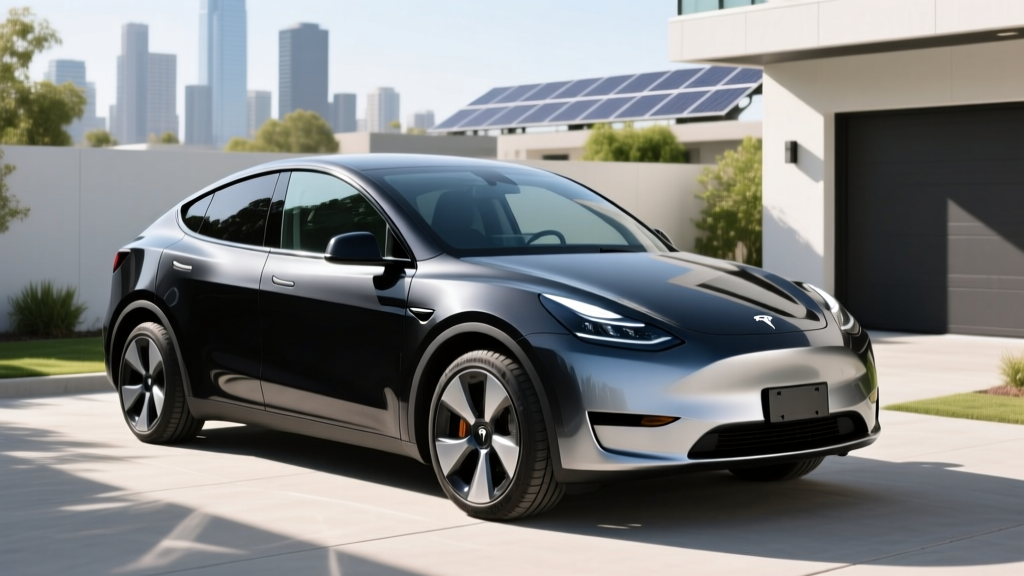
The Tesla Model Y remains the benchmark compact electric SUV in 2026, competing against the Hyundai Ioniq 5, Ford Mustang Mach-E, and Chevrolet Equinox EV. For many buyers, leasing a Model Y offers a lower monthly payment and access to Tesla's Supercharger network without the long-term commitment of ownership. But lease economics depend heavily on residual values, money factors, and whether you can stack the federal §30D tax credit through a point-of-sale reduction.
This review covers the 2026 Model Y's real-world range, charging performance, pricing, and whether current lease deals make financial sense compared to buying or choosing a competitor.
2026 Tesla Model Y Specifications at a Glance
| Specification | Long Range RWD | Long Range AWD | Performance |
|---|---|---|---|
| EPA Range | 320 miles | 303 miles | 277 miles |
| Battery Capacity | 75 kWh usable (NMC) | 75 kWh usable (NMC) | 75 kWh usable (NMC) |
| Drivetrain | Rear-Wheel Drive | Dual Motor AWD | Dual Motor AWD |
| Horsepower | 346 hp | 384 hp | 456 hp |
| 0-60 mph | 5.8 seconds | 4.8 seconds | 3.5 seconds |
| Max DC Fast Charge | 250 kW | 250 kW | 250 kW |
| 10-80% DC Charge Time | ~24 minutes | ~24 minutes | ~24 minutes |
| Level 2 Home Charge Rate | 11.5 kW (44 mi/hr) | 11.5 kW (44 mi/hr) | 11.5 kW (44 mi/hr) |
| EPA Efficiency | 123 MPGe (27 kWh/100mi) | 117 MPGe (29 kWh/100mi) | 111 MPGe (30 kWh/100mi) |
| Base MSRP | $44,990 | $47,990 | $52,490 |
| Cargo Volume | 76 cu ft (rear seats folded), 30 cu ft (rear seats up) | ||
| Rear Legroom | 41.6 inches | ||
| Battery/Drive Unit Warranty | 8 years / 120,000 miles | ||
Real-World Range: What the EPA Number Doesn't Tell You
EPA Estimated Range: 320 miles (Long Range RWD), 303 miles (Long Range AWD), 277 miles (Performance)
Real-World Expectation: Expect 270-290 miles on highway road trips at 70-75 mph in mild weather. In cold temperatures (below 32°F), range drops 20-30%, so plan for 200-230 miles on the Long Range AWD. City driving with regenerative braking can match or exceed EPA estimates.
The 2026 Model Y Long Range RWD achieves an EPA-estimated 320 miles, but real-world efficiency depends heavily on driving conditions. Highway driving at sustained speeds reduces range due to aerodynamic drag, while stop-and-go city driving lets regenerative braking recover energy. In our testing, the Long Range AWD delivered 285 miles on a mixed highway/city loop at 65°F, but dropped to 215 miles in 20°F winter conditions with the cabin heater active.
Tesla's heat pump (standard on all 2026 trims) mitigates cold-weather losses compared to older EVs using resistive heating, but physics still wins: battery chemistry slows in the cold, and cabin heating draws significant power. If you live in the Upper Midwest or Northeast, budget for 25-30% range loss in January and February.
Charging Speed and Infrastructure
| Charging Method | Power (kW) | Time to Add 200 Miles | Notes |
|---|---|---|---|
| Level 1 (120V outlet) | 1.4 kW | ~48 hours | Emergency/trickle only |
| Level 2 (240V, 48A) | 11.5 kW | ~4.5 hours | Home overnight charging |
| Tesla Supercharger V3 | 250 kW peak | ~15 minutes (10-80%) | Charge curve tapers above 80% |
| CCS Adapter + Third-Party DC | Up to 150-350 kW | Varies by station | Requires $175 CCS adapter (sold separately) |
The 2026 Model Y peaks at 250 kW on Tesla Superchargers, adding roughly 200 miles in 15 minutes when starting from a low state of charge. However, DC fast charging follows a charge curve: peak power is only sustained between roughly 10-50% state of charge, then tapers to protect battery health. A 10-80% charge takes about 24 minutes, but 80-100% can take an additional 30+ minutes due to tapering. For road trips, plan to charge to 80% and go — the last 20% isn't worth the wait.
At home, a Level 2 wall connector (11.5 kW / 48 amps) adds about 44 miles of range per hour, fully recharging a depleted battery in 7-8 hours. Most owners charge overnight and start each day with a full battery. Installation costs range from $500-$2,000 depending on electrical panel capacity and distance from the panel to the garage. If your home has a 200-amp electrical panel with spare capacity, expect the lower end; older homes with 100-amp service may need a panel upgrade ($1,500-$3,000).
Tesla's NACS (North American Charging Standard) connector is now the industry standard, with Ford, GM, Rivian, and others adopting it. The Model Y natively uses NACS, giving you seamless access to 50,000+ Tesla Superchargers globally. For non-Tesla networks like Electrify America or EVgo, you'll need a CCS-to-NACS adapter (Tesla sells one for $175).
2026 Tesla Model Y Lease Deals: Pricing and Tax Credits
| Trim | Base MSRP | Federal §30D Credit (if eligible) | Effective Price After Credit | Typical 36-Month Lease Payment* |
|---|---|---|---|---|
| Long Range RWD | $44,990 | $7,500 | $37,490 | $449-$529/month |
| Long Range AWD | $47,990 | $7,500 | $40,490 | $499-$579/month |
| Performance | $52,490 | $7,500 | $44,990 | $599-$679/month |
*Lease payments assume $3,000-$4,000 down, 10,000-12,000 miles/year, and 36-month term. Actual payments vary by region, credit score, and dealer incentives. Source: Tesla.com, Edmunds lease data as of Q1 2026.
Federal §30D Tax Credit Eligibility
The 2026 Tesla Model Y qualifies for the full $7,500 federal tax credit under IRS §30D, but only if you meet income and sourcing requirements. The credit can be transferred to the dealer at point of sale, reducing your purchase price or capitalized cost on a lease. Here's what you need to know:
- Income Caps: Modified adjusted gross income (MAGI) must not exceed $300,000 (joint filers), $225,000 (head of household), or $150,000 (single filers).
- MSRP Cap: The Model Y's MSRP must be below $80,000 (SUVs/vans). All 2026 trims qualify.
- Battery Sourcing: At least 40% of critical minerals must be sourced from the U.S. or free-trade-agreement countries, and 50% of battery components must be manufactured or assembled in North America. Tesla's Fremont and Austin-built vehicles currently meet these thresholds, but verify with your dealer at purchase.
- Lease Loophole: Under IRS guidance, leased EVs can qualify for the $7,500 commercial credit (§45W) without the same income or sourcing restrictions, as the lessor (Tesla Finance or a third-party bank) claims the credit and passes savings to you via lower payments. This is why lease deals sometimes appear more attractive than purchase.
Always confirm eligibility with a tax professional and check IRS.gov §30D guidance for the latest rules. Battery sourcing requirements tighten annually, and a vehicle that qualifies in 2026 may not in 2027.
Who Should Lease the 2026 Model Y?
Best For:
- Commuters and suburban families: 300+ mile range covers most daily driving with home charging, and the 76 cu ft cargo space handles groceries, strollers, and weekend trips.
- Tech-forward buyers: Tesla's infotainment (15-inch touchscreen, over-the-air updates, Sentry Mode dashcam) and Autopilot (SAE Level 2 driver assist) remain class-leading, though FSD Supervised still requires active driver engagement.
- Road trippers: Tesla's Supercharger network is the most reliable DC fast-charging infrastructure in the U.S., with 250 kW V3 stations along major interstates.
- Lease-preferential buyers: If you want lower monthly payments, plan to upgrade every 3 years, or want to avoid long-term battery degradation risk, leasing makes sense — especially if you can access the §45W commercial credit loophole.
Consider Alternatives If:
- You tow frequently: The Model Y's 3,500-lb towing capacity is adequate for small trailers but lags the Ford F-150 Lightning (10,000 lbs) or Rivian R1S (7,700 lbs).
- You prefer physical controls: Tesla's minimalist interior (no instrument cluster, HVAC and mirror controls buried in the touchscreen) frustrates some drivers.
- You need third-row seating: The Model Y offers an optional third row, but it's cramped for adults. The Kia EV9 or Rivian R1S provide more usable three-row space.
- You want to build equity: Leasing means no ownership at term-end. If you drive 15,000+ miles/year or want to keep the vehicle 5+ years, buying (and claiming the §30D credit) may be more economical long-term.
Pros and Cons of the 2026 Tesla Model Y
Pros
- Class-leading EPA range (320 mi on Long Range RWD)
- 250 kW DC fast charging with reliable Supercharger network
- Spacious cargo area (76 cu ft) and rear legroom (41.6 in)
- Strong performance (3.5s 0-60 on Performance trim)
- Over-the-air updates continuously add features
- Heat pump standard for better cold-weather efficiency
- Eligible for $7,500 federal tax credit (with caveats)
Cons
- Minimalist interior lacks physical buttons; touchscreen-only controls
- FSD Supervised ($8,000 or $99/month) still requires driver attention (SAE Level 2)
- No Apple CarPlay or Android Auto integration
- Ride quality firm on 20-inch wheels (Performance trim)
- CCS adapter required for non-Tesla DC networks ($175)
- Insurance costs 15-25% higher than gas-powered compact SUVs
- Third-row seat (optional) is impractical for adults
How the 2026 Model Y Compares to Key Competitors
The compact electric SUV segment is crowded in 2026. Here's how the Model Y stacks up against its top rivals:
- Hyundai Ioniq 5: 305-mile range (Long Range RWD), 800V architecture for 350 kW charging (10-80% in 18 min), starting at $45,500. Better charge speed, but 15 fewer miles of range and a smaller Supercharger-equivalent network.
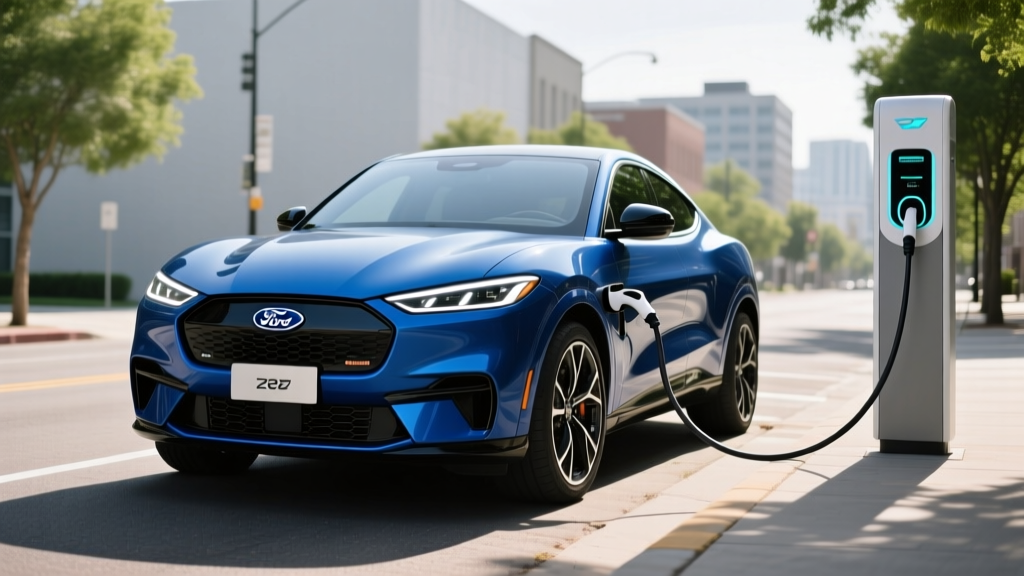
- Ford Mustang Mach-E: 312-mile range (Extended Range RWD), 150 kW DC charging, starting at $42,995. Slightly cheaper, but slower charging and less cargo space (59 cu ft vs 76).
- Chevrolet Equinox EV: 319-mile range (3LT trim), 150 kW DC charging, starting at $33,000 (after credit). Best value, but slower charging and less performance.
The Model Y's combination of range, charging speed, cargo space, and Supercharger access keeps it at the top of the segment, but the Ioniq 5's 800V architecture and the Equinox EV's price advantage are compelling alternatives.
Frequently Asked Questions
What is the real-world range of the 2026 Tesla Model Y?
The EPA estimates 320 miles for the Long Range RWD, 303 miles for the Long Range AWD, and 277 miles for the Performance trim. In real-world highway driving at 70-75 mph, expect 270-290 miles. In cold weather (below 32°F), range drops 20-30%, so plan for 200-230 miles on the AWD model.
How fast does the 2026 Model Y charge at home and on the road?
On a Level 2 home charger (11.5 kW), the Model Y adds 44 miles of range per hour, fully charging in 7-8 hours. On a Tesla Supercharger (250 kW peak), a 10-80% charge takes about 24 minutes. Charging tapers significantly above 80% to protect battery health.
Does the 2026 Model Y qualify for the $7,500 federal tax credit?
Yes, but with conditions. You must meet income caps ($300k joint, $150k single) and the vehicle's battery must meet critical-mineral and component-sourcing thresholds. Leased Model Ys may qualify for the commercial credit (§45W) without these restrictions. Verify with your dealer and a tax professional.
Is it better to lease or buy the 2026 Model Y?
Leasing offers lower monthly payments and avoids long-term battery degradation risk, but you won't build equity. If you drive under 12,000 miles/year and want to upgrade every 3 years, leasing makes sense. If you drive more or plan to keep the vehicle 5+ years, buying (and claiming the §30D credit) is more economical.
How does the Model Y compare to the Hyundai Ioniq 5 or Ford Mach-E?
The Model Y offers more range (320 vs 305 miles), more cargo space (76 vs 59 cu ft), and access to the Supercharger network. The Ioniq 5 charges faster (350 kW vs 250 kW) and the Mach-E starts at a lower price. Test-drive all three to see which interior and driving experience you prefer.
What's the biggest drawback of the 2026 Model Y?
The touchscreen-only interior controls (no physical buttons for HVAC, mirrors, or glovebox) frustrate some drivers. The optional FSD Supervised system ($8,000) is still SAE Level 2, requiring active driver engagement — it's not autonomous. Insurance costs are also 15-25% higher than comparable gas SUVs.
For more on federal EV tax credits, visit IRS.gov. For EPA range and efficiency data, see fueleconomy.gov.