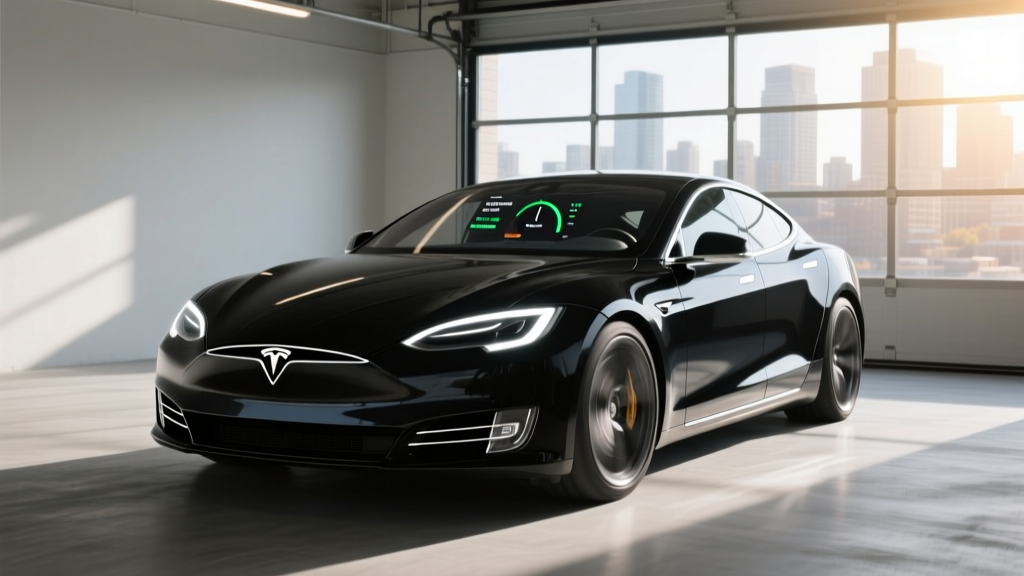
If you have been following EV news in 2025 and 2026, the phrase Tesla lawsuits has appeared with uncomfortable frequency — spanning Autopilot/FSD litigation, warranty disputes, and securities class actions. For prospective Model 3 buyers, the question is not just whether the car is good (it is), but whether the legal cloud changes the ownership calculus. This review covers the 2026 Tesla Model 3 Long Range AWD and Performance trims with the exact numbers you need — range, charging, pricing, tax credit eligibility — and closes with a grounded look at what the lawsuits actually mean for your purchase decision.
2026 Tesla Model 3 Quick Specs
| Spec | Long Range AWD | Performance |
|---|---|---|
| EPA Range | 341 mi | 315 mi |
| Battery (usable) | ~79 kWh, NMC | ~79 kWh, NMC |
| Drivetrain | Dual-motor AWD | Dual-motor AWD |
| Horsepower | ~346 hp | ~510 hp |
| 0–60 mph | 4.2 sec | 2.9 sec |
| Peak DC Charge | 250 kW | 250 kW |
| 10–80% DC Time | ~25 min | ~25 min |
| Level 2 Rate | 11.5 kW (~44 mi/hr) | 11.5 kW (~44 mi/hr) |
| MPGe (combined) | 132 MPGe | 118 MPGe |
| Base MSRP | $47,740 | $54,990 |
| Battery Warranty | 8 yr / 120,000 mi | 8 yr / 120,000 mi |
Sources: fueleconomy.gov, Tesla.com 2026 spec sheets.
Range, Efficiency, and Real-World Expectations
EPA sticker: 341 miles (Long Range AWD). Real-world expectation: plan for ~280–300 miles on sustained 75 mph highway driving, and as low as ~230–250 miles in sub-freezing winter conditions where cabin heat and battery conditioning consume extra energy. City/regenerative driving returns closer to the sticker, often exceeding 330 mi in mild weather.
The Long Range uses an NMC (nickel manganese cobalt) chemistry pack chosen for energy density, not the LFP pack found in the cheaper RWD trim. That gives it strong highway legs but means Tesla recommends daily charging to 80% and 100% only for trips — a habit worth building. Efficiency of 132 MPGe combined (Long Range) translates to roughly 25 kWh per 100 miles, which remains among the best in the premium compact EV segment and a meaningful ownership-cost advantage versus heavier competitors like the BMW i4 or Polestar 2.
Charging Speed: Supercharger Reality vs. the Spec Sheet
| Level | Power | Miles Added per Hour | Notes |
|---|---|---|---|
| Level 1 (120V) | ~1.4 kW | ~5 mi/hr | Emergency / trickle only |
| Level 2 (240V, 48A) | 11.5 kW | ~44 mi/hr | Full overnight charge in ~7–8 hr |
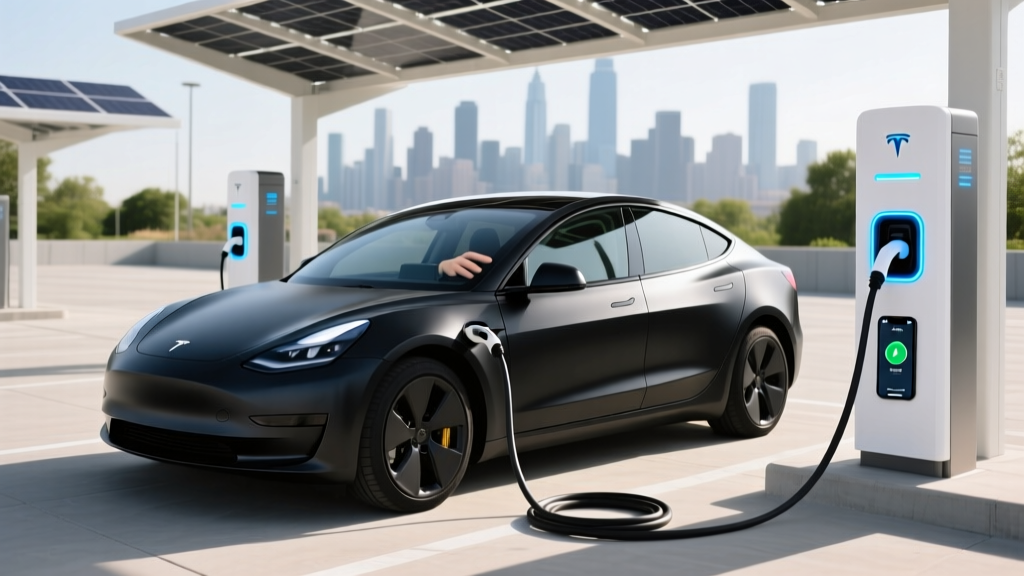
| DC Fast (V3 Supercharger) | 250 kW peak | ~175 mi in 15 min | 10–80% in ~25 min; tapers hard above 80% |
Tesla's 400V architecture caps the Model 3 at 250 kW peak — adequate, but it has not kept pace with the 350 kW peaks on Hyundai/Kia's E-GMP platform or the 800V Porsche Taycan. On a V3 Supercharger, the pack pulls peak power only while cool and between roughly 10–40% SoC; expect an average of ~130–150 kW across a full 10–80% session. Preconditioning (triggered automatically when you navigate to a Supercharger) is essential to hitting peak numbers — skip it and your first 10 minutes will be noticeably slower, especially in cold weather.
The native NACS port remains the Model 3's strongest charging asset in 2026: Tesla's Supercharger network has the highest uptime and coverage density in the U.S., and competitors are still adapting via adapters.
Performance, Ride, and Interior
Even the Long Range trim is genuinely quick — 4.2 seconds to 60 mph with 346 hp and linear torque delivery that makes highway merging effortless. The Performance trim's 2.9-second 0–60 is supercar territory, with Track Mode, adaptive dampers, and larger brakes justifying the premium for enthusiasts.
Interior space is the Model 3's weakest category for families. Rear legroom measures 35.2 inches (tight for tall adults on long trips), and cargo volume is 23 cu ft trunk plus a small frunk — less practical than the Model Y's hatchback. The minimalist cabin centers on a 15.4-inch touchscreen controlling everything, including climate and glovebox; there are no physical stalks on the refreshed "Highland" architecture carried into 2026, and turn signals live on the steering wheel — a polarizing choice that takes real adaptation.
Standard tech includes Tesla's proprietary infotainment (no Apple CarPlay or Android Auto), over-the-air updates, Sentry Mode dashcam recording, and a HEPA-grade cabin air filter. Build quality has improved materially since the Fremont-era cars, with the Shanghai-built units for global markets setting the bar that U.S. production now matches.
Pricing, Trims, and Federal Tax Credit Status
| Trim | Base MSRP | As-Tested (typical) | §30D Credit Eligible? |
|---|---|---|---|
| RWD (LFP) | $38,990 | $39,990 | Potentially up to $7,500 — MSRP & income caps apply |
| Long Range AWD | $47,740 | $50,000–$54,000 | Yes — under $55,000 sedan cap, income limits apply |
| Performance | $54,990 | $58,000+ | Exceeds $55,000 sedan MSRP cap — NOT eligible |
Under current-year IRS §30D rules, the Long Range AWD qualifies for the full credit if the buyer meets income caps ($150k single / $300k MFJ AGI limits) and the vehicle's battery sourcing satisfies critical-mineral and component requirements — which Tesla has largely domesticated for U.S.-built Model 3s, but rules shift annually. The Performance trim's MSRP exceeds the $55,000 sedan cap, disqualifying it regardless of buyer income. Credits can now be transferred at the point of sale as a down-payment reduction, which meaningfully improves monthly cash flow. Always verify current eligibility at irs.gov before signing.
Tesla Lawsuits: What Buyers Actually Need to Know
Recent Tesla lawsuits fall into three buckets, each with different implications for a 2026 Model 3 buyer:
- Autopilot / FSD (Supervised) litigation: Multiple NHTSA investigations and private suits allege overreliance on Level 2 driver-assist features. The practical takeaway: FSD Supervised is SAE Level 2, not self-driving. You remain the driver, legally and physically. If you buy expecting autonomy, you will be disappointed and potentially unsafe.
- Warranty and service disputes: Class actions have challenged battery degradation thresholds and out-of-warranty repair costs. Tesla's 8-year/120,000-mile battery warranty (70% capacity retention minimum) is industry-standard, but service-center capacity remains a pain point in some regions — wait times for collision repair can stretch weeks.
- Securities and executive-conduct suits: These affect shareholders, not vehicle buyers directly. Brand perception and resale value are the indirect channels — and Tesla's resale values have softened versus 2022 peaks, partly due to brand sentiment.
None of these lawsuits change the mechanical reality of the 2026 Model 3, which remains a well-engineered, efficient, and fast EV. They do, however, advise caution on two fronts: (1) treat driver-assist as assist, not autonomy, and (2) factor in potentially longer service wait times versus legacy OEMs with larger dealer networks.
Pros and Cons
Pros
- Class-leading efficiency (132 MPGe) keeps per-mile cost low
- Supercharger network is still the most reliable DC network in the U.S.
- Strong performance across trims; Long Range is plenty quick
- OTA updates continue adding features years after purchase
- Long Range qualifies for §30D credit for eligible buyers
Cons
- Rear seat and cargo space trail Model Y and Ioniq 6
- Stalkless steering wheel and touchscreen-only controls divide opinion
- No Apple CarPlay / Android Auto
- 250 kW peak DC charge lags 800V rivals
- Service network still sparse in some markets; lawsuit-related brand noise
Who the 2026 Model 3 Suits Best
The Model 3 is ideal for tech-forward commuters and two-adult households who prioritize driving dynamics, efficiency, and Supercharger access over rear-seat space. It is less ideal for families with car seats or frequent cargo needs (choose the Model Y), for buyers who need CarPlay integration, or for those whose primary concern is brand sentiment and resale stability amid ongoing Tesla lawsuits and news cycles.
Frequently Asked Questions
What is the real-world range of the 2026 Tesla Model 3?
EPA-rated 341 miles on Long Range AWD. Expect ~280–300 miles at sustained highway speeds, and ~230–250 miles in cold winter conditions with cabin heat active.
How fast does the Model 3 charge at home and on DC fast chargers?
250 kW peak on V3 Superchargers, 10–80% in roughly 25 minutes with preconditioning. At home on a 48A Level 2 circuit, it adds about 44 miles per hour (~11.5 kW).
Does the 2026 Model 3 qualify for the federal EV tax credit?
The RWD and Long Range AWD trims potentially qualify for up to $7,500 under IRS §30D, subject to buyer income caps, MSRP limits (sedans must be ≤$55,000), and battery-sourcing rules. The Performance trim exceeds the MSRP cap and is ineligible. Verify current rules at irs.gov.
Is the Model 3 worth buying versus key competitors?
Versus the Hyundai Ioniq 6, BMW i4, and Polestar 2, the Model 3 wins on Supercharger access, efficiency, and OTA software. It loses on rear-seat space, DC charge peak, and CarPlay support. The Ioniq 6 is the closest efficiency rival with faster 800V charging.
Do Tesla lawsuits affect owning a Model 3?
Not mechanically. The main buyer-relevant impacts are: (1) FSD remains Level 2 driver-assist, not self-driving — do not rely on it unsupervised, and (2) brand sentiment from litigation and executive news has softened resale values compared to 2022 peaks.
What is the battery warranty?
8 years or 120,000 miles (whichever comes first) with a minimum 70% capacity retention threshold on Long Range and Performance trims.