The Polestar 2 has long been the 'driver’s choice' in the premium electric sedan segment, but as we move through the 2026 model year, the financial math has shifted. For many buyers, a Polestar 2 lease has become the most strategic way to access Swedish engineering and Google-built tech without the long-term depreciation risks associated with luxury EVs.
This profile examines the 2026 lineup—including the highly efficient Long Range Single Motor (LRSM) and the performance-oriented Long Range Dual Motor (LRDM)—to determine if the current lease incentives and federal tax credit pass-throughs make this the right time to switch.
2026 Polestar 2 Core Specifications
| Feature | Long Range Single Motor | Long Range Dual Motor (AWD) |
|---|---|---|
| Base MSRP | $49,900 | $54,900 |
| EPA Est. Range | 320 miles | 298 miles |
| Battery Capacity | 82 kWh (NMC) | 82 kWh (NMC) |
| Power (HP) | 299 hp | 421 hp |
| 0-60 mph | 5.9 seconds | 4.3 seconds |
| Max DC Charging | 205 kW | 205 kW |
| Efficiency (MPGe) | 107 MPGe | 98 MPGe |
Real-World Range and Efficiency
While the EPA provides a standardized benchmark, real-world conditions tell a more nuanced story. The 2026 Polestar 2 uses an 82 kWh (usable) Nickel Manganese Cobalt (NMC) battery pack, which offers high energy density but remains sensitive to temperature fluctuations.
Charging Speeds and Infrastructure
Polestar has standardized on the NACS (Tesla) connector for the 2026 North American market, granting native access to the Supercharger network. This is a significant advantage for lessees who plan on road-tripping the vehicle.
Charging Performance Breakdown
- DC Fast Charging (Peak): 205 kW. The charging curve is relatively flat, allowing for a 10–80% charge in approximately 27 minutes.
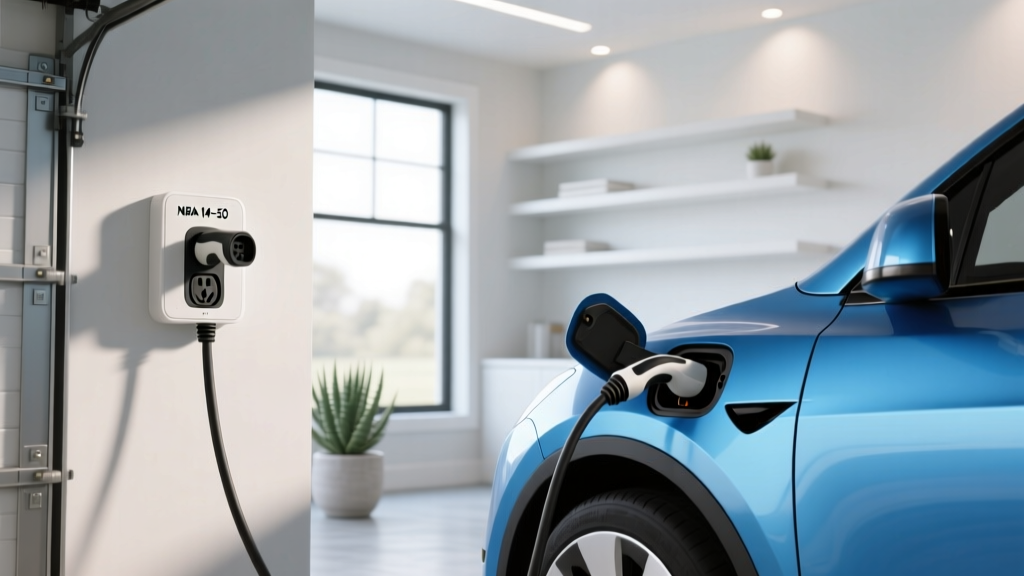
- Level 2 Home Charging: The onboard charger is capped at 11 kW. On a 48-amp home charger, you will add roughly 35 miles of range per hour, achieving a full overnight recharge in about 8 hours.
The Lease Advantage: Tax Credits and Pricing
The primary driver for the 2026 Polestar 2 lease is the 'lease loophole' (commercial vehicle credit). Under current IRS rules, leases are often eligible for a $7,500 incentive that is passed from the leasing company to the consumer as a capitalized cost reduction. This allows the Polestar 2 to bypass the strict battery sourcing and MSRP caps that often disqualify it from the standard §30D purchase credit.
| Financial Element | Estimated Cost (LRSM) |
|---|---|
| Base MSRP | $49,900 |
| Lease Cash/Credit | -$7,500 (passed through) |
| Adjusted Cap Cost | $42,400 |
| Typical Monthly (36mo/10k) | ~$529/month |
Driving Dynamics and Tech
The Polestar 2 continues to use the Android Automotive OS (AAOS), which remains the most intuitive infotainment system in the segment. Google Maps integration for route planning and battery preconditioning is seamless. The available Pilot Pack includes Level 2 driver-assist features like adaptive cruise and lane-centering, though it still requires constant driver supervision.
Is the Polestar 2 Right for You?
Choose the Polestar 2 if: You prioritize build quality, minimalist design, and native Tesla Supercharger access without the 'Tesla badge' stigma.
Look elsewhere if: You need maximum cargo utility (the liftback is smaller than a Model Y) or you require the longest possible range for rural commuting.
Pros and Cons Summary
- Native NACS/Supercharger access for 2026
- Premium interior materials and build quality
- $7,500 lease incentive widely available
- Rear-seat legroom is tight for taller adults
- Efficiency drops significantly in cold weather
- Regenerative braking is less aggressive than competitors
FAQ
Does the Polestar 2 qualify for the $7,500 tax credit?
If you lease, you likely qualify for the incentive via the leasing company. If you purchase, it often fails the §30D battery sourcing requirements.
How does the range compare to the Tesla Model 3?
The Model 3 Long Range is more efficient, typically offering 30–40 more miles of real-world range on a similar-sized battery.