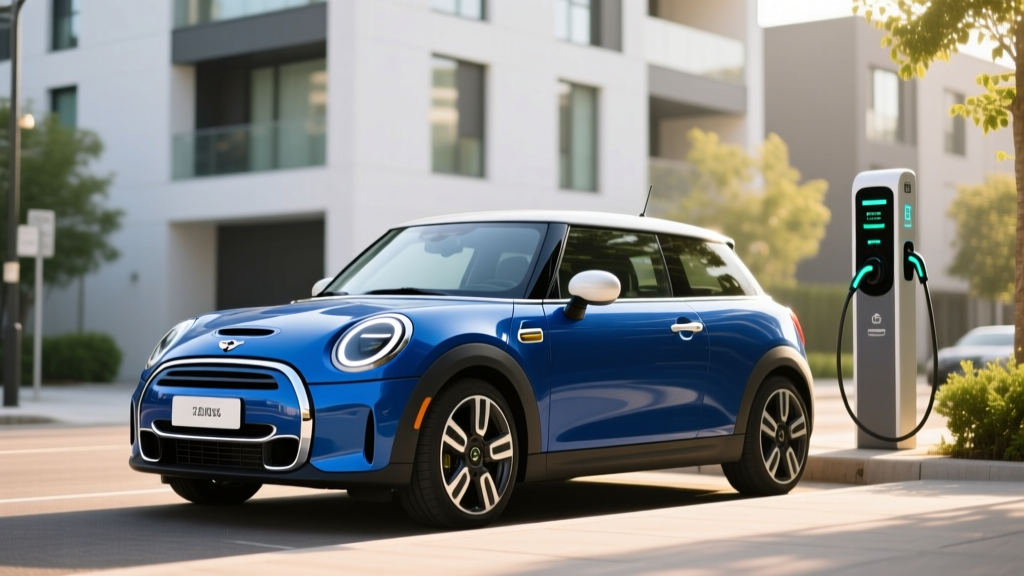
Shoppers searching for mini electric cars for sale in 2026 face a paradox: the segment is booming globally, but the U.S. market offers frustratingly few choices. The 2026 Mini Cooper Electric (officially the Cooper SE in some trims) remains one of the only premium subcompact EVs you can actually buy stateside — a stylish, city-friendly hatchback that prioritizes driving dynamics over maximum range. After spending time with the latest model year, we've compiled everything you need to know about its real-world efficiency, charging behavior, tax-credit eligibility, and whether its limited range is a dealbreaker or a non-issue for the right buyer.
2026 Mini Cooper Electric: Quick Verdict
The 2026 Mini Cooper Electric is a compelling urban EV that trades long-distance capability for personality, handling, and a premium cabin experience. With an EPA-estimated 146 miles of range, it's not a road-trip vehicle — but for daily commutes under 60 miles round-trip with home charging access, it's one of the most engaging small EVs available. The new-generation platform (introduced for the 2025 model year and carried into 2026) finally moves past the original Cooper SE's 114-mile limitation, adding faster DC charging and an updated interior dominated by a circular OLED display.
| Spec | Value |
|---|---|
| EPA Range | 146 miles (Classic/Signature); 146 miles (Iconic) |
| Battery (usable) | 40.7 kWh, NMC chemistry |
| Motor Output | 215 hp / 243 lb-ft torque (FWD) |
| 0–60 mph | 6.7 seconds |
| DC Fast Charge (peak) | 95 kW |
| 10–80% DC Charge | ~30 minutes |
| Level 2 Charge Rate | 11 kW (~37 miles/hr) |
| Efficiency | 114 MPGe combined / 29 kWh/100mi |
| Cargo Volume | 7.1 cu ft (rear seats up) |
| Base MSRP | $30,900 (Classic trim) |
| Battery Warranty | 8 years / 100,000 miles |
Range & Efficiency: What the EPA Number Doesn't Tell You
The EPA rates the 2026 Mini Cooper Electric at 146 miles on a full charge across all trims. That figure places it well behind the Hyundai Kona Electric (261 miles) and the Chevrolet Equinox EV (~315 miles), but ahead of the original 2020–2024 Cooper SE's anemic 114 miles. The 40.7 kWh usable battery pack uses NMC (nickel manganese cobalt) chemistry, which offers better energy density than LFP but requires more careful thermal management in extreme temperatures.
EPA estimate: 146 miles
Expected highway range (70 mph, mild weather): ~120–130 miles
Expected city range (regenerative braking advantage): ~140–155 miles
Cold-weather range (20°F, heater on): ~95–110 miles
Mini does not include a heat pump as standard on the Classic trim — it's bundled in cold-weather packages on higher trims. Without a heat pump, winter range loss can exceed 30%. If you live north of the 37th parallel, prioritize a trim with the heat pump option.
Efficiency is rated at 114 MPGe combined (29 kWh per 100 miles), which is average for the subcompact segment. The Cooper Electric isn't the most efficient small EV — the Nissan LEAF and Hyundai Kona Electric both edge it out slightly — but its relatively light curb weight (~3,600 lbs) helps it avoid the efficiency penalties that plague heavier crossovers.
Charging Speed: DC Fast, Level 2, and the 95 kW Curve
Charging is where the 2026 Cooper Electric shows meaningful improvement over its predecessor. The previous generation's 50 kW DC fast-charge ceiling was a significant roadblock; the new platform supports up to 95 kW peak on DC fast chargers with CCS1 connectors.
| Charging Level | Power / Rate | Time / Range Added |
|---|---|---|
| Level 1 (120V household) | ~1.4 kW | ~5 miles per hour |
| Level 2 (240V home/public) | 11 kW | ~37 miles per hour; full charge in ~4.5 hours |
| DC Fast Charge (CCS1) | 95 kW peak | 10–80% in ~30 min; tapers significantly above 80% |
The 10–80% DC charge time of roughly 30 minutes is competitive for a small-battery EV, but buyers should understand the charge curve. The Cooper Electric holds near-peak rates (80–95 kW) only between approximately 10% and 40% state of charge. From 40–60%, rates drop to around 60–70 kW, and above 80% SoC, charging slows dramatically to protect the NMC cells. Plan to charge to 80% on road trips and move on rather than waiting for a full top-off.
At home, the 11 kW onboard charger is a highlight. Many competitors in this price range still use 7.2 kW or 7.7 kW onboard chargers, meaning the Cooper Electric refills noticeably faster on a Level 2 home setup. A full overnight charge from near-empty takes about 4.5 hours — well within any typical overnight parking window. For home installation, expect to spend between $800 and $2,000 for a quality Level 2 wallbox plus electrician labor, depending on your panel capacity and conduit run. See our home charging installation guide for a detailed cost breakdown.
Performance & Driving Dynamics
Mini has built its reputation on go-kart handling, and the electric Cooper preserves that DNA despite the added battery weight. The front-mounted electric motor produces 215 horsepower and 243 lb-ft of torque, driving the front wheels exclusively. The 0–60 mph sprint takes 6.7 seconds — quick enough for confident highway merging and genuinely fun off the line thanks to instant electric torque delivery.
What sets the Cooper Electric apart from competitors like the Kona Electric or Nissan LEAF is steering feel and chassis tuning. The electric power steering is weighted and communicative by subcompact standards, and the low center of gravity (battery pack under the floor) keeps body roll well-controlled through corners. The multi-link rear suspension is a rarity in this price class and contributes to the car's composed ride over rough pavement.
Regenerative braking offers multiple levels adjustable through the drive-mode selector, though Mini has stopped short of true one-pedal driving in the U.S. market. Expect to use the friction brakes more often than you would in a Nissan LEAF or a Tesla Model 3 on max regen.
Interior, Tech & Practicality
The 2026 Cooper Electric's cabin is dominated by a 9.4-inch circular OLED display at the center of the dashboard — a modern reinterpretation of Mini's iconic round gauge cluster. The MINI Operating System 9 handles navigation, media, and vehicle settings, with wireless Apple CarPlay and Android Auto as standard. The interface is visually distinctive but can require more taps than rival systems for common tasks like climate adjustment.
Driver-assistance features include forward collision warning, automatic emergency braking, lane-departure warning, and park distance control. Adaptive cruise control with stop-and-go is available on Signature and Iconic trims. Note: these are SAE Level 1–2 driver-assistance features, not autonomous driving systems. You must remain fully engaged with the driving task at all times.
Practicality is where the Cooper Electric demands compromise. Rear-seat legroom measures just 33.2 inches, which is tight for adults on longer trips. Cargo space behind the rear seats is 7.1 cubic feet — enough for a week of groceries or two carry-on bags, but significantly less than the Hyundai Kona Electric (25.5 cu ft) or even the discontinued Chevrolet Bolt EUV. Fold the rear seats and you get approximately 25 cubic feet, which is more usable but still modest.
The front trunk (frunk) is essentially nonexistent — Mini uses the hood space for the power electronics and cooling systems, so all cargo must go in the rear hatch area.
Pricing, Trims & Federal Tax Credit Eligibility
The 2026 Mini Cooper Electric is offered in three trims, all sharing the same battery and motor:
| Trim | Base MSRP | Key Additions |
|---|---|---|
| Classic | $30,900 | Base equipment, 16" wheels, circular OLED display |
| Signature | $34,900 | Heated seats, panoramic roof, adaptive cruise, LED matrix headlights |
| Iconic | $38,900 | Harman Kardon audio, head-up display, premium leather, navigation |
Federal Tax Credit (§30D): As of the 2026 tax year, the Mini Cooper Electric's eligibility for the full $7,500 federal tax credit is uncertain and likely partial or unavailable due to battery-sourcing and critical-mineral requirements under the Inflation Reduction Act. Mini (owned by BMW Group) manufactures the Cooper Electric in China and sources battery cells from suppliers that may not meet the §30D critical-minerals and battery-component thresholds. Per IRS guidelines, vehicles must meet escalating domestic-content and sourcing percentages each year to qualify.
- MSRP cap: ✅ Passes — base MSRP under the $55,000 sedan/hatchback cap
- Buyer income cap: Varies — AGI must not exceed $150K single / $300K joint filer
- Final assembly in North America: ❌ Assembled in China — this alone may disqualify the vehicle
- Battery critical minerals (2026: 80% threshold): Likely does not meet threshold
- Battery components (2026: 100% threshold, no FEOC): Likely does not meet threshold
- Point-of-sale transfer: Available only if the vehicle qualifies
Always verify current eligibility on fueleconomy.gov before purchasing. Consult a tax professional for your specific situation.
Without the federal credit, the Cooper Electric's effective price sits between roughly $31,000 and $39,000 depending on trim and options. Some state and utility incentives may still apply — check your local DMV and utility provider for details.
Warranty & Long-Term Battery Outlook
Mini covers the Cooper Electric's high-voltage battery with an 8-year / 100,000-mile warranty, guaranteeing a minimum of 70% capacity retention over that period. This is standard for the industry and matches competitors like Hyundai, Kia, and Volkswagen. The basic vehicle warranty runs 4 years / 50,000 miles.
NMC battery chemistry in the Cooper Electric has shown acceptable degradation in early European-market data (the new-gen model launched in Europe ahead of the U.S.). Expect approximately 8–12% capacity loss over the first 100,000 miles under normal use patterns. To maximize longevity, avoid frequent DC fast charging above 80% SoC, and use the vehicle's built-in charge-limit setting to cap daily charging at 80–90%.
How the Cooper Electric Compares to Key Rivals
For buyers browsing mini electric cars for sale, the Cooper Electric competes in a small but important segment. Here's how it stacks up:
| Metric | Mini Cooper Electric | Hyundai Kona Electric | Nissan LEAF S |
|---|---|---|---|
| EPA Range | 146 mi | 261 mi | 212 mi |
| Battery | 40.7 kWh (NMC) | 64.8 kWh (NMC) | 60 kWh (NMC) |
| DC Fast Charge | 95 kW | 100+ kW | CHAdeMO ~50 kW |
| 0–60 mph | 6.7 sec | 7.4 sec | 7.4 sec |
| Base MSRP | $30,900 | $32,975 | $29,135 |
| Cargo (rear seats up) | 7.1 cu ft | 25.5 cu ft | 23.6 cu ft |
| Connector | CCS1 | CCS1 / NACS | CHAdeMO |
The Kona Electric wins on range and cargo space by a wide margin. The LEAF is cheaper but stuck on the aging CHAdeMO connector standard, which limits DC fast-charging access as networks transition to CCS and NACS. The Cooper Electric wins on driving dynamics, interior design quality, and charging speed relative to its battery size — but its 146-mile range and tight rear quarters are real limitations that no amount of charm can erase.
Choose the Cooper Electric if:
- Your daily round-trip commute is under 60 miles and you have reliable home Level 2 charging
- You prioritize driving enjoyment and premium interior feel over maximum range
- You live in a city or suburb where compact dimensions matter for parking
- You rarely take road trips over 150 miles one-way
Look elsewhere if:
- You need over 200 miles of range for frequent highway driving
- You regularly carry rear-seat passengers or need significant cargo space
- You depend on the $7,500 federal tax credit to make the math work
- You live in a very cold climate and cannot access a heat-pump-equipped trim
- Engaging, go-kart-like handling rare in the EV segment
- Premium interior with distinctive circular OLED display
- 11 kW Level 2 onboard charger exceeds most competitors
- 95 kW DC fast charging is a major upgrade over prior generation
- Compact dimensions ideal for urban parking
- 146-mile EPA range limits road-trip utility
- Likely ineligible for the $7,500 federal tax credit
- Tight rear seat and minimal cargo space (7.1 cu ft)
- No heat pump on base Classic trim
- No frunk for additional storage
Frequently Asked Questions
What is the real-world range of the 2026 Mini Cooper Electric?
The EPA rates it at 146 miles, but expect roughly 120–130 miles on the highway in mild weather and as low as 95–110 miles in cold conditions (below 30°F) without a heat pump. City driving with regenerative braking can push range close to or slightly above the EPA figure.
How fast does the Mini Cooper Electric charge at home and on DC fast chargers?
On a Level 2 home charger (240V), the 11 kW onboard charger adds about 37 miles of range per hour, fully recharging the 40.7 kWh battery in roughly 4.5 hours. On a DC fast charger, it peaks at 95 kW and charges from 10% to 80% in approximately 30 minutes, though rates taper significantly above 80% SoC.
Does the 2026 Mini Cooper Electric qualify for the $7,500 federal EV tax credit?
Likely not. The Cooper Electric is assembled in China, which fails the North American final-assembly requirement under IRS §30D rules. Battery-sourcing requirements for 2026 also present barriers. Always confirm eligibility on fueleconomy.gov before purchasing and consult a tax professional.
Is the Mini Cooper Electric worth buying over the Hyundai Kona Electric?
It depends on your priorities. If range, cargo space, and tax-credit eligibility matter most, the Kona Electric (261 miles EPA, $32,975 base) is the more practical choice. If you value driving dynamics, premium interior design, and a compact footprint for city life, the Cooper Electric offers an experience the Kona can't match — at the cost of 115 fewer miles of range.
What is the biggest drawback of the Mini Cooper Electric?
The 146-mile EPA range combined with a small cargo area (7.1 cu ft) and likely tax-credit ineligibility. It's a car that asks you to accept real compromises in exchange for character and driving enjoyment — and that trade-off only works if your daily driving needs are modest and predictable.
How long will the Mini Cooper Electric battery last?
Mini warranties the high-voltage battery for 8 years or 100,000 miles against degradation below 70% capacity. Based on NMC chemistry benchmarks, expect 8–12% total capacity loss over the first 100,000 miles under normal use, translating to roughly 130 miles of range (down from 146) at that mileage point.