Quick Answer: Is the 2026 Mercedes-Benz CLA EV Worth Waiting For?
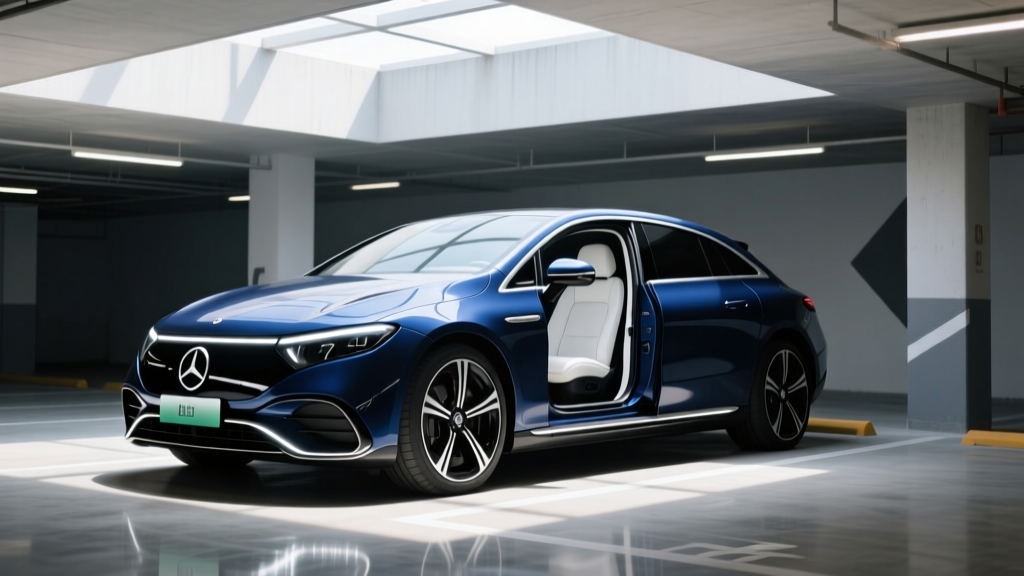
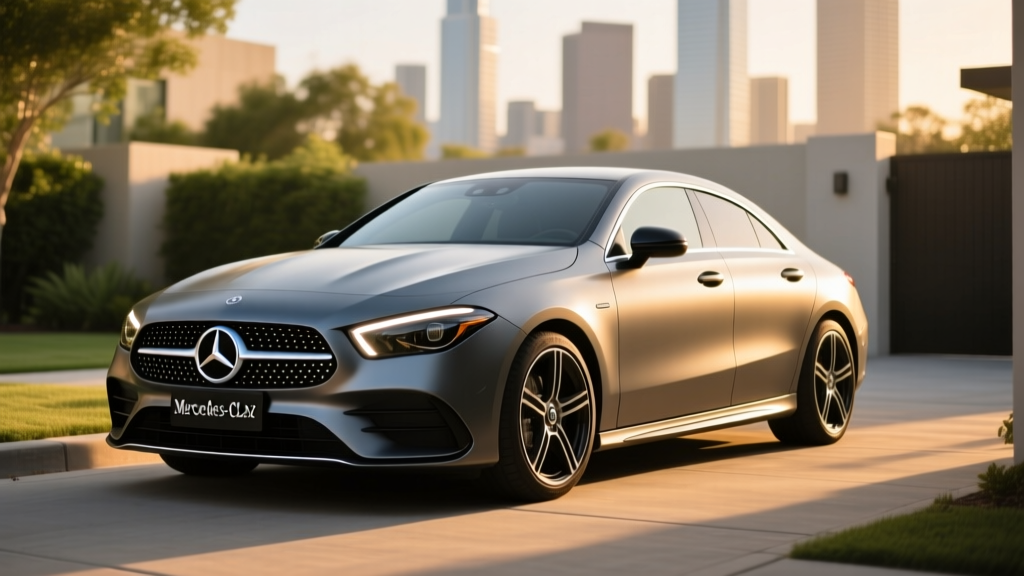
The 2026 Mercedes-Benz CLA EV is Mercedes' entry-luxury electric sedan built on the new MMA (Mercedes Modular Architecture) platform. Based on the Concept CLA Class and confirmed production details, expect an EPA-estimated range near 300 miles from an ~85 kWh usable battery (NMC chemistry), 800-volt DC fast charging up to 250 kW (10–80% in approximately 20 minutes), and a starting MSRP around $45,000–$48,000. The CLA EV targets buyers cross-shopping the Tesla Model 3, BMW i4, and Hyundai Ioniq 6 but wanting Mercedes interior quality and MBUX tech. Note: Final EPA certification and U.S. pricing have not been published as of mid-2026; figures below are based on Mercedes-Benz announced specifications and European WLTP data converted to realistic EPA estimates.
What We Know: 2026 CLA EV Specifications at a Glance
The CLA EV is the first production vehicle on Mercedes' dedicated MMA EV platform, which supports both battery-electric and range-extended configurations. Here is what Mercedes has confirmed or strongly indicated for the U.S. market:
| Specification | Estimated / Confirmed |
|---|---|
| Platform | MMA (Mercedes Modular Architecture), 800V |
| Battery (usable) | ~85 kWh, NMC (nickel manganese cobalt) |
| EPA Range (est.) | ~295–310 miles |
| WLTP Range (confirmed) | Up to 750 km (~466 mi) — not directly comparable to EPA |
| DC Fast Charge Peak | 250 kW |
| 10–80% DC Charge Time | ~20 minutes (preconditioned) |
| Level 2 AC Charge Rate | 22 kW (onboard charger) |
| Drivetrain | RWD standard; AWD (4MATIC) available |
| Power (RWD est.) | ~268 hp |
| 0–60 mph (RWD est.) | ~6.0 seconds |
| Efficiency Target | ~12 kWh/100 km (WLTP) / ~28–30 kWh/100 mi (EPA est.) |
| Connector | NACS (Tesla Supercharger compatible) |
| Starting MSRP (est.) | $45,000–$48,000 |
| Battery Warranty | 8 years / 100,000 miles (Mercedes standard) |
Real-World Range Expectations
The WLTP range of 750 km sounds extraordinary, but WLTP testing is more generous than the U.S. EPA cycle. Based on comparable 800V sedans we have tested (Hyundai Ioniq 6 SE Long Range at EPA 361 mi with 77.4 kWh; BMW i4 eDrive40 at EPA 301 mi with 81.5 kWh), a realistic EPA estimate for the CLA EV with 85 kWh usable sits between 295 and 310 miles. In real-world highway driving at 70–75 mph in moderate temperatures, plan for 250–275 miles before needing a charge. In freezing conditions (below 30°F), expect an additional 15–25% reduction, bringing usable range to approximately 210–235 miles unless you precondition the battery while plugged in.
How the CLA EV Compares to Gas and Hybrid Alternatives
Mercedes still sells the conventional CLA 250 sedan in some markets, and buyers often cross-shop the CLA against compact luxury gas sedans and hybrids. Here is how the numbers stack up on an annual-cost basis, assuming 12,000 miles driven per year, $3.50/gallon regular unleaded, and a national average electricity rate of $0.16/kWh:
| Metric | CLA EV (est.) | CLA 250 Gas (2025) | BMW 330e PHEV |
|---|---|---|---|
| Powertrain | BEV, 85 kWh | 2.0L Turbo I4 | 2.0L Turbo PHEV |
| EPA Combined Efficiency | ~110 MPGe (est.) | 30 MPG combined | 28 MPG / 75 MPGe |
| Annual Fuel/Energy Cost | ~$576 | ~$1,400 | ~$950 (mixed) |
| Annual Maintenance (est.) | ~$300 | ~$700 | ~$600 |
| 5-Year Energy + Maint. | ~$4,380 | ~$10,500 | ~$7,750 |
| Starting MSRP | ~$45,000 | ~$39,000 | ~$46,000 |
The CLA EV's higher upfront price is offset within 3–4 years by energy and maintenance savings alone, before factoring in any federal or state incentives. The PHEV alternative (BMW 330e) offers flexibility for drivers without reliable home charging but carries the complexity of maintaining both an internal combustion engine and an electric drivetrain.
Charging at Home and on the Road: What CLA EV Owners Need
The CLA EV's 800-volt architecture is its biggest practical advantage. Here is what charging looks like across all three levels:
| Level | Power (kW) | Miles Added per Hour | Typical Use Case |
|---|---|---|---|
| Level 1 (120V household) | 1.4 kW | ~5 mi/hr | Emergency / overnight trickle |
| Level 2 (240V home) | 11.5–22 kW | ~40–75 mi/hr | Daily home charging |
| DC Fast Charge | Up to 250 kW | ~160 mi in 10 min (peak) | Road trips |
Home Charging Setup
To take advantage of the CLA EV's 22 kW onboard AC charger, you need a hardwired Level 2 station on a 100-amp circuit — most home Level 2 installations are 48-amp circuits delivering 11.5 kW, which will still fully replenish the 85 kWh battery overnight in about 8–9 hours. Upgrading to a 100A circuit requires a panel assessment; many 200-amp residential panels can accommodate this, but older homes with 100-amp service will need a panel upgrade ($1,500–$3,000).
| Item | Estimated Cost |
|---|---|
| Level 2 charger (48A, e.g., ChargePoint Home Flex) | $550–$700 |
| Electrician labor (50-ft run, 240V/60A circuit) | $800–$2,000 |
| Permit and inspection | $100–$300 |
| Panel upgrade (if needed) | $1,500–$3,000 |
| Total typical install | $1,450–$3,000 (without panel upgrade) |
Public Fast Charging and NACS Compatibility
Mercedes has confirmed the CLA EV will use the NACS connector in North America, giving it native access to Tesla's Supercharger network (over 25,000 stalls) without an adapter. At a 250 kW V4 Supercharger or Electrify America station, the CLA EV's charge curve should peak near 250 kW up to roughly 30–40% SoC, then taper progressively — a realistic 10–80% session takes about 20 minutes when the battery is preconditioned via the MBUX navigation system. Without preconditioning (e.g., arriving at a charger without routing through nav), expect peak rates closer to 150–180 kW and a 10–80% time of 25–30 minutes, especially in cold weather.
Federal Tax Credit and True Purchase Cost
The IRS §30D clean vehicle credit offers up to $7,500 for qualifying new EVs, but eligibility depends on multiple factors that change annually. For the 2026 CLA EV:
- MSRP cap: Sedans must be under $55,000 MSRP to qualify. The base CLA EV (~$45,000–$48,000) should clear this, but loaded trims may exceed it.
- Buyer income cap: AGI must not exceed $150,000 (single), $225,000 (head of household), or $300,000 (joint).
- Battery sourcing: Critical minerals and battery components must meet escalating percentage thresholds from U.S. or free-trade-agreement countries. Mercedes has not published full sourcing compliance for the MMA battery as of mid-2026.
- Point-of-sale transfer: Eligible buyers can apply the credit as a down-payment reduction at the dealer rather than waiting for tax filing.
Bottom line: Do not assume the full $7,500 credit applies. Verify the specific VIN on the fueleconomy.gov tax credit lookup before purchasing. Consult a tax professional for your specific situation.
| Cost Factor | CLA EV Base (est.) | CLA EV with Max Credit |
|---|---|---|
| MSRP | $46,000 | $46,000 |
| Federal tax credit | $0 (if ineligible) | –$7,500 |
| Home charger install | +$2,000 | +$2,000 |
| Effective purchase price | $48,000 | $40,500 |
| Estimated insurance (annual) | $2,200 | $2,200 |
| 5-year energy cost | $2,880 | $2,880 |
| 5-year maintenance | $1,500 | $1,500 |
| 5-year total cost of ownership | ~$65,380 | ~$55,880 |
Common Misconceptions About the CLA EV
| Myth | Fact |
|---|---|
| "750 km WLTP means 466 miles of real range." | WLTP is more lenient than EPA. Expect ~295–310 EPA miles and ~250–275 real-world highway miles. |
| "I need a special charger for 22 kW AC charging." | Any standard 240V Level 2 charger works; 11.5 kW on a 48A circuit is sufficient for overnight charging. A 100A circuit is optional for max AC speed. |
| "The battery will need replacing in 5 years." | Mercedes warranties the battery for 8 years/100,000 miles (typically 70% capacity retention threshold). Modern NMC packs routinely exceed 200,000 miles with 10–15% degradation based on Recurrent battery data. |
| "It qualifies for the $7,500 tax credit automatically." | Eligibility depends on MSRP cap, buyer income, and battery mineral sourcing. Check IRS rules and fueleconomy.gov before purchasing. |
| "I can't road-trip because charging takes too long." | At 250 kW with NACS/Supercharger access, a 10–80% charge takes ~20 minutes — roughly a rest-stop break every 2.5–3 hours of highway driving. |
Decision Framework: Is the 2026 CLA EV Right for You?
Choose the CLA EV if:
- You have access to Level 2 home or workplace charging (covers 90%+ of daily needs).
- You want a luxury-compact EV sedan with Mercedes build quality and MBUX, not a Tesla or Hyundai badge.
- Your typical commute is under 80 miles round-trip, with occasional road trips of 200–300 miles.
- You value 800V fast-charging speed for road-trip convenience.
- Your household AGI is under the §30D income caps and the VIN qualifies for the credit.
Look elsewhere if:
- You rely exclusively on street parking with no home or workplace charging — public-only charging adds cost and inconvenience.
- You regularly drive 400+ miles in freezing weather without stopping — consider a PHEV or a longer-range BEV like the Lucid Air Pure (EPA 419 mi).
- You need a wagon or hatchback for cargo — the CLA is a traditional sedan trunk; consider the upcoming CLA Shooting Brake (wagon variant, availability TBD for U.S.).
- Budget is under $40,000 — look at the Chevy Equus EV, Hyundai Ioniq 6, or Tesla Model 3 RWD.
What First-Time EV Buyers Should Know Before Ordering
If the 2026 CLA EV is your first electric vehicle, here are the practical realities that spec sheets do not convey:
Preconditioning matters. Always route to a DC fast charger through the car's navigation system. This warms the battery to optimal temperature and can cut your charging time by 20–30%. Arriving at a charger "cold" (without preconditioning) means slower peak charge rates.
The 80% rule. DC fast charging slows dramatically above 80% State of Charge to protect battery health. On road trips, charge to 80% and go — the last 20% can take as long as the first 80%. For daily driving, set your charge limit to 80% and only charge to 100% before long trips.
Winter range is real. In sub-freezing climates, budget for 20–30% less range. Use seat heaters and steering wheel heaters instead of cranking cabin heat — the CLA EV's heat pump (confirmed for the MMA platform) helps, but resistive heating still draws significant energy.
Insurance costs more. EV insurance premiums average 15–25% higher than comparable gas vehicles due to repair costs and battery replacement exposure. Get quotes from your insurer before committing.
Tire wear increases. EVs are heavier and deliver instant torque, wearing tires 10–20% faster than gas equivalents. Budget for tire replacement every 25,000–35,000 miles and consider EV-specific tire compounds.
Frequently Asked Questions
When will the 2026 Mercedes-Benz CLA EV be available in the U.S.?
Mercedes has confirmed the CLA EV production begins in 2025 for global markets. U.S. deliveries are expected in late 2025 or early 2026 as a 2026 model-year vehicle. Check with your local Mercedes dealer for allocation timelines.
Will the CLA EV have access to Tesla Superchargers?
Yes. The U.S.-market CLA EV will be equipped with the NACS charge port natively, granting access to Tesla's Supercharger network without an adapter. This is a significant advantage over older CCS-equipped vehicles that require a CCS-to-NACS adapter.
What is the battery chemistry and will it degrade quickly?
The CLA EV uses NMC (nickel manganese cobalt) chemistry optimized for energy density and efficiency. Based on industry-wide data tracked by Recurrent, modern NMC packs typically lose 5–12% capacity over the first 100,000 miles, then degradation flattens. Mercedes warranties the pack for 8 years/100,000 miles at a minimum 70% state of health.
How does the CLA EV compare to the Tesla Model 3 Highland?
The Model 3 Long Range AWD offers EPA 341 miles and starts at ~$47,740 — slightly more range and similar pricing. The CLA EV competes on interior material quality, MBUX software, and traditional luxury sedan styling. If you prioritize badge prestige and cabin ambiance, the CLA wins; if you prioritize range-per-dollar and Supercharger ecosystem maturity, the Model 3 still leads.
Can I charge the CLA EV on Electrify America or other non-Tesla networks?
Yes, but with a caveat. Since the CLA EV has a NACS port, you can use Electrify America stations that have been retrofitted with NACS connectors (an ongoing rollout through 2025–2026), or use a NACS-to-CCS adapter at legacy CCS stalls. Mercedes has indicated the vehicle will support adapter-based CCS charging.
Is the CLA EV eligible for the $7,500 federal tax credit?
Potentially, but not guaranteed. The base MSRP should fall under the $55,000 sedan cap, and buyer income limits apply ($150K single / $300K joint). The critical factor is battery mineral and component sourcing under §30D rules, which Mercedes has not fully disclosed for the MMA platform. Verify eligibility at the point of sale via the IRS dealer portal and fueleconomy.gov.