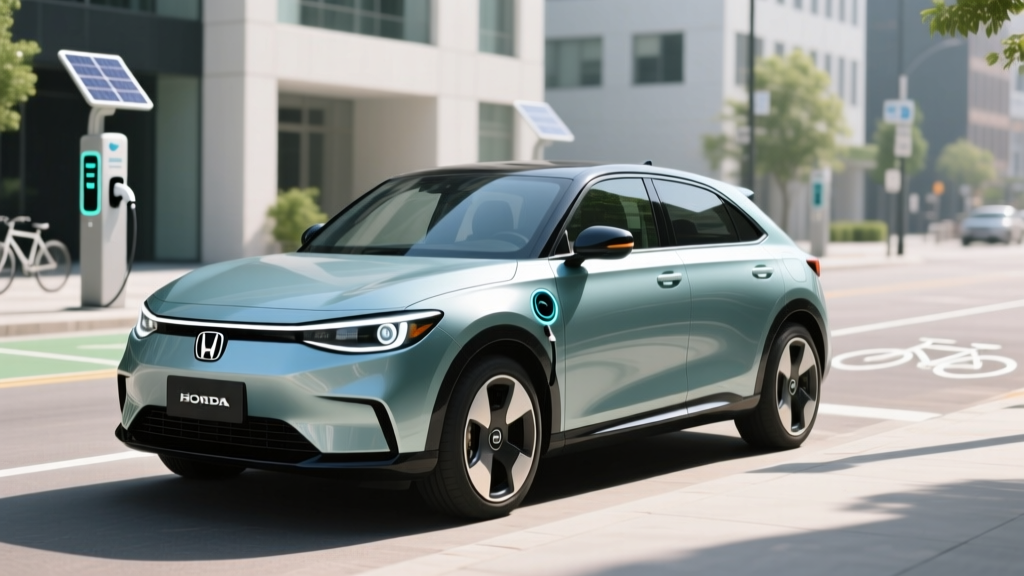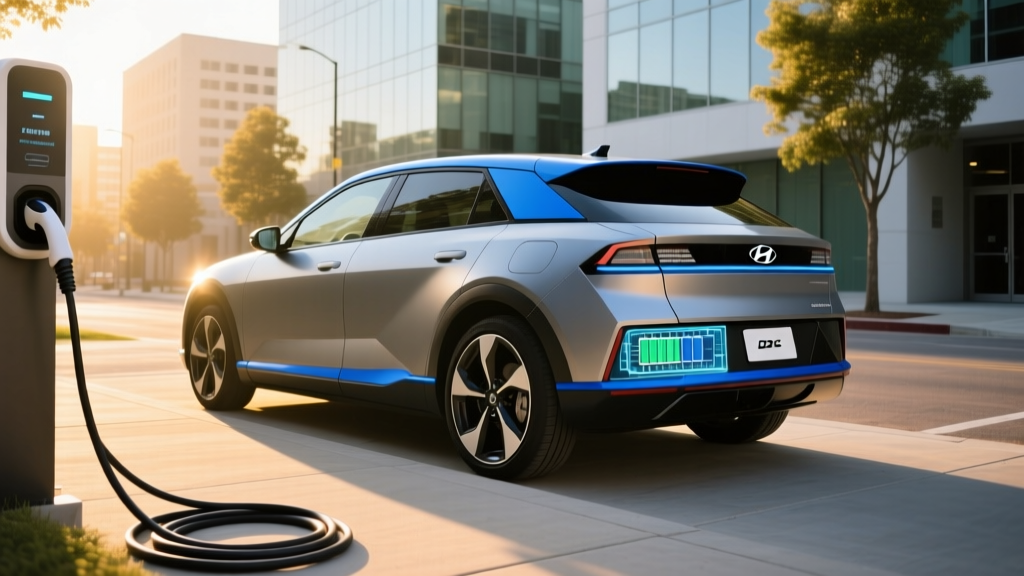
The Hyundai Ioniq 5 has been one of the most capable mainstream electric crossovers since its 2022 debut, and the 2026 Ioniq 5 carries forward the formula that made it a segment benchmark — with meaningful refinements. Built on Hyundai Motor Group's Electric-Global Modular Platform (E-GMP) with its native 800-volt architecture, the Ioniq 5 continues to offer class-leading DC fast-charging speeds, a usable EPA range north of 300 miles on rear-wheel-drive trims, and a practical hatchback body style. For 2026, Hyundai has updated the battery pack chemistry options, revised the infotainment system, and expanded the availability of its Highway Driving Assist 2 (HDA 2) system across more trims.
But specs on paper only tell part of the story. Below, we break down the 2026 Ioniq 5 with the numbers that actually matter to EV buyers: real-world range expectations, sustained charging-curve behavior, home-charging practicality, federal tax credit eligibility under current IRS §30D rules, and how it stacks up against the Tesla Model Y, Ford Mustang Mach-E, and Kia EV6.
2026 Ioniq 5 at a Glance: Key Specifications
| Spec | SE / SEL RWD (Standard Range) | SE / SEL RWD (Long Range) | SEL / Limited AWD | Ioniq 5 N |
|---|---|---|---|---|
| EPA Range | 245 mi | 303 mi | 276 mi | 221 mi |
| Battery (usable) | 58 kWh (LFP) | 84 kWh (NMC) | 84 kWh (NMC) | 84 kWh (NMC) |
| Horsepower | 168 hp | 225 hp | 320 hp | 641 hp (N Grin Boost) |
| 0-60 mph | 7.4 sec | 7.0 sec | 4.5 sec | 3.3 sec |
| Drivetrain | RWD | RWD | AWD (dual-motor) | AWD (dual-motor) |
| Max DC Charge Rate | 175 kW | 240 kW | 240 kW | 240 kW |
| 10-80% DCFC Time | ~22 min | ~18 min | ~18 min | ~18 min |
| Level 2 (240V) Rate | 10.9 kW | 10.9 kW | 10.9 kW | 10.9 kW |
| EPA Efficiency (combined) | 123 MPGe | 114 MPGe | 101 MPGe | 85 MPGe |
| Base MSRP | $42,600 | $47,850 | $53,400 | $67,500 |
Sources: fueleconomy.gov, Hyundai News. Prices include destination. Specs reflect 2026 model year.
Real-World Range: What the EPA Number Doesn't Tell You
EPA estimate: 303 miles
Highway (70-75 mph, 65°F): ~255-275 miles
City / mixed driving (65°F): ~285-300 miles
Cold weather (30°F, highway, heater on): ~210-240 miles
Mountain / high-elevation terrain: Varies significantly; regen on descents partially offsets climb consumption
The 303-mile EPA figure on the Long Range RWD is competitive within the segment, but EPA testing uses a weighted 55% city / 45% highway cycle at moderate speeds. In our experience, sustained highway driving at 70-75 mph pulls efficiency down to roughly 3.3-3.5 miles per kWh (from the EPA-rated 3.4 mi/kWh), yielding about 255-275 miles before you'd want to find a charger. This is typical for a boxy crossover — aerodynamic drag is the Ioniq 5's biggest efficiency enemy at speed.
Cold weather compounds the issue. The 84 kWh NMC pack in the Long Range and AWD trims loses roughly 15-25% of usable capacity at 30°F and below, primarily due to increased cabin heating load and reduced battery electrochemical efficiency. Hyundai includes a battery preconditioning function (activated when you navigate to a DC fast charger) and a standard heat pump on all trims — both of which help, but won't eliminate the cold-weather penalty entirely. If you live in a northern climate and commute more than 60 miles round-trip, the Standard Range RWD's 245-mile EPA rating may feel thin in January.
The Standard Range models use a 58 kWh LFP (lithium iron phosphate) battery. LFP chemistry sacrifices some energy density (hence the lower range) but offers superior cycle life — meaning less long-term degradation — and can be charged to 100% daily without the cell-stress concerns of NMC. For urban commuters with home charging, this is a compelling trade-off.
Charging Performance: 800V Architecture Still Pays Off
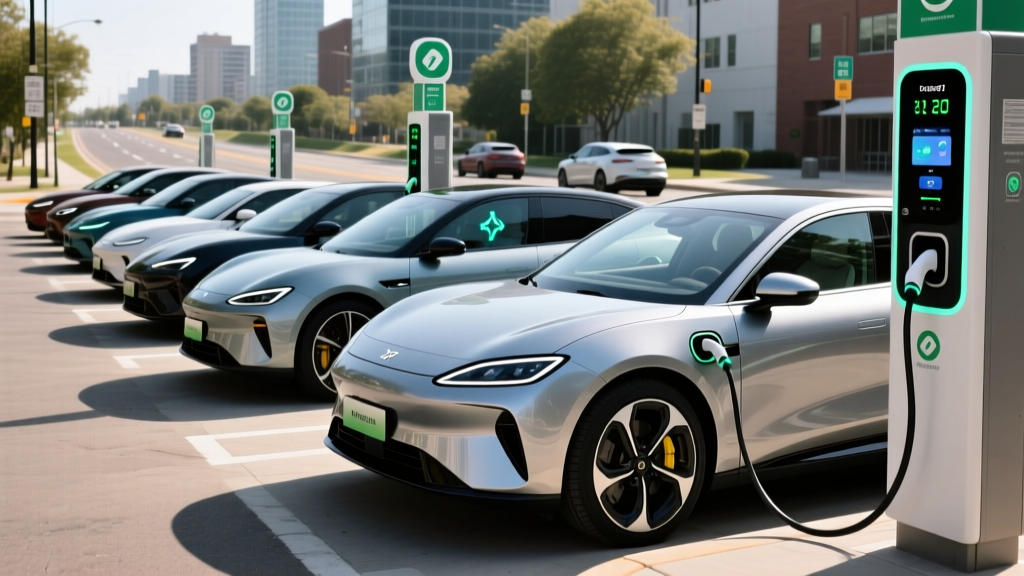
The Ioniq 5's 800-volt E-GMP platform remains one of its strongest differentiators. While most mainstream EVs in this price class charge at 400V and peak around 150 kW, the Ioniq 5's Long Range and AWD trims can accept up to 240 kW at a compatible DC fast charger. Here's what that translates to in practice:
| Charging Method | Power / Voltage | Miles of Range Added per Hour | Notes |
|---|---|---|---|
| Level 1 (120V household outlet) | ~1.4 kW | ~3-5 mi/hr | Emergency/trickle only; full charge takes 60+ hours |
| Level 2 (240V, 48A home charger) | 10.9 kW | ~32-36 mi/hr | Full charge overnight (~8-9 hours for 84 kWh pack) |
| DC Fast Charge (350 kW station) | Peak 240 kW (Long Range/AWD) | ~550-650 mi/hr (peak) | 10-80% in ~18 min; tapers above 80% SoC |
| DC Fast Charge (150 kW station) | ~150 kW sustained | ~380-420 mi/hr | 10-80% in ~25 min; more common station type |
Charging-curve reality check: The 240 kW peak rate is sustained only between approximately 10-55% State of Charge (SoC). Above 55%, the curve tapers progressively — dropping to ~150 kW around 65% SoC and ~80 kW above 80%. This is normal behavior for NMC lithium-ion cells; the Battery Management System (BMS) restricts current to protect cell longevity. The advertised "18-minute 10-80%" time is achievable at a 350 kW-class charger (such as Electrify America or Ionity stalls) when the battery is preconditioned. At a 150 kW station — still the most common DCFC type in the U.S. — expect closer to 25 minutes.
For the Standard Range LFP models, the 175 kW peak is slightly lower but the smaller 58 kWh pack means the absolute charging time remains competitive. LFP cells also tolerate higher sustained charge rates near the top of the SoC window, so the taper above 80% is less aggressive than with NMC.
One practical note for 2026: the Ioniq 5 now comes with a NACS (North American Charging Standard) port as standard equipment, replacing the CCS1 connector used on 2022-2024 models. This grants native access to Tesla's Supercharger network — currently the largest and most reliable DCFC network in the U.S. — without an adapter. If you're upgrading from an older CCS-equipped Ioniq 5, note that your existing CCS adapter will no longer be needed at most stations.
Performance and Driving Dynamics
The 2026 Ioniq 5 lineup spans a wide performance envelope. The RWD Standard Range model's 168 hp is adequate for commuting but unremarkable — 0-60 mph in 7.4 seconds puts it behind most turbocharged gas crossovers. The Long Range RWD bumps output to 225 hp and drops the sprint to 7.0 seconds, which feels brisk in daily driving thanks to the instant torque delivery characteristic of electric motors.
The dual-motor AWD trims (320 hp, 4.5 seconds to 60 mph) deliver genuinely quick acceleration that makes highway merging and passing effortless. The torque-vectoring AWD system can shift power front-to-rear in milliseconds, providing confident traction in rain and light snow.
At the top of the range, the Ioniq 5 N remains Hyundai's performance halo: 641 hp with N Grin Boost engaged, 3.3-second 0-60, simulated gear shifts via the N e-Shift system, and track-capable thermal management. It's a legitimate performance EV, but its 221-mile EPA range and $67,500 price place it in a different conversation from the mainstream trims.
Ride quality on the standard Ioniq 5 is firm but compliant — Hyundai tuned the suspension for European-road composure rather than American-highway float. Road noise is well-controlled at city speeds but becomes noticeable above 70 mph, a common trait among EVs lacking engine noise to mask tire and wind sounds. The available Digital Side Mirrors (standard on Limited trim) reduce drag slightly but take adjustment for drivers accustomed to traditional glass mirrors.
Interior Space, Cargo, and Daily Practicality
The Ioniq 5's flat floor and long 118.1-inch wheelbase (on a 182.7-inch overall length) translate to genuinely generous interior volume:
- Front legroom: 41.7 inches
- Rear legroom: 39.4 inches — enough for 6-foot adults behind a 6-foot driver
- Cargo (behind rear seats): 27.2 cu ft
- Cargo (rear seats folded): 59.3 cu ft
- Front trunk (frunk): 0.85 cu ft (AWD) / 2.0 cu ft (RWD) — fits a charging cable bag, not much more
The flat floor and sliding center console ("Universal Island") are standout features — you can slide the entire armrest forward to exit through the passenger side in tight parking spots. Rear seats recline and slide fore/aft, a feature most competitors omit. The 60/40 split fold is straightforward, though the load floor isn't perfectly flat due to the rear motor subframe on AWD models.
The 2026 model year brings a revised 12.3-inch infotainment display running Hyundai's latest ccNC (Connected Car Navigation Cockpit) software with wireless Apple CarPlay and Android Auto, over-the-air updates, and improved voice recognition. Physical climate controls return — a welcome change after the all-touch-capacitive layout frustrated some owners in earlier model years. The available head-up display with augmented-reality navigation overlays is one of the best implementations in the segment.
Pricing, Trims, and Federal Tax Credit Eligibility
| Trim | Base MSRP (incl. destination) | Est. §30D Credit | Effective Price (if eligible) |
|---|---|---|---|
| SE Standard Range RWD | $42,600 | Up to $7,500 | ~$35,100 |
| SEL Long Range RWD | $49,650 | Up to $7,500 | ~$42,150 |
| SEL AWD | $53,400 | Up to $7,500 | ~$45,900 |
| Limited AWD | $58,900 | Up to $7,500 | ~$51,400 |
| Ioniq 5 N | $67,500 | Up to $7,500 | ~$60,000 |
Federal tax credit (§30D) eligibility is not automatic. Under current IRS rules, the 2026 Ioniq 5 must satisfy several requirements for the buyer to claim the full $7,500 credit:
- MSRP cap: The vehicle must have an MSRP at or below $80,000 for SUVs/trucks — all Ioniq 5 trims qualify.
- Buyer income cap: Adjusted gross income must not exceed $150,000 (single), $225,000 (head of household), or $300,000 (joint filing).
- Battery sourcing: A percentage of critical minerals and battery components must be sourced from the U.S. or FTA-partner countries. These thresholds increase annually. Hyundai has been progressively shifting Ioniq 5 battery supply chains to meet these requirements, with U.S.-assembled vehicles at the Metaplant America facility in Georgia improving eligibility. Confirm the specific VIN's compliance at fueleconomy.gov before purchasing.
- Point-of-sale transfer: As of 2024, buyers can elect to transfer the credit to the dealer at purchase, receiving an immediate price reduction rather than waiting to claim it on their tax return. The dealer must be registered with the IRS.
For the most current sourcing compliance data, consult the IRS clean vehicle credit page. Tax rules change, and this article reflects the framework as of the 2026 model year — always verify with a tax professional before relying on credit eligibility in your purchase decision.
Driver Assistance and Safety Technology
The Ioniq 5's Highway Driving Assist 2 (HDA 2) and available Highway Driving Assist with Lane Change function are SAE Level 2 driver-assistance systems. This means the system can control steering, acceleration, and braking under certain conditions, but the driver must remain fully engaged — hands on or near the wheel, eyes on the road, ready to take over at any moment. This is not autonomous or "self-driving" capability. No production consumer vehicle currently offers Level 3 or higher autonomy for general use in the U.S.
HDA 2 combines adaptive cruise control with stop-and-go, lane-centering assist, and navigation-based speed adjustment (the car will slow for upcoming curves and speed-limit changes). On 2026 SEL and Limited trims, the system adds machine-learning-based lane-change assist: signal a lane change, and the car will execute it if it detects clear space. In practice, the system is conservative — it waits for a large gap and accelerates smoothly — which inspires confidence but can frustrate aggressive drivers.
The Ioniq 5 earns strong safety credentials: a 5-star overall rating from NHTSA and IIHS Top Safety Pick+ designation (when equipped with specific headlight packages). Standard active safety includes forward collision-avoidance assist with pedestrian and cyclist detection, blind-spot collision-avoidance, rear cross-traffic collision-avoidance, and safe-exit assist (which prevents rear doors from opening when a cyclist or vehicle is approaching).
Ownership Costs, Warranty, and Long-Term Outlook
Hyundai backs the 2026 Ioniq 5 with one of the strongest warranty packages in the EV segment:
- Basic (bumper-to-bumper): 5 years / 60,000 miles
- Powertrain: 10 years / 100,000 miles
- EV battery: 10 years / 100,000 miles (capacity retention threshold: 70% of original capacity)
- Roadside assistance: 5 years / unlimited miles
- Complimentary maintenance: 3 years / 36,000 miles
The 70% battery capacity retention threshold is industry-standard (Tesla uses the same benchmark). In practice, real-world degradation data from 2022-2024 Ioniq 5 owners suggests NMC packs lose roughly 5-8% capacity in the first 60,000 miles, after which the degradation curve flattens significantly. The LFP packs in the Standard Range models are expected to degrade even more slowly, based on LFP's inherently longer cycle life — though long-term Ioniq-specific data is still accumulating.
On the cost side, EV insurance premiums for the Ioniq 5 run 10-20% higher than comparable gas crossovers, reflecting higher repair costs after collision and the battery replacement expense (estimated at $12,000-$18,000 out of warranty for the 84 kWh pack). Home charging at the U.S. average electricity rate of ~$0.17/kWh costs roughly $14.30 for a full 84 kWh charge — translating to about $0.05 per mile driven, versus $0.12-$0.15 per mile for a gas-powered Tucson at 28 MPG combined and $3.50/gallon fuel.
How the 2026 Ioniq 5 Compares to Key Rivals
- DC fast-charging speed is a priority (240 kW peak, NACS standard)
- You want V2L (Vehicle-to-Load) capability to power devices or appliances
- Flat-floor interior and flexible cabin layout matter to you
- You prefer Hyundai's warranty (10yr/100k battery)
- Tesla Model Y: You prioritize Supercharger network access without adapter (though NACS narrows this gap), cargo volume, or software ecosystem
- Ford Mustang Mach-E: You prefer a sportier driving feel and lower starting price on base Select trim
- Kia EV6: You want a sleeker roofline, slightly quicker AWD acceleration, or prefer Kia's interior design
The Ioniq 5's closest sibling is the Kia EV6 — both share the E-GMP platform, 800V architecture, and similar battery options. The EV6 offers a slightly lower seating position and sportier styling, while the Ioniq 5 provides more headroom and a more upright, crossover-like driving position. The Tesla Model Y remains the volume leader in this segment due to its efficiency, Supercharger network, and strong resale values, but its interior quality, panel-gap consistency, and ride comfort have drawn criticism that the Ioniq 5 largely avoids.
Frequently Asked Questions
What is the real-world range of the 2026 Ioniq 5?
The Long Range RWD has an EPA rating of 303 miles, but expect roughly 255-275 miles on sustained highway driving at 70-75 mph, and as low as 210-240 miles in cold weather (30°F or below) with cabin heating. The Standard Range RWD is EPA-rated at 245 miles; real-world highway driving yields approximately 200-220 miles.
How fast does the 2026 Ioniq 5 charge at home and on the road?
At a 350 kW DC fast charger, the Long Range and AWD trims peak at 240 kW and charge from 10-80% in approximately 18 minutes (with battery preconditioning). At a 150 kW station, expect ~25 minutes. On a Level 2 home charger (240V, 48A), the Ioniq 5 accepts 10.9 kW, adding roughly 32-36 miles of range per hour — a full overnight charge takes 8-9 hours for the 84 kWh pack.
Does the 2026 Ioniq 5 qualify for the $7,500 federal EV tax credit?
It can, but eligibility depends on the buyer's income (must be under $150K single / $300K joint), the specific VIN's battery sourcing compliance with §30D critical-mineral and component requirements, and the vehicle's MSRP (must be under $80K for SUVs — all trims qualify). Hyundai's U.S. production at the Georgia Metaplant improves sourcing compliance. Always verify at fueleconomy.gov and consult a tax professional before relying on the credit.
Is the 2026 Ioniq 5 worth buying over the Tesla Model Y?
It depends on priorities. The Ioniq 5 offers faster peak DC charging (240 kW vs. Model Y's ~250 kW — comparable), V2L capability, a more conventional interior layout with physical climate controls, and Hyundai's 10-year battery warranty. The Model Y counters with a more mature software ecosystem, larger cargo area (30.2 cu ft behind rear seats), and historically stronger resale value. With NACS now standard on the Ioniq 5, the Supercharger-access advantage Tesla held is no longer exclusive.
What are the biggest drawbacks of the 2026 Ioniq 5?
The frunk is disappointingly small (0.85 cu ft on AWD trims). The Standard Range model's 245-mile EPA range may be insufficient for road-trip-heavy buyers. The rear wiper is absent on earlier trims (addressed on 2025+ models). Insurance costs run higher than comparable gas crossovers. And while the infotainment system has improved, it still lacks the responsiveness and app ecosystem of Tesla's interface.
What is V2L and how does it work on the Ioniq 5?
Vehicle-to-Load (V2L) allows the Ioniq 5's high-voltage battery to power external devices through a standard 120V outlet — either the interior outlet (available on all trims) or an external V2L adapter that plugs into the charge port (available on SEL and above). Output is up to 3.6 kW, enough to run a microwave, power tools at a job site, or serve as backup power for essential home circuits during an outage (though full V2H/home integration requires additional equipment).