Quick Answer: Is the 2026 GLC Electric Worth Buying?
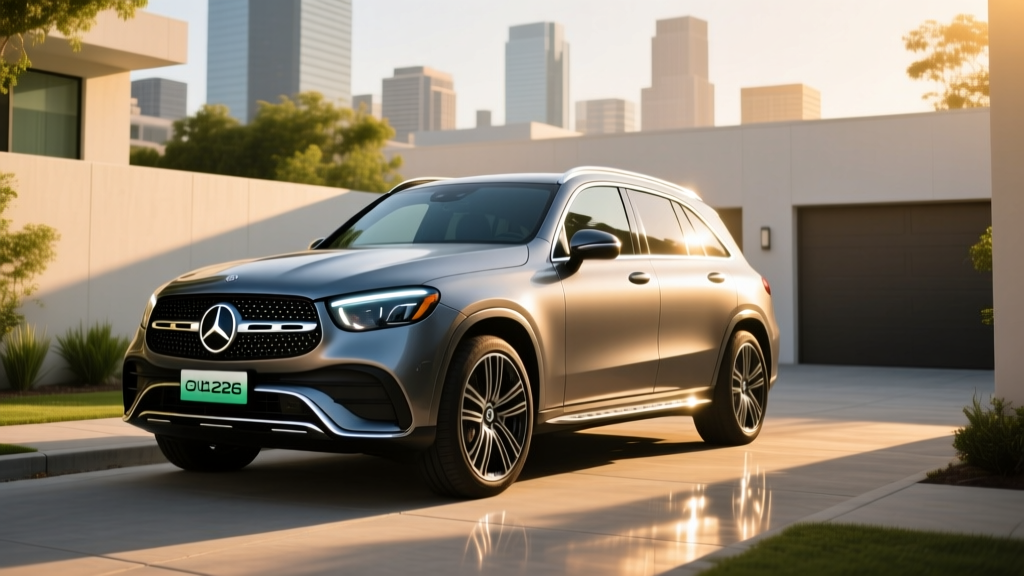
The 2026 Mercedes-Benz GLC Electric (internally designated the GLC EV, built on the MB.EA platform) is a luxury compact electric SUV targeting buyers who want Mercedes refinement without tailpipe emissions. Based on announced preliminary specs, expect an EPA-estimated range of approximately 280–320 miles depending on trim, an 85–95 kWh usable battery (NMC chemistry), peak DC fast charging around 220 kW (10–80% in roughly 25–28 minutes), and a starting MSRP in the $58,000–$65,000 range before incentives. Federal §30D tax credit eligibility remains uncertain at launch due to battery-sourcing and critical-mineral requirements under current IRS rules.
Note: The 2026 GLC Electric was announced but final EPA certification figures and MSRP by trim may shift before deliveries begin. Specs below reflect the latest available manufacturer data and informed projections from the MB.EA platform architecture shared with the upcoming electric C-Class.
2026 GLC Electric: Preliminary Specs at a Glance
| Specification | GLC 300e (Base AWD) | GLC 400e (Performance AWD) |
|---|---|---|
| Drivetrain | Dual-motor AWD | Dual-motor AWD (higher output) |
| Horsepower | ~335 hp | ~410 hp |
| 0–60 mph | ~5.8 sec | ~4.5 sec |
| Usable Battery | ~85 kWh (NMC) | ~95 kWh (NMC) |
| EPA Range (est.) | ~310 mi | ~280 mi |
| Efficiency (est.) | ~95 MPGe / 35 kWh/100mi | ~88 MPGe / 38 kWh/100mi |
| Max DC Fast Charge | ~220 kW | ~220 kW |
| 10–80% DC Time | ~28 min | ~28 min |
| Level 2 (AC) Charge Rate | 11 kW (standard) / 22 kW (optional) | 11 kW / 22 kW |
| Charging Port | NACS (native Tesla Supercharger access) | NACS |
| Cargo Volume (est.) | ~22 cu ft (rear seats up) | ~22 cu ft |
| Towing Capacity (est.) | ~3,500 lbs | ~3,500 lbs |
| Base MSRP (est.) | ~$58,500 | ~$65,000 |
| Battery/Powertrain Warranty | 8 yr / 100,000 mi | 8 yr / 100,000 mi |
Sources: Mercedes-Benz press announcements for the MB.EA platform; fueleconomy.gov for comparable luxury EV benchmarks. Final EPA certification pending.
Real-World Range: What the EPA Sticker Won't Tell You
EPA estimate: ~310 miles (base) / ~280 miles (performance)
Real-world expectation: Plan for 250–270 miles on sustained highway driving at 70–75 mph. In cold weather (below 32°F), expect a further 15–25% reduction, bringing usable range down to roughly 210–240 miles on the base model.
The GLC Electric's NMC battery chemistry delivers strong energy density but is more temperature-sensitive than LFP alternatives. Mercedes equips the MB.EA platform with a liquid thermal management system and a standard heat pump, which mitigates — but doesn't eliminate — cold-weather losses. If you live in the Upper Midwest or Northeast, preconditioning the battery while plugged in is essential to preserving range and maintaining fast-charge speeds in winter.
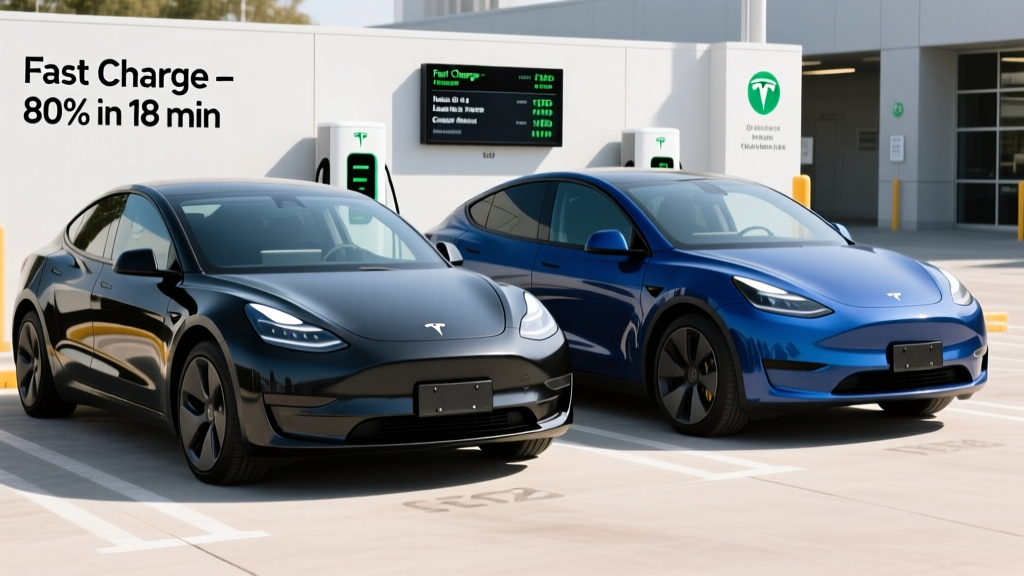
On the charging curve: the 220 kW peak rate applies only between roughly 10–40% state of charge. From 40–80%, the rate tapers progressively to protect battery longevity. This is normal for all DC fast charging, but it means the advertised "28-minute" 10–80% time assumes ideal battery temperature and a capable 350 kW charger. At a 150 kW Electrify America or EVgo station, expect 35–40 minutes for the same session.
Cost of Ownership: GLC Electric vs. Gas GLC 300
Most GLC Electric shoppers are cross-shopping the gas-powered GLC 300 (MSRP ~$48,250). Here's how the 5-year economics stack up for a driver covering 12,000 miles/year:
| Cost Category (5-Year) | 2026 GLC Electric (Base) | 2026 GLC 300 (Gas AWD) |
|---|---|---|
| Base MSRP | $58,500 | $48,250 |
| Est. Federal Tax Credit (§30D) | $0–$7,500* | $0 |
| Effective Purchase Price | $51,000–$58,500 | $48,250 |
| Fuel / Electricity (5 yr) | $3,200–$5,400** | $9,000–$10,500 |
| Maintenance (5 yr) | $1,200–$1,800 | $3,500–$4,500 |
| Insurance (5 yr avg.) | $9,500–$12,000 | $7,500–$9,500 |
| Est. Depreciation (5 yr) | $22,000–$26,000 | $18,000–$22,000 |
| Total 5-Year Cost (est.) | $86,900–$103,700 | $86,750–$95,250 |
* §30D eligibility depends on battery-sourcing, critical-mineral requirements, buyer income caps ($150K single / $300K joint), and MSRP caps ($80K for SUVs). Credit may be applied at point of sale. Verify current-year rules at irs.gov.
** Electricity cost assumes $0.14/kWh home charging (lower end) vs. $0.40/kWh public DC fast charging (higher end). Gas assumes $3.50/gal at 25 MPG combined.
The GLC Electric breaks even or wins on operating costs within 3–4 years if you can charge primarily at home. Public-charging-heavy drivers will see a narrower gap. Insurance runs 15–25% higher on the EV due to repair costs and battery replacement exposure — get quotes before committing.
Home Charging Setup: What You'll Actually Need
The GLC Electric ships with a NACS charge port, giving it native access to Tesla's Supercharger network (over 20,000 stalls in the U.S.) without an adapter. For daily driving, home Level 2 charging is where the economics and convenience are best.
| Item | Cost Range | Notes |
|---|---|---|
| Level 2 Charger (40–48A, hardwired) | $400–$750 | ChargePoint Home Flex, Emporia, Wallbox |
| Electrician (240V/50A circuit install) | $800–$2,500 | Varies by panel distance and local code |
| Electrical Panel Upgrade (if needed) | $1,500–$3,500 | Required if panel is ≤100A or at capacity |
| Permit / Inspection | $100–$350 | Required in most jurisdictions |
| Total Typical Install | $1,300–$3,600 | Without panel upgrade: $1,300–$2,100 |
At 11 kW (the GLC Electric's standard onboard charger), a full 0–100% Level 2 session takes roughly 8–9 hours — ideal for overnight charging. The optional 22 kW onboard charger halves that to about 4.5 hours but requires a 100A dedicated circuit, which most homes don't support without an upgrade.
If you rent or live in a condo without charging access: The GLC Electric becomes significantly less convenient. Public DC fast charging works but costs 2–3× more per kWh and adds 25–40 minutes per session. Evaluate your local charging infrastructure honestly before purchasing.
Tax Credit Eligibility: The §30D Reality Check
The federal clean vehicle credit under IRS §30D offers up to $7,500, but qualifying is far from guaranteed for the GLC Electric. Here's the current checklist:
- MSRP cap: SUVs must be ≤$80,000 — the GLC Electric clears this at base, but loaded trims may exceed it.
- Buyer income cap: Modified AGI ≤$150,000 (single) or ≤$300,000 (married filing jointly).
- Battery sourcing: Increasing percentages of battery components must be manufactured or assembled in North America, and critical minerals must be sourced from the U.S. or FTA partners.
- Foreign entity of concern (FEOC): Vehicles with battery components from FEOC entities (primarily Chinese supply chains) are disqualified.
- Point-of-sale transfer: The credit can be applied at the dealer to reduce your purchase price directly, rather than waiting for tax filing.
Mercedes-Benz has not confirmed full §30D compliance for the 2026 GLC Electric at time of writing. Battery cell sourcing for MB.EA vehicles is expected to involve a mix of global suppliers. Ask the dealer for the IRS-compliant vehicle eligibility report before finalizing a purchase. Rules may shift — always verify at irs.gov.
GLC Electric vs. the Competition
The luxury electric compact SUV segment is crowded. Here's how the GLC Electric stacks up against key rivals:
| Spec | 2026 GLC Electric (est.) | BMW iX3 (2026) | Tesla Model Y LR | Genesis GV70 Electrified |
|---|---|---|---|---|
| EPA Range | ~310 mi | ~280 mi | 320 mi | 236 mi |
| Battery (usable) | ~85 kWh | ~80 kWh | 78 kWh | 77.4 kWh |
| Peak DC Charge | 220 kW | 200 kW | 250 kW | 240 kW |
| 10–80% Time | ~28 min | ~30 min | ~22 min | ~18 min |
| Base MSRP | ~$58,500 | ~$55,000 | $47,990 | $67,550 |
| Charging Network | NACS (Supercharger) | CCS + NACS adapter | NACS (Supercharger) | CCS + NACS adapter |
| ADAS Suite | Drive Pilot (Level 2) | Driving Assistant Pro (L2) | Autopilot / FSD Supervised (L2) | Highway Driving Assist (L2) |
Decision Framework: Which Should You Choose?
Choose the GLC Electric if: You prioritize cabin luxury, ride refinement, and Mercedes brand cachet; you want native Supercharger access without adapters; you value a heat pump and strong cold-weather thermal management; and you can charge at home.
Choose the Tesla Model Y if: You want the lowest price, longest proven range, fastest charging, and the most mature software/charging ecosystem — and you don't mind a minimalist interior.
Choose the BMW iX3 if: You want a similar luxury experience at a slightly lower price point and don't mind slightly less range.
Choose the Genesis GV70 Electrified if: You want the most opulent interior in the segment and can accept the shorter 236-mile range and higher price.
Stick with the gas GLC 300 if: You lack reliable home charging, frequently drive in extreme cold, regularly tow near capacity, or your annual mileage is under 8,000 (the fuel savings won't offset the EV premium).
Common Misconceptions About the GLC Electric
| Myth | Fact |
|---|---|
| "The battery will need replacing in 5 years." | NMC batteries in modern EVs with active thermal management typically retain 85–90% capacity at 100,000 miles. Mercedes warranties the battery for 8 years/100,000 miles against dropping below 70% state of health. |
| "It charges at 220 kW the whole time." | Peak charge rate only applies at low state of charge (10–40%). Above 80%, the rate drops sharply. A 10–90% session takes closer to 40–45 minutes. |
| "I'll get the full $7,500 tax credit." | Eligibility depends on battery sourcing, your income, and the MSRP of your chosen trim. Many luxury EVs qualify for partial credit ($3,750) or none at all. Verify before purchasing. |
| "It's self-driving with Drive Pilot." | Mercedes Drive Pilot is a SAE Level 2 driver-assistance system. You must keep your hands near the wheel and eyes on the road. It is not autonomous driving. |
| "EVs cost more to insure and always will." | EV insurance premiums are 15–25% higher on average today, but the gap is narrowing. Shop multiple carriers — some offer EV-specific discounts. |
SAE Automation Level — Important: Mercedes-Benz Drive Pilot, as equipped in the 2026 GLC Electric, is classified as SAE Level 2 (partial driving automation). The driver must continuously supervise the system and be prepared to take over immediately. This is not "self-driving." Mercedes has offered limited Level 3 (Drive Pilot) in the S-Class and EQS on select highways in Nevada and California, but this higher-level capability is not expected on the GLC Electric at launch.
First-Time EV Buyer Checklist
If this is your first electric vehicle, here's what to confirm before signing:
- Home charging: Can you install a 240V/50A circuit? Get an electrician quote before buying. Budget $1,300–$3,600.
- Daily driving range: Is your typical round-trip commute under 150 miles? The GLC Electric handles this easily. If you regularly drive 250+ miles in a day, plan DC fast-charging stops.
- Climate: In sub-freezing climates, precondition while plugged in and budget 20% more range for winter trips.
- Insurance quotes: Call your insurer for a GLC Electric quote. Compare with the gas GLC 300.
- Tax credit verification: Check irs.gov for current §30D eligibility. Don't rely on dealer assurances alone.
- Maintenance expectations: No oil changes, no transmission fluid, less brake wear (regen braking). Budget for cabin air filters, tire rotation (EVs wear tires faster due to weight and instant torque), and wiper fluid.
- Tire costs: EV-specific tires run $250–$400 each and may need replacement at 30,000–40,000 miles. Factor this into your 5-year budget.
Frequently Asked Questions
Will the 2026 GLC Electric qualify for the $7,500 federal tax credit?
It's possible but not guaranteed. Eligibility under §30D depends on battery component sourcing and critical-mineral origin, your adjusted gross income, and the final MSRP of your trim. Mercedes has not confirmed full compliance. Check the IRS eligible-vehicles list closer to your purchase date, and request the seller's battery-sourcing report at the dealership.
How long does it take to charge the GLC Electric at home?
On a standard Level 2 home charger (11 kW, 240V/48A), a full charge from near-empty takes approximately 8–9 hours. In practice, most owners plug in nightly and top up 20–40% per session, which takes 2–4 hours. The optional 22 kW onboard charger cuts these times in half but requires a heavier electrical circuit.
Can the GLC Electric tow a trailer?
Yes, with an estimated towing capacity of 3,500 lbs — adequate for a small boat, bike rack, or lightweight utility trailer. Towing significantly reduces range, typically by 25–40% depending on trailer weight and aerodynamics. Plan charging stops accordingly.
Is the GLC Electric's battery LFP or NMC?
The MB.EA platform is expected to use NMC (nickel manganese cobalt) chemistry, which offers higher energy density than LFP at the cost of slightly faster degradation over time and greater sensitivity to extreme temperatures. For longevity, avoid routinely charging to 100% — set your daily limit to 80–90% and reserve 100% for road trips.
What happens if the battery degrades significantly?
Mercedes-Benz warranties the high-voltage battery for 8 years or 100,000 miles against capacity falling below 70% of original. Real-world data from similar NMC packs suggests most EVs retain 85–90% capacity at 100K miles with proper care. A full battery replacement, if ever needed outside warranty, is estimated at $12,000–$18,000 for a pack of this size, though prices continue to decline.
Does the GLC Electric have a frunk (front trunk)?
Mercedes has not confirmed a frunk for the GLC Electric. The MB.EA platform's packaging prioritizes cabin and cargo space over front storage. Expect the primary cargo area (~22 cu ft behind rear seats) to handle most needs, but don't count on additional sealed front storage.
Specs and pricing in this article are based on the latest available Mercedes-Benz announcements and platform data for the MB.EA architecture. Final EPA certification, MSRP by trim, and §30D tax credit eligibility will be confirmed closer to the vehicle's on-sale date. Always verify with your local Mercedes-Benz dealer and irs.gov before purchasing.